sna poems #67: pickerel lake fen

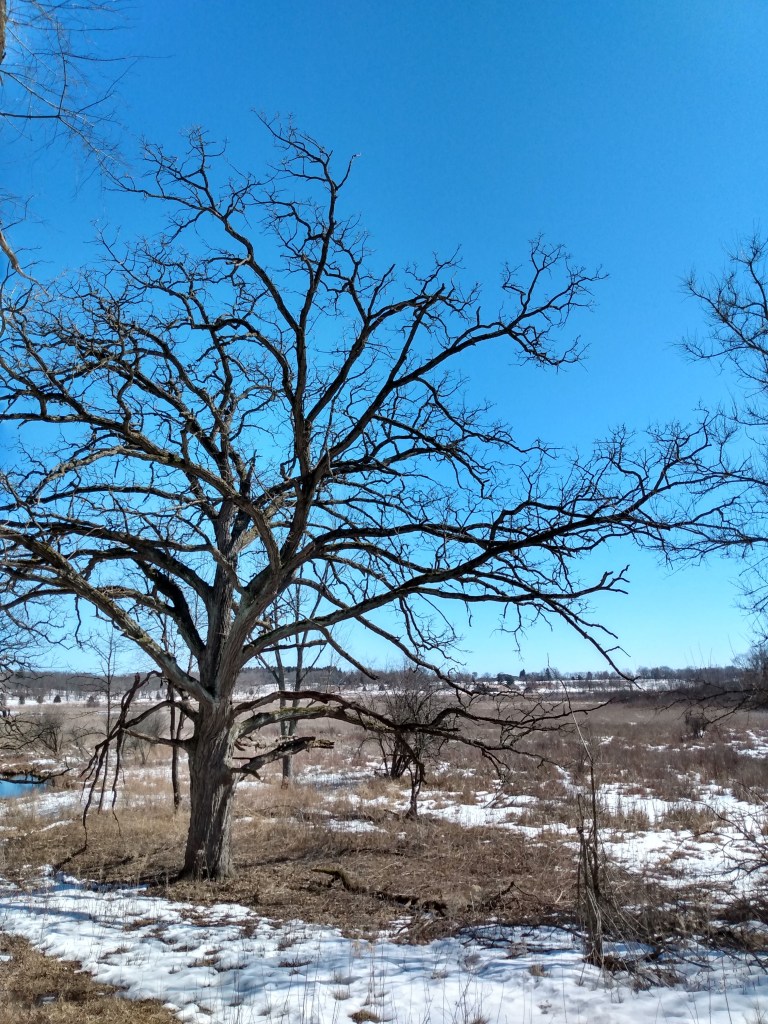
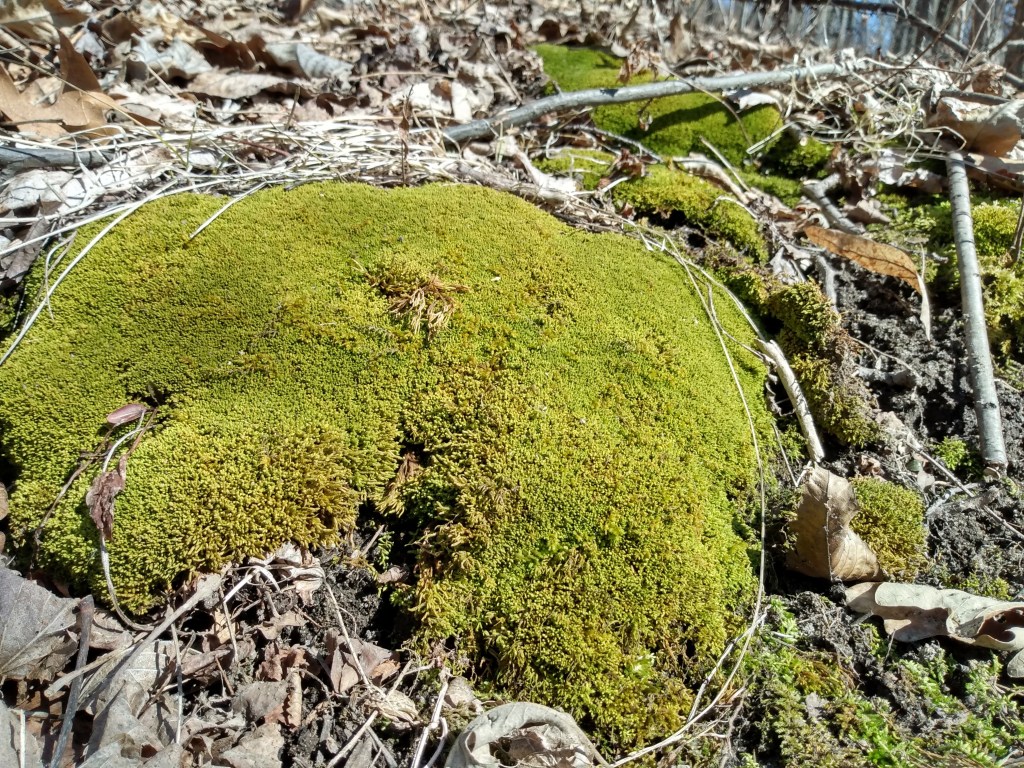
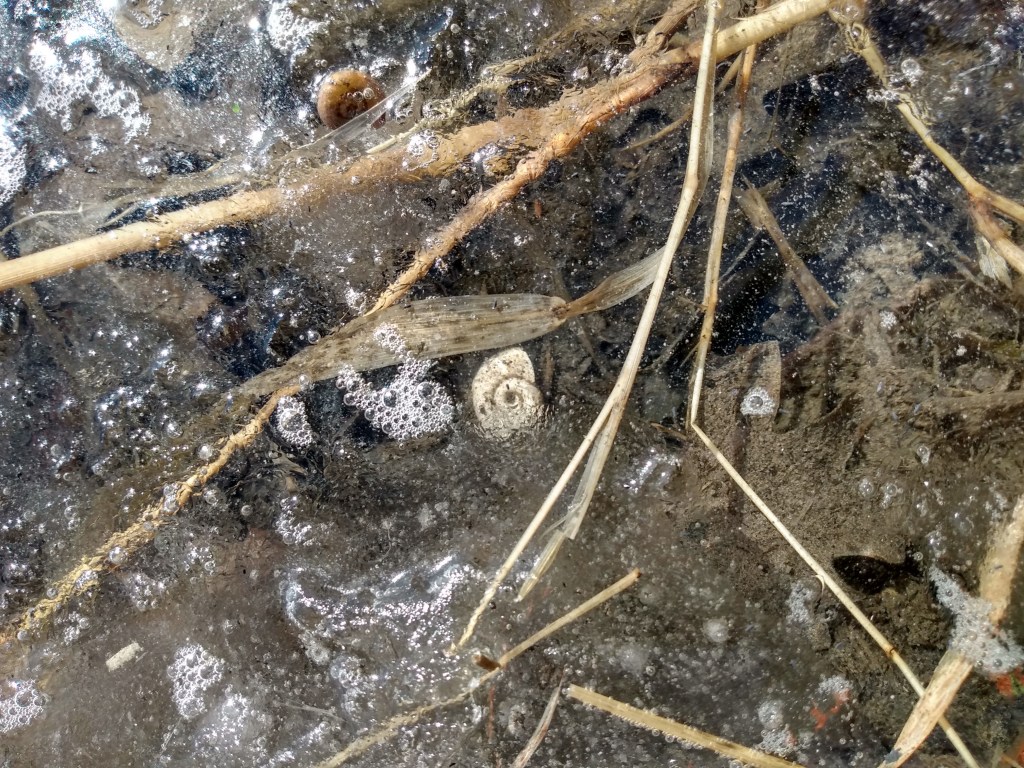
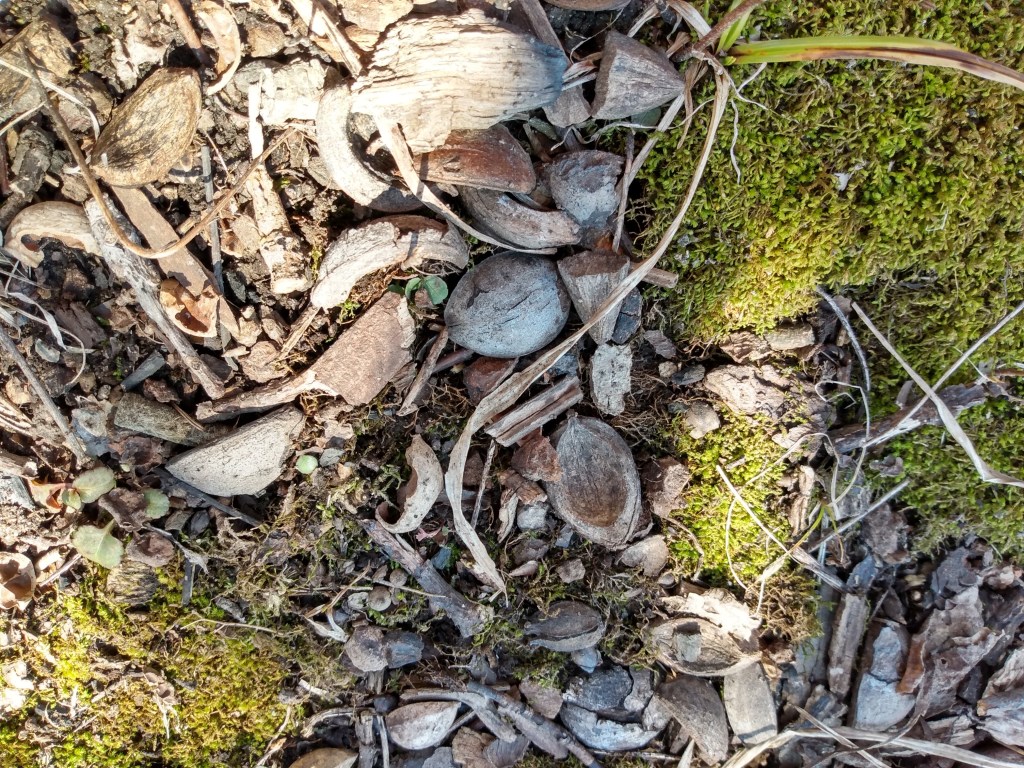
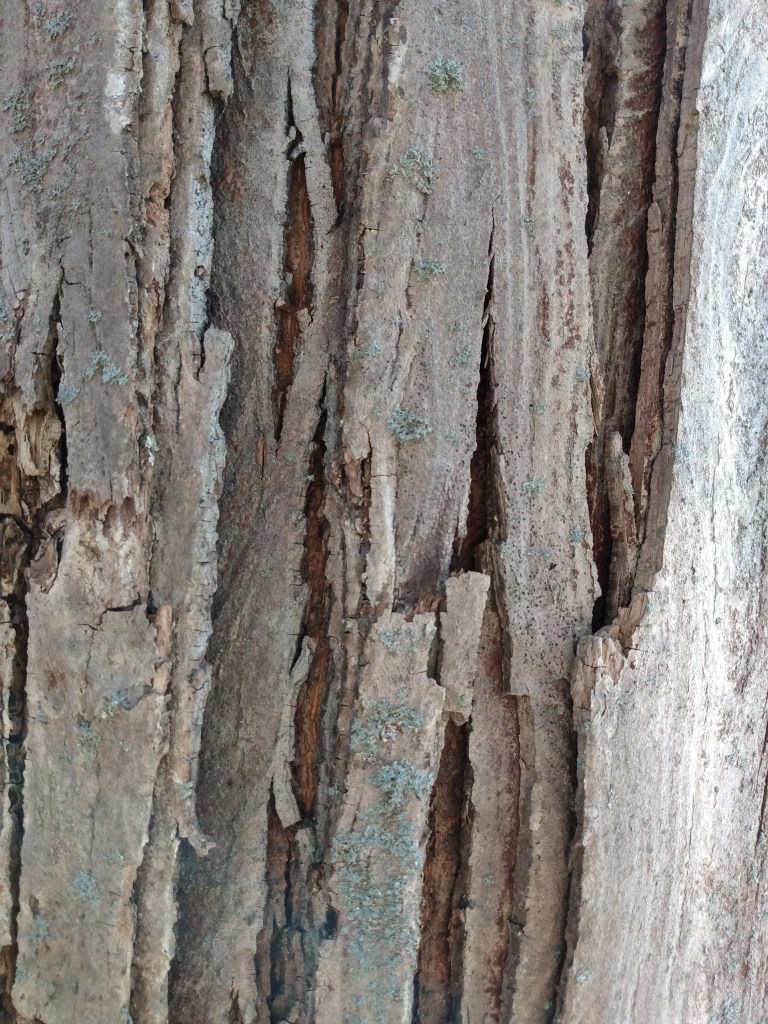
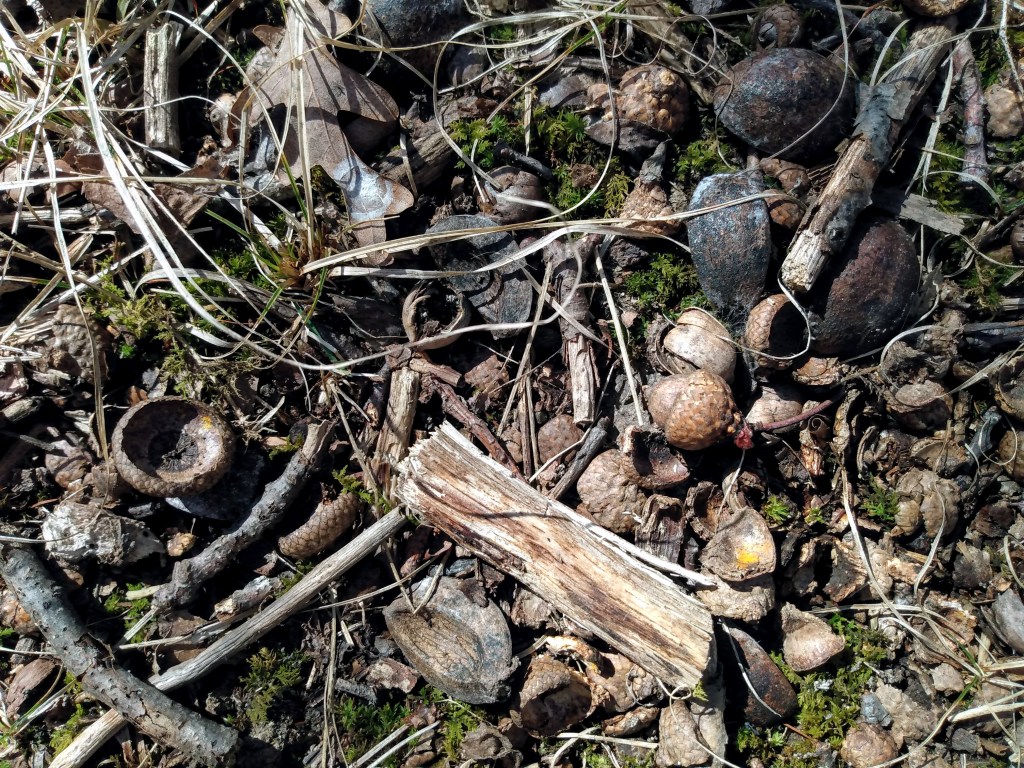
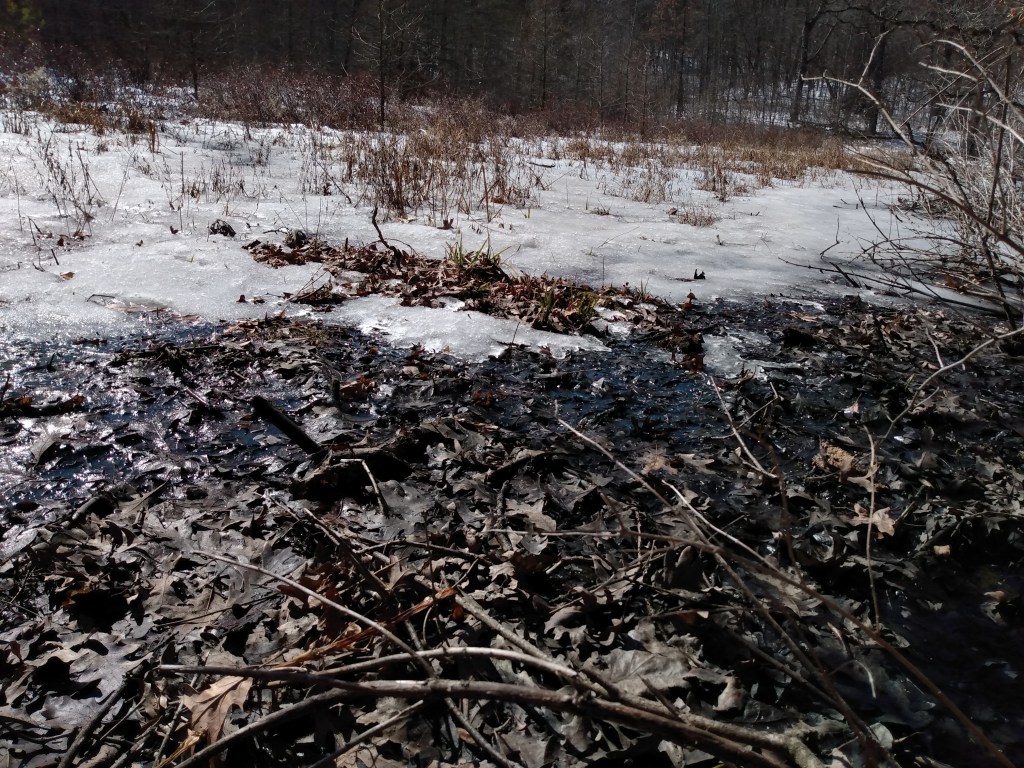
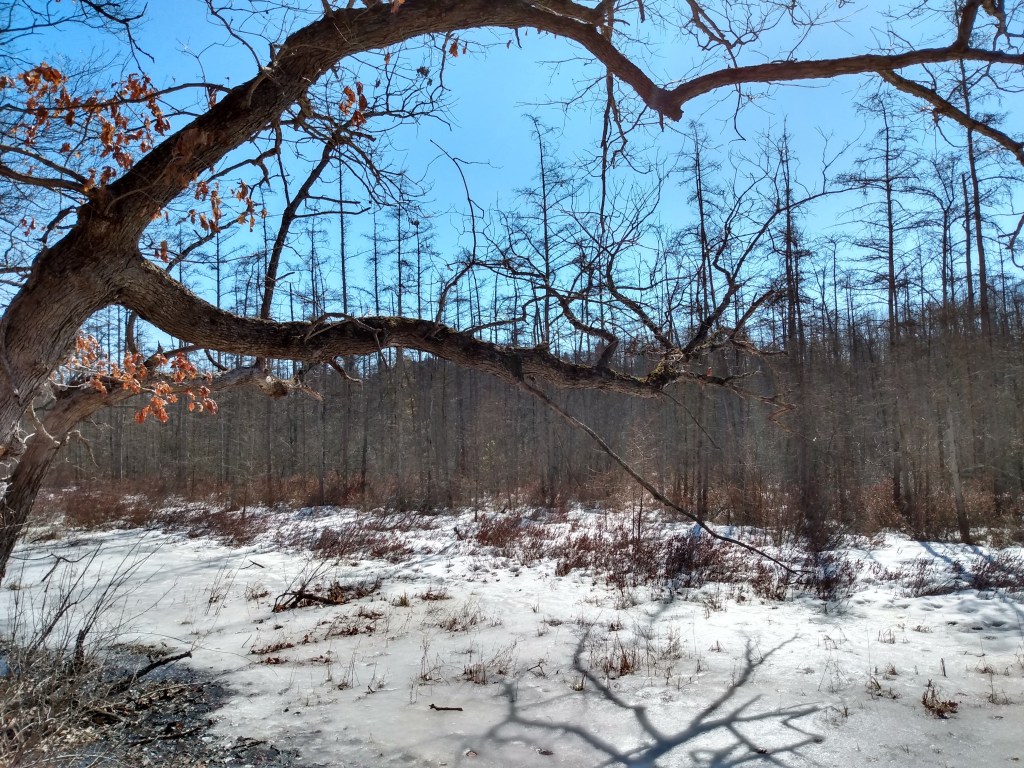
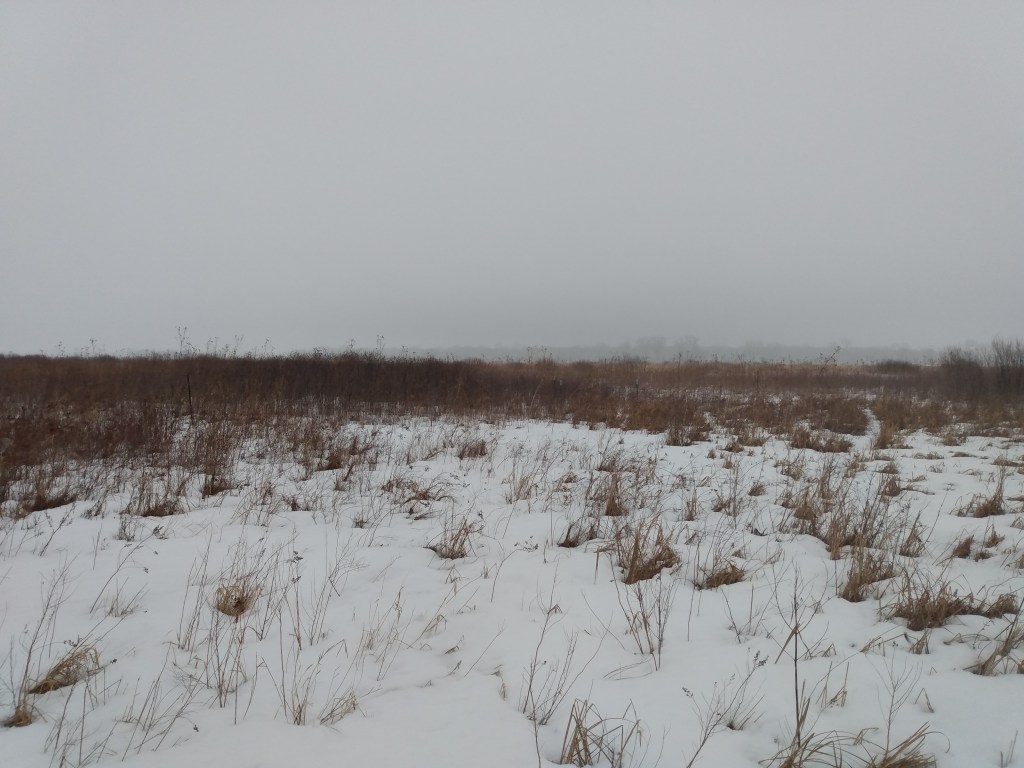
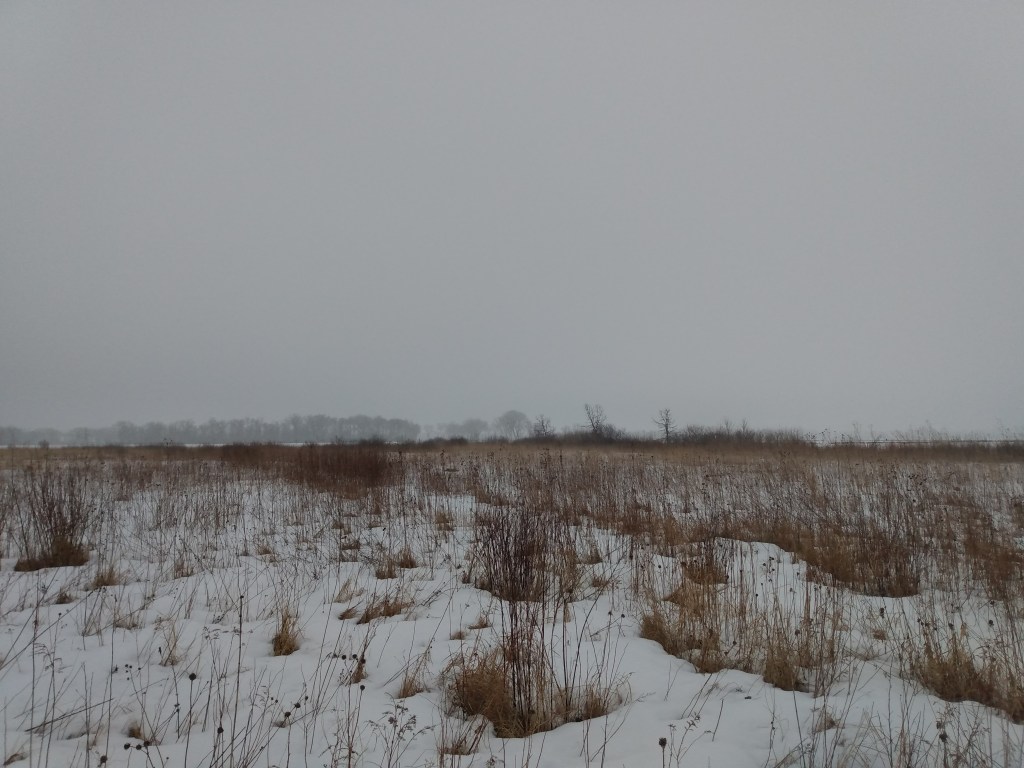
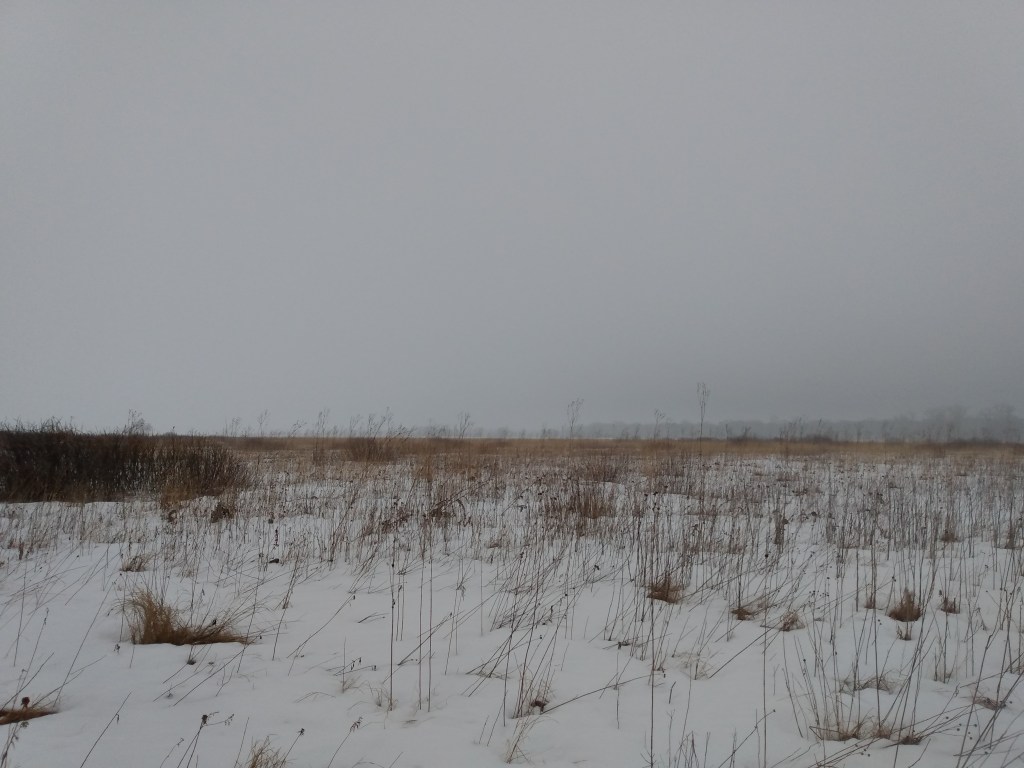
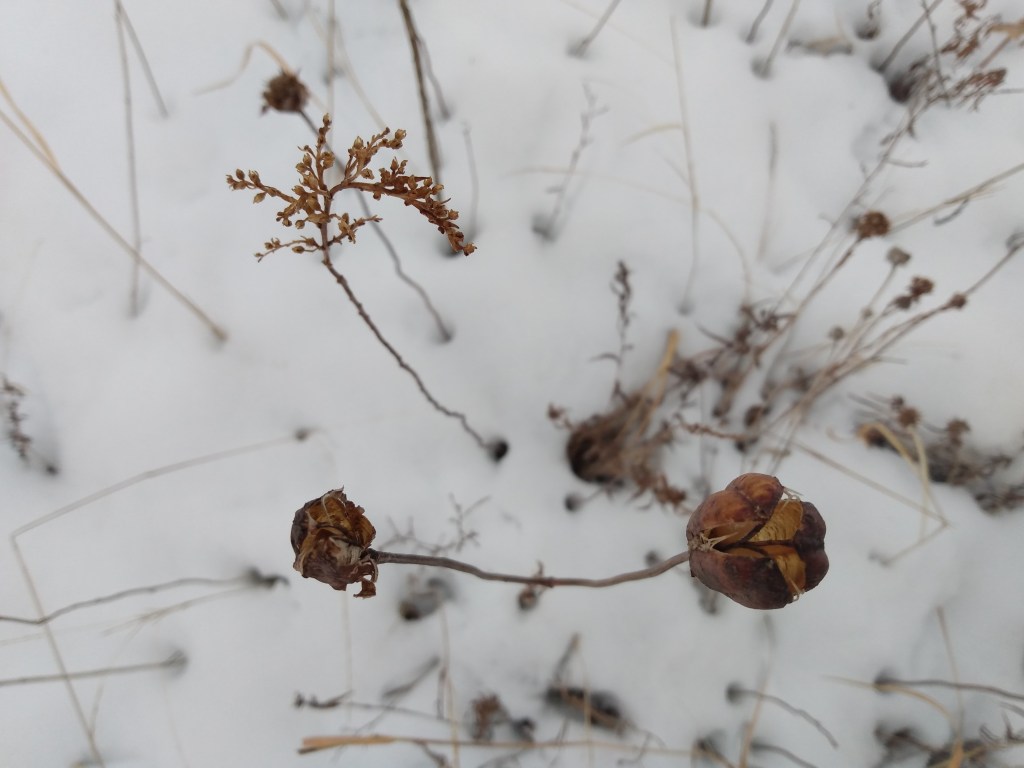
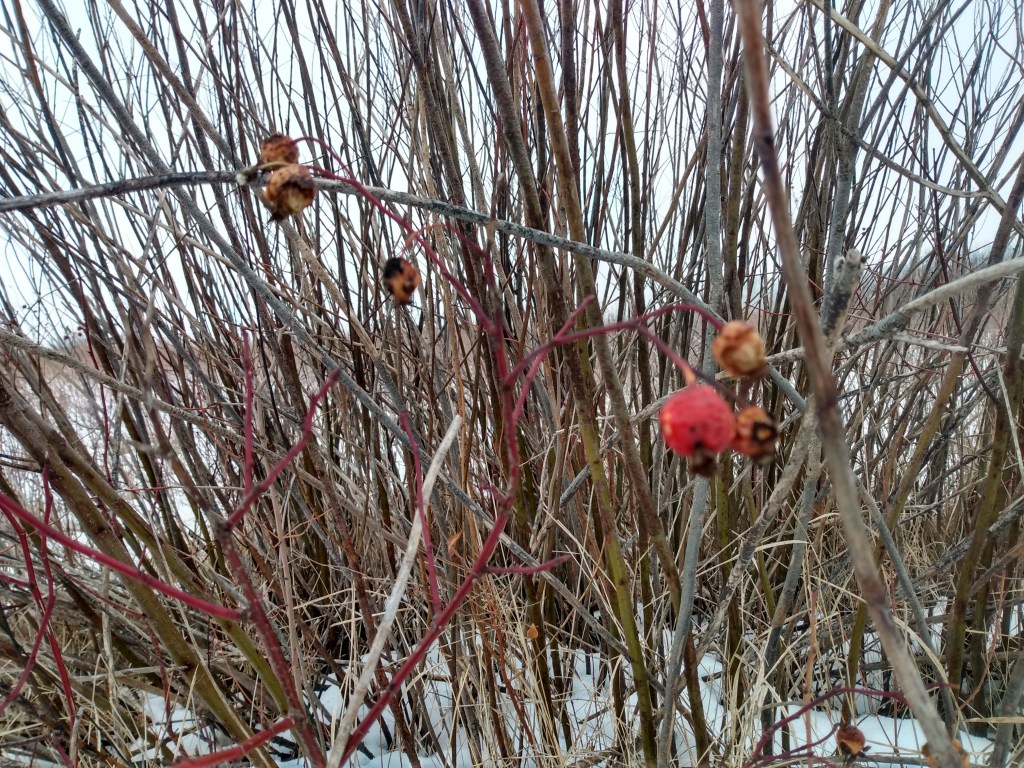
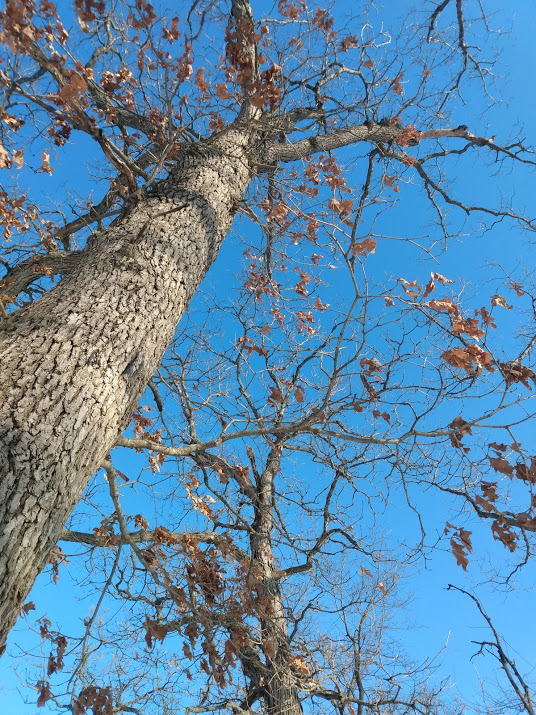
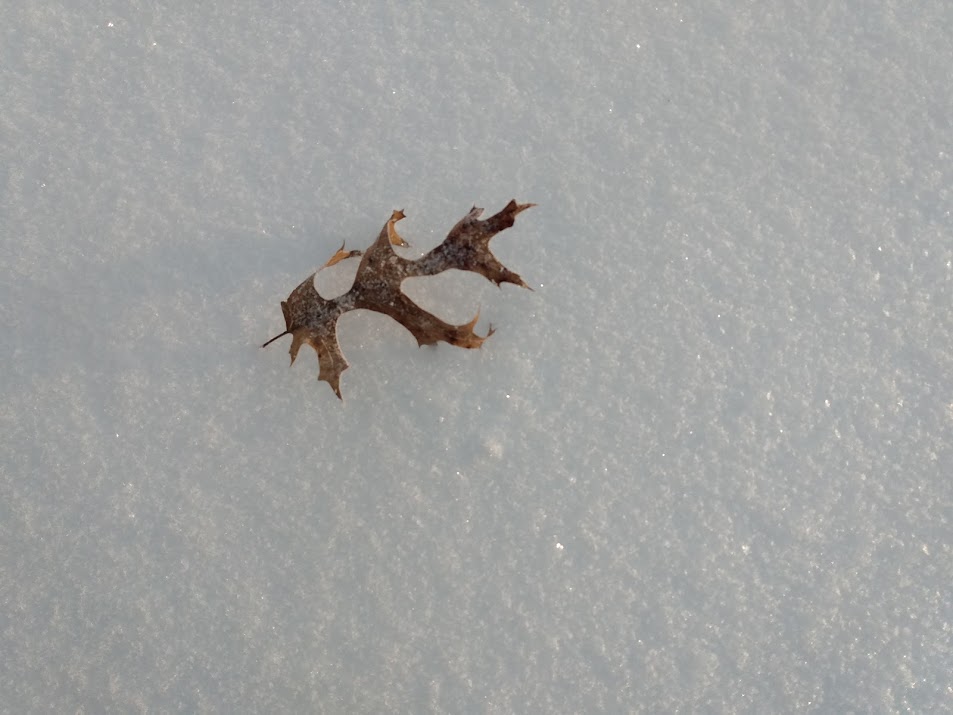
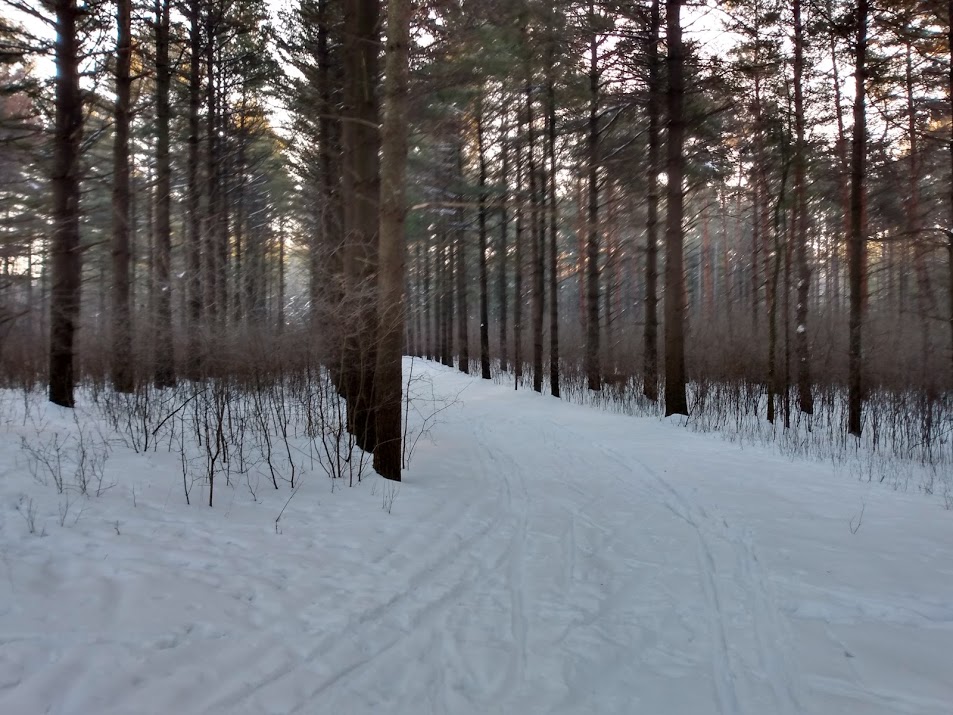
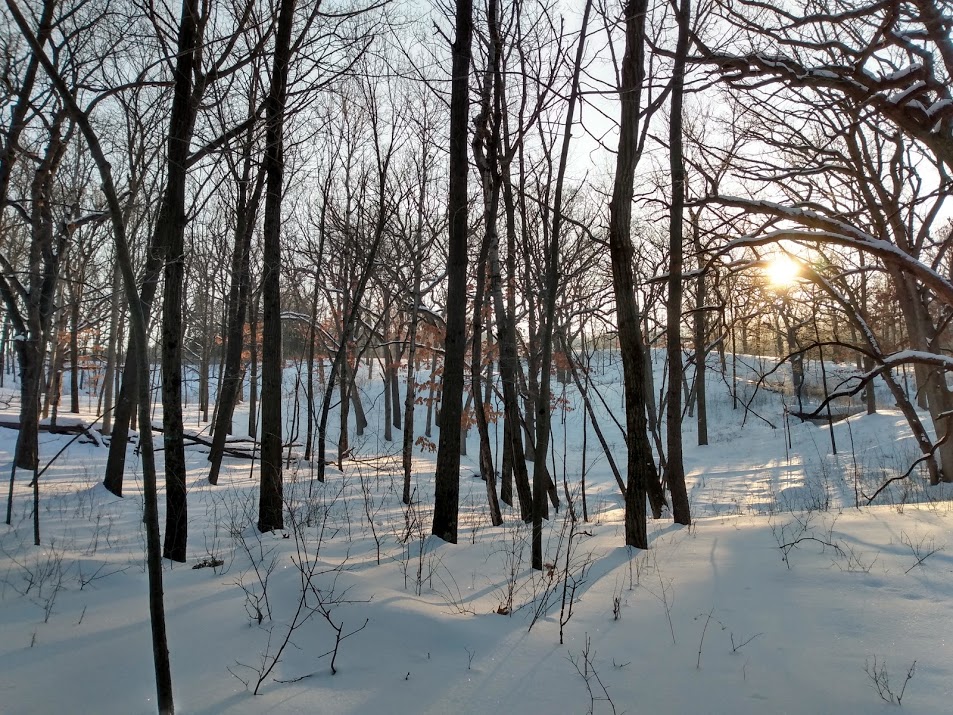
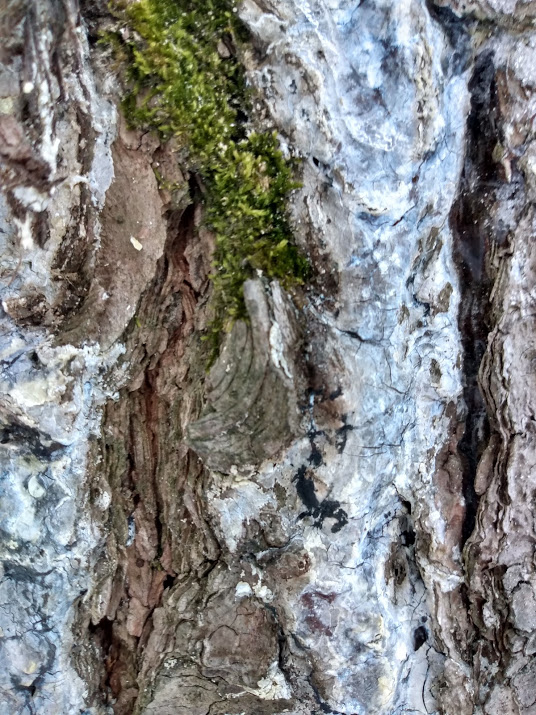
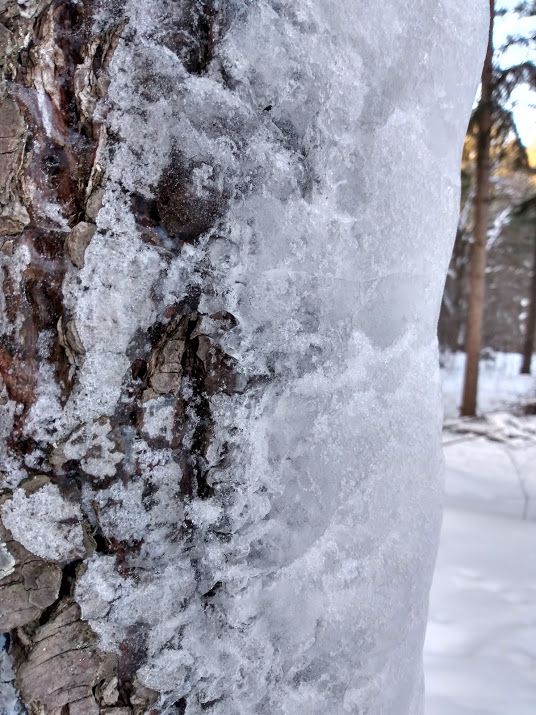
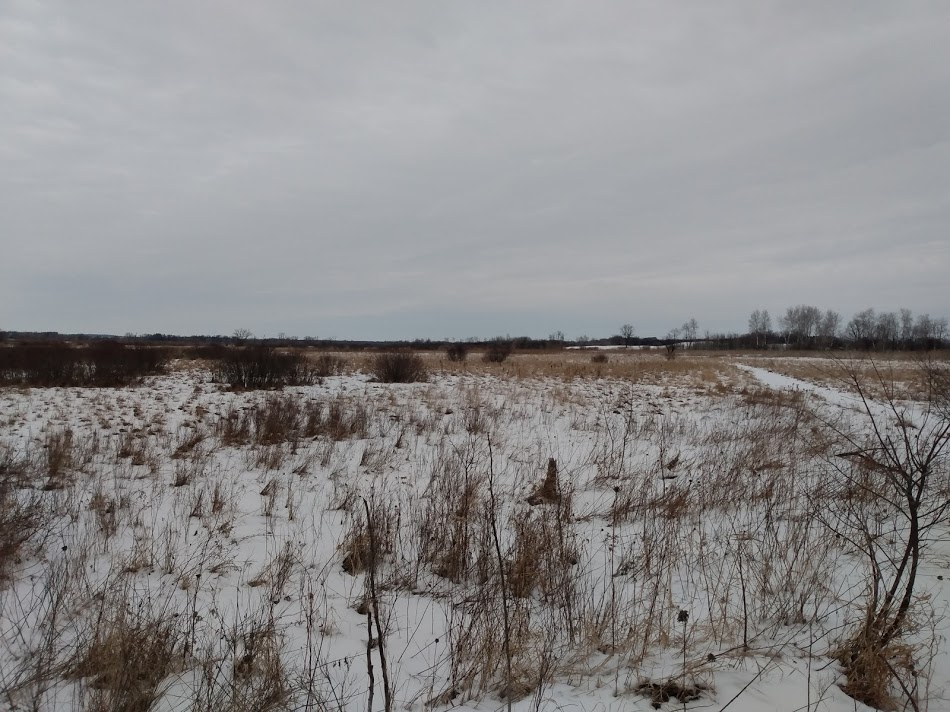
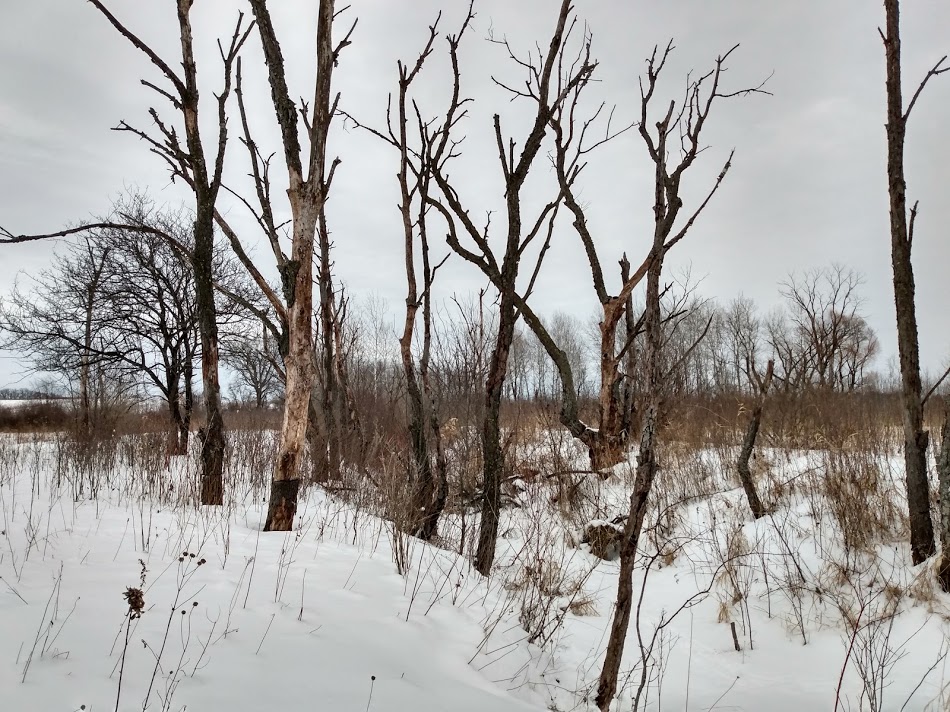
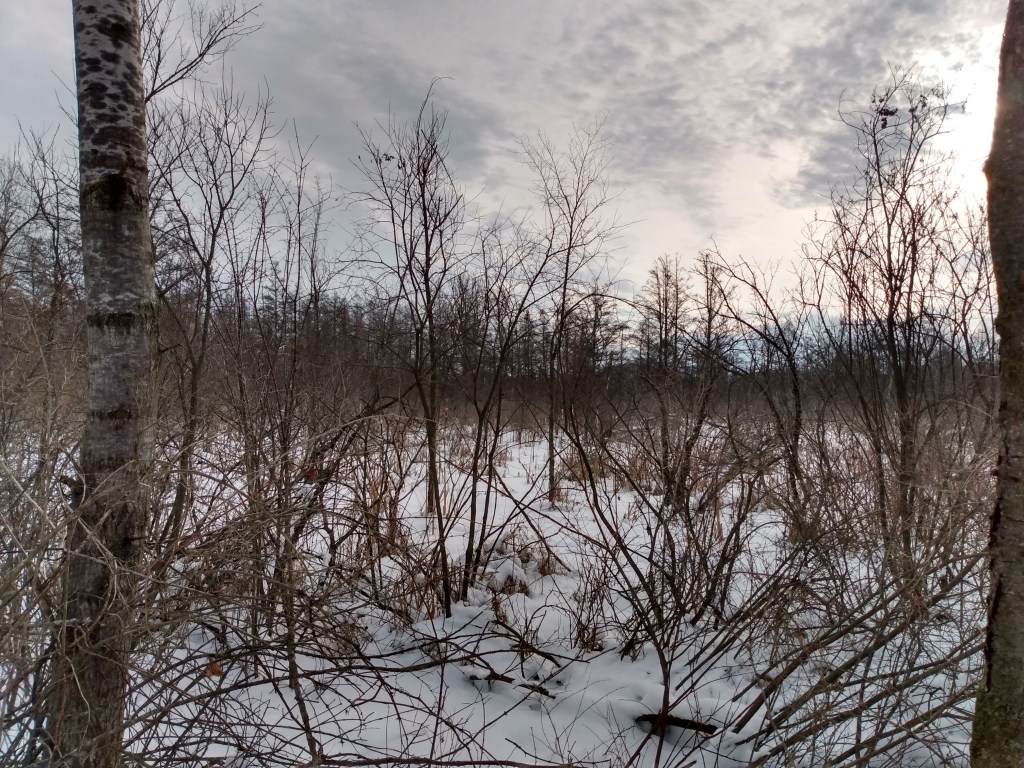
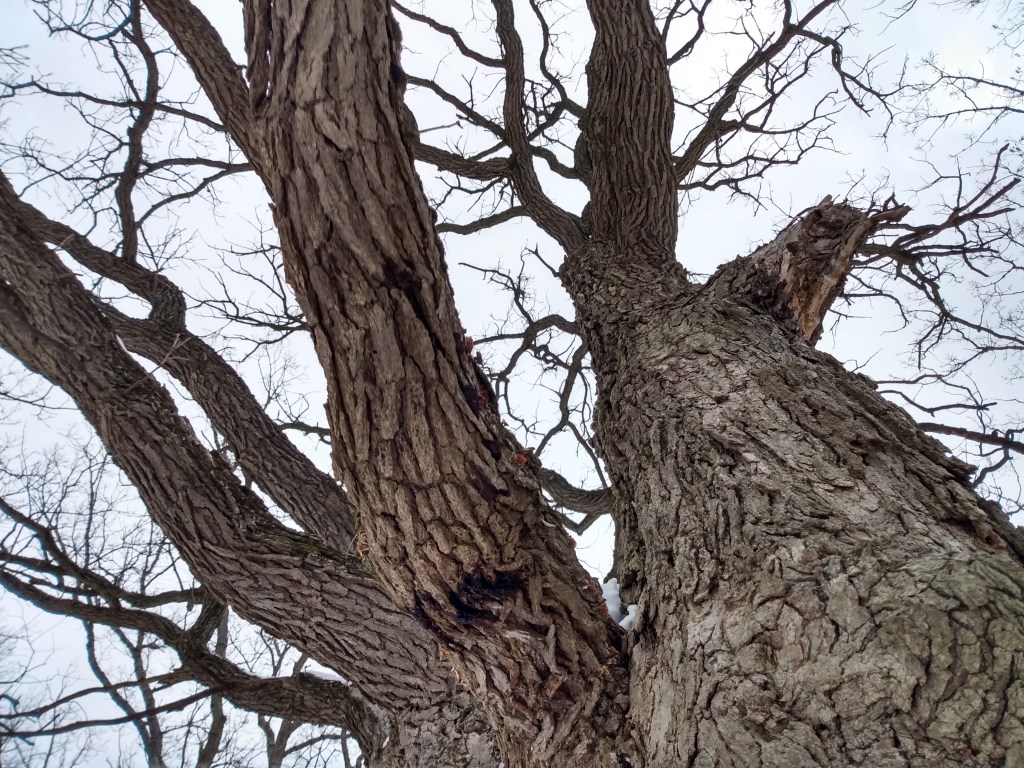
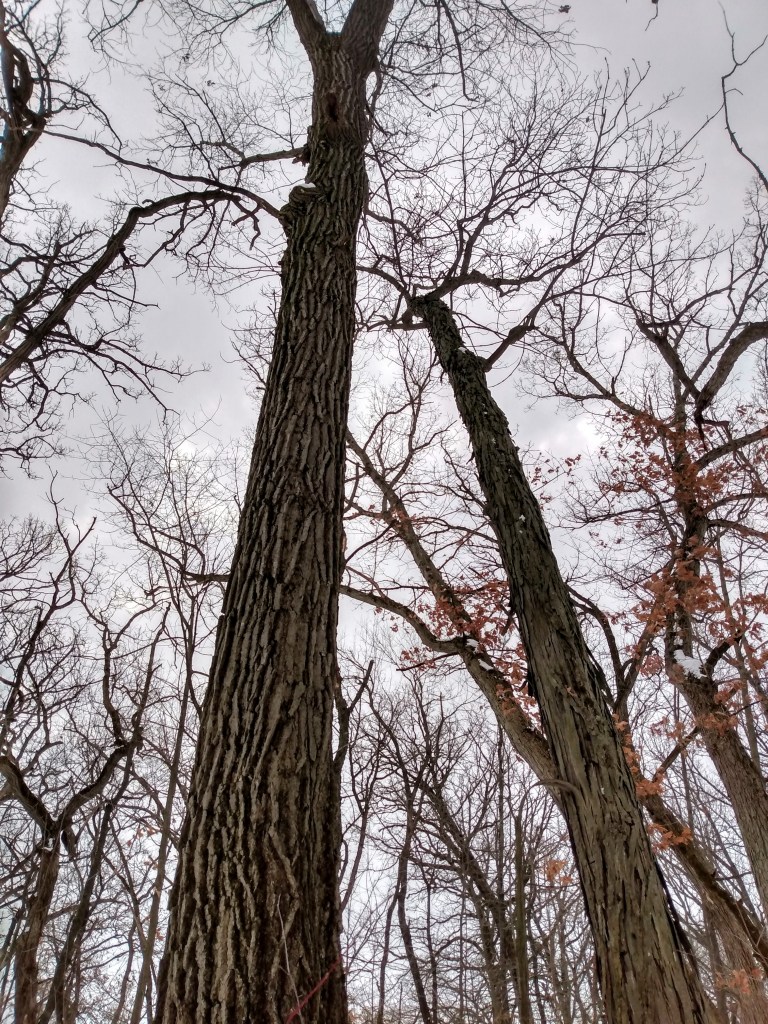
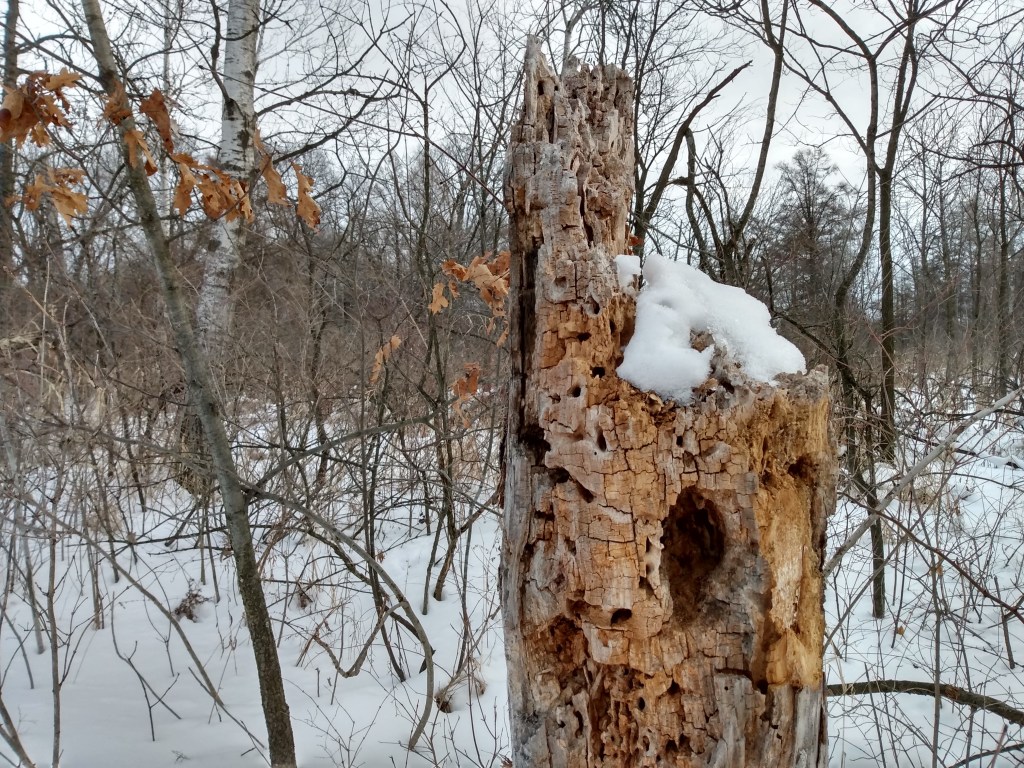
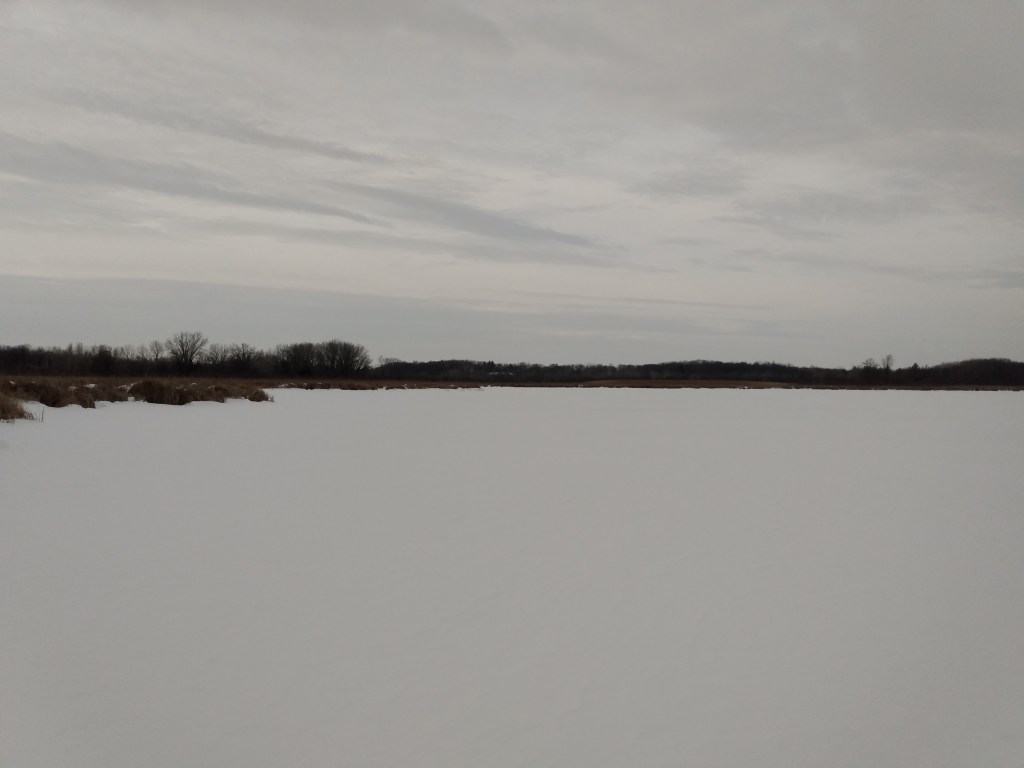
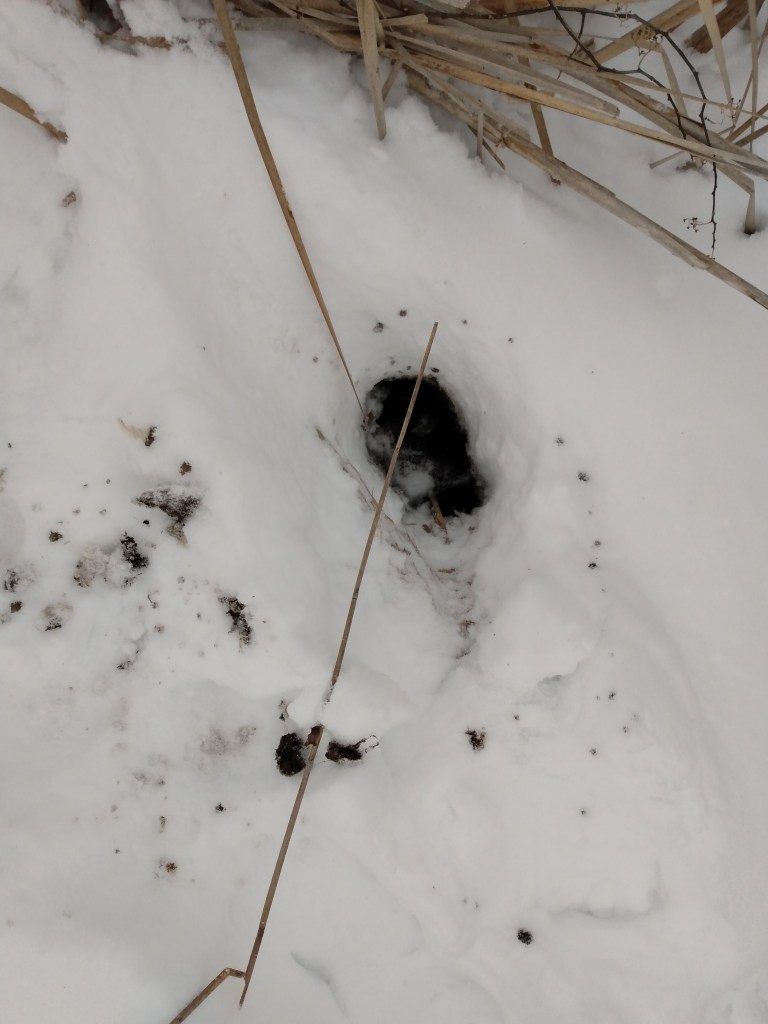
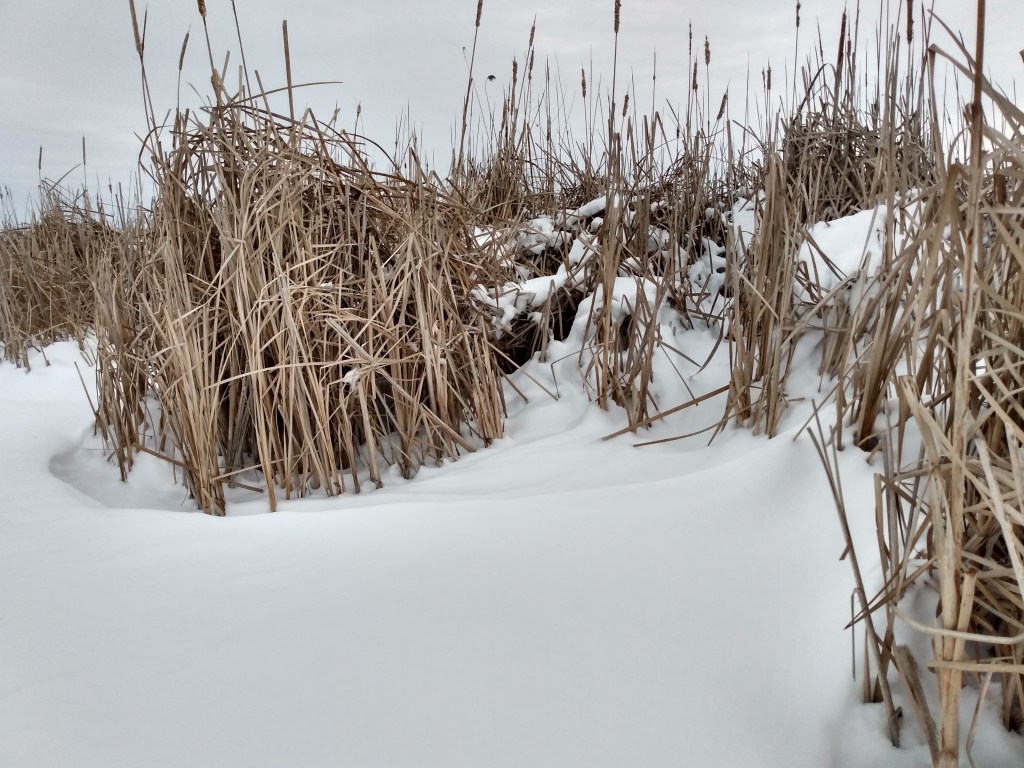
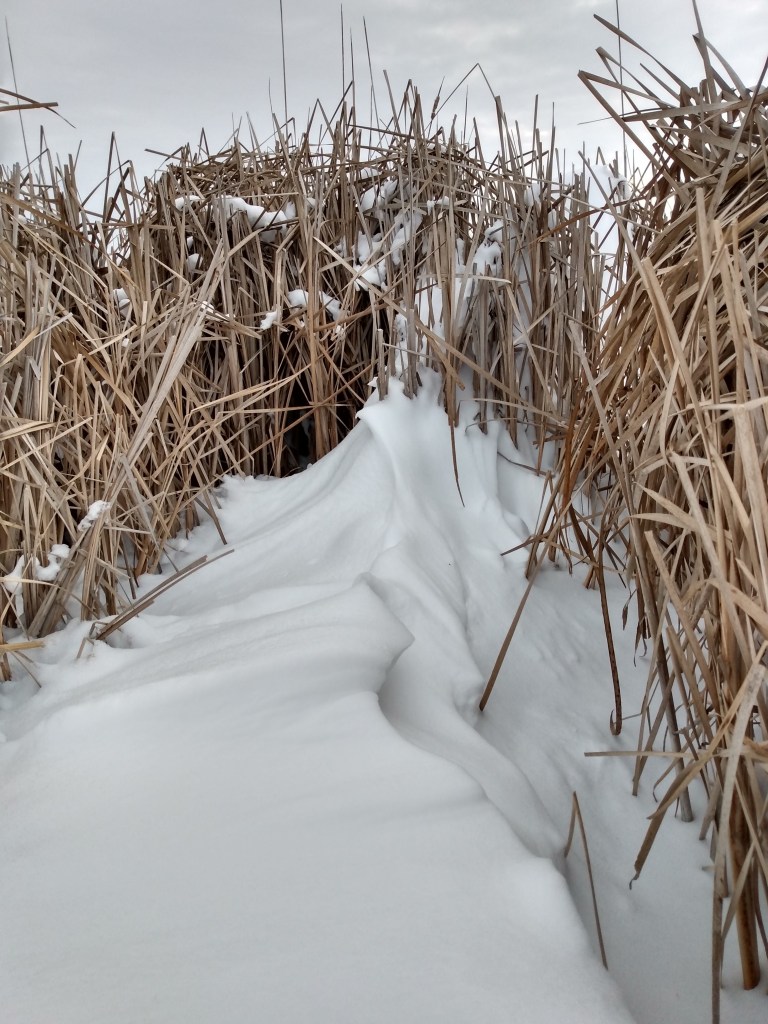
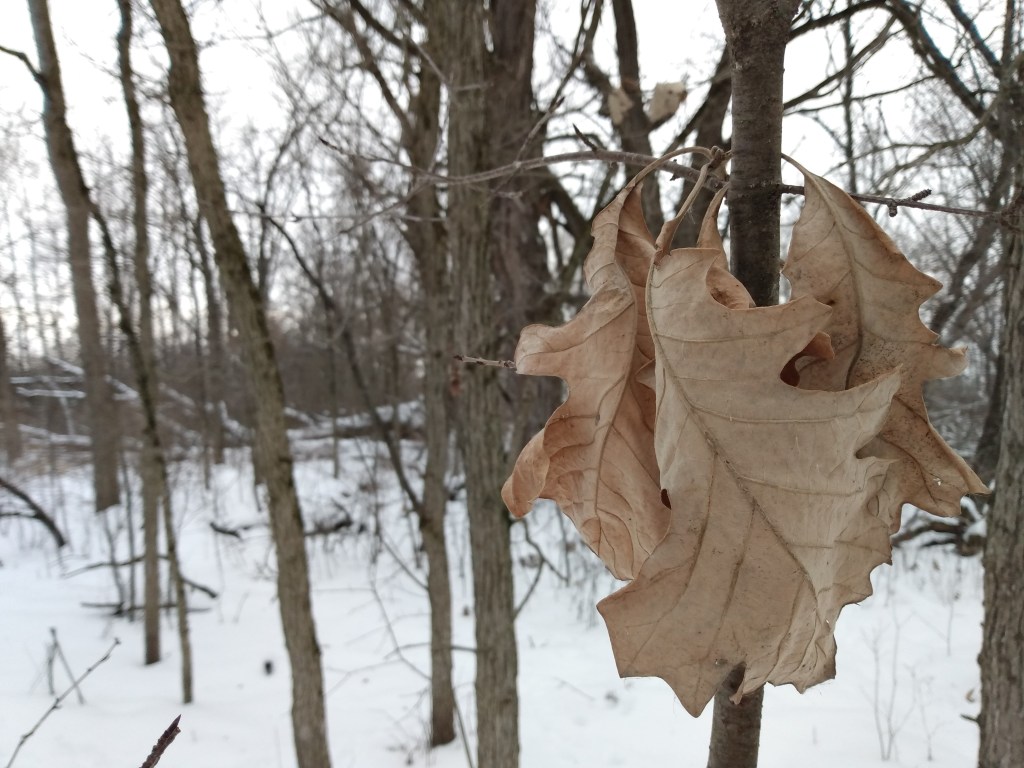
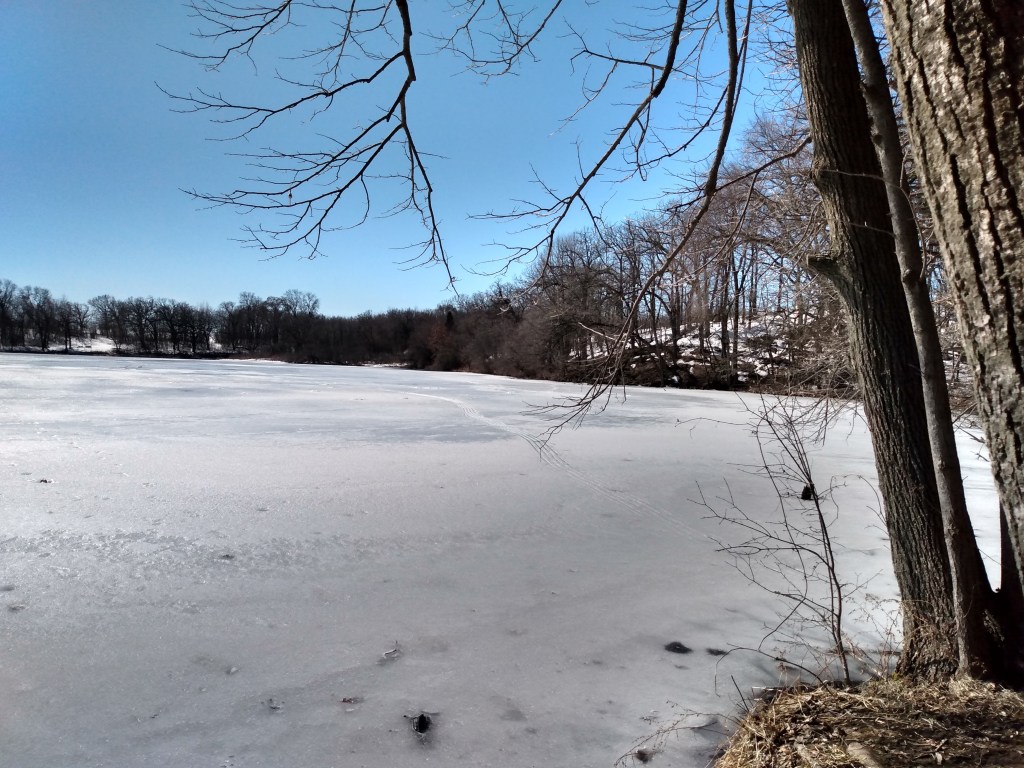
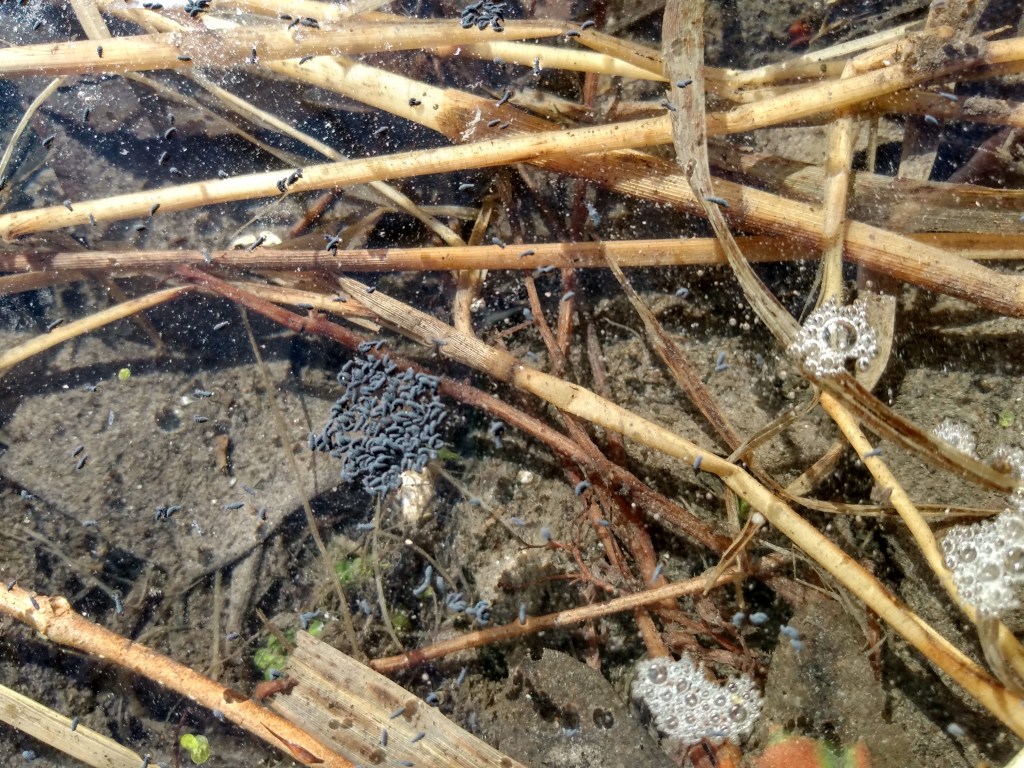
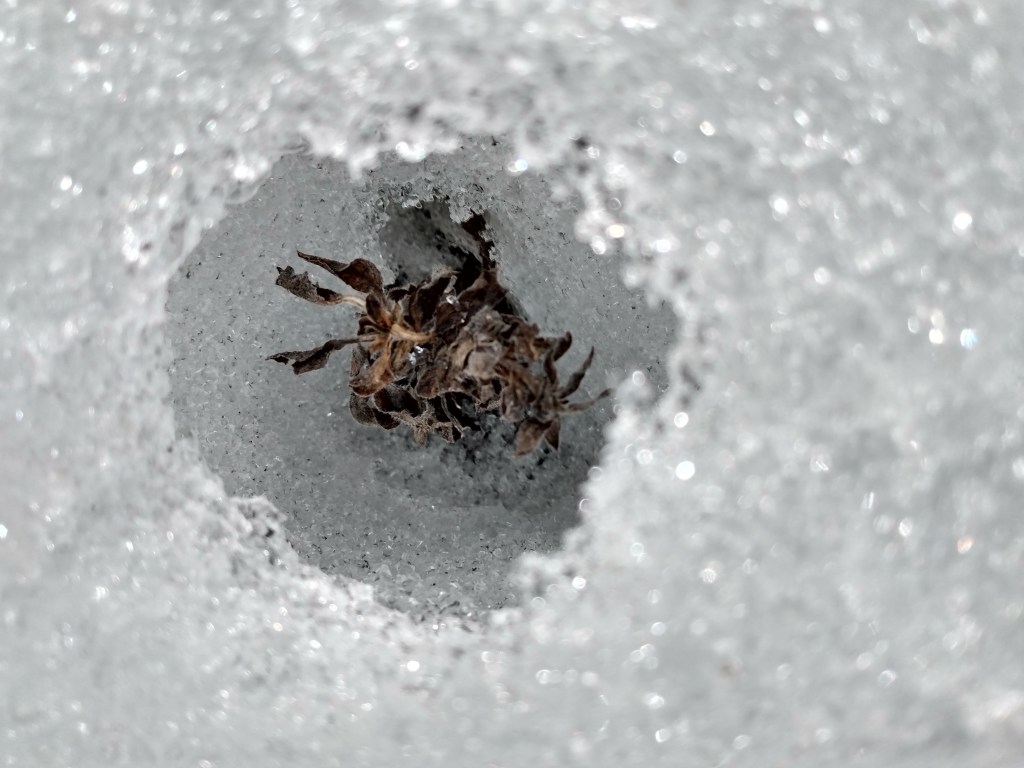
pickerel lake fen is, well, a lake and a fen. the calcareous fen is large, seeping out of a glacial ridge, and is one of the most biologically diverse fens in s.e. wisconsin. the lake is still frozen but the edge is thawing to reveal all sorts of small life if the eye will rest long enough to see. the uplands are turning back to prairie after being farmed, and good tall oaks in their openings dot the fen-edge. several plants are protected here.

thanks to the wisconsin chapter of the nature conservancy for tending this land.

a.

sun and earth-tilt

discover the fen’s

living heart

b.

eagle white on blue sky

as geese browse prairie

heady blend of gravel and oak
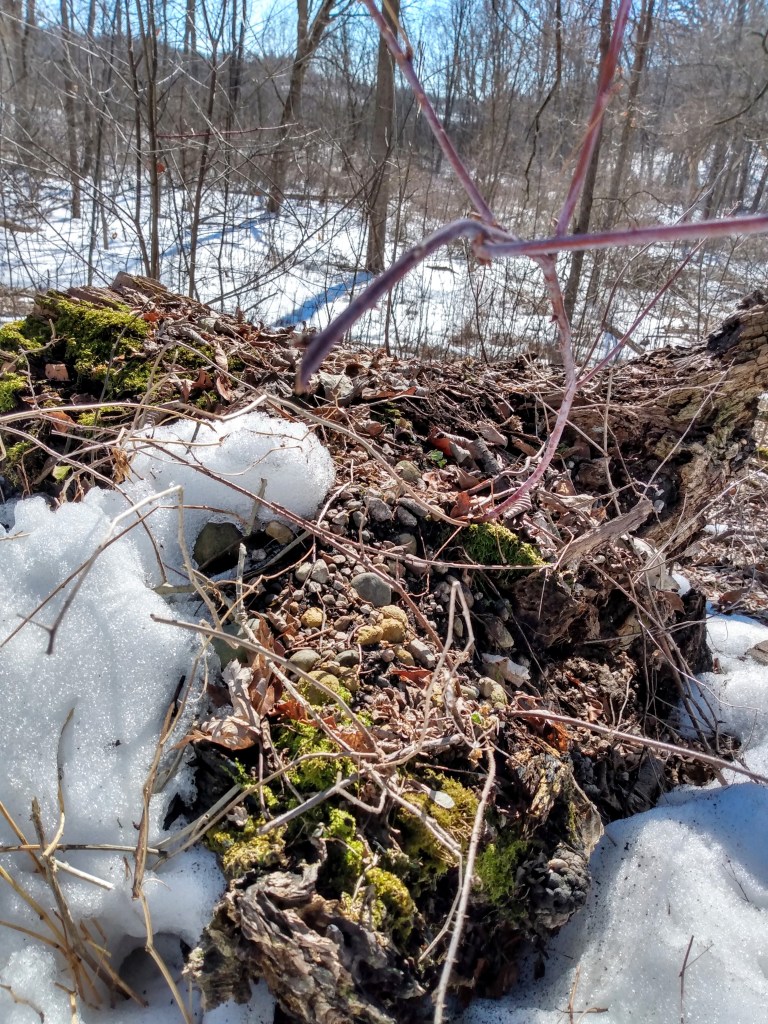
c.

the lake shore muck

an invertebrate paradise

and we share them for a moment
d.

miniature crevasse,

ablation in miniature—

harmless wintertime
sna poems #66: beulah bog

beulah bog is a series of four kettles at the southern end of kettle moraine, which itself was formed by the frictional forces of the green bay lobe and lake michigan lobe of the laurentide ice sheet grinding and sliding past one another over thousands of years in the last ice age.

there are floating mud flats, quaking sedge and sphagnum mats, a tamarack wood, and open water. several species of insectivorous plants live here too, though we didn’t see any this early. shoots were on the make, however, and i think we saw the early stirrings of calla lily and poison ivy. lots of oak debris along the slope descending to the bog-moat that circles the tamaracks. the first hike not on snow in a couple months, which was refreshing.

a.

past the walworth county

line, bogs and kettles

lay in watery wait

b.

bog-edge thaws

a muddy moat

bosoming the larch stand

sna poems #65: snapper prairie

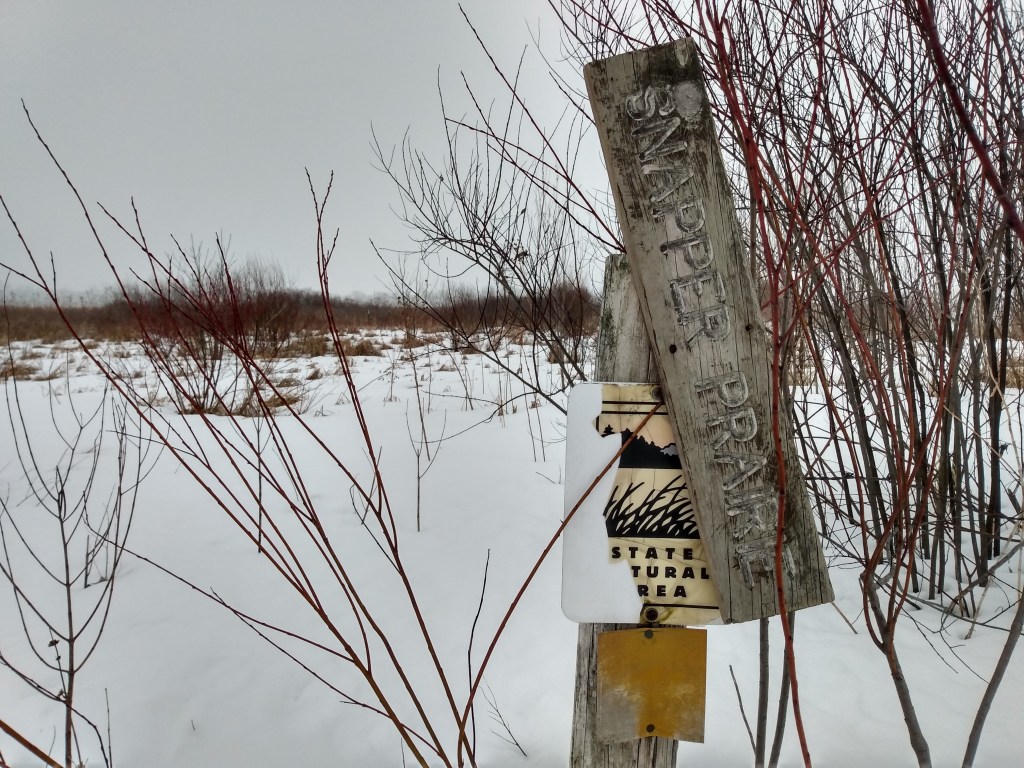
snapper prairie is another remnant prairie that formerly stretched for 2,500 acres in the floodplain of the crawfish river (a tributary of the rock). it floods at times due to the clayey nature of the soil, and there are plants more common to fens present like riddell’s goldenrod, valerian, and an orchid. but of course none of them are out yet.

there’s something very strange about visiting prairies in the middle of winter, when they’re snowfields with desiccated plants poking up out of the white here and there. you know there’s so much life lying hidden and silent beneath that snow just waiting, and the wind blows steadily. it’s difficult to imagine how brilliant the grasses and flowers will look and smell in just a few months. but it’s also good to know this place at a quieter time that is just as much a part of its life cycle(s) as the full bloom of high summer.

a.

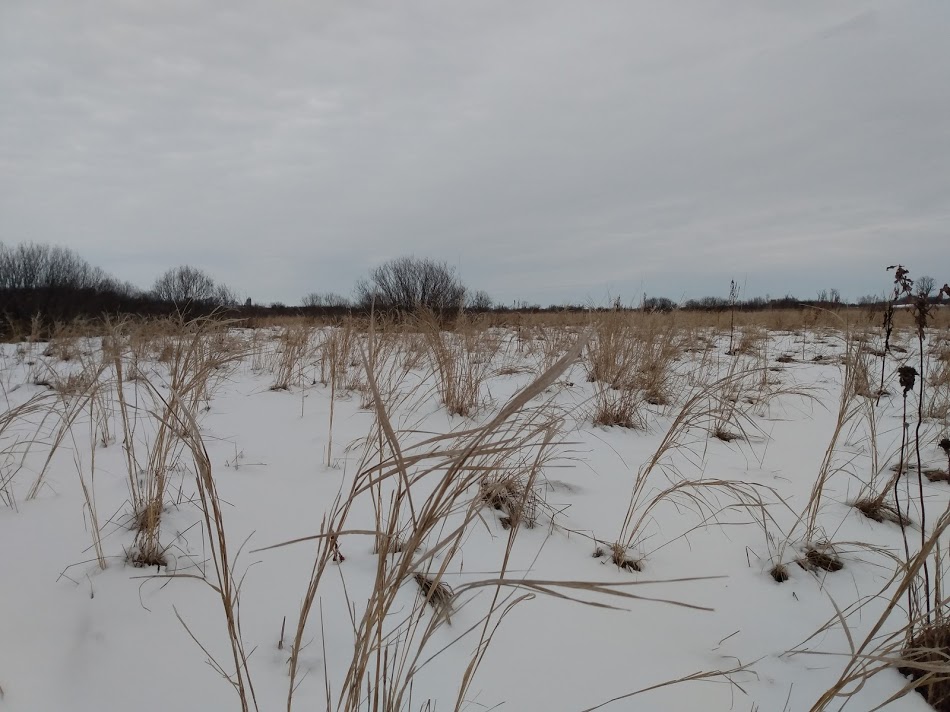
this remnant prairie persists

in the crawfish flood-plain

a meadowlark preserves her perch

b.

the tow-headed fringe

encircles desiccated forbs

all waiting for melt

c.

as i sit and rest

two meadowlarks

sing for themselves

sna poems #64: red cedar lake

red cedar lake is a shallow seepage lake in jefferson county. it sits in what the dnr vividly calls “a marshy pocket of the terminal moraine” and is surrounded by eskers and drumlins. the site is waiting for the return of its herons and bitterns.

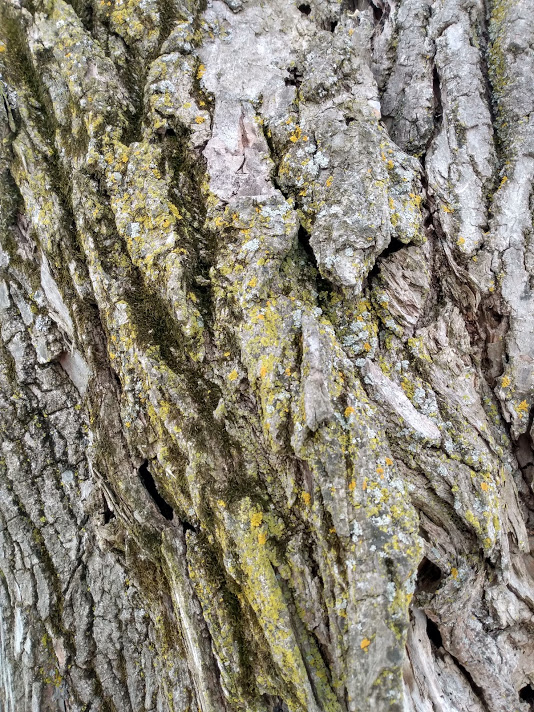
highlights: 1) a stand of tamaracks (american larches) leading down to the lake had shed their needles but were strangely green-tinted from a distance. on closer inspection, they were wonderfully arrayed with colonies of several species of lichen. 2) walking along the frozen lake, we spied several sites where presumably a small mammal (muskrat? raccoon?) dug thru the ice and snow into the marsh soil, leaving plant matter, mud, and the marsh water exposed. (there was also scat on the ice from one: i’ve spared you a photograph.) an interesting late-winter scene.

a.

thru the bottom-lands

the wet earth becomes sky,

a single mass of damp

b.

the marsh has been dug

and smells of seaweed

birds want spring

c.

here in the tamaracks

the lichen thrive

in crusting splendor

d.

a lone black

crow turns

in an ocean of white

sna poems # 63: smith-reiner drumlin prairie

smith-reiner drumlin prairie is another forty-acre plot, part of which didn’t suffer the plow due to the gravelly and sloped nature of the two drumlins (long glacial hills) present here. the prairie is a remnant of a former 7,000-acre prairie and has a beautiful topography. it was a fun ski up and down these hills that resisted “development.” the lowlands here have been re-planted to prairie, and the flower displays will surely warrant a trip back in the spring and late summer. it was a thawing day, the kind in which the air is as wet as the ground and it becomes difficult to discern the difference between sky and earth, especially in the farm fields that dominate the area in jefferson county.

i don’t want to sound too negative in my description of this area, because i am deeply grateful that it is preserved. but a common theme in visiting a number of state natural areas is that settlers (including my ancestors) didn’t develop certain plots primarily because they were the only areas that couldn’t be made economically productive. it’s hard reading that over and over. but yes, thankfully there are features like the drumlins that kept up the resistance!

a.

full moon like cream

behind the fog-skein

still over the prairie grass

b.

this drumlin a whale-road

and we slide along

its resistant curve

sna poems, supplementum anthropocenum # 6: lapham peak

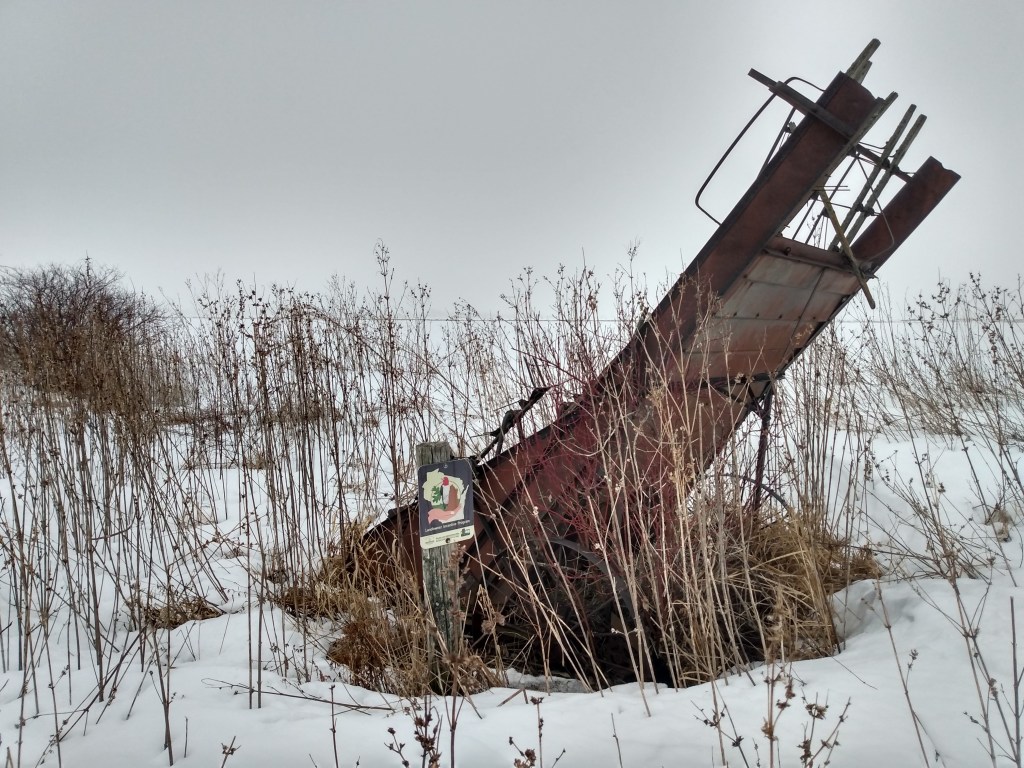
lapham peak is the highest point in waukesha county and is part of the kettle moraine state forest. it’s named after wisconsin’s first serious naturalist and scientist, increase a. lapham. as the sign pictured below notes, lapham made the first national weather service forecast from here in 1870. not bad.

a nice spot, even if the observation tower usually accessible here was closed for the winter.

a.

the land was good to increase

as he ranged from its heights right here

to its rivers’ mounded mouths

b.

the tower’s stout wood

bears the trace of frost

a spiral to the winter sky

sna poems, supplementum #16: kettle moraine state forest, lapham peak unit

lapham peak is a unit of the kettle moraine state forest in south eastern wisconsin. this unit of the heavily glaciated forest is named after wisconsin’s first serious naturalist and scientist, increase a. lapham, and contains the highest point in waukesha county.

anyway, it was about -4 F when i arrived for a ski this morning, with the usual blessings of early-morning skiing in sub-zero temperatures: eyelids freezing to one another, toes that go numb if you stop for more than a minute or two, biting cold on the skin during downhill runs. the kind of stuff that a certain kind of cross-country skier actually thinks is kind of fun. my only regret is that i had trimmed back my full beard a week ago; i would have had an amazing ice-beard by the end had i kept it until today. oh well.

a.

the poles’ tuck into snow

sounds like sandhill cranes

calling aloft for their mates

b.

so cold the pen’s ink rebels

as deer make hungry way by windfall

we’re all here, breathing at dawn

c.

these hills like waves

in a choppy sea

frozen in time

s.n.a. poems #62: waterloo prairie

waterloo prairie is a set of two lowland, wetter grasslands along stony brook in jefferson county, wisconsin. a fen with springs and seepages is also present. blue-joint grass and tussocky sedge are common. we found a stand of snags that were unsettling and were girdled at some point. it was strange. the habitats’ integrity is maintained with prescribed burns.
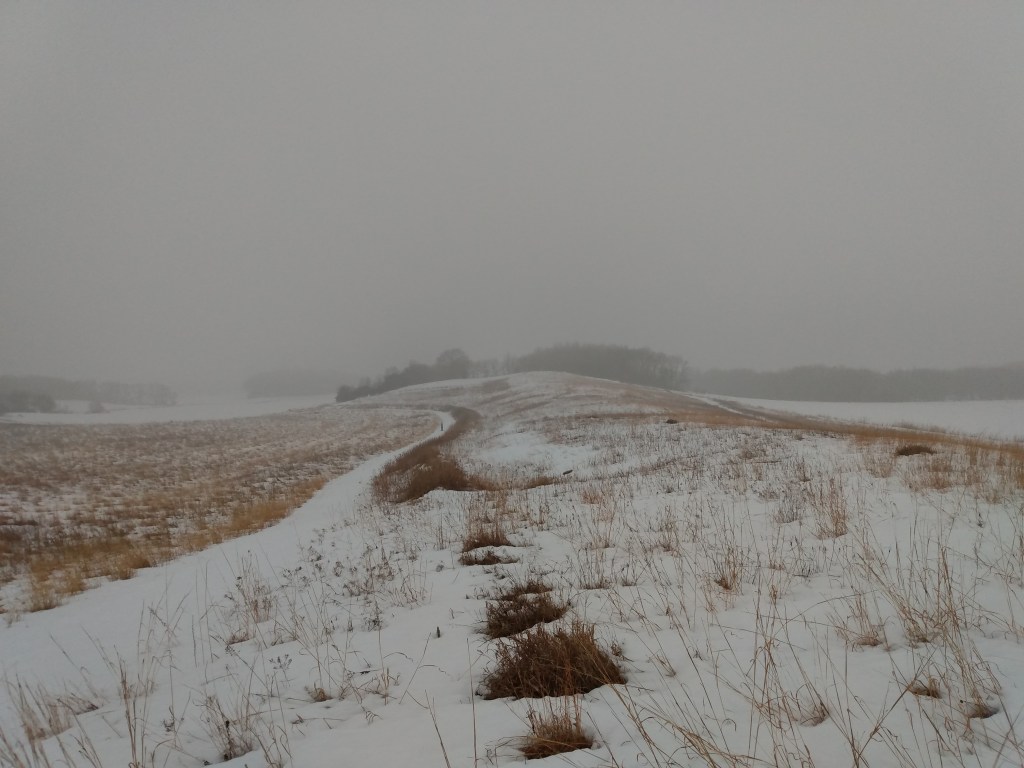
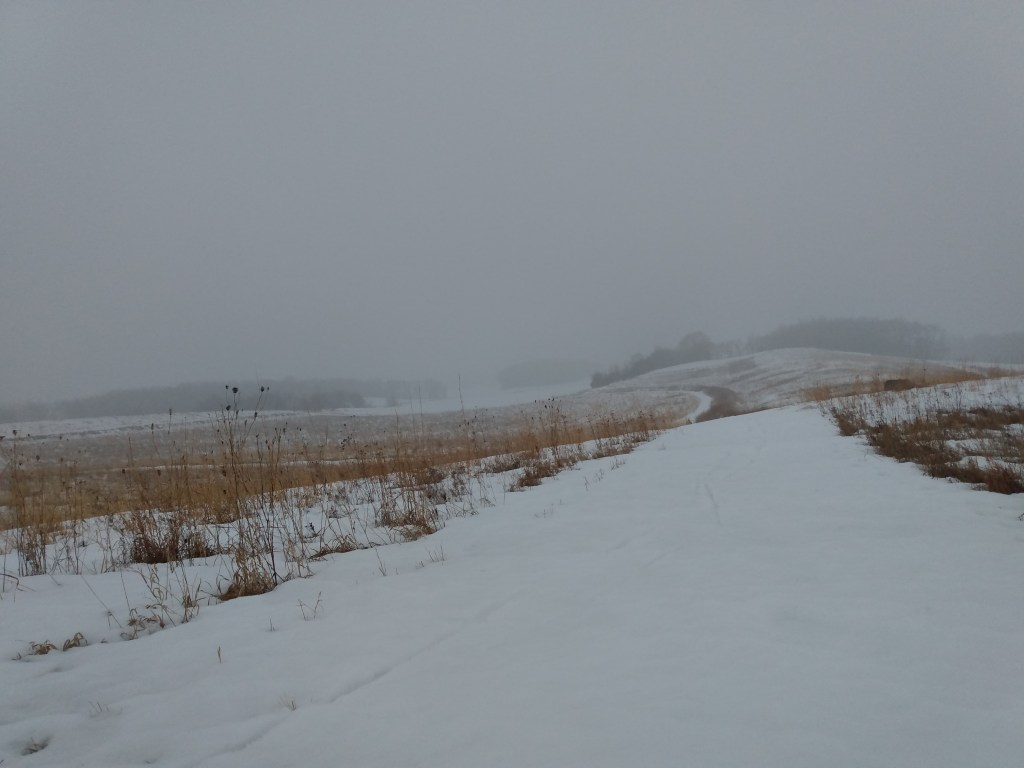
thanks to the dnr for tending this land.

a.

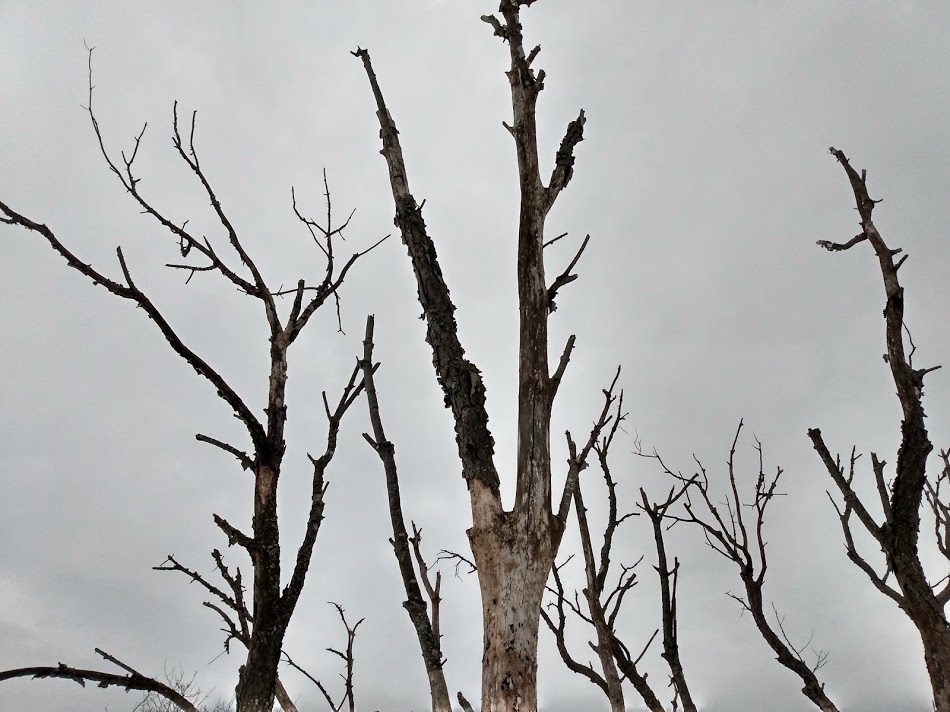
snags line the ditch

and questions for bark:

what was the girdling for?

b.

quiet and soft on the prairie

but mammals press their business

grass clatters at the knee

s.n.a. poems #61: bean lake

bean lake is a seepage lake with a peat bottom. it’s surrounded by tamarack and shrub swamp. the lake usually supports yellow pond-lilies with bulrushes, cattails, and sedges on the edges, none of which were lively at this time of year. the wind, however, was lively, blowing thru the oak and hickory uplands (it was encouraging to see this native complex in the wooded area even if the trees were thicker on the ground than i assume was original), and down thru the tamaracks by the shore. i tried to get a good shot of a tamarack cone, but it just wouldn’t focus close up; oh well.

thanks to the wisconsin dnr for maintaining this patch of earth.

a.

down mud lake road

past the carrion birds

seeking peace

b.

oaks rattle on the knob

and the wind bites bare flesh

winter morning in the swamp

c.

we stand on upland crest

among thorn and hickory

tamaracks sport below

s.n.a. poems #60: mud lake fen and wet prairie

mud lake fen and wet prairie is on mud lake’s southern shore. the calcareous fen surrounds and feeds an inlet to the drainage lake. sedges were thick on the ground, and the peaty soil is—get this—quaking, which means that the peat has built up to the point that the sedge mat is actually floating. it’s a quaking fen! my brother, who was walking with me, put his foot right in it thru the ice. a little scary, but mostly just really cool to see down into the peat, since he was fine. the smell wasn’t “gross” but certainly unique and earthy.

the snow drifts blowing into the sedge and cattails at the edge of the lake were the visual highlight.

thanks to the dnr for tending this land.

a.

we’ve pushed our way thru sedge

to tread on the solid lake

fen-hoppers, grateful for water

b.

hallowed curvature

of the fen drift

a miracle to the eye

c.

cardinals call to one another

in the treetops. lichen and moss

continue growing. there’s life in the snow