three bridges park in milwaukee, wisconsin is a great little prairie on reclaimed land in what was once a wild rice marsh and then a rail-yard. it stretches 24 acres along the menomonee river, and is a welcome oasis in the city.
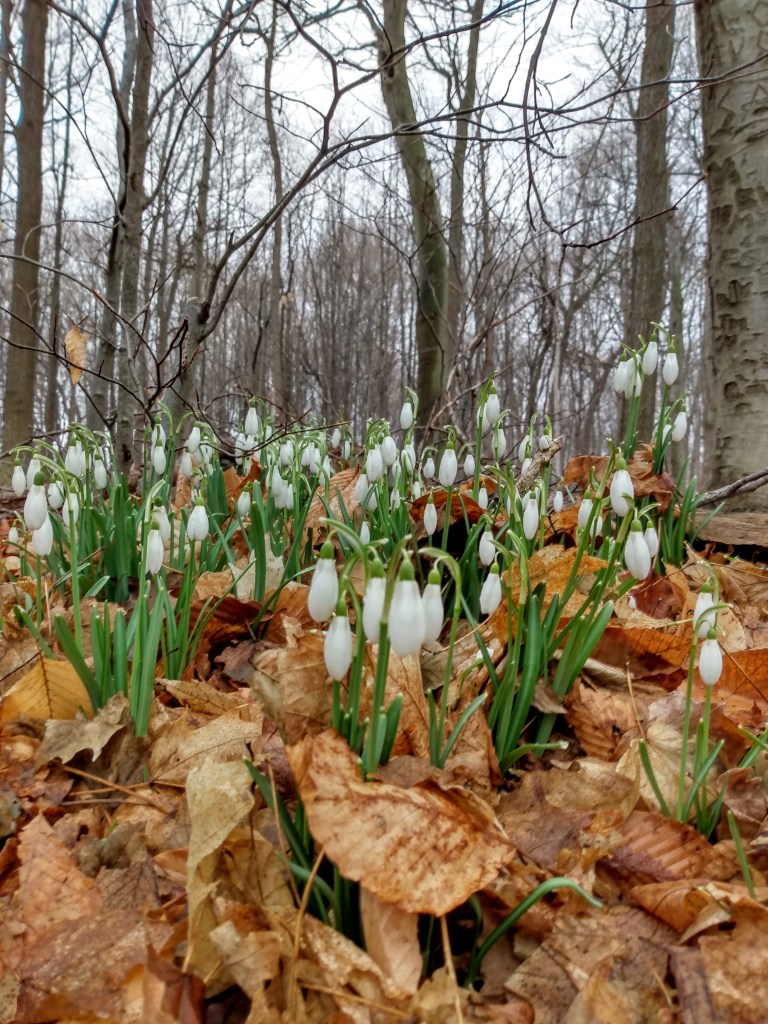
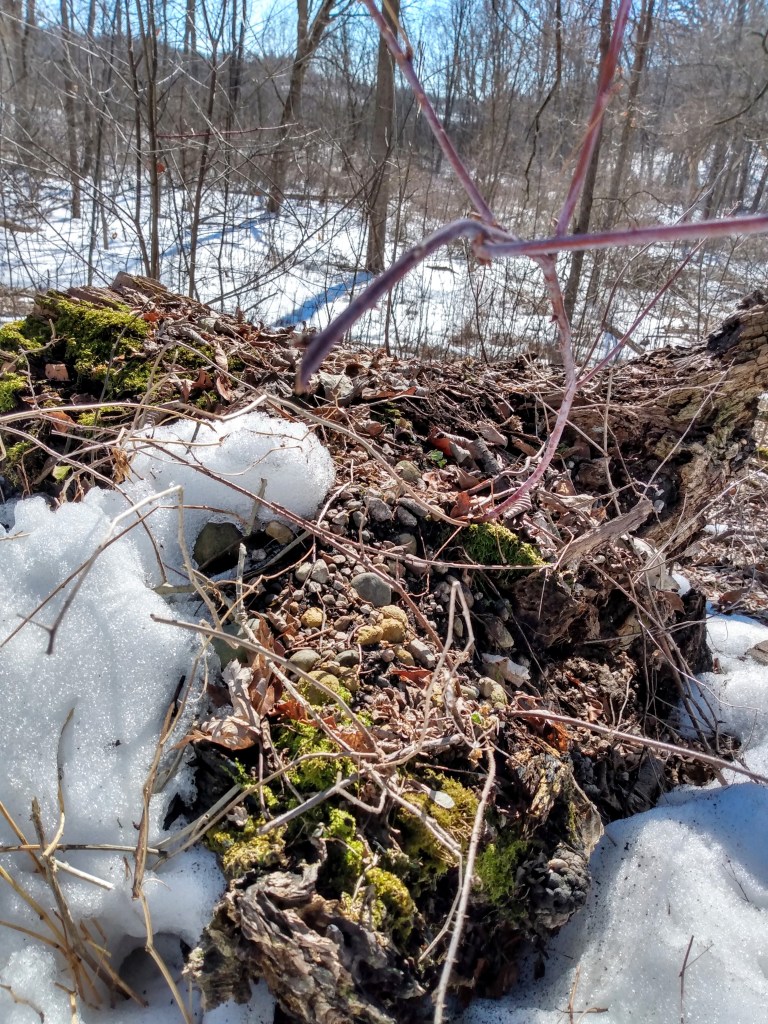
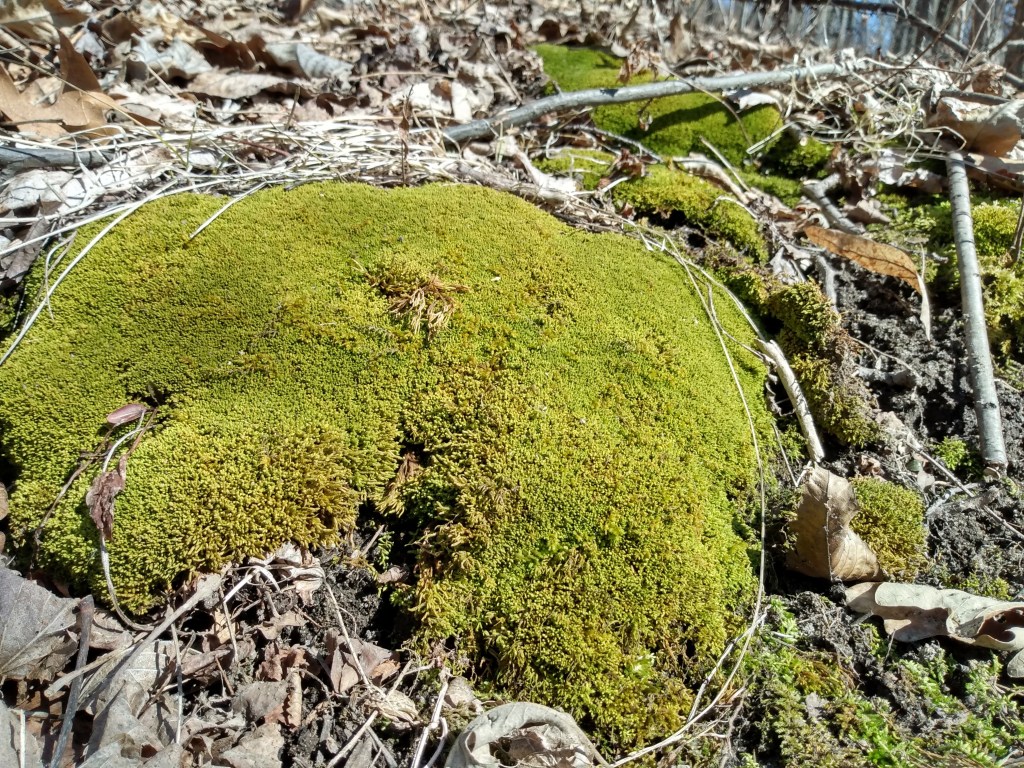
seminary woods, on the property of st. francis de sales seminary in st. francis, wisconsin (sometimes called “the salesianum”), is a relatively undisturbed 68-acre beech-maple mesic forest, with a cemetery and grotto beneath the canopy. it’s a last remnant of the kind of woods that used to line lake michigan, and some massive trees live here, especially beeches. there are a number of bottoms regularly filled with water, and deer stream runs thru-out before emptying into lake michigan. the spring ephemeral display is apparently very impressive, so i’ll be back again pretty soon. the deeper areas have a very distinct, close smell, especially in high summer.
i’m particularly interested in these woods as bernard durward—first professor of english at the seminary and one of wisconsin’s earliest poets, whose poems i’m currently editing with a colleague—must have walked here. the potawatomi deeded the land to franciscan sisters back in 1833, who sold it to the (arch)diocese of milwaukee for a seminary in 1855.
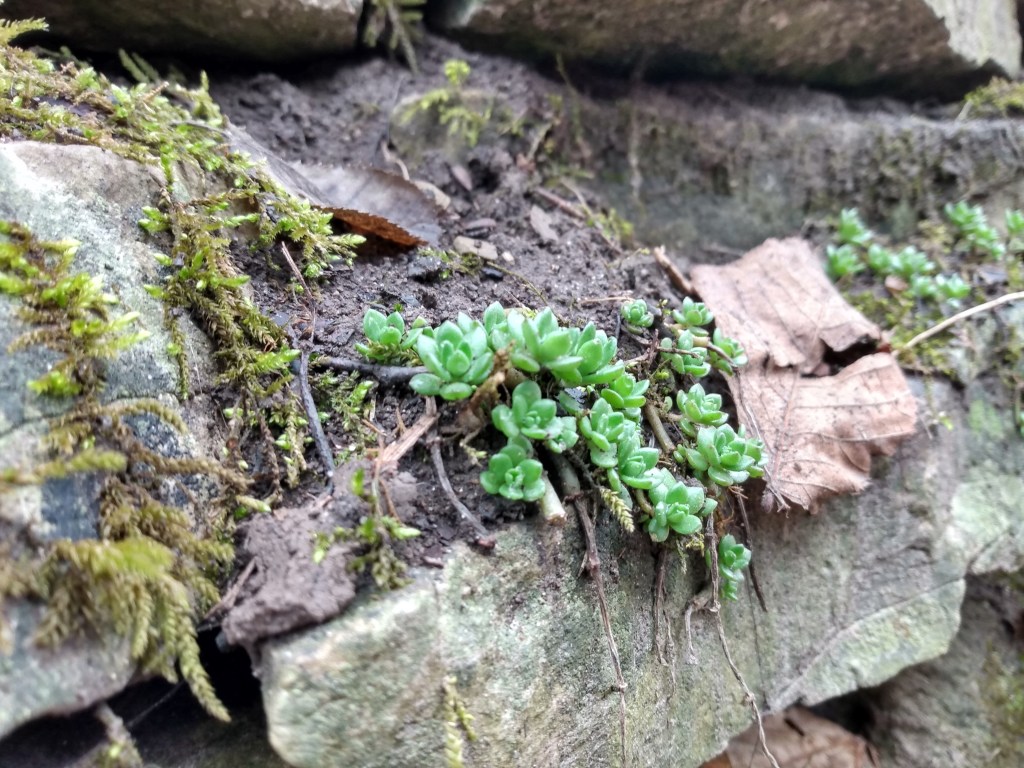
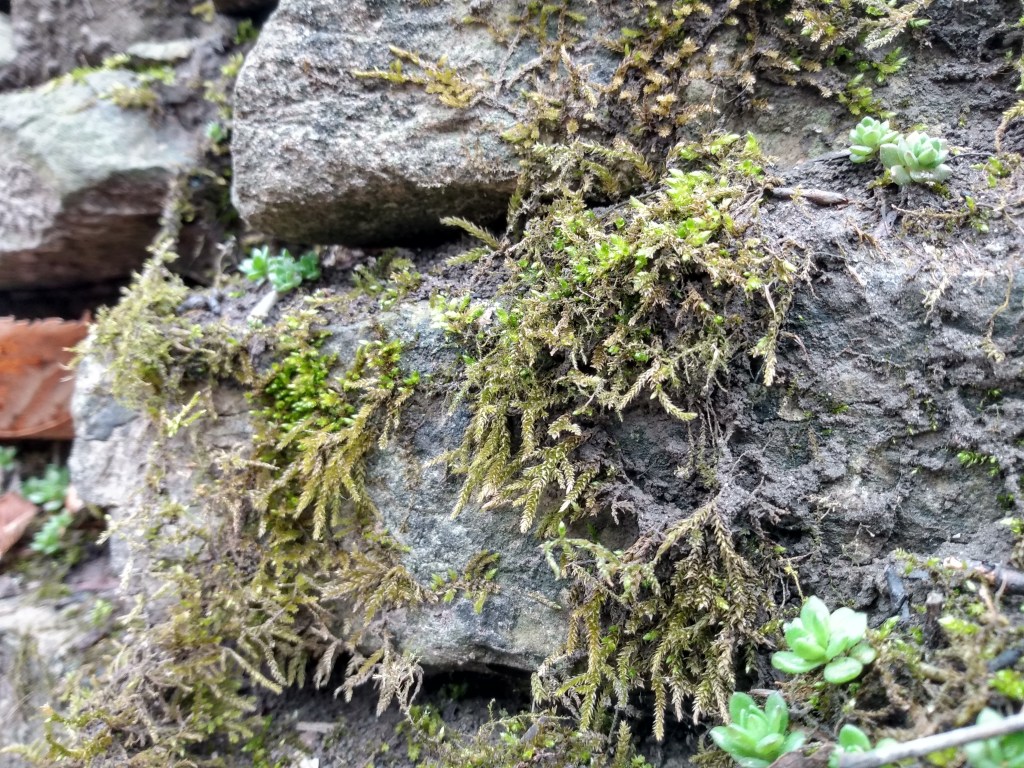
lulu lake is almost 1,200 acres of preserve in the southern kettle moraine, with a kettle lake fed by the mukwonago river and nestled in the lowlands of glacial desposits, fenlands, sedge meadow, shrub carr, and a bog, and with oak openings and prairie in the uplands. rare fish, mussels, and plants are protected here, though that was difficult to see in this early stage of the spring thaw. but we did see evidence of the non-native plant removal that is helping keep the oak openings thriving. the diversity of this area deserves another visit when warmer weather has arrived for sure.
thanks to the wisconsin chapter of the nature conservancy and the wisconsin dnr for tending this land too!
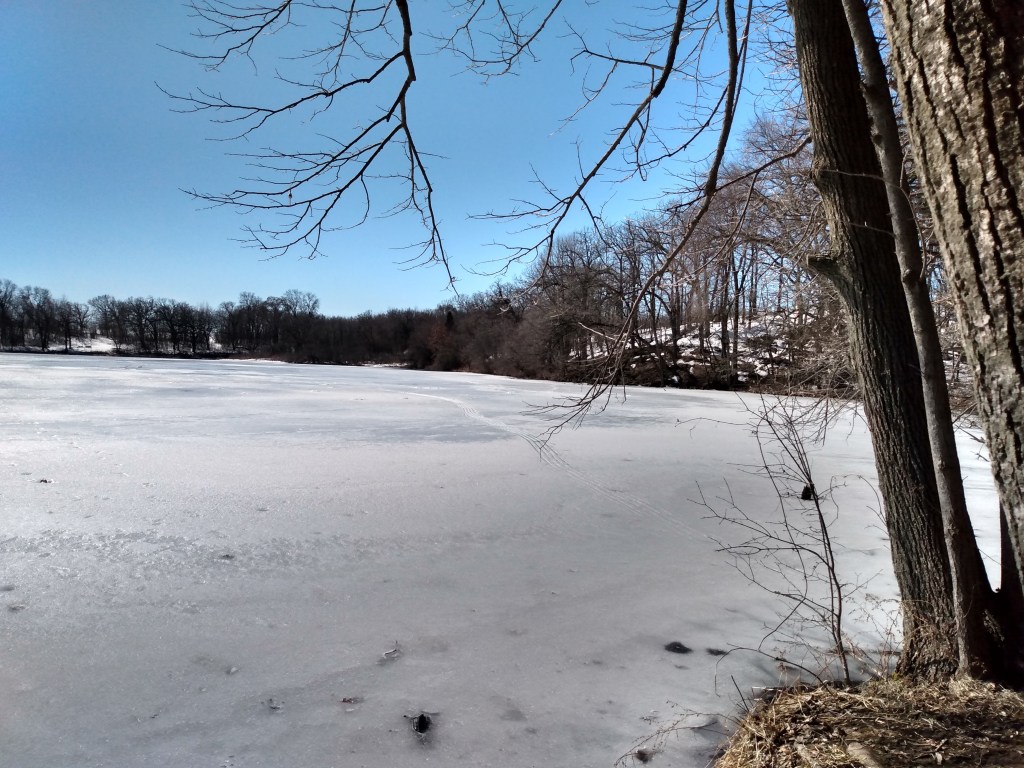
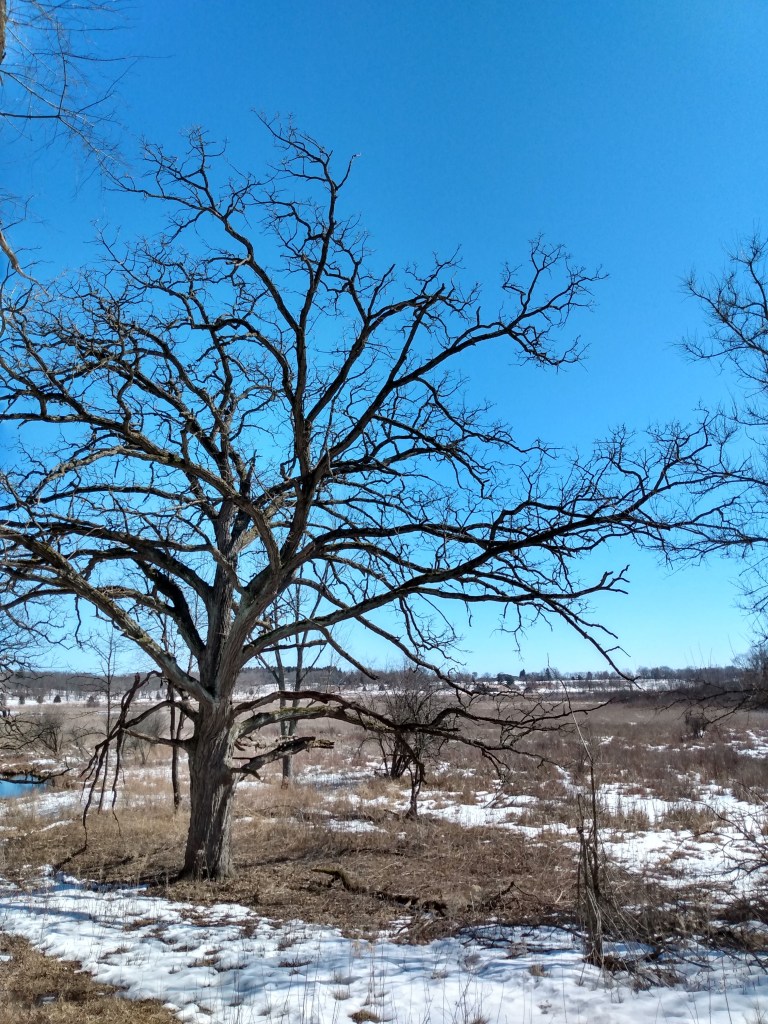
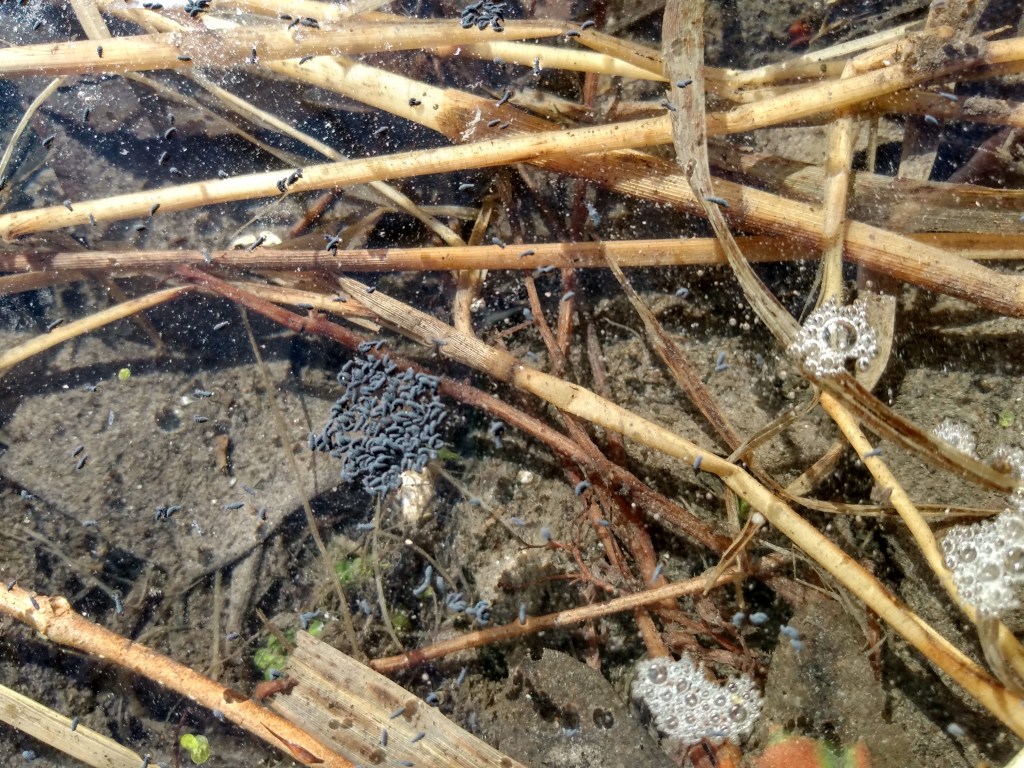
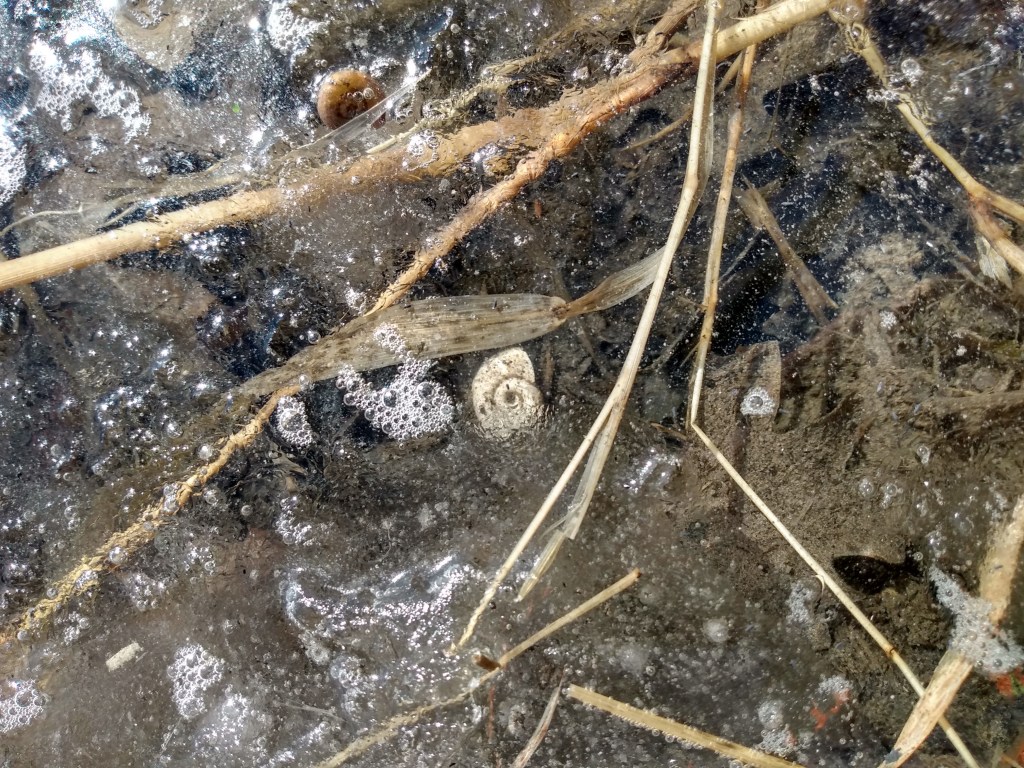
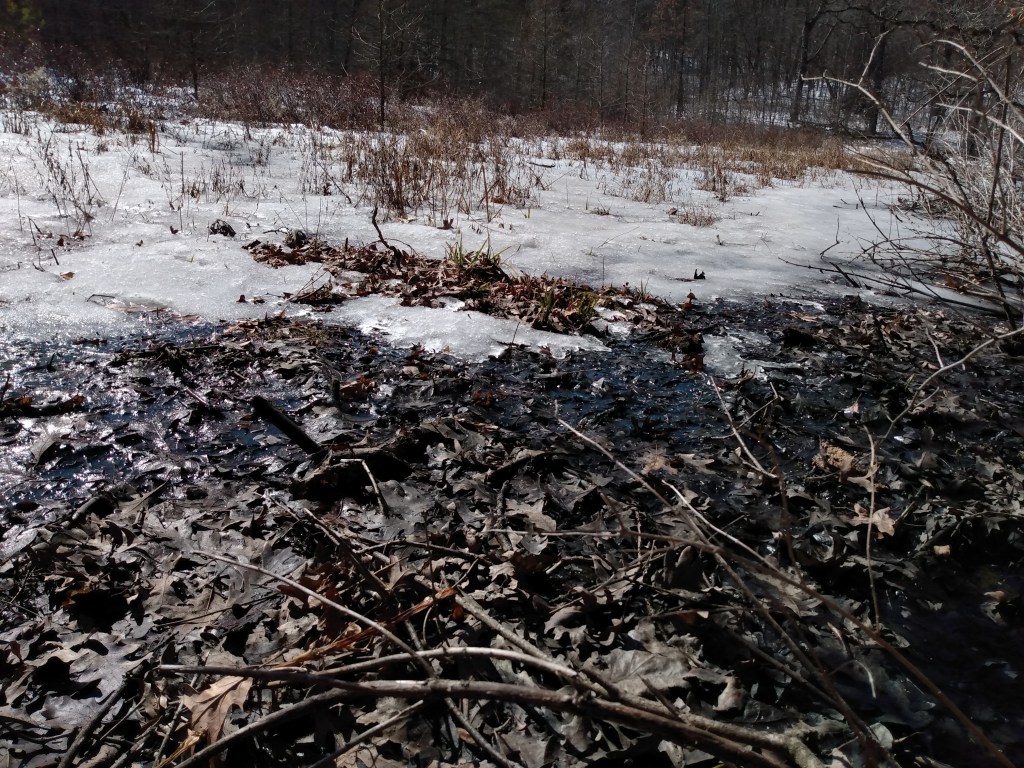
pickerel lake fen is, well, a lake and a fen. the calcareous fen is large, seeping out of a glacial ridge, and is one of the most biologically diverse fens in s.e. wisconsin. the lake is still frozen but the edge is thawing to reveal all sorts of small life if the eye will rest long enough to see. the uplands are turning back to prairie after being farmed, and good tall oaks in their openings dot the fen-edge. several plants are protected here.
thanks to the wisconsin chapter of the nature conservancy for tending this land.
beulah bog is a series of four kettles at the southern end of kettle moraine, which itself was formed by the frictional forces of the green bay lobe and lake michigan lobe of the laurentide ice sheet grinding and sliding past one another over thousands of years in the last ice age.
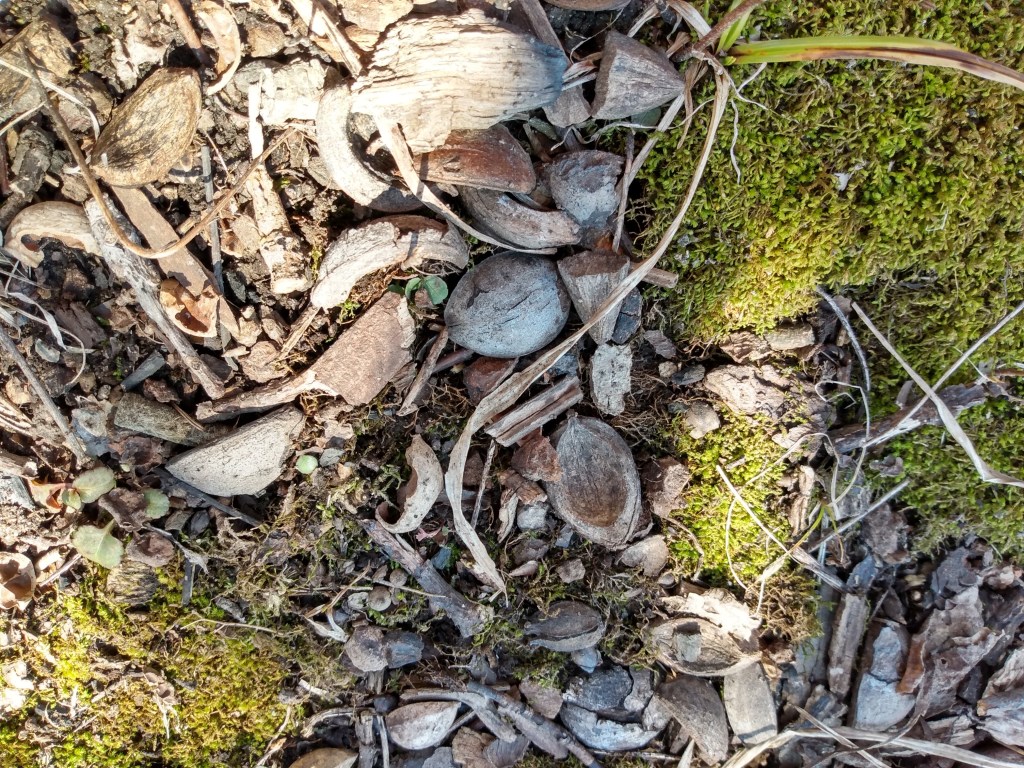
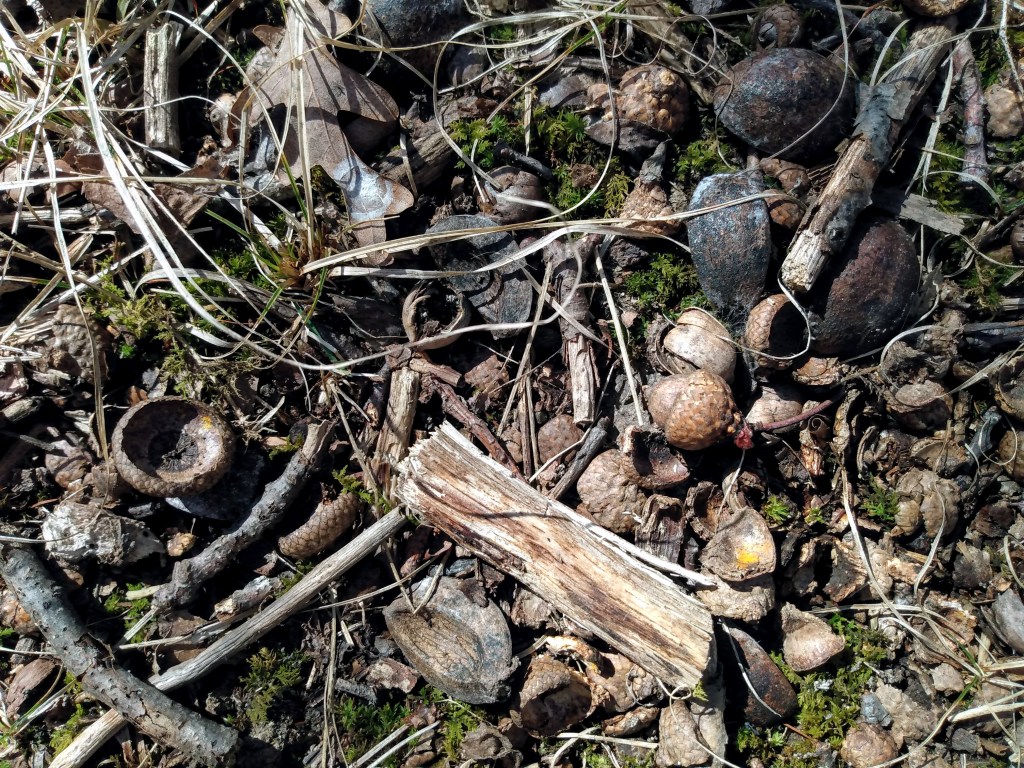
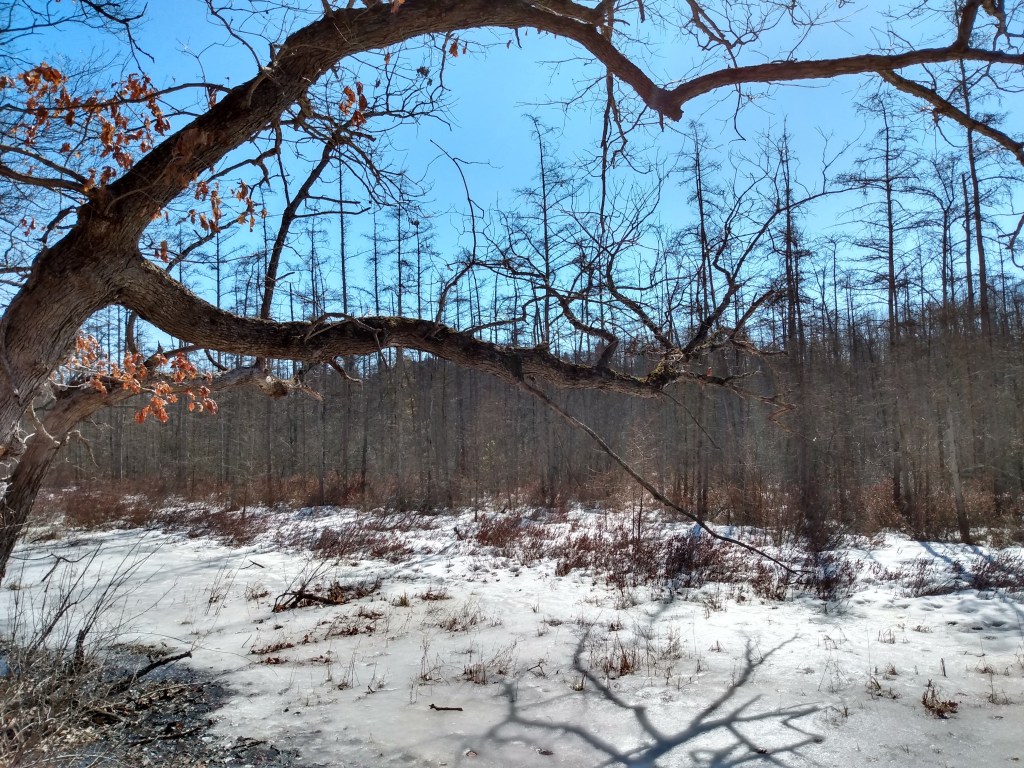
there are floating mud flats, quaking sedge and sphagnum mats, a tamarack wood, and open water. several species of insectivorous plants live here too, though we didn’t see any this early. shoots were on the make, however, and i think we saw the early stirrings of calla lily and poison ivy. lots of oak debris along the slope descending to the bog-moat that circles the tamaracks. the first hike not on snow in a couple months, which was refreshing.
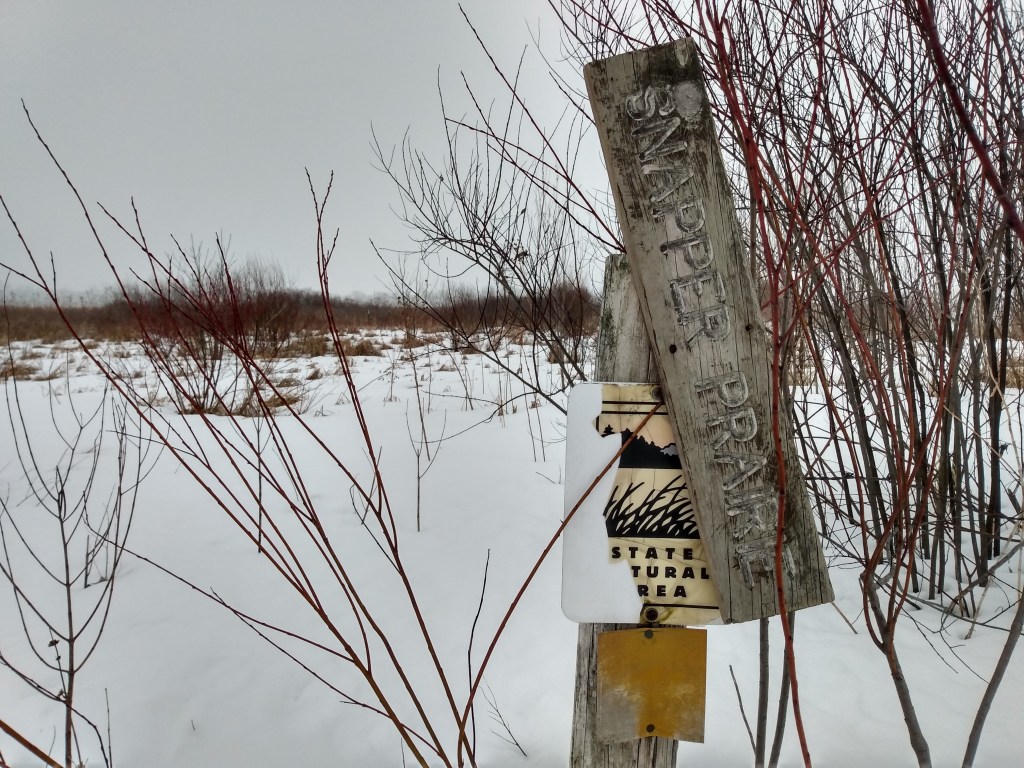
snapper prairie is another remnant prairie that formerly stretched for 2,500 acres in the floodplain of the crawfish river (a tributary of the rock). it floods at times due to the clayey nature of the soil, and there are plants more common to fens present like riddell’s goldenrod, valerian, and an orchid. but of course none of them are out yet.
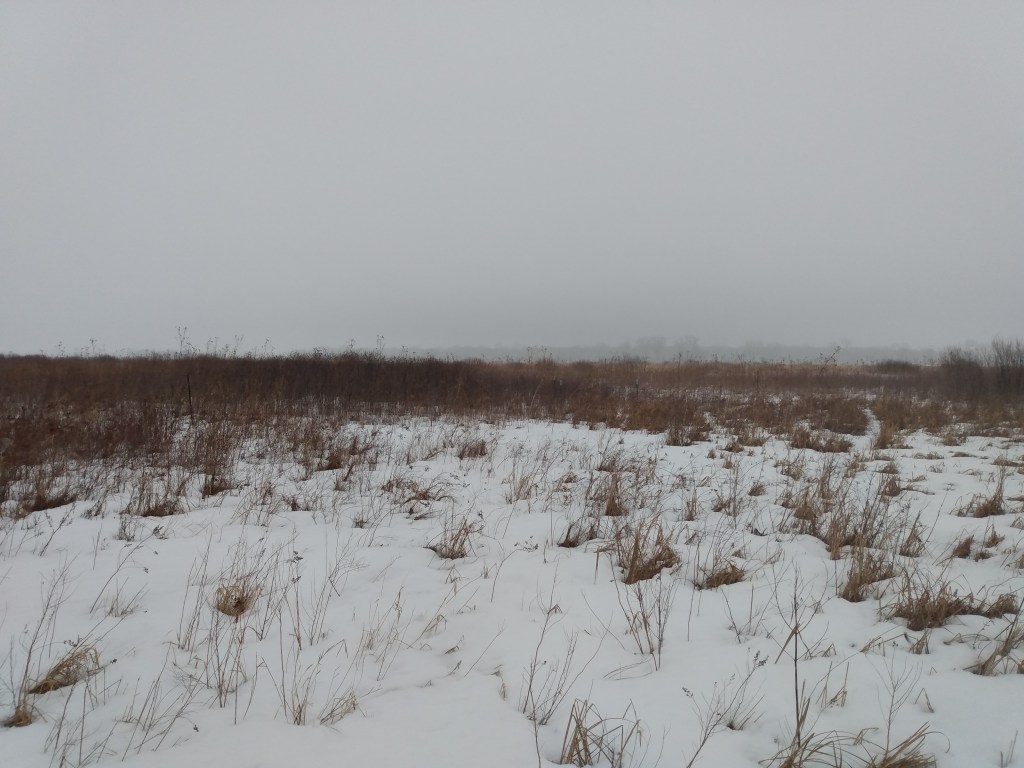
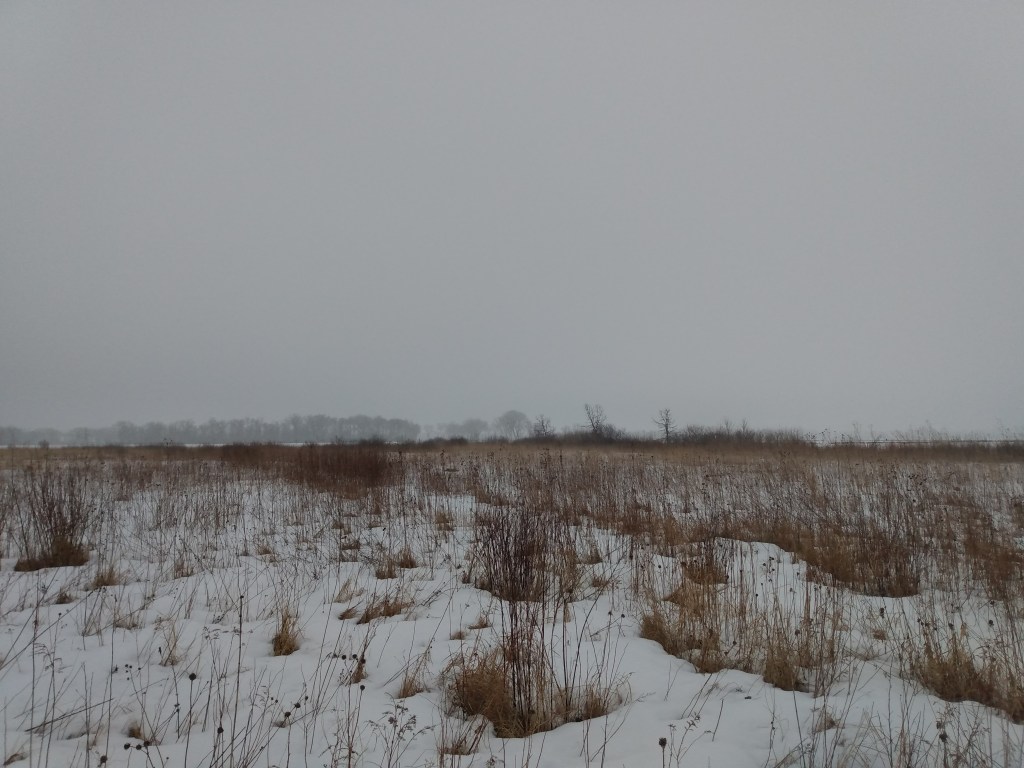
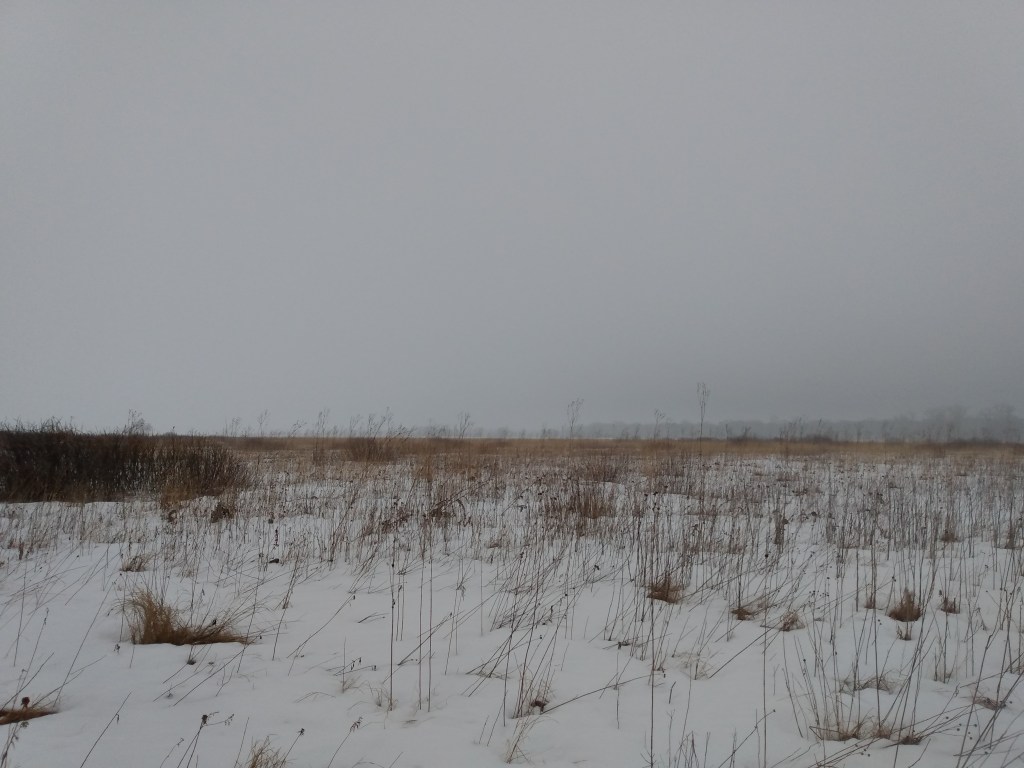
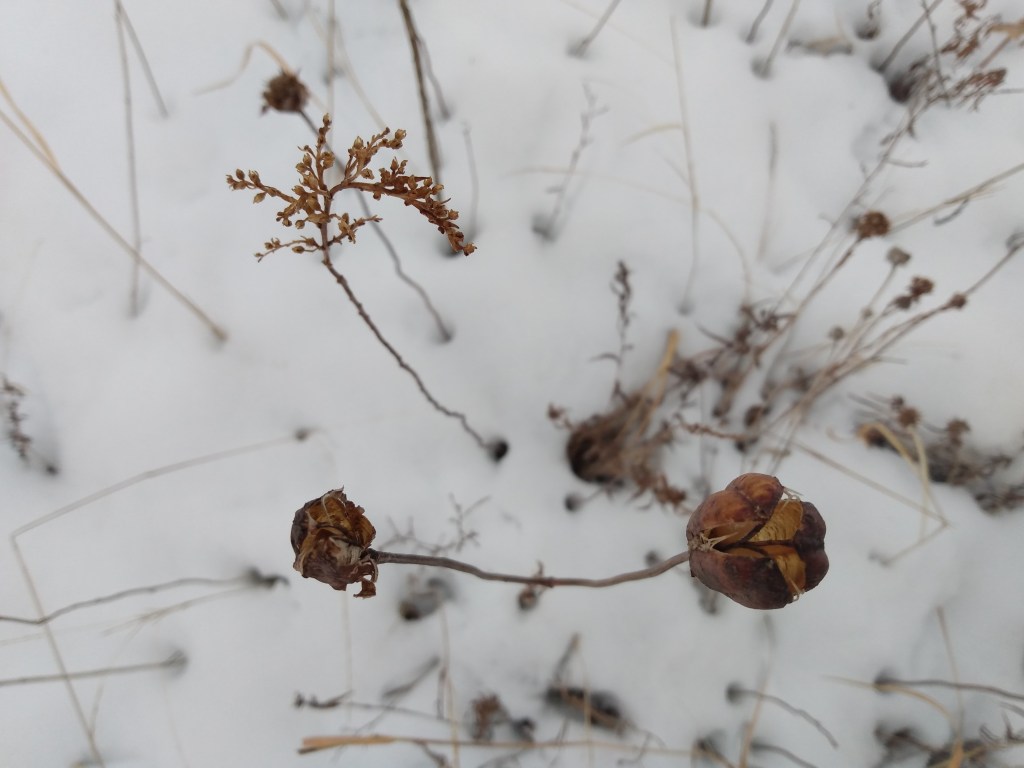
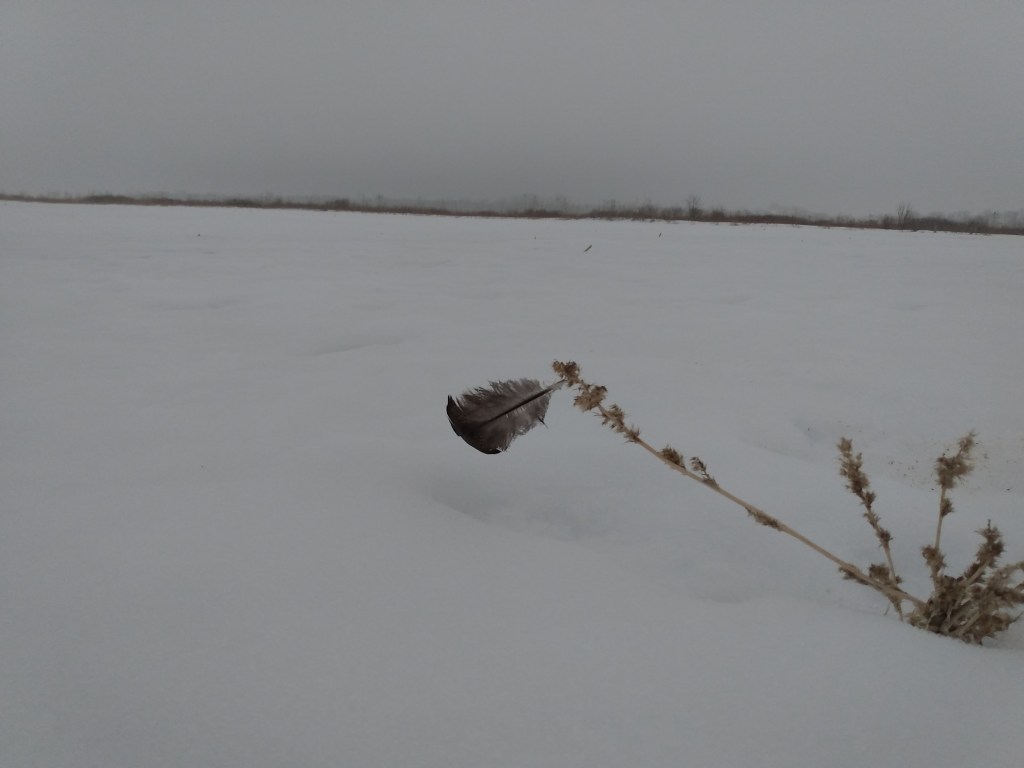
there’s something very strange about visiting prairies in the middle of winter, when they’re snowfields with desiccated plants poking up out of the white here and there. you know there’s so much life lying hidden and silent beneath that snow just waiting, and the wind blows steadily. it’s difficult to imagine how brilliant the grasses and flowers will look and smell in just a few months. but it’s also good to know this place at a quieter time that is just as much a part of its life cycle(s) as the full bloom of high summer.
red cedar lake is a shallow seepage lake in jefferson county. it sits in what the dnr vividly calls “a marshy pocket of the terminal moraine” and is surrounded by eskers and drumlins. the site is waiting for the return of its herons and bitterns.
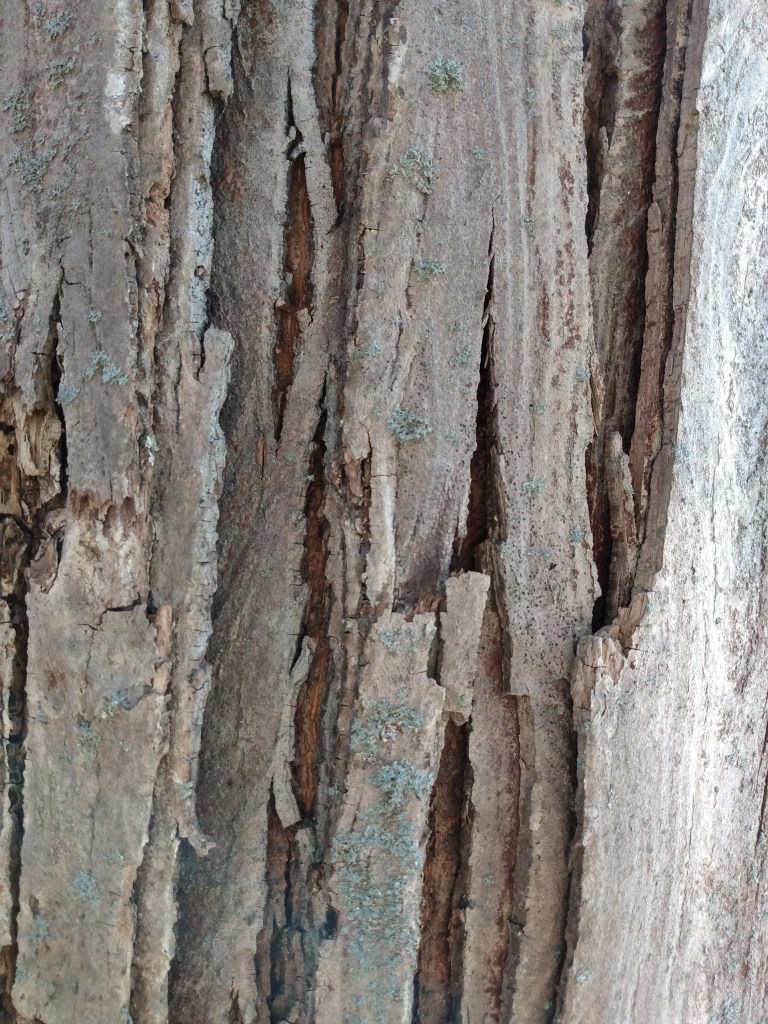
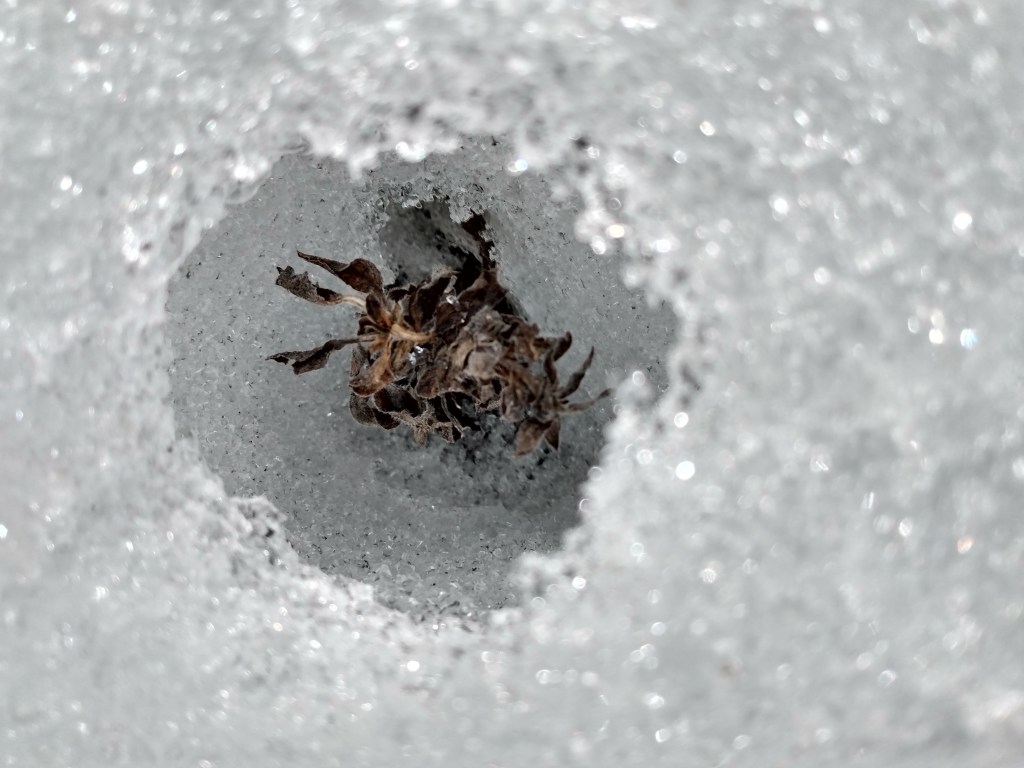
highlights: 1) a stand of tamaracks (american larches) leading down to the lake had shed their needles but were strangely green-tinted from a distance. on closer inspection, they were wonderfully arrayed with colonies of several species of lichen. 2) walking along the frozen lake, we spied several sites where presumably a small mammal (muskrat? raccoon?) dug thru the ice and snow into the marsh soil, leaving plant matter, mud, and the marsh water exposed. (there was also scat on the ice from one: i’ve spared you a photograph.) an interesting late-winter scene.
smith-reiner drumlin prairie is another forty-acre plot, part of which didn’t suffer the plow due to the gravelly and sloped nature of the two drumlins (long glacial hills) present here. the prairie is a remnant of a former 7,000-acre prairie and has a beautiful topography. it was a fun ski up and down these hills that resisted “development.” the lowlands here have been re-planted to prairie, and the flower displays will surely warrant a trip back in the spring and late summer. it was a thawing day, the kind in which the air is as wet as the ground and it becomes difficult to discern the difference between sky and earth, especially in the farm fields that dominate the area in jefferson county.
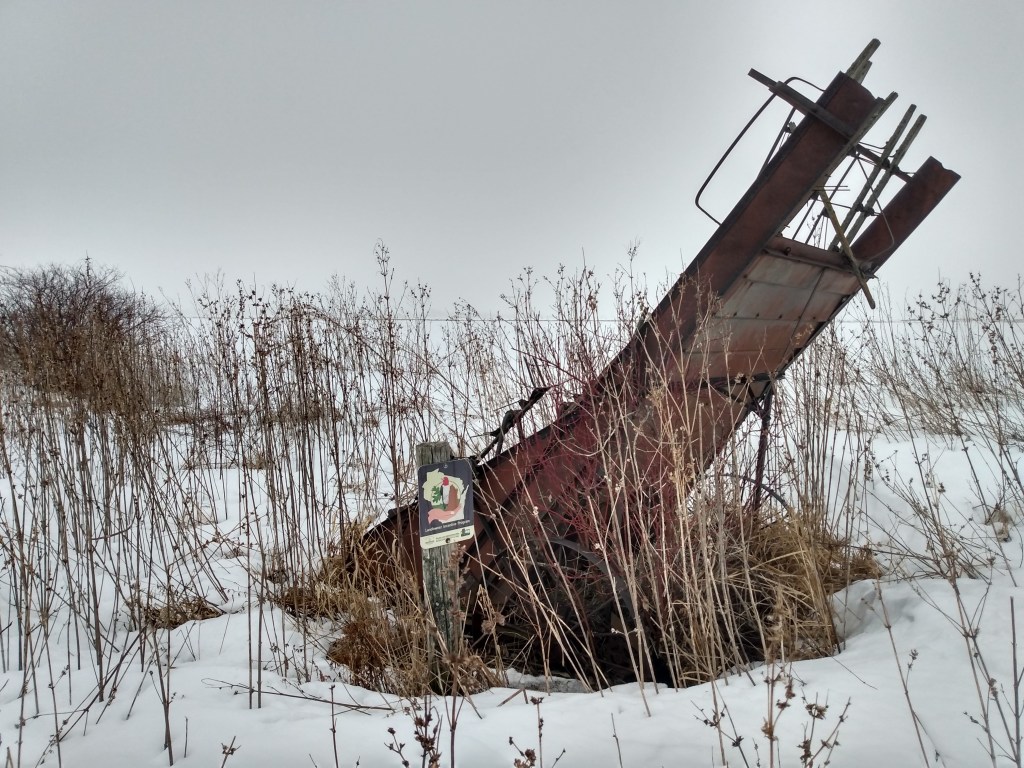
i don’t want to sound too negative in my description of this area, because i am deeply grateful that it is preserved. but a common theme in visiting a number of state natural areas is that settlers (including my ancestors) didn’t develop certain plots primarily because they were the only areas that couldn’t be made economically productive. it’s hard reading that over and over. but yes, thankfully there are features like the drumlins that kept up the resistance!
A short poem of mine has just appeared in the new issue of The Solitary Plover, a journal dedicated to the memory and work of Lorine Niedecker. Niedecker, one of Wisconsin’s great poets of place (the greatest?!), grew up on the same river I did, the Rock, and I’ve grown very fond of her work over the last couple years.
I invite you to have a look at my poem (p. 5), but also all the other poems collected in this issue, as well as the essay on the haiku volumes in Niedecker’s personal library. Good work being done in Fort Atkinson, Wisconsin!
As it continues snowing here in southeastern Wisconsin, it is a prime season for reading Old English poetry, which seems so at home in the cold and frost and dreary skies.
So, I thought I’d send a short Old English poem out into the world. I translated this little poem (mircro-poetry before micro-poetry!) in my chapbook that St. Francis University Press put out several years ago. Its editorial title is “A Proverb of Winfrid’s Time” and is found in an early-tenth-century manuscript copy of St. Bonfiace’s (born “Winfrid”) letters. It’s the earliest independent verse proverb in the English language that we know of. Text and audio below.
.
Old English:
Oft daedlata dome foreldit,
sigisitha gahuem, suuyltit thi ana.
.
Present Day English:
The idle man puts off glory
and fruitful deeds—then dies alone.
If you’re interested in some poetic translations of less frequently translated Old English poems, and some originals, you can pick up a copy of the chapbook on Amazon here.