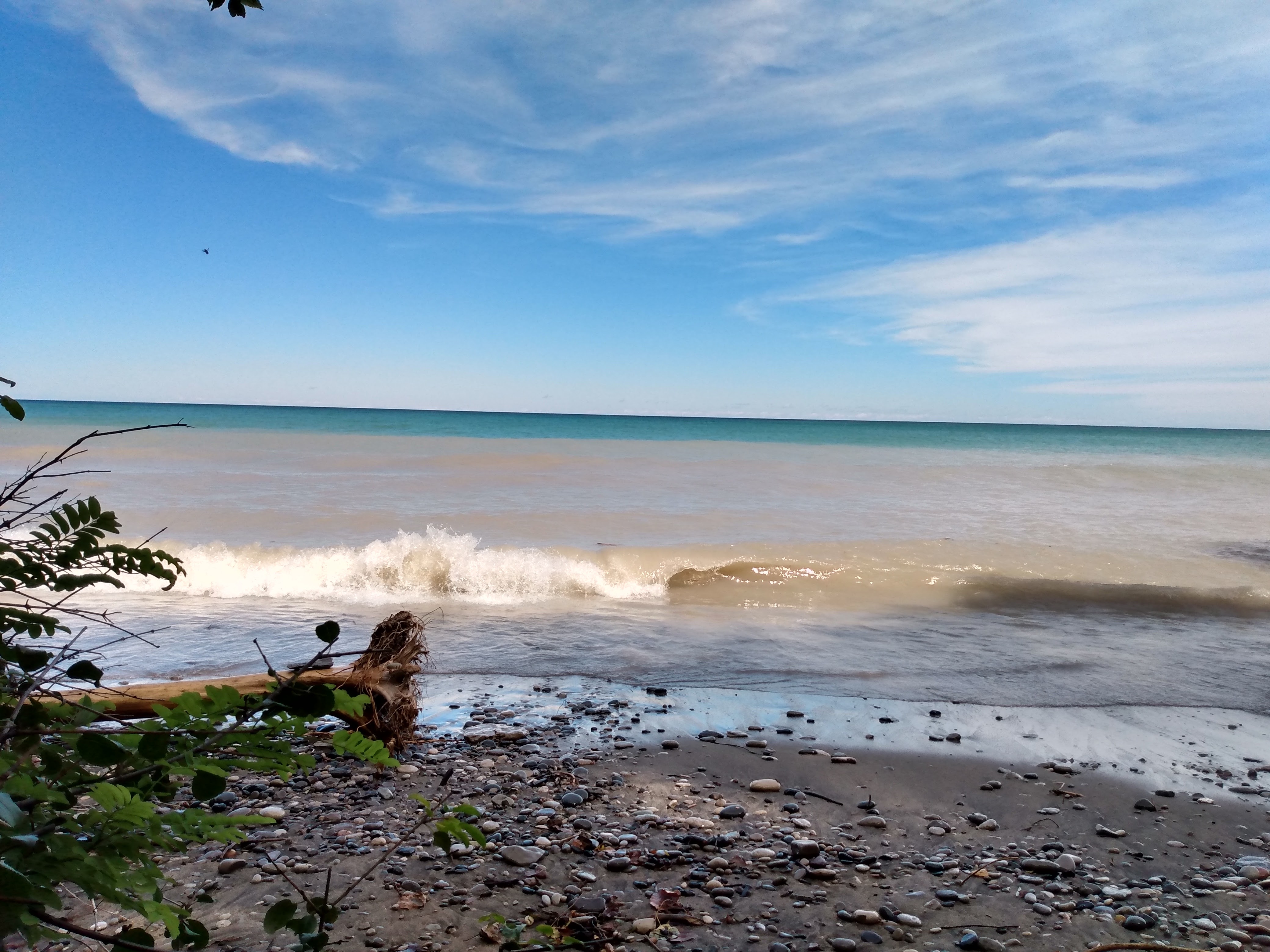
waves crash, children sing
as the world seems to be burning
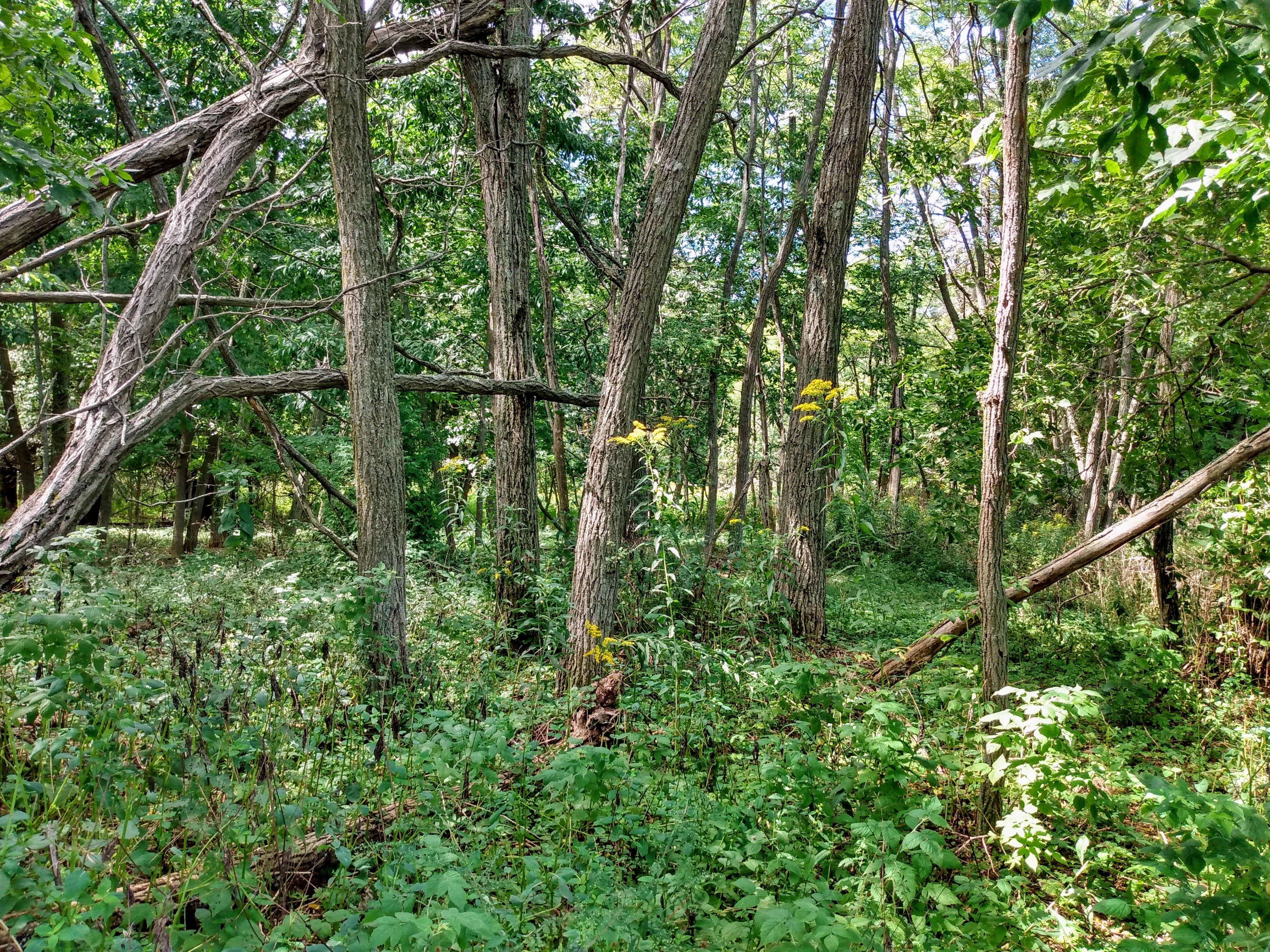
golden torches in the wood

goldenrod in the understory

michigami
waves crash, children sing
as the world seems to be burning
golden torches in the wood

goldenrod in the understory

michigami
In an anxious week for a variety of reasons, I wanted to put something positive out into the virtual world, if for my own sake if no one else’s—though I hope you might find some enjoyment here too.
Here’s audio of a poem from my collection Sunk in Your Shipwreck, about a night spent sleepless in a tent outside Chicago, IL (it’s more positive than it sounds).
Peace!
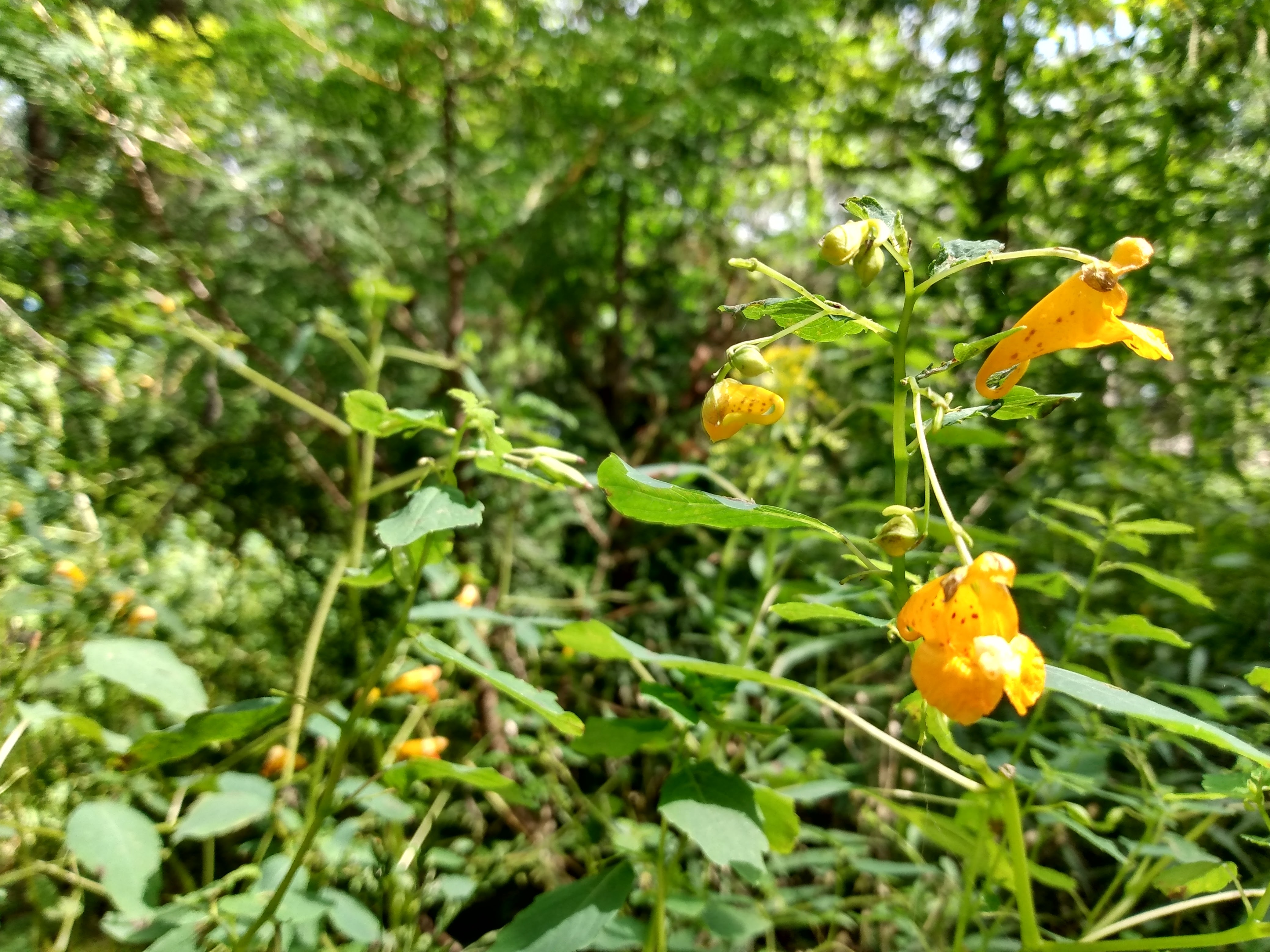
jewelweed nods agreement
as Turtle marches on
clear sky thru oak leaves

jewelweed

turtle effigy mound facing south

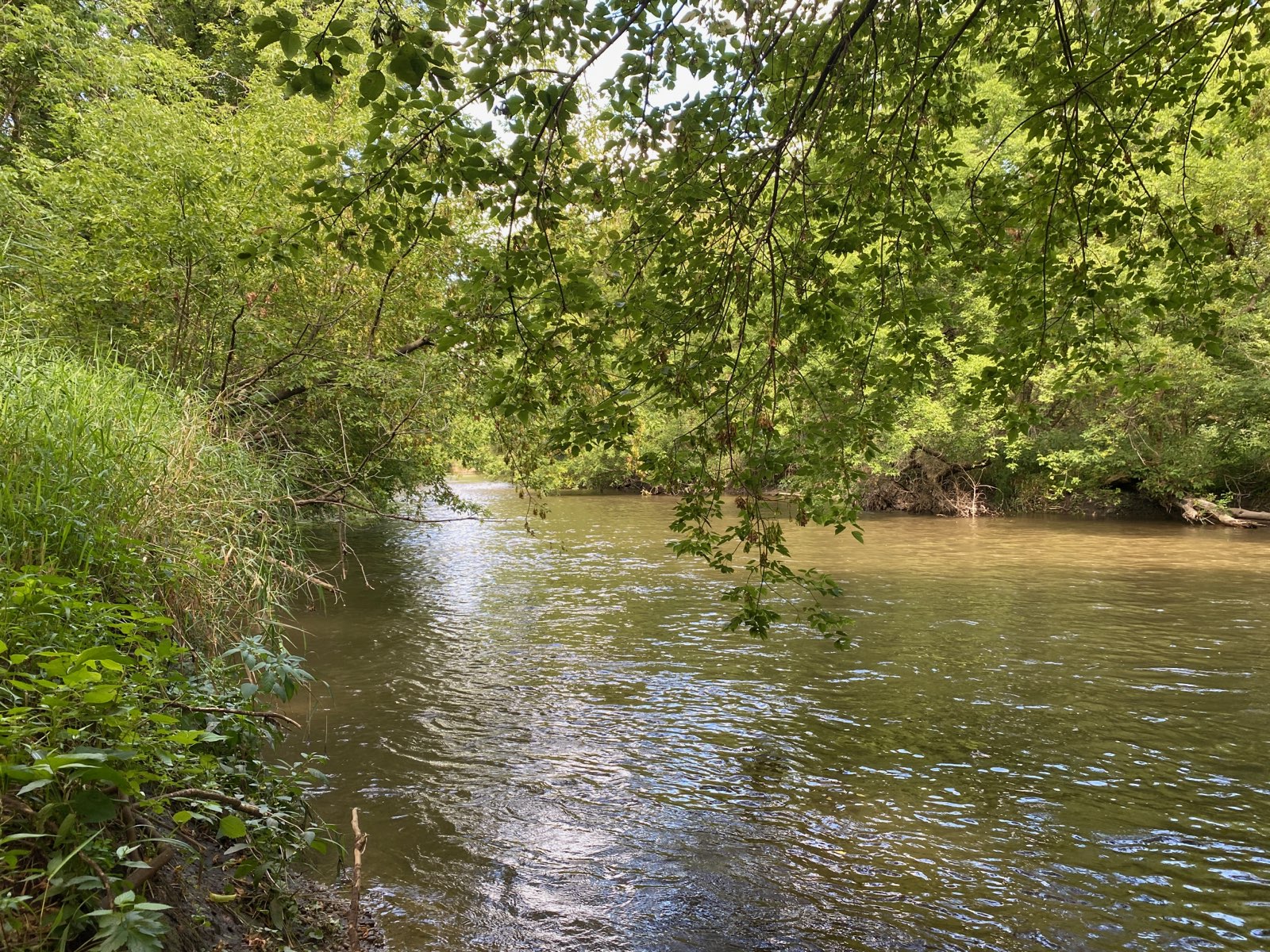
trail to turtle creek

turtle creek

our welcome sign
Thanks to the City of Beloit for maintaining this area and preserving this effigy mound (and the smaller mound to the east).
the rock calls us home
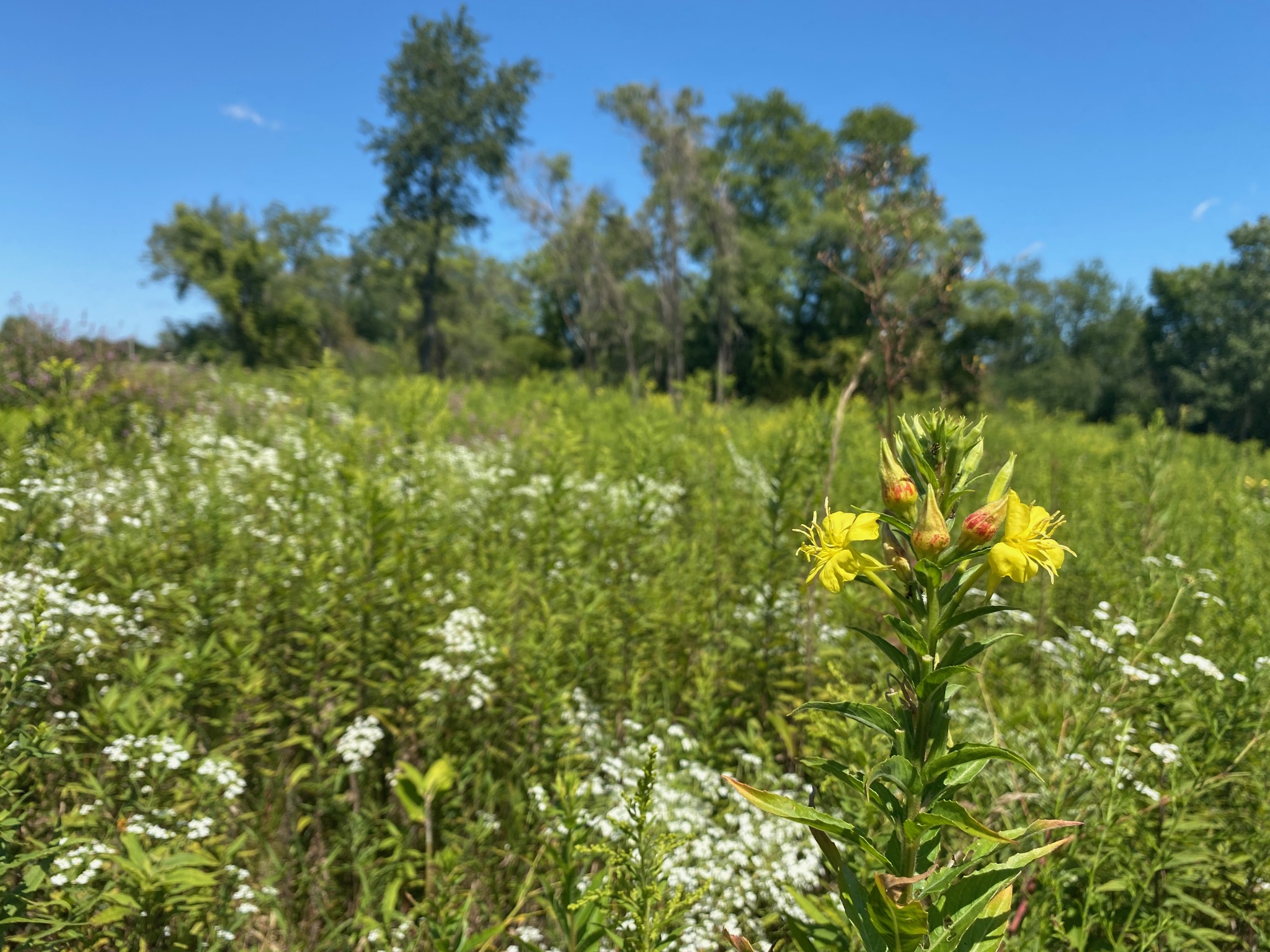
evening primrosing with open arms
waves and waves of petal


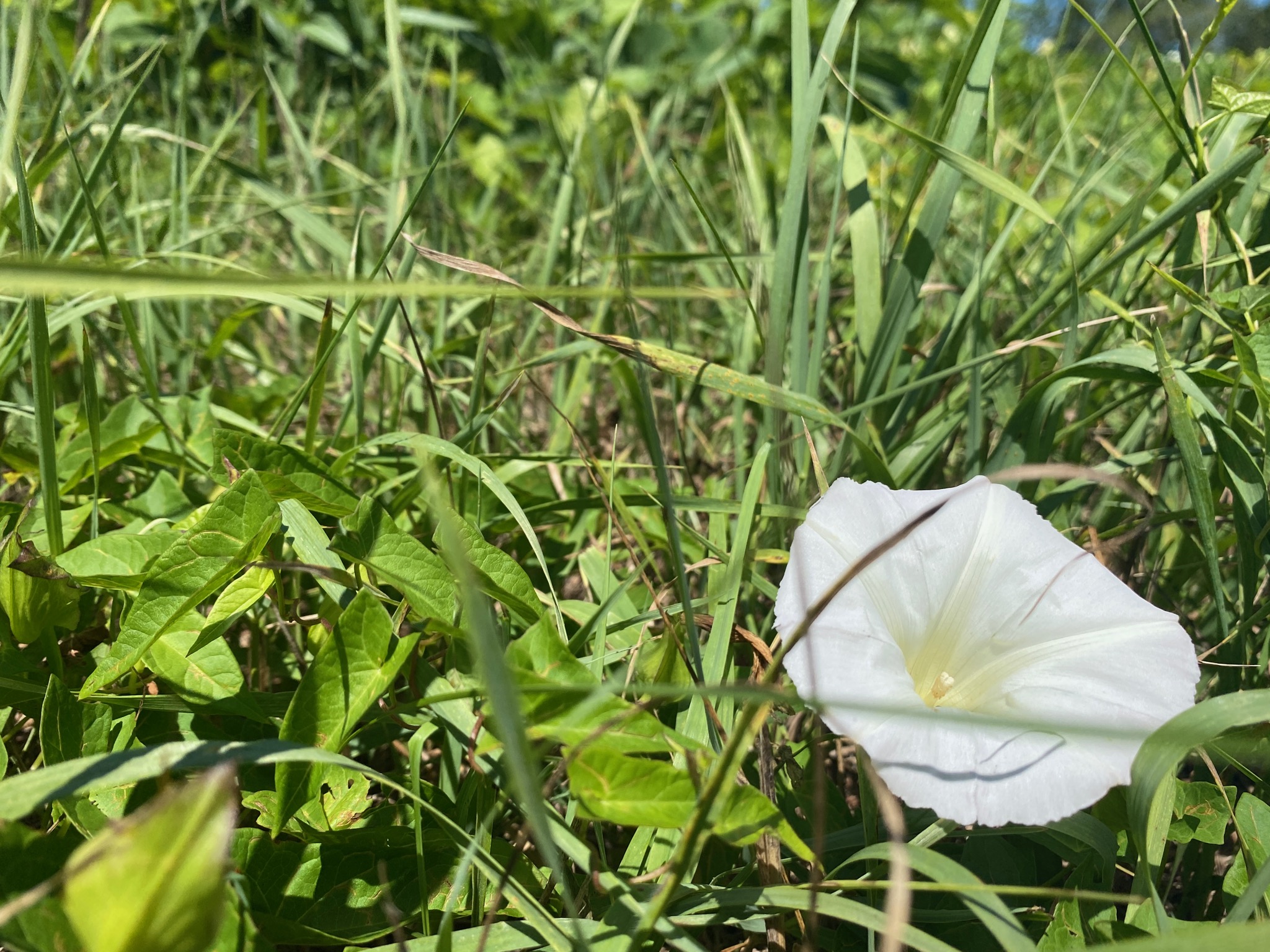
(Some evening primrose and field bindweed growing in the prairie and its edge.)
Rock River Prairie SNA is a dry prairie above the Rock River b/t Janesville and Beloit. Lots of grasses and flowers, though woody species are encroaching. Still great for a walk, and several first IDs on flowers. Thanks to the Wisconsin DNR for tending this plot of earth.
As anyone who is familiar with me, my writing, and my teaching knows, I am a big fan of the arcane, the obscure. And that’s in keeping with my personality and the way I live my life. And so I do not often weigh in on politics and social movements, as I prefer to be private, keep my peace, and cultivate charity and openness where I actually am.
But in recent months with all that’s been going on, I did feel a need to contribute something to the surge in attention to the racial inequalities and injustices in American society. But I did it in a bit of a round-about way, as I tend to do. In response particularly to Fr. Bryan Massingale’s interview with Commonweal that I heard several weeks ago, I wrote up an essay that Dappled Things just published on their blog, “deep down things.”
It’s certainly an “in-house” argument pitched primarily at fellow Catholics, but I hope that it would be of interest to any person of good will. While its argument is about the nature of the Church, it is exactly in its surprising structural and cultural diversity that my point could mean something of import to both Catholics and anyone else “looking in” on this internal reckoning going on right now.
Anyhow, for what it’s worth.
Second installment for St. Benedict’s feast day!
Here is my reading (with a small cameo from my daughter) of Dame Gertrude More’s (1606-33) poem to her master in the monastic life, St. Benedict.
Dame Gertrude was a Benedictine nun in exile on the continent and a great contemplative of the early modern period when the English Catholic Church persevered thru persecution. You can pick up a copy of her poems and shorter prose here if you like.
A nice one in common meter. Enjoy!
A happy St. Benedict’s day to all!
On this big feast for Benedictine and Cistercian monastics and their oblates and associates, I thought I’d post some new audio of Benedictine poetry I’ve translated or edited over the last few years.
Today’s first installment: a short poem from Swami Abhishiktananda (aka Dom Henri Le Saux, OSB; 1910-1973). “OM Wholly Burnt” is a dense little poem with lots of pathos included in a letter to Swamiji’s disciple, Swami Ajatananda (Marc Chaduc) written toward the end of his life.
Here’s the audio:
redwings and frogs in the rushes
call—croak—call
earthtime marshmusic

porcupine lumbers clumsy
a nameless karst swale
into his whitecedar root home
silence all around

the ridges sanctuary was the first land trust set up in wisconsin, in 1937. among other features, the main point of interest is the series of ridges and swales that resulted from the lowering of lake michigan’s shoreline. due to its ancient history, its southward facing, and its proximity to lake michigan, the ridges contain largely boreal forests similar to those found far northwest in wisconsin, while the swales mostly contain marsh and bog flora. they are a sight to behold. this unique ecosystem makes the site one with a high ratio of rare plants in the midwest. –oh, and we saw a porcupine!
special thanks to the ridges sanctuary, inc. for protecting this site for almost a century!
photo credit on amanita above and porcupine: mamie riyeff again
bryophyte elders
thallus-thick, mossgrown
small-talk on the pineduff path

toft point state natural area is a 732-acre piece of land in door county, wi tucked between two bays. with boreal forest, mesic forest, and sedge meadow and swampland, it boasts one of the most diverse bryophyte communities in the state. it was a distinctly different feeling walking thru these woods.
thanks to uw-green bay and the wi nature conservancy for maintaining this patch of earth.

I don’t usually put purely personal moments on this blog, but on my recent trip up north to Door County, my family was able to watch two amanita mushrooms go thru their life cycle over a couple days. While this was not the famed “fly agaric” (Amanita muscaria), all the amanitas I’ve found in the wild have a similar air and stateliness.
I first started learning about amanitas from R. Gordon Wasson and Terrence McKenna a loooong time ago; while I don’t agree with their theories much any longer, I think their passion for the fly agaric and related mushrooms is understandable to anyone who has come across them in a secluded forest or a mountain clearing.
I think they belonged to the American species cluster called “gemmed amanita,” but couldn’t be sure–I’m happy for anyone to enlighten me if they know better!
Here’s one of the mushrooms: note the distinguishing features of the volva (the bulbous base from which the stalk grows) and the universal veil remnants (the “worts”) on the cap.