beside hwy 1 in california, just as one descends on big sur from the north, lies garrapata state park and its bluff trail. we went up and down the mazey path along the bluff, enjoying the persuasive breeze and bare sun on the bluffside. and the flowers! clinging to the rock and sand for dear life all around.
in addition, one of the strangest sights i’ve ever come across: on the initial passage out to the bluff side, one comes upon a cove, and as i walked out to the overlook on a dusty path to spy the cove in more detail a massive corpse met my eyes, a whale deceased in the surf, gently tossing. i hesitated to take pictures, but didn’t want to hide the encounter and fall prey to the temptation to romanticize the natural world. it was a pity to see, but the vultures were already getting ready to eat for days, and many other creatures were surely going to be fed for longer. so it’s here, as the last set of pictures at the bottom; don’t scroll all the way down if you’d rather not see, please.
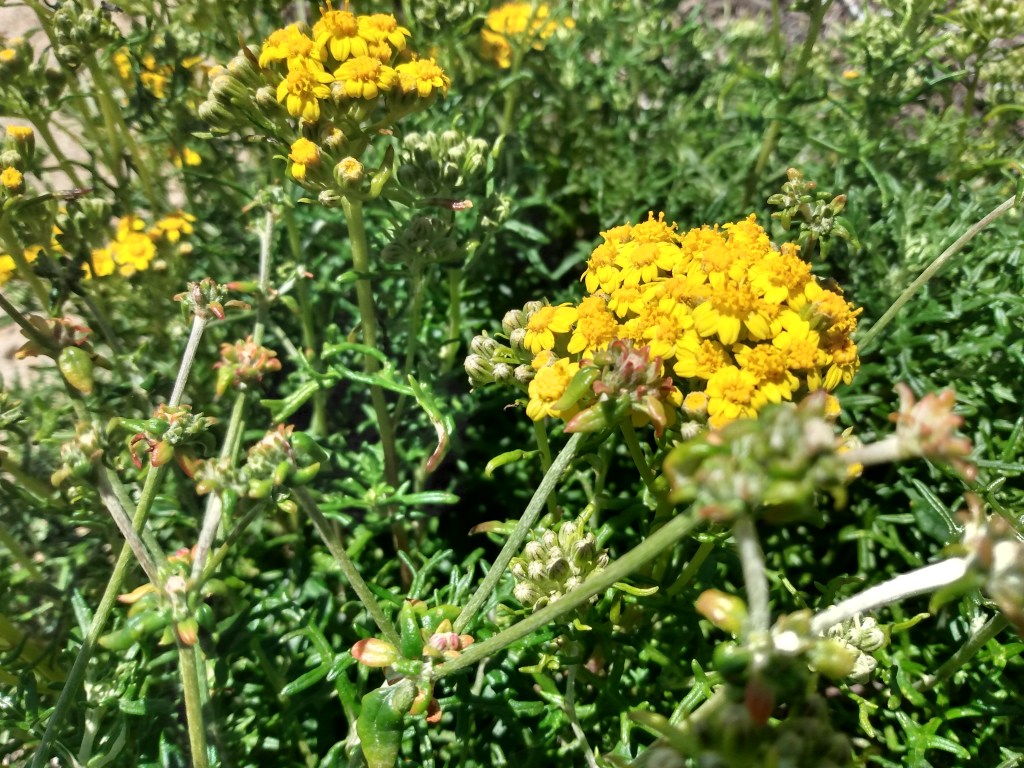
on brighter notes, first id’s of clawberry, sticky monkey flower, scarlet pimpernel, woolly sunflower (“seaside” methinks), and false bindweed (calystegia).
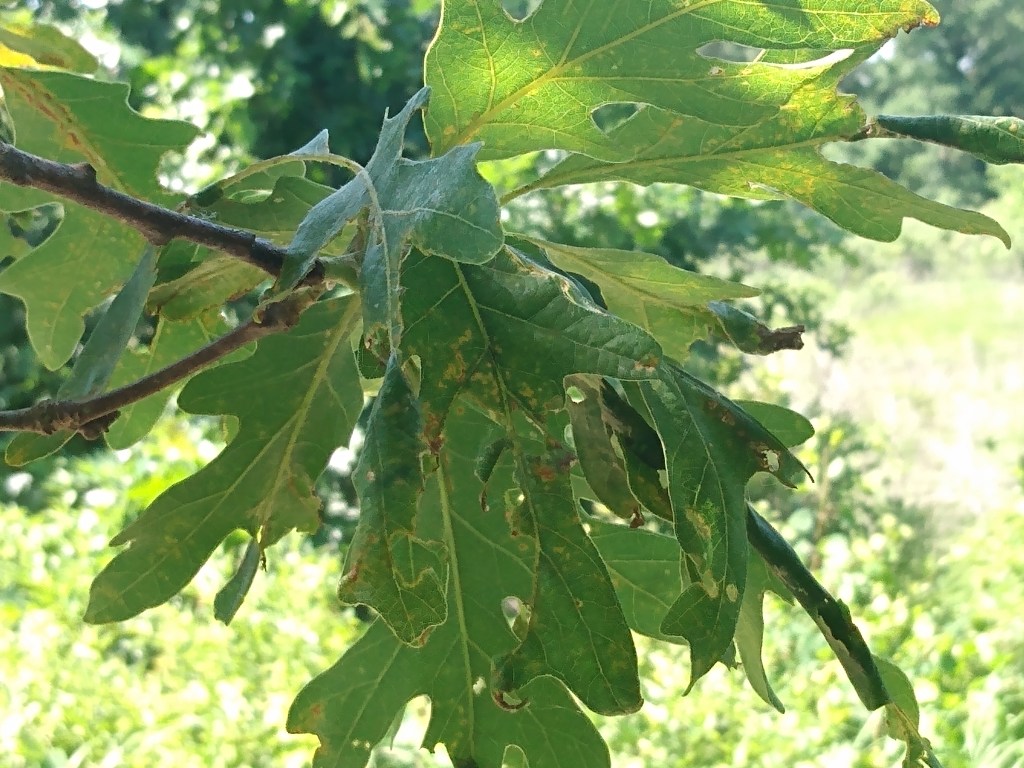
san antonio de padua mission is 86 acres of the valley of the oaks in california’s central coast, a mission founded by the spanish in 1771. it’s off the beaten path, moreso than the other ca missions at least, and is inside a military base perimeter. very hot and the hills looked over a pretty harsh landscape. beautiful though, and the smell! very different for old wisconsinites from the southeast glacial plains.
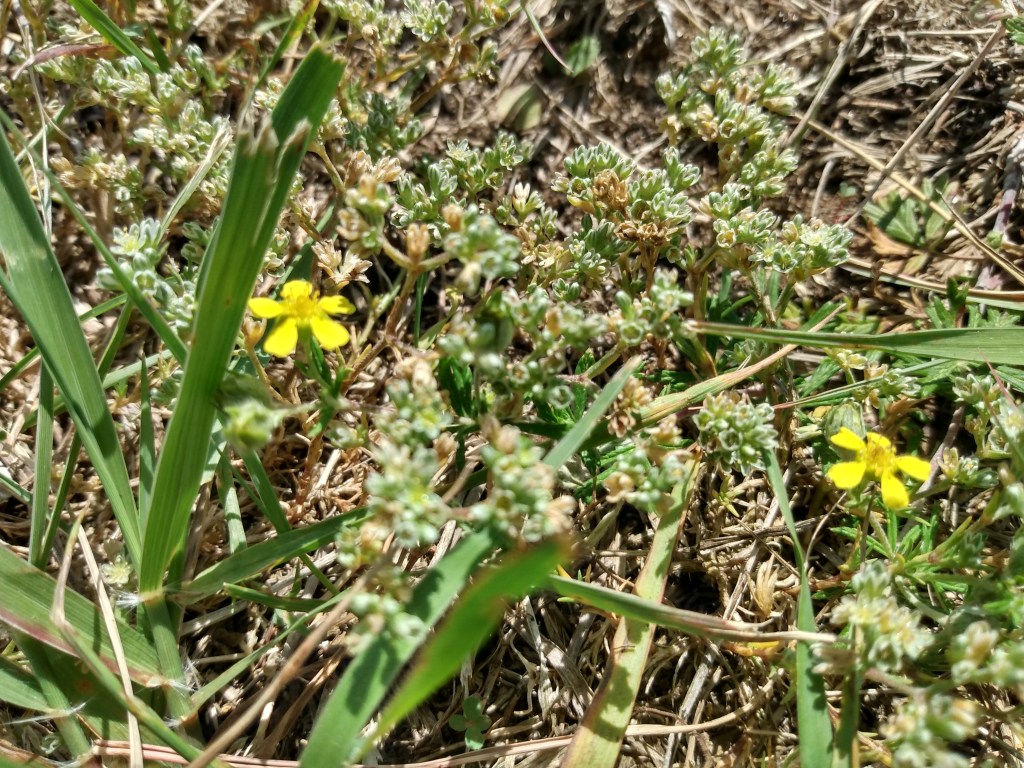
had a good self-guided tour. a solid community of devoted parishioners out there, but also realizing they’re all getting older and the young are moving away. who knows? difficult history, but the land held its own and continues. first id’s of spanish clover and a pincushionplant (naverretia, not sure what species).
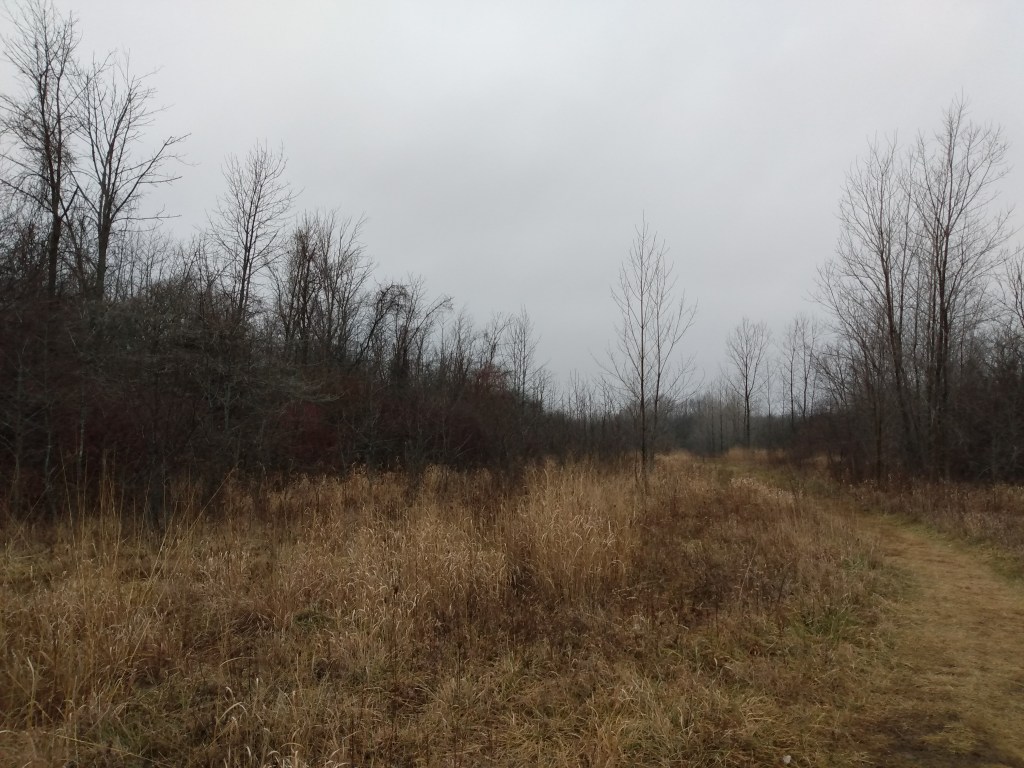
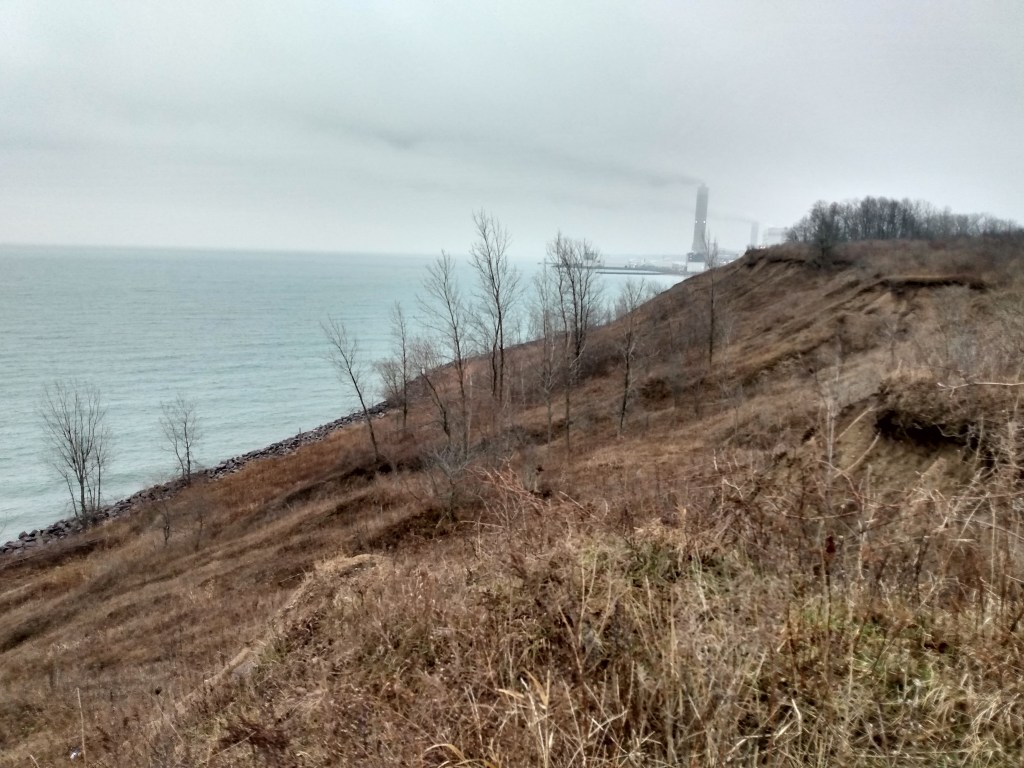
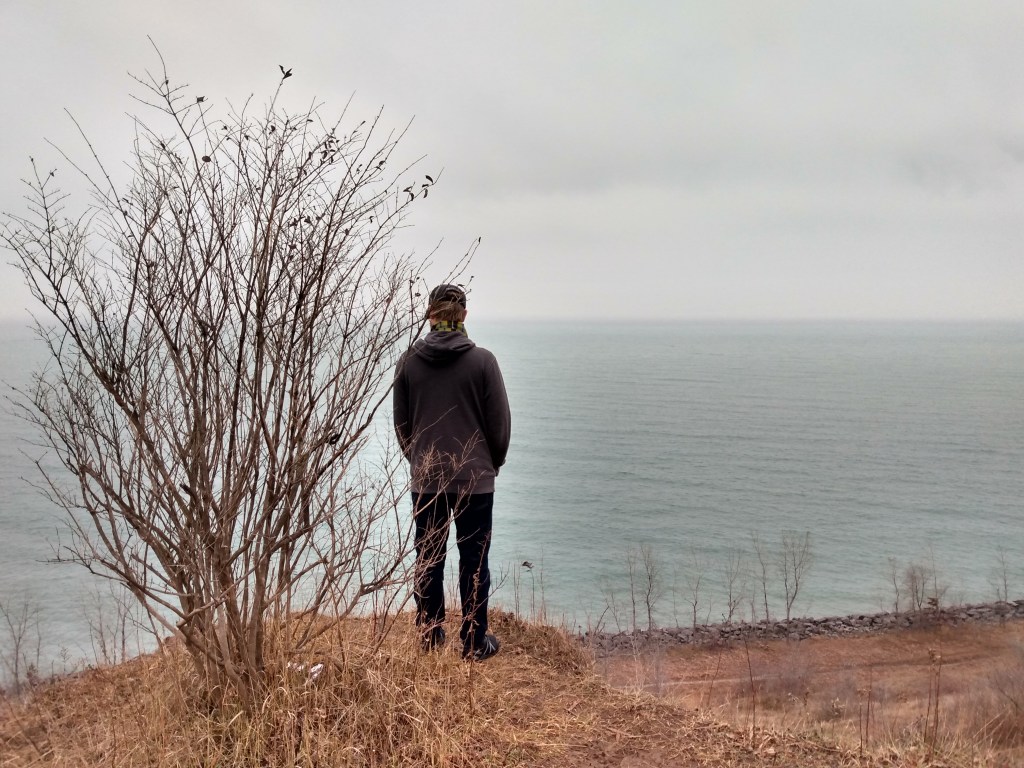
bender park is an apparently fairly developed and now returning to a rewilded state piece of land on lake michigan in oak creek. it abuts the oak creek power plant and there are some precipitous drops down to the lake.
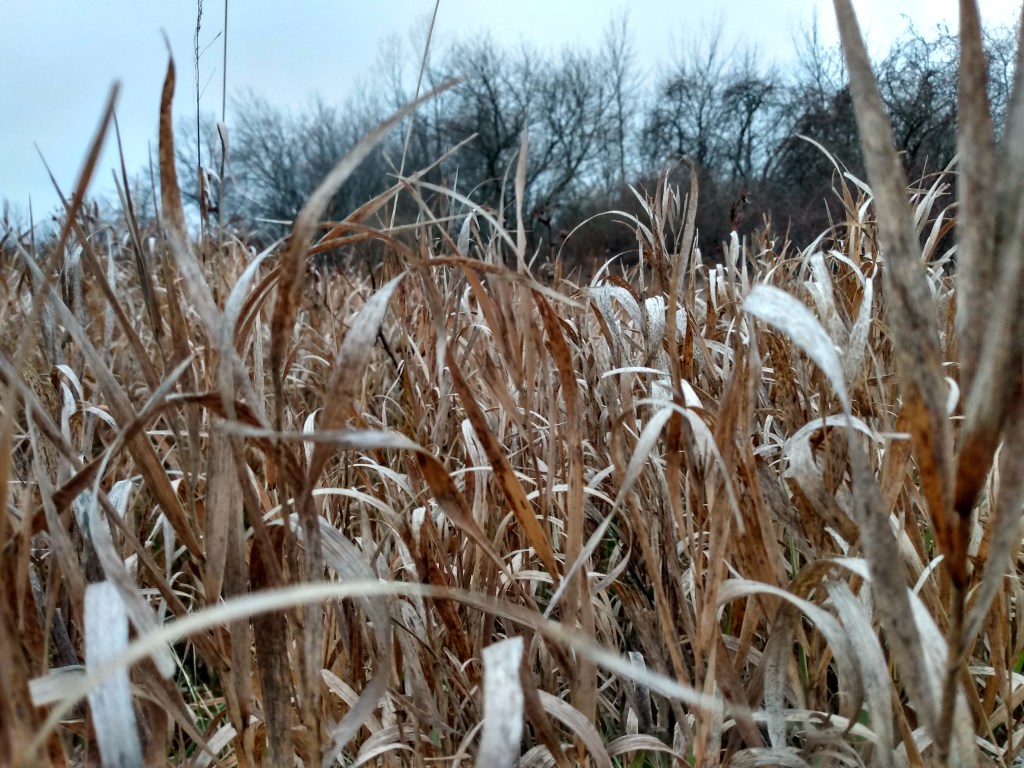
this was a “let’s not go to work just yet” walk from last december. but i lost the pomes i had written shortly thereafter, so i bagged this entry. this morning i went to open up a book i hadn’t looked at since last december and—what do you know—there were the pomes tucked inside marking my page from late last year. so, i thought i’d pull the photos back up and give bender park its due. here we go.
after visiting the state natural area muir park in marquette cty, wisconsin, leading a retreat at new camaldoli hermitage in big sur brought us to california. on the way, we stopped in at muir woods to complete the set. i’d been there a couple times before, but is there a way to get tired of seeing a redwood forest?
had a foggy and drizzly start, clearing up by the end of our time there on a couple loops. the redwoods are fantastic of course, but i loved training the eye on the understory to see what was happening and who was living there too. the redwood sorrel (first id) was fantastic—cousin to the yellow wood sorrel we have growing in our front yard but w/ arresting streaked flowers. also saw a pacific wren track a moth thru the air over the path, catch it, then proceed to knock it around under the sorrel canopy for three or four minutes until it stopped fighting, whereupon the wren gulped the moth down. intense!
first id’s too of california hedge nettle, california harebell, autumn hawkbit, california spikenard, american trailplant, a new kind of horsetail (field?), and pacific trillium. whew!
muir park is a mix of upland and wetland habitats surrounding ennis lake (a spring-fed kettle lake), where john muir made his boyhood home in central wisconsin. fen and bog, oak opening and dry forest etc. a wide variety of species.
it was a real hot day, so we didn’t make it too far what with the kiddos along. but we had a nice hang at the lake, a short walk, and a good view of the very sandy soil—marquette county is located in wisconsin’s central sand hills ecological landscape, a remnant of the sandy bottom of glacial lake wisconsin. worth another visit in cooler weather for sure.
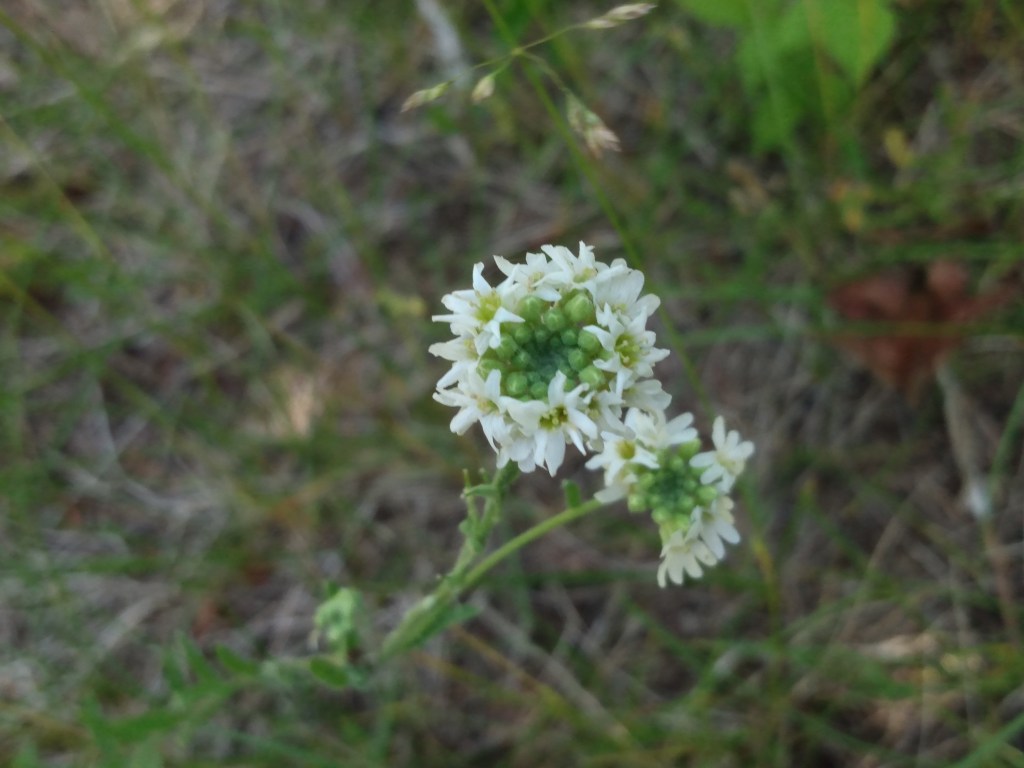
first id of hoary alyssum!
a.
down fox river road
to muir’s home
and lilies like fire
mammal burrow in millenia-old glacial lake wisconsin lake bottom
over the last several years, i’ve been working on an edition of the selected poems of bernard isaac durward, a scottish immigrant to milwaukee in the mid-1800s. along the way, i’ve made some fun discoveries; one of which is a book hand-painted by bernard’s son charles.
in my childhood, i visited durward’s glen with my grandparents who lived in baraboo, wisconsin. the small sandstone and conglomerate gorge on prentice creek shaped my young imagination and grounded me in a sense of the numinous in the natural world linked to the devotions of the catholic faith. little did i know that decades later, when i finally got a job teaching in a university english department in milwaukee, i’d end up living on the same street as bernard (the old plank road, humboldt ave) before learning that this early milwaukee poet was _the_ durward that the glen was named after.
once i learned this, and started looking into bernard’s literary and visual art, it felt as though making his work more widely available was a sort of mission. i’ve been in archives throughout milwaukee and at the glen, visited the seminary here in milwaukee where bernard worked as an english professor, and worked thru every issue of the daily milwaukee paper _the sentinel_ (and other periodicals) to track down bernard’s publishing history. all while accumulating quite a little library of bernard’s and his children’s books, all self-published in the nineteenth and early twentieth century.
then, i happened on a blog post from the milwaukee public library that featured a book i hadn’t yet come across: a one of a kind book of paintings featuring one painting per page of plants found at the glen, all painted by bernard durward’s most artistically inclined son, charles.
chalres percy durward (1844-1875) was born in prestwich, england and came with his family to milwaukee, wisconsin in 1845. he learned to draw and paint at his father’s side, first at riverside in milwaukee (the plot now called gordon park), then at st. francis seminary in st. francis, wisconsin. when the family moved to durward’s glen in columbia county in 1862, charles painted plants and landscapes, but he found the only money to be had from art was in portraiture. he dutifully obliged to some extent, and farmed some in order to afford a trip abroad to scotland, england, and france. but generally speaking his “contempt for money was as absolute as any poet or philosopher could wish” (says his brother wilfrid in his moving memorial to charles in his book annals of the glen—wilfrid’s poem on his brother’s memory is reproduced at the bottom of this post). charles died suddenly and prematurely by eating a root he found while hoeing one morning; they speculate it was water hemlock—a grimly ironic death given charles’s great love of plant life. near the end of his life, when he was painting more and more religious paintings, he said “i only want enough money to live on, and then to paint madonnas the rest of my life.” well said.
two years before his death, he also painted the book of wildflowers and tree branches from the glen, the idiosyncratic book i got the chance to leaf thru in the rare books collection last month. it was lovely and big and heavy and a touching relic of this man’s life and his fondness for the growing things with whom he lived at the glen. knowing the glen and its various inhabitants from my earliest years, and knowing that charles wouldn’t live more than a couple years after compiling this book, having some time with it was a powerful experience. here’s hoping i can get the selected poems out in the near future!
the milwaukee public library has given me permission to use their own (clear and straight-on) images of the book, and i’ve included a few more of my own with poorer lighting but more “hands-on.” i hope you enjoy, and do stop by the glen to meet his models someday if you’re in the neighborhood.
“these twenty years” by wilfrid durward, on his brother’s early death
publications have been in a lull for a couple months, but yesterday the independent poetry journal boats against the current brought out my series of imagistic scenes based on time in door county, wisconsin.
i was reading lots of lorine niedecker (one of my favorite poets, who grew up and lived along the river i grew up near—the rock) at the time of this retreat to the door peninsula, and the work here shows her influence.
grateful to editor mckenna themm for giving this one a home. check out the good work she’s doing on the site.
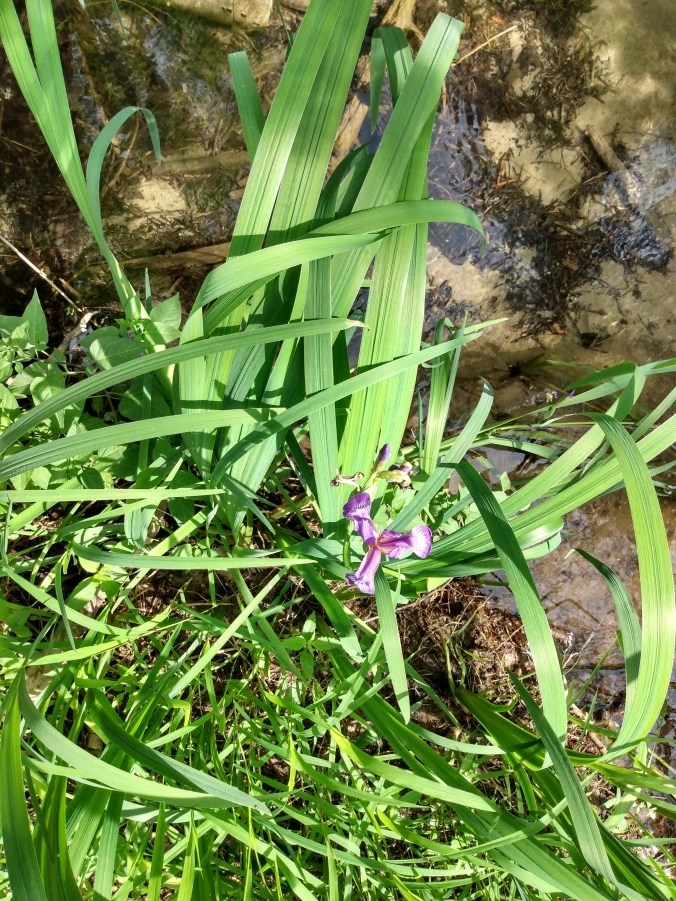
here’s a picture of the iris in question in the poem’s final scene, growing along heinz creek:
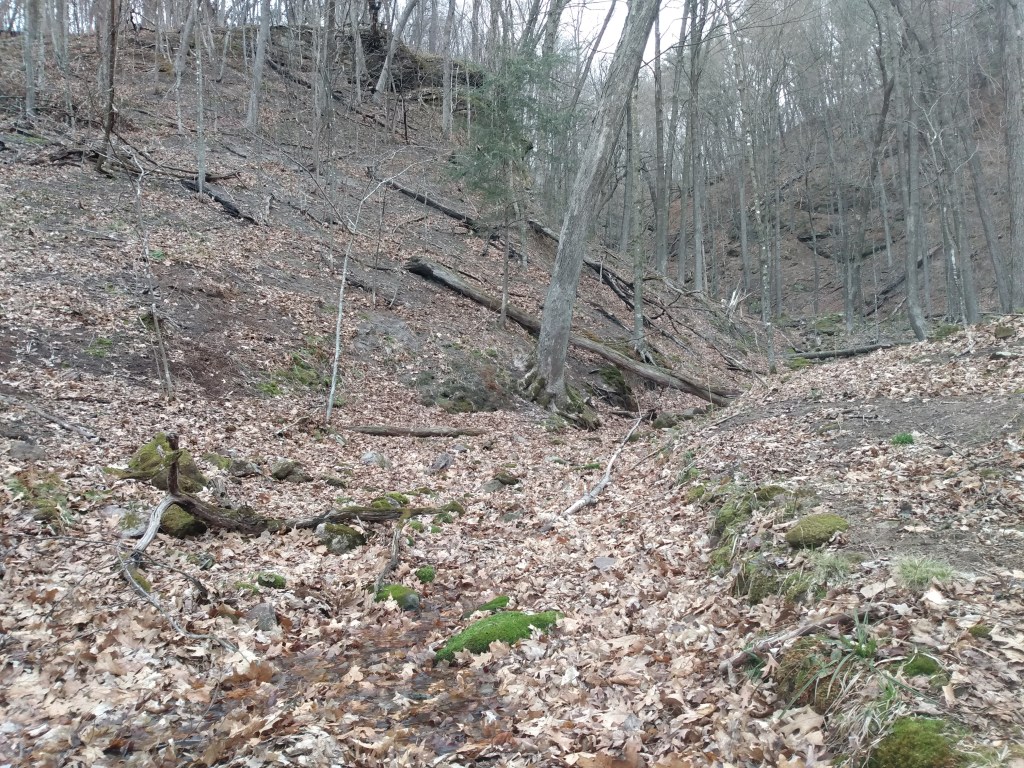
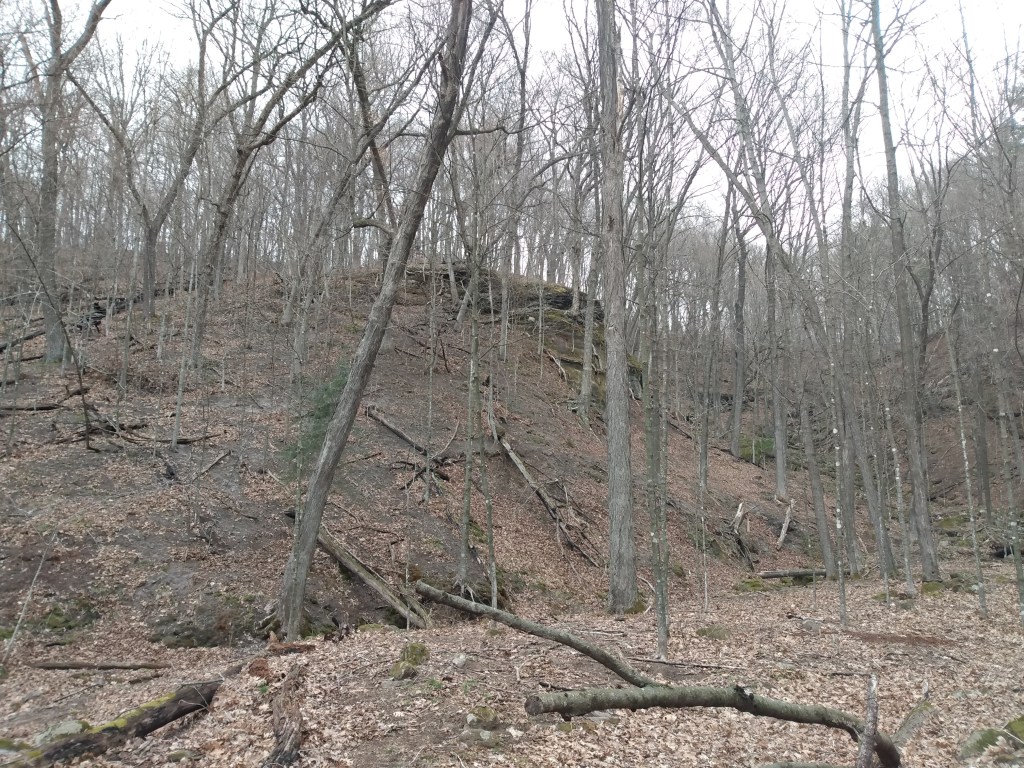
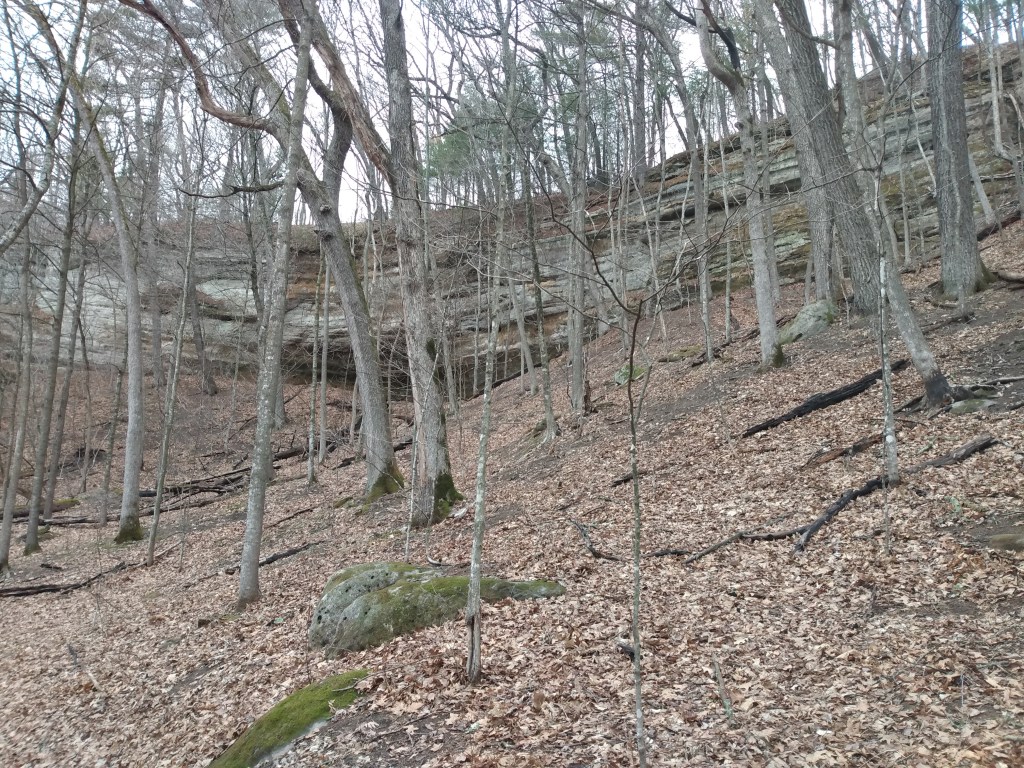
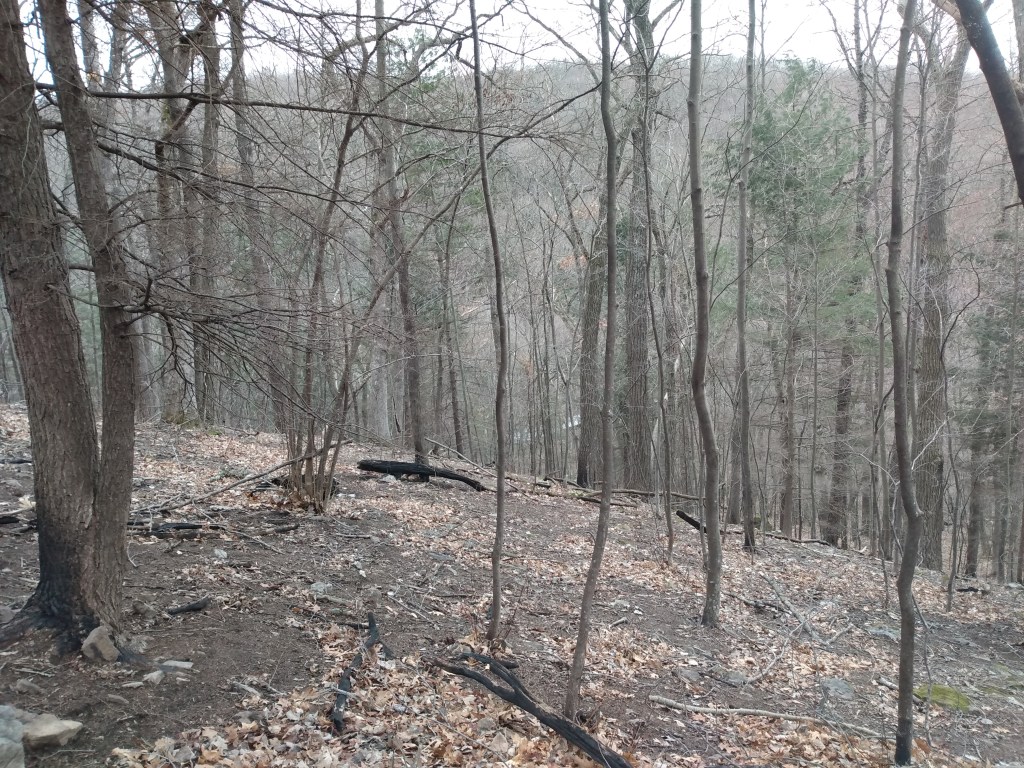
hemlock draw is yet another gorge in the baraboo hills. the terms (“draw,” “hollow,” and “gorge” are used fairly interchangeably in the area.) this particular gorge has honey creek running along its bottom between sandstone and conglomerate cliffs.
the draw is named for hemlocks b/c this is another place in the hills where more northerly species of plants (including hemlock) grow in the southern part of wisconsin. it seems this is b/c of the species’ ability to linger along the microclimates of the gorges where cooler conditions have prevailed; communities that died out this far south with the retreat of the glacier were able to hunker down in spots that persisted cooler.
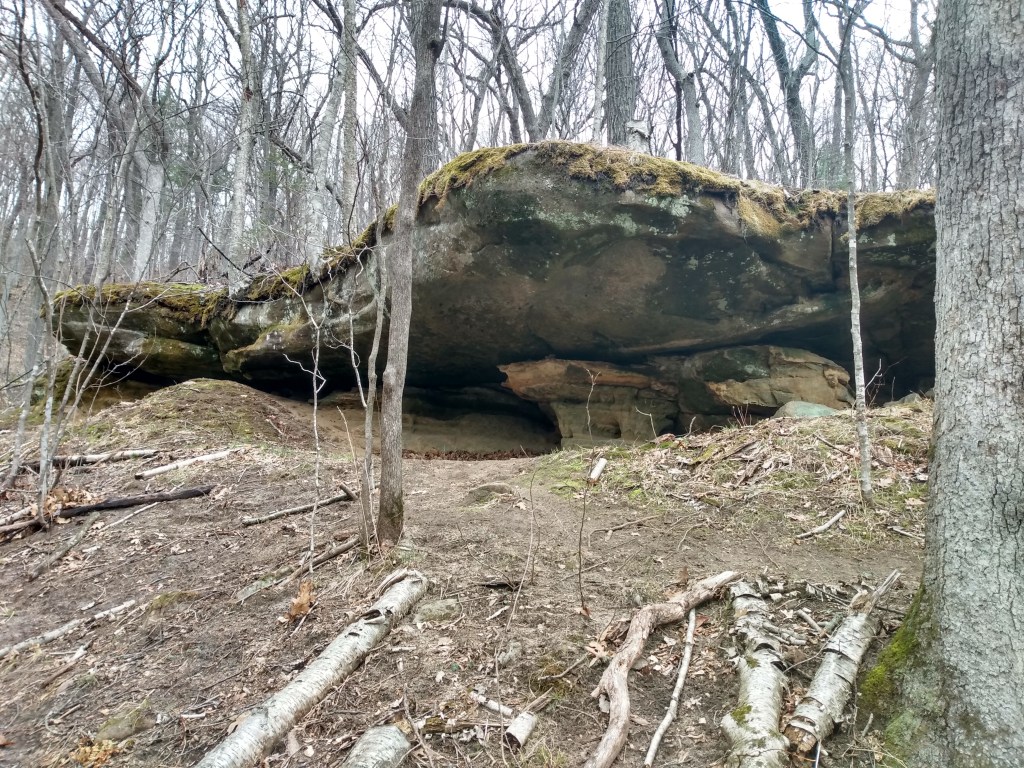
there are sea stacks here from when the whole area was under water, tho’ we didn’t catch them this time as the day was drawing on and legs were getting weary. next time.
first id of yellow-rumped warbler, and some more signs of forb life here than in other spots we walked that day. the bare cliffs are imposing and majestic.
a.
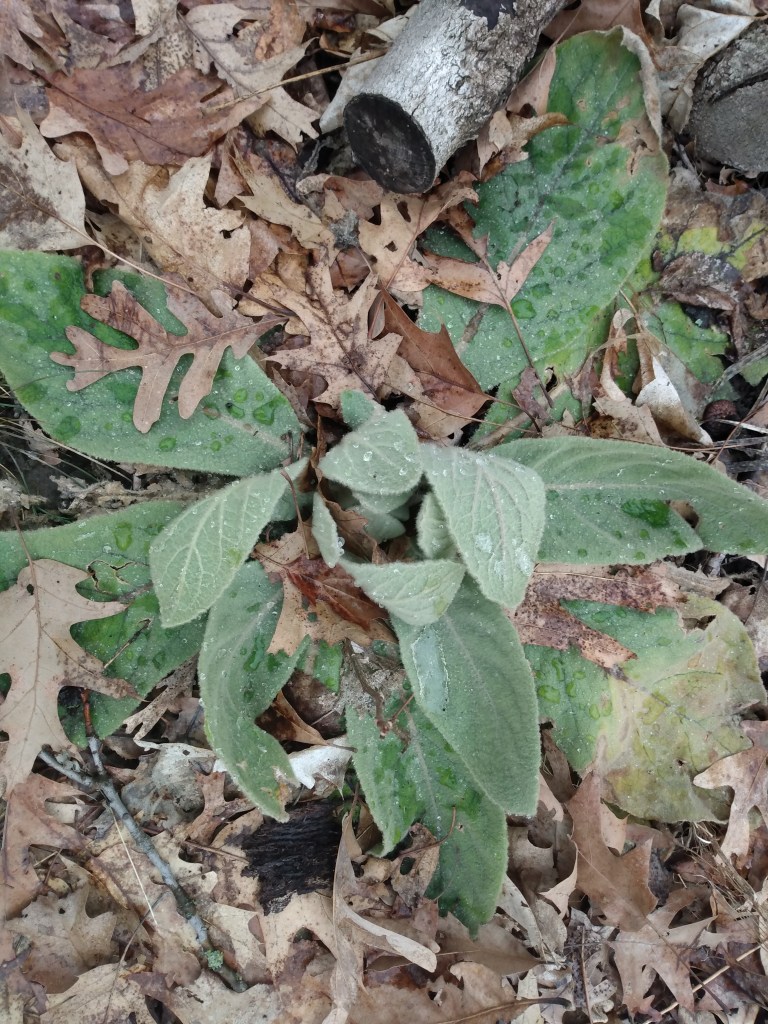
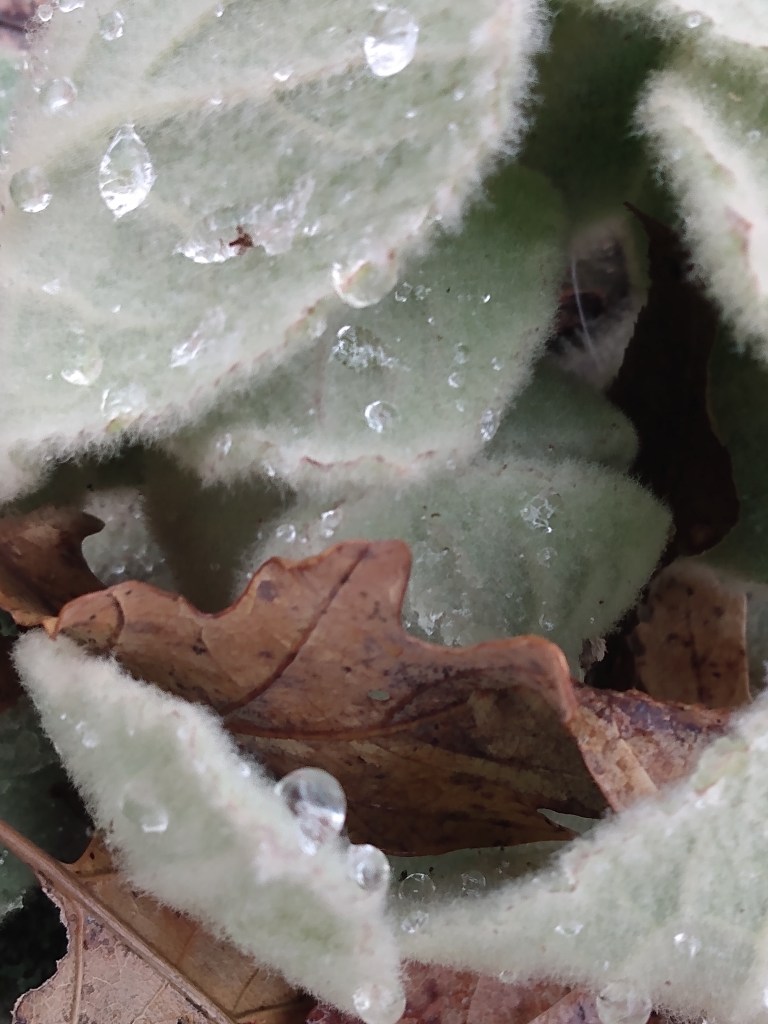
cleared forest, lamb’s ear
and nettles
a new world from rot
b.
yellow-rumped warblers
are chirping
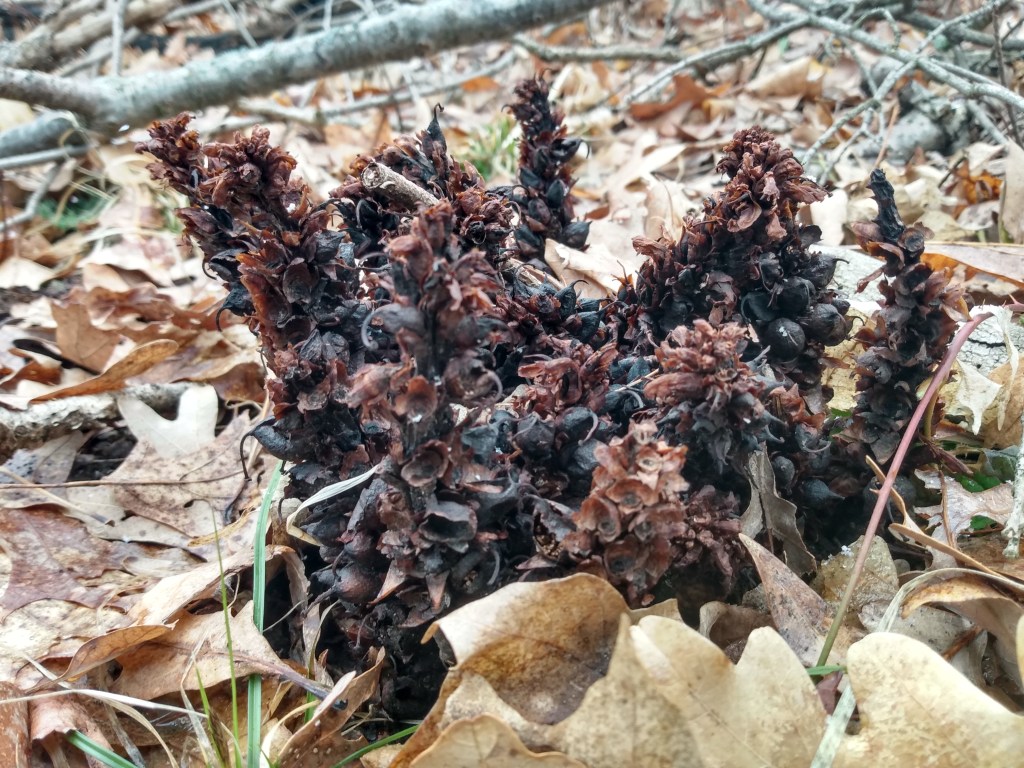
wtih last year’s bear corn
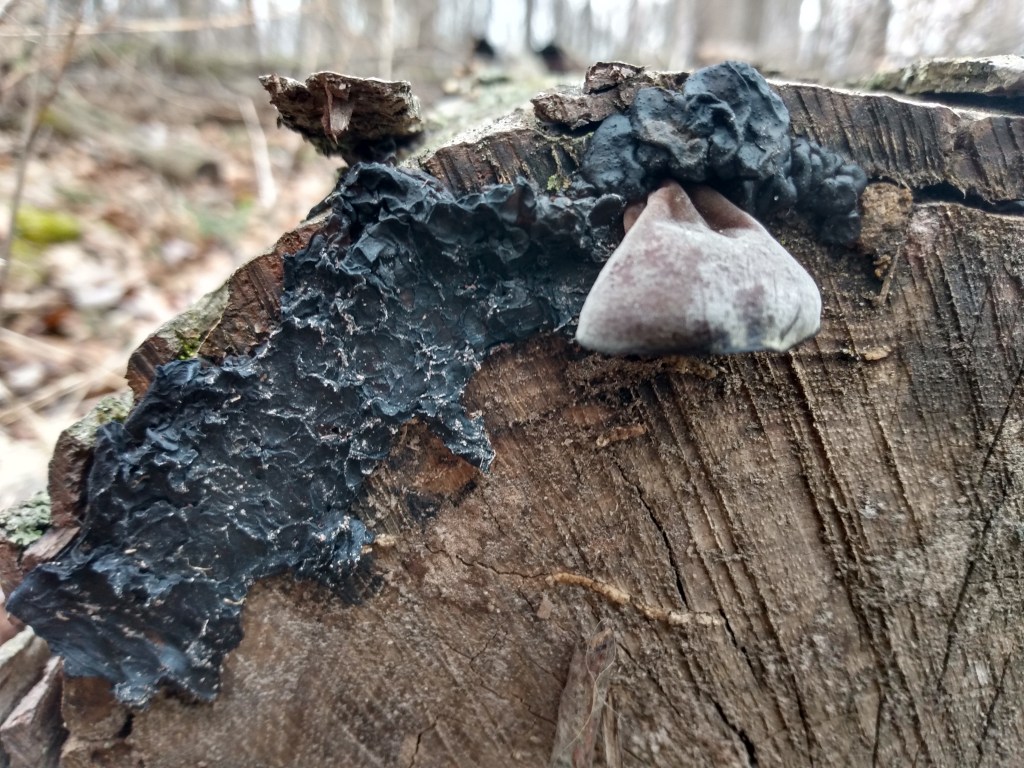
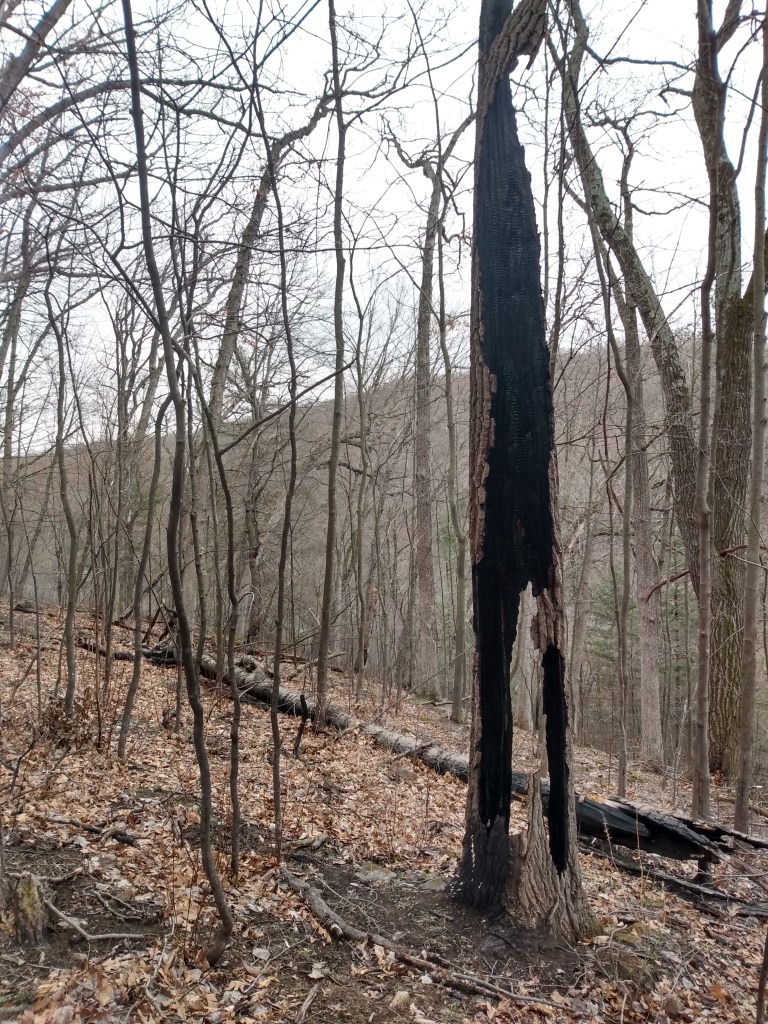
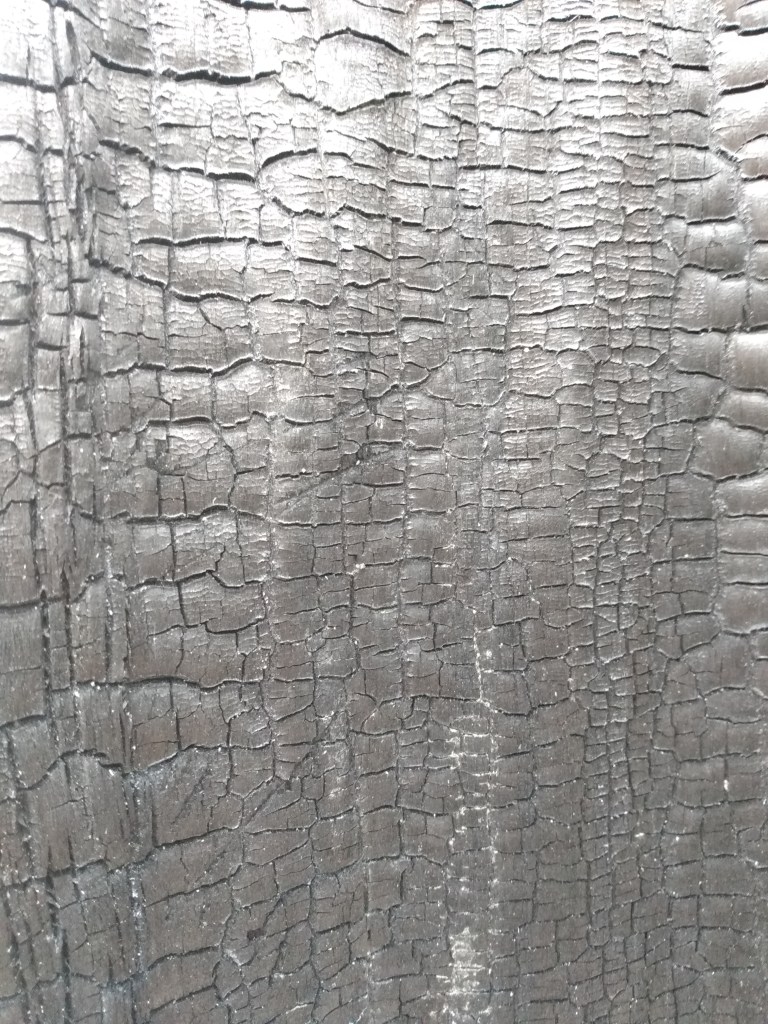
if you made it this far: there was some burn along the top of one ridge, and this hollowed-out snag was still standing precariously, with the glossiest burn all around the interior. smell and touch are absent, but the view was fascinating too.
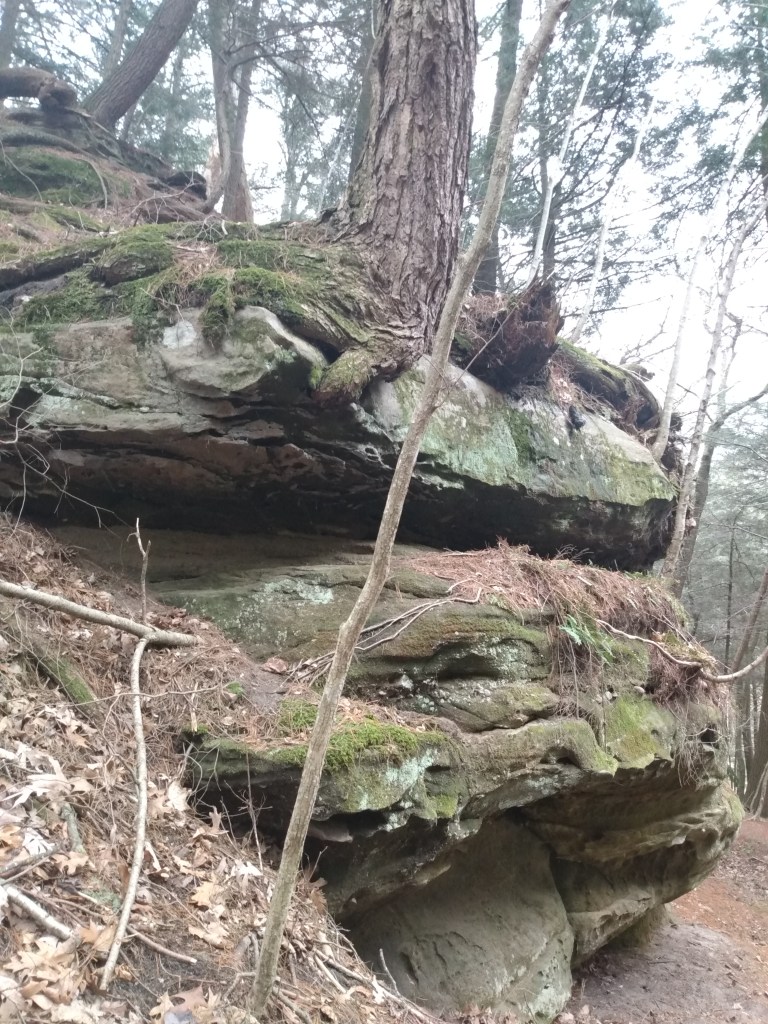
a winding rural road up one of the baraboo hills out past baxter’s hollow took us to the top of pine hollow. pine hollow sna is a sandstone and baraboo quartzite gorge roughly 300 ft deep w/ flanking cliffs as high as 80 ft (according to the dnr’s page). a wide variety of life here, as the deep gorge affords a variety of habitats. hemlocks and white pines tower over the cliffs.
moss and ferns lie thick on the ground along the stream bed. there’s also a sedge meadow at the bottom of the hollow, but we spent our time up in the stony heights.
a late spring snow was falling and swirling up and down the gorge while icicles hung off the outcrops along with the moss and liverworts. trackless and gorgeous (pun very much intended). also, a first id of rattlesnake plantain.
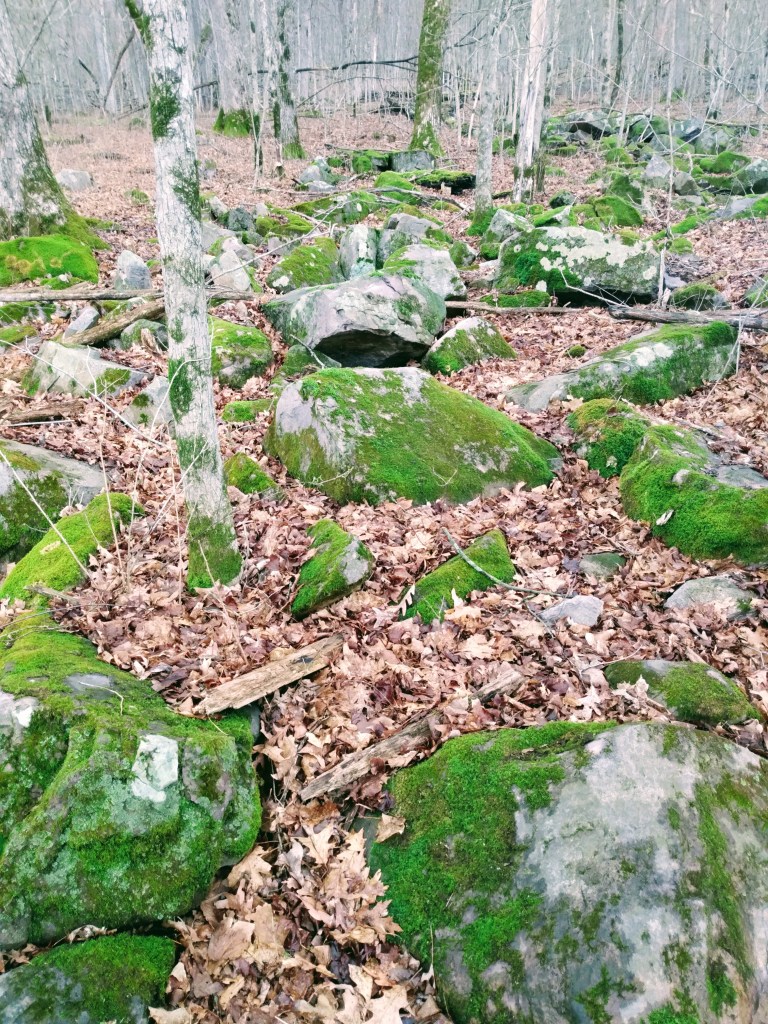
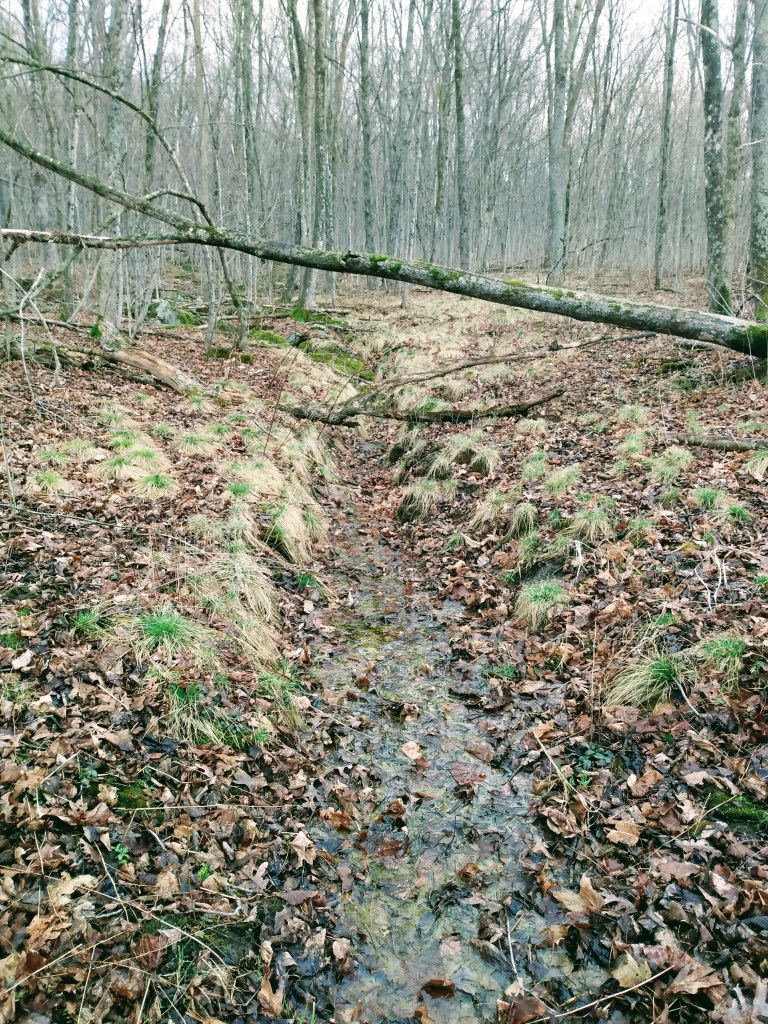
our day in the baraboo hills started in earnest at baxter’s hollow, a broad gorge formed in the bluffs by otter creek with the largest stretch of unbroken forest in southern wisconsin—almost 6,000 acres, some still held in private hands. a rugged path marches thru the main site, but it feels very remote inside.
snow fell much of the time, but the sun peeked out toward the end of our hike. then we spent some time down by otter creek as we made our way out. a serious sanctuary for many aquatic insects, wildflowers, mammals, and especially birds who live away from edges. we exulted in the quartzite.
first id of hermit thrush—saw a few!
a.
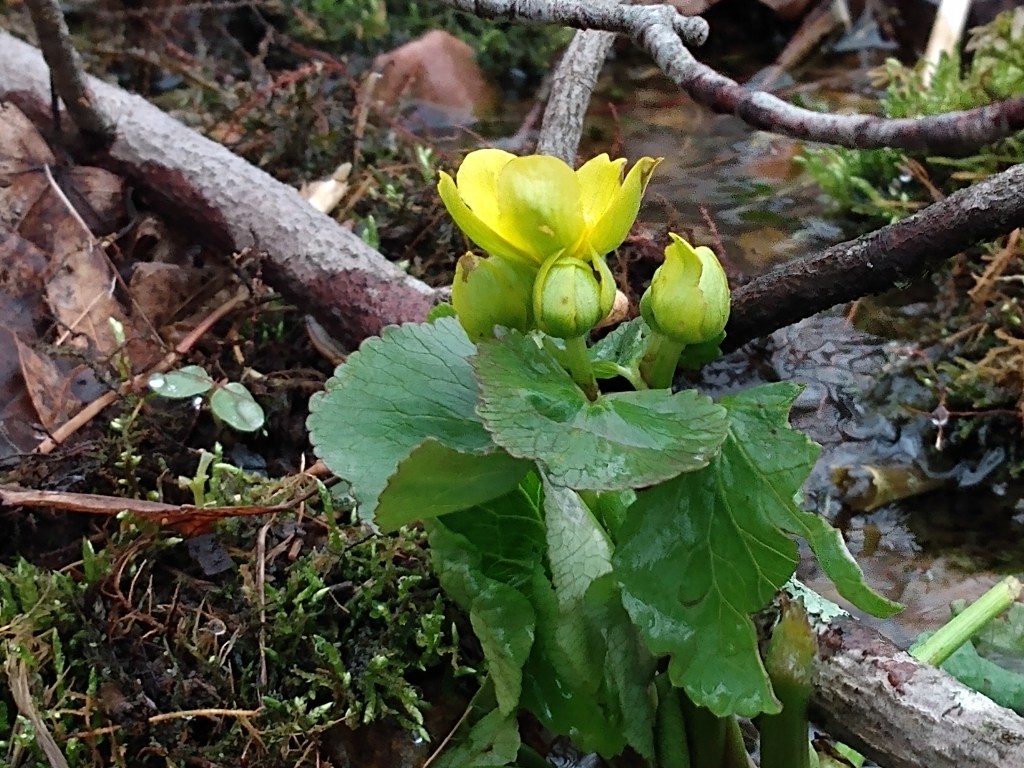
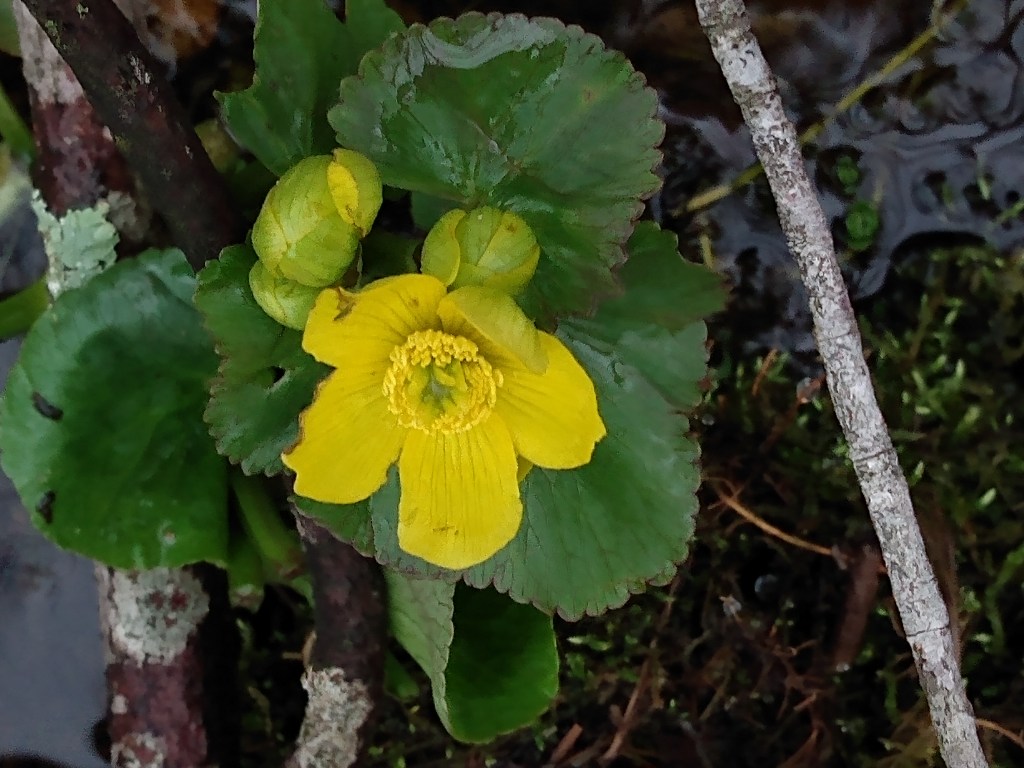
marsh marigold fresh
into bloom
along the spring run
b.
under a light snow
moss growing
on tumbled quartzite
c.
in the leaf-bare wood
hermit thrush
flits from branch to branch
d.
reaching out fair limbed
under clouds
the oak against time
e.
below the white pines
the otter,
a wary spider
you can’t see her from this the distance my wife took this picture, but the spider named in the lune above was trepidatiously crawling on my knee here.
and now, the liverwort we found by otter creek, up late this year it seems:






























 Jacob Riyeff