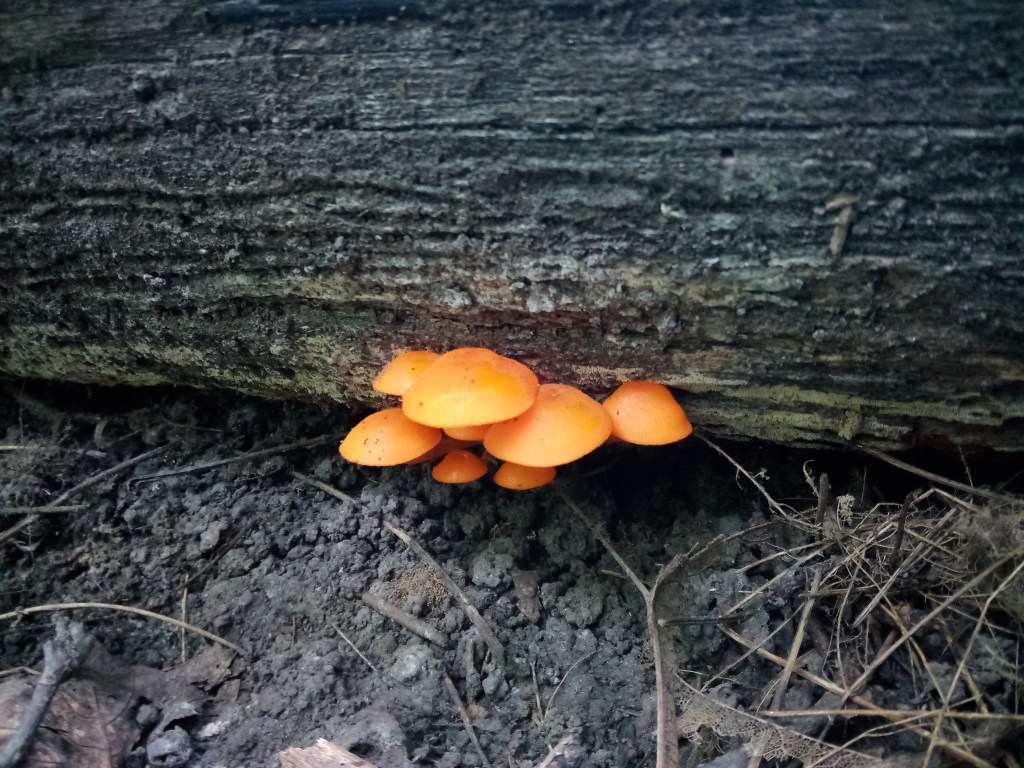
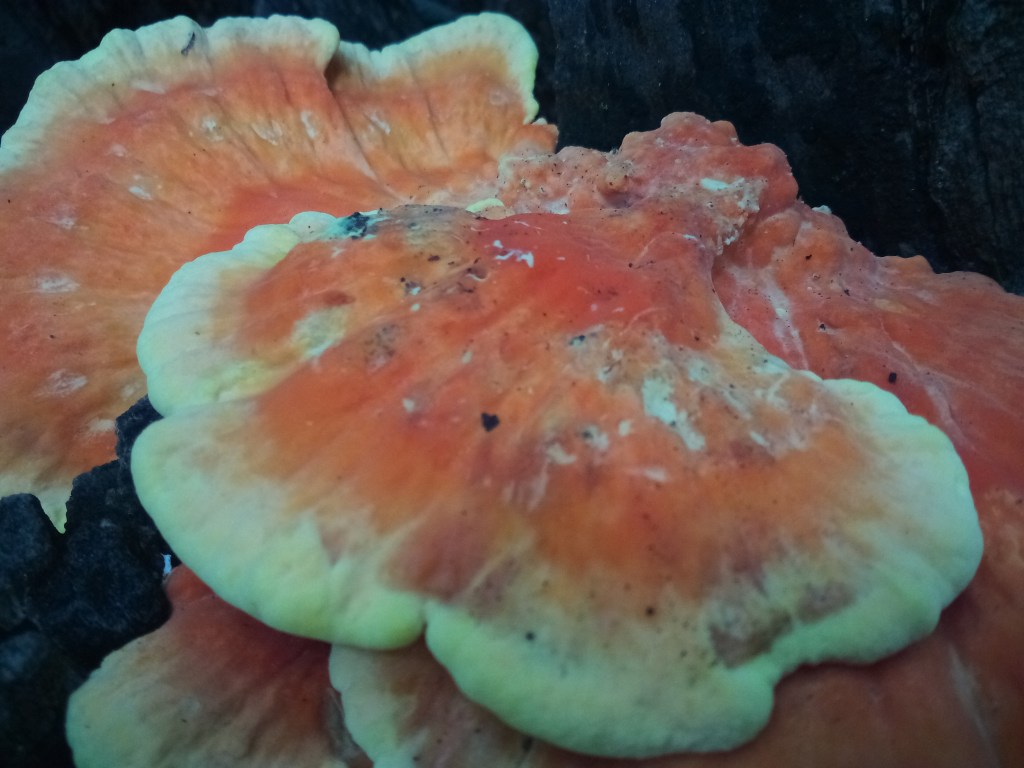
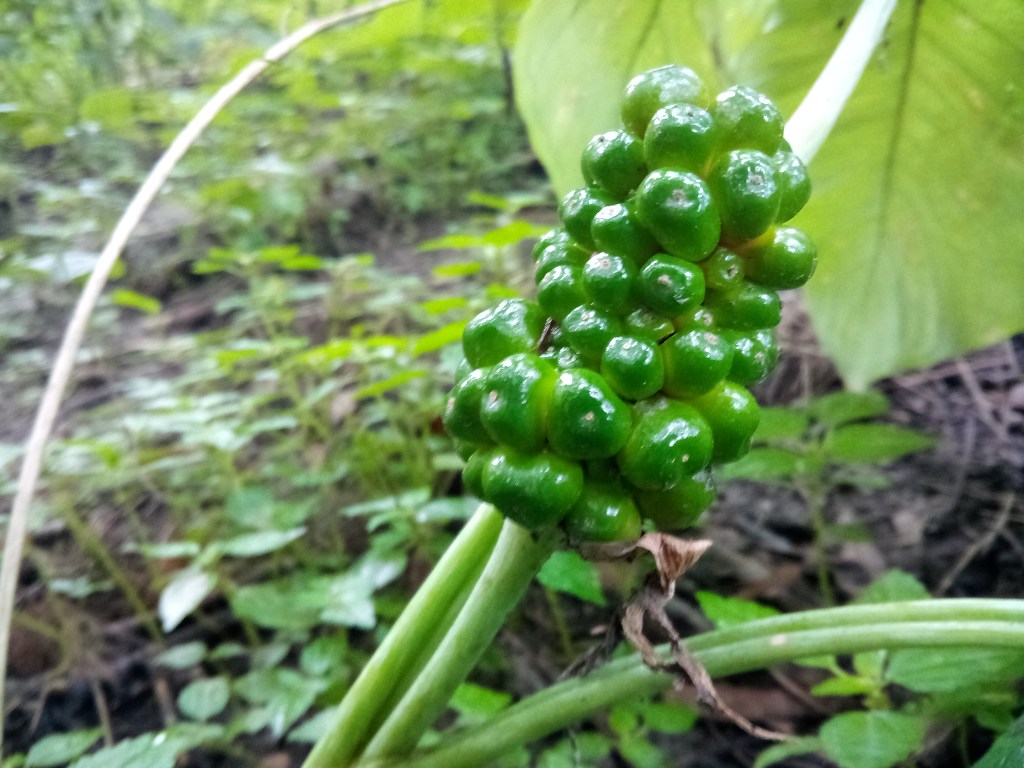
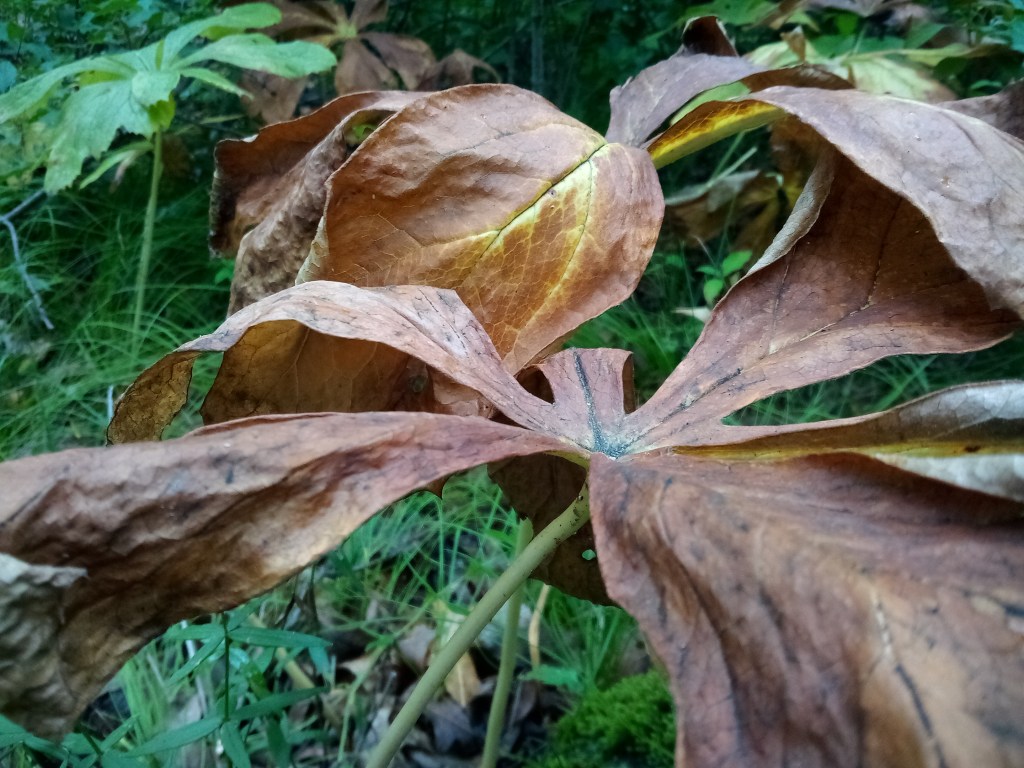
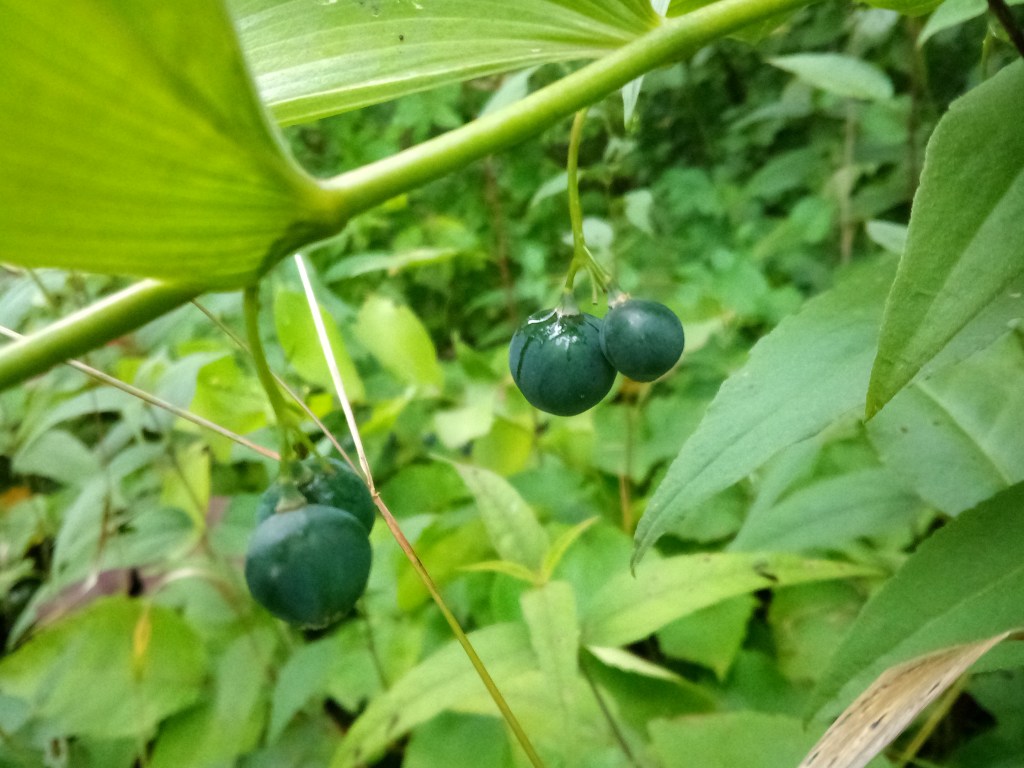
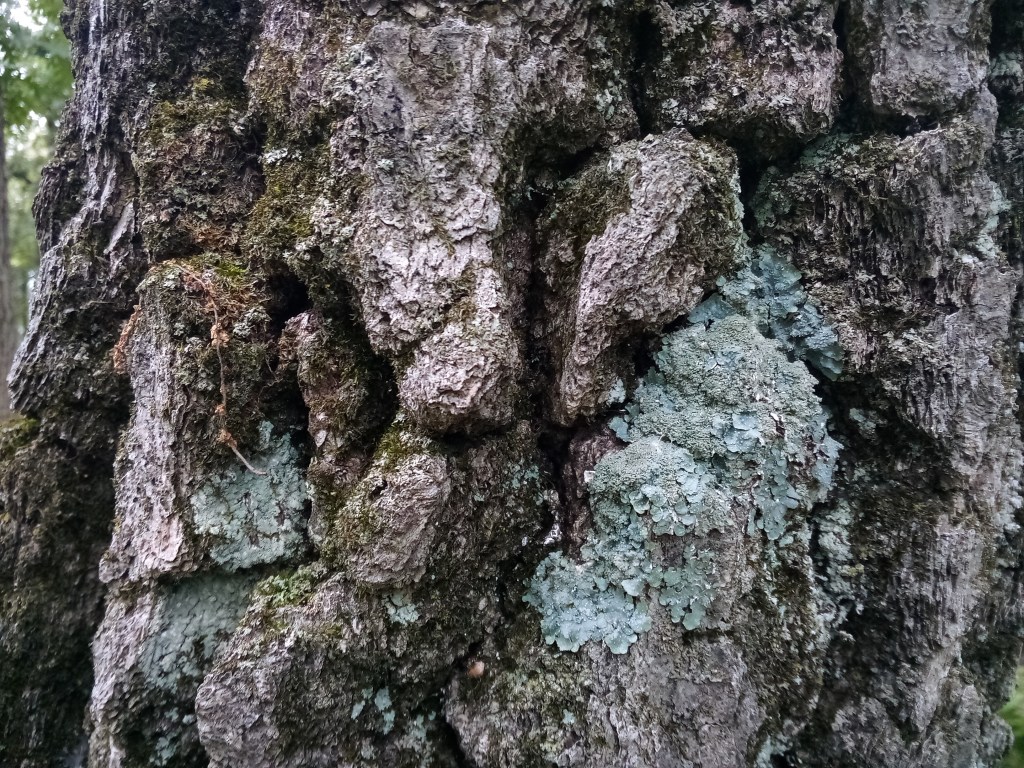
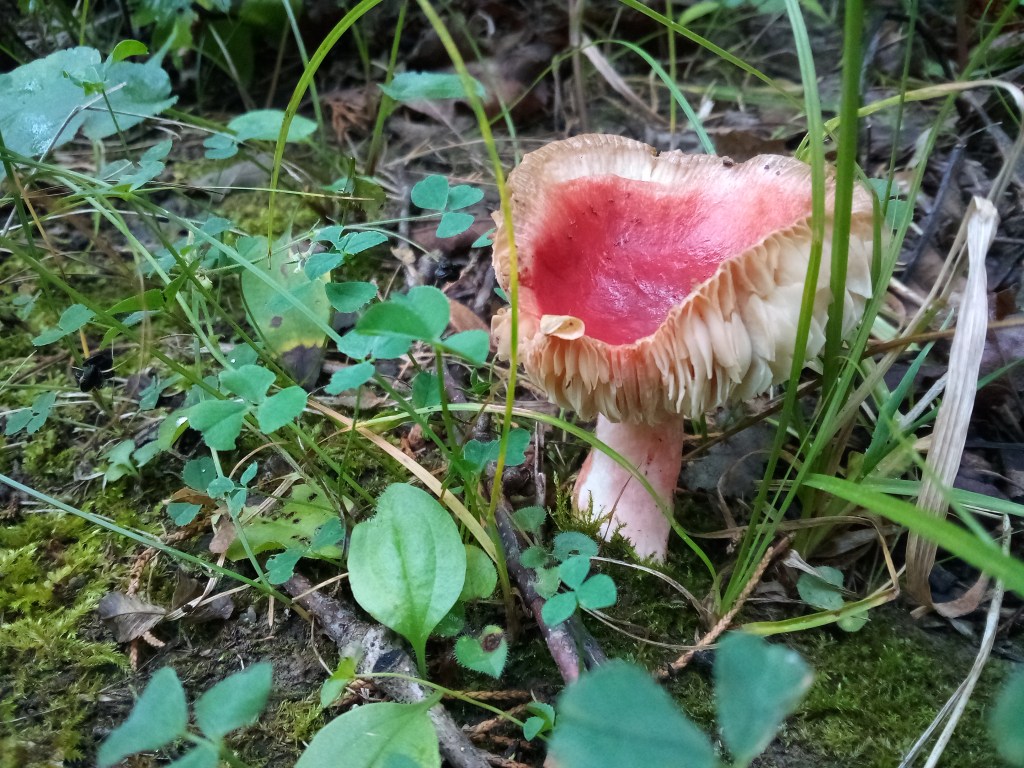
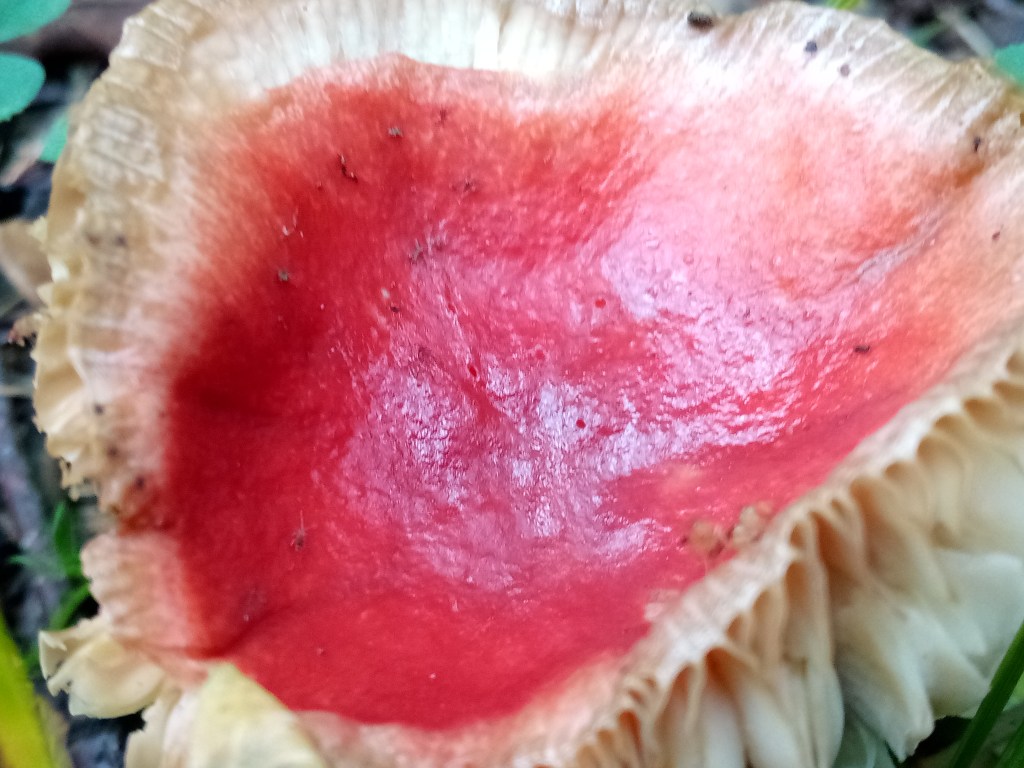
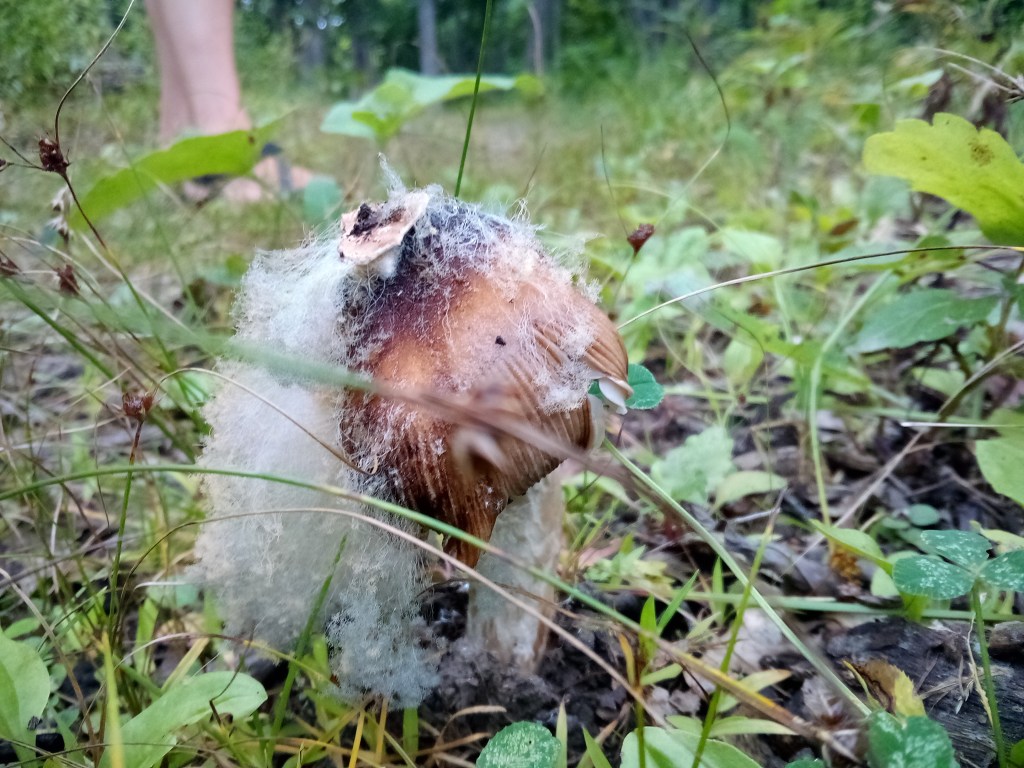
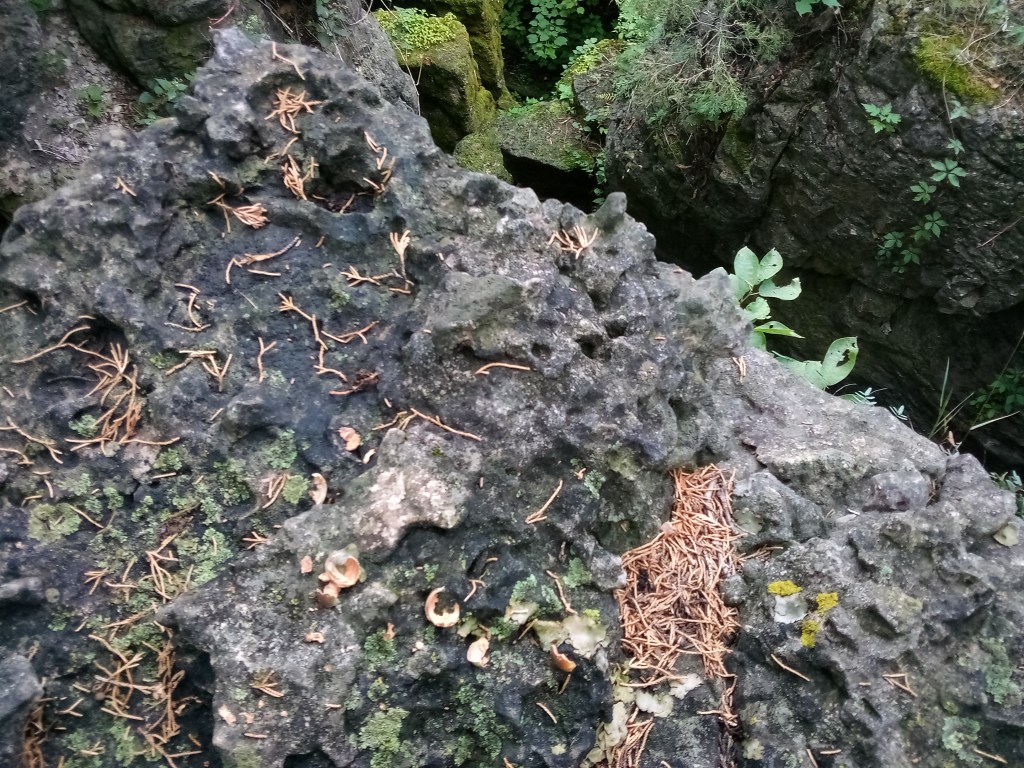
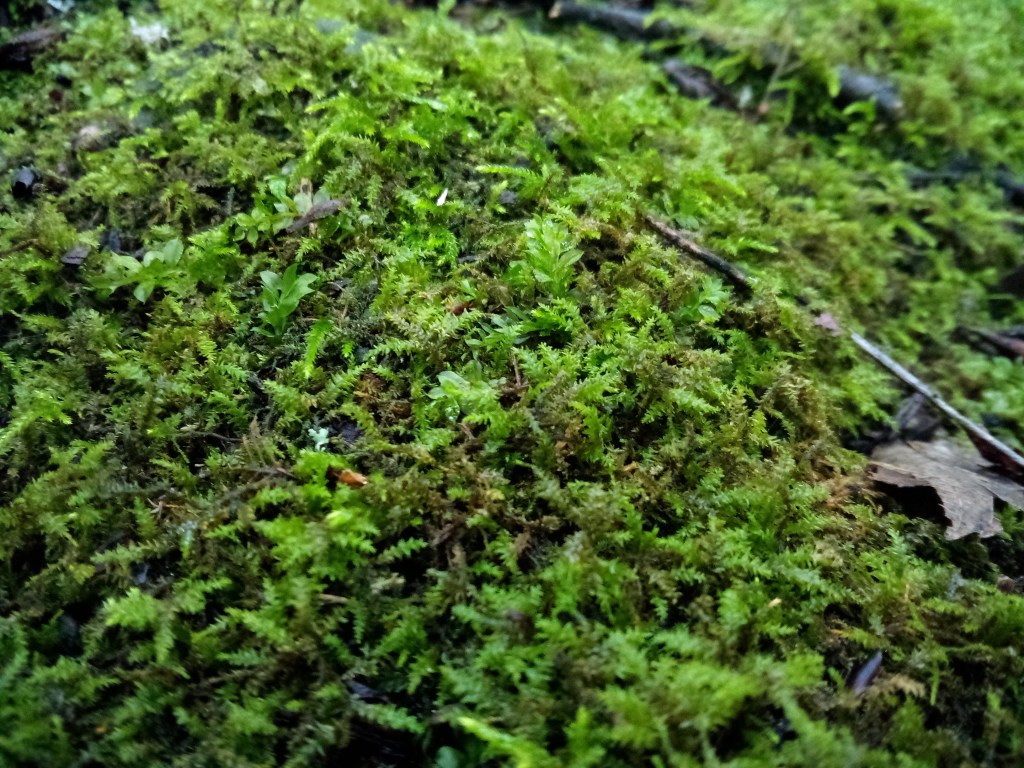
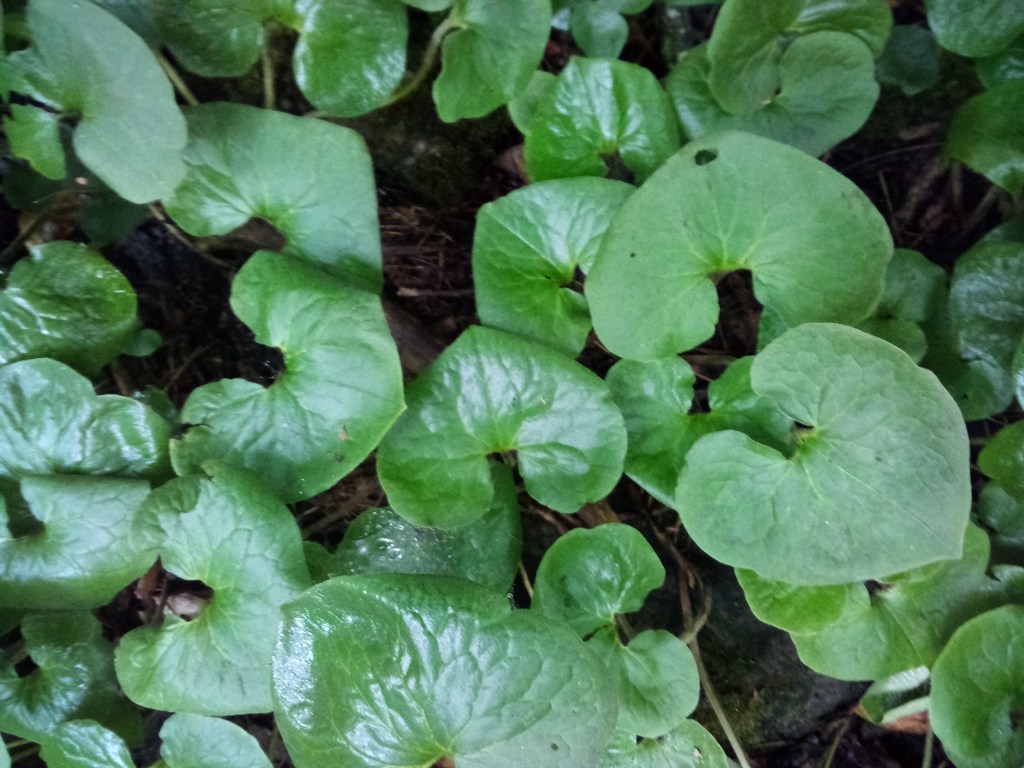
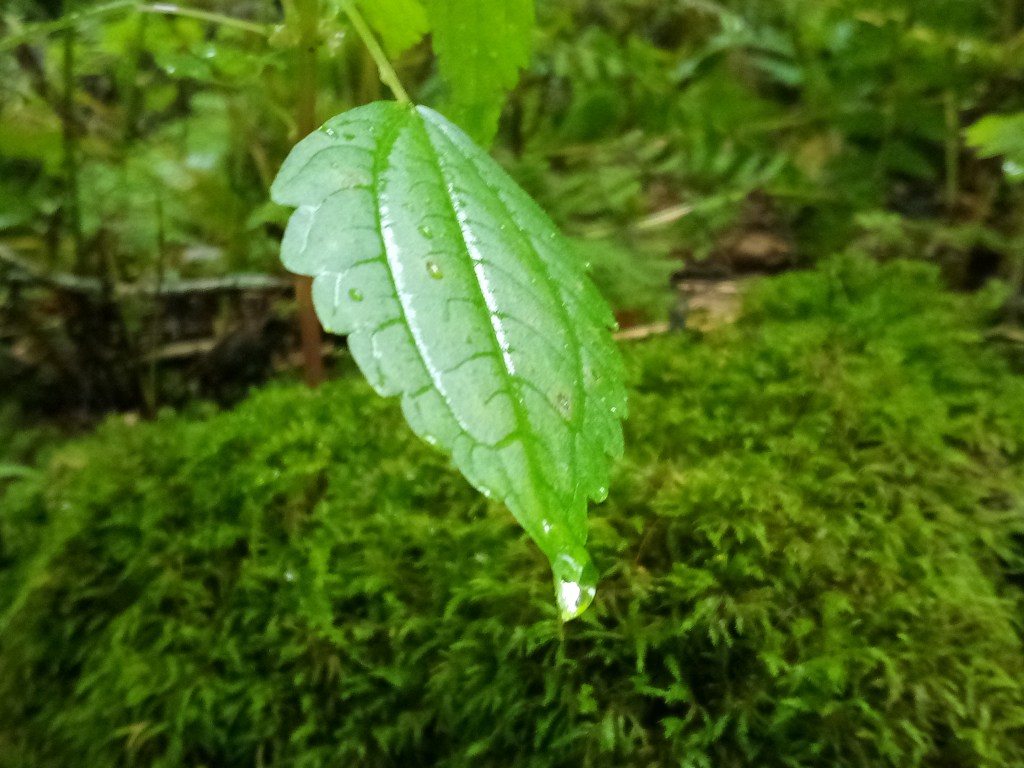
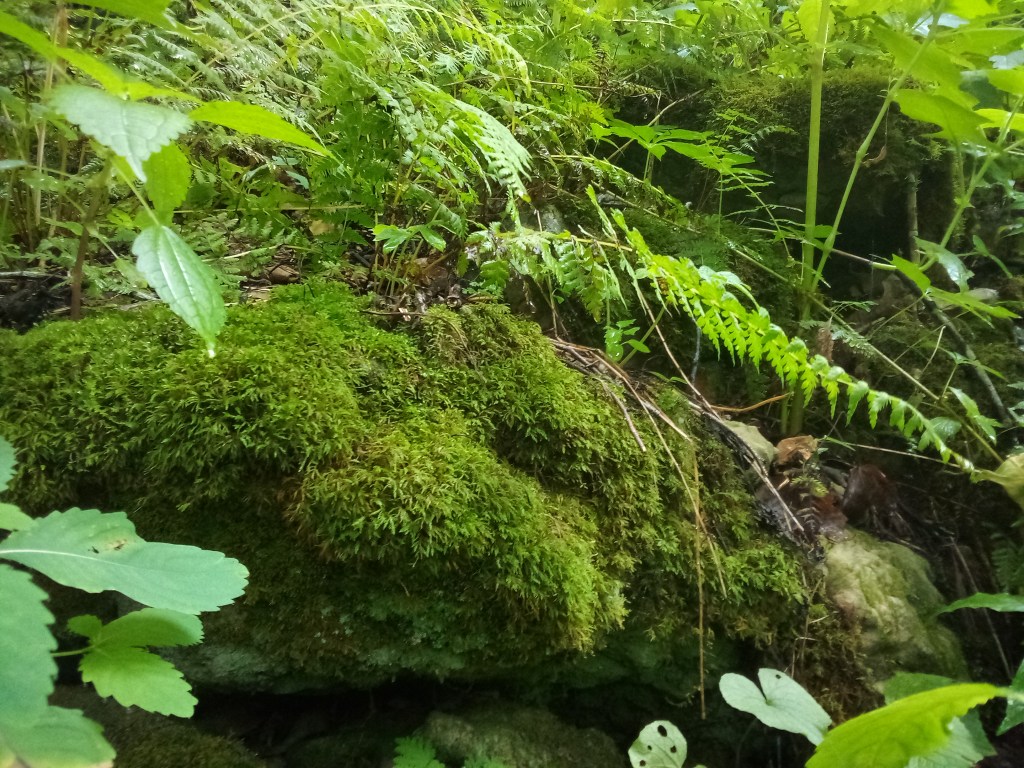
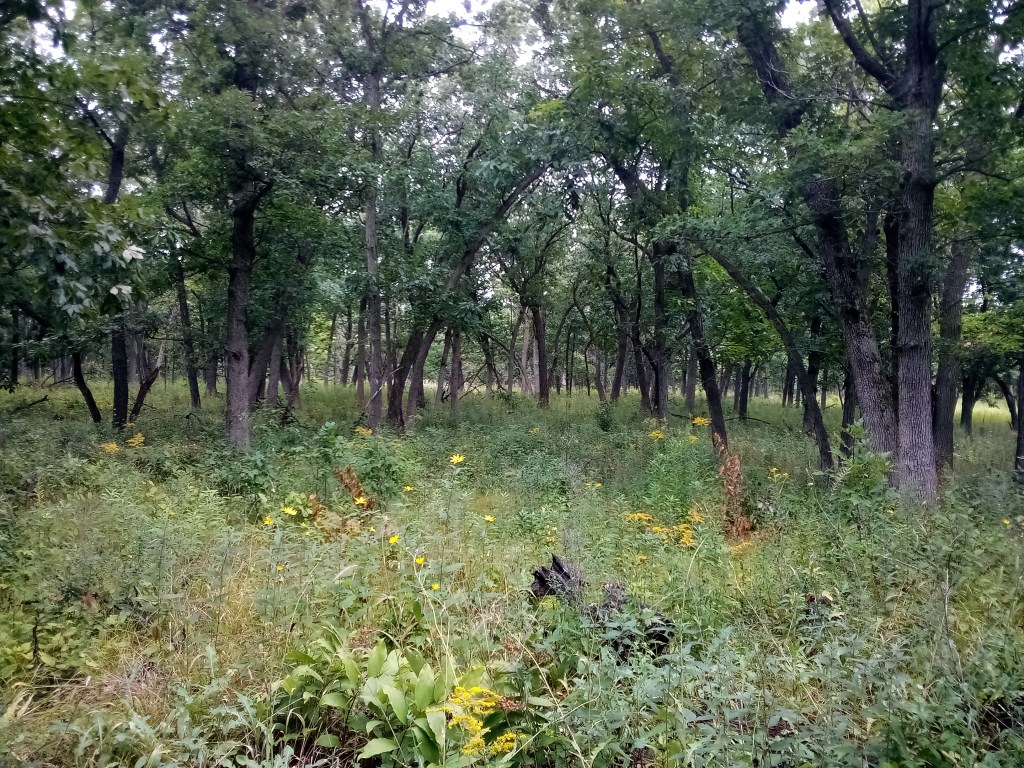
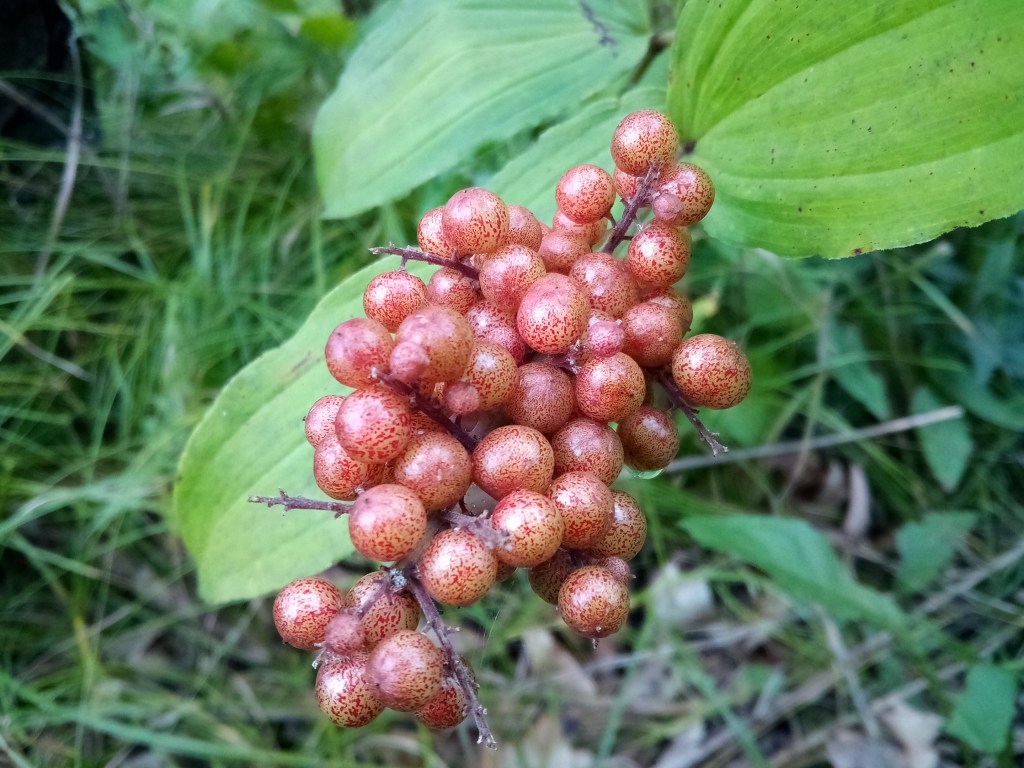
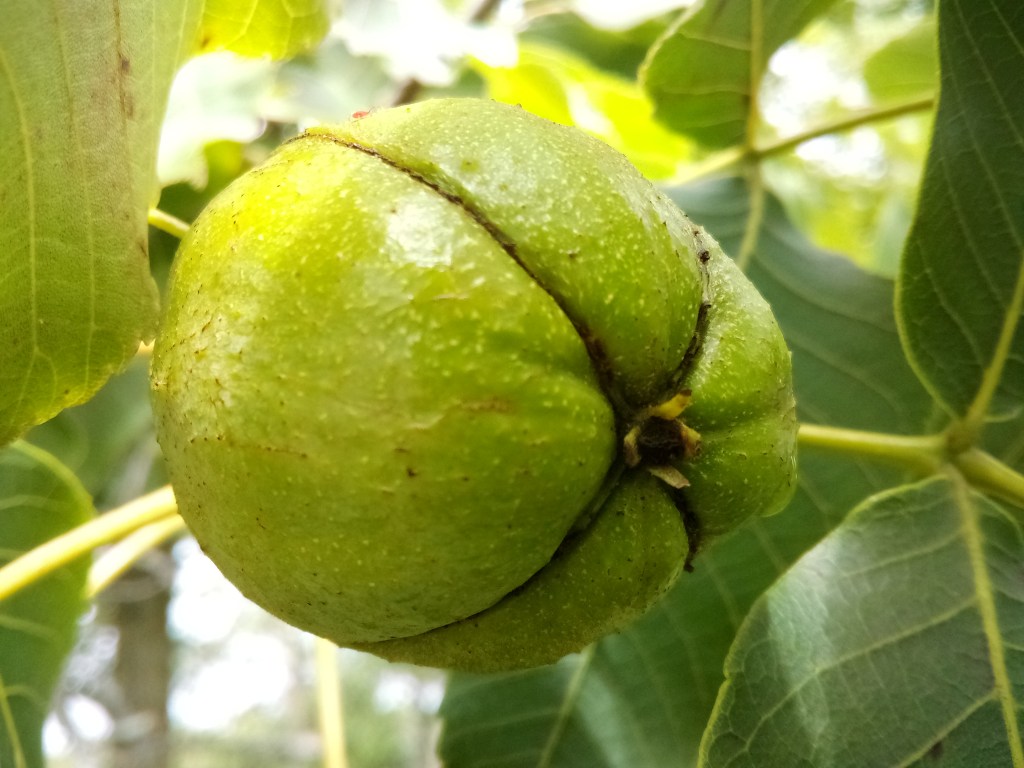
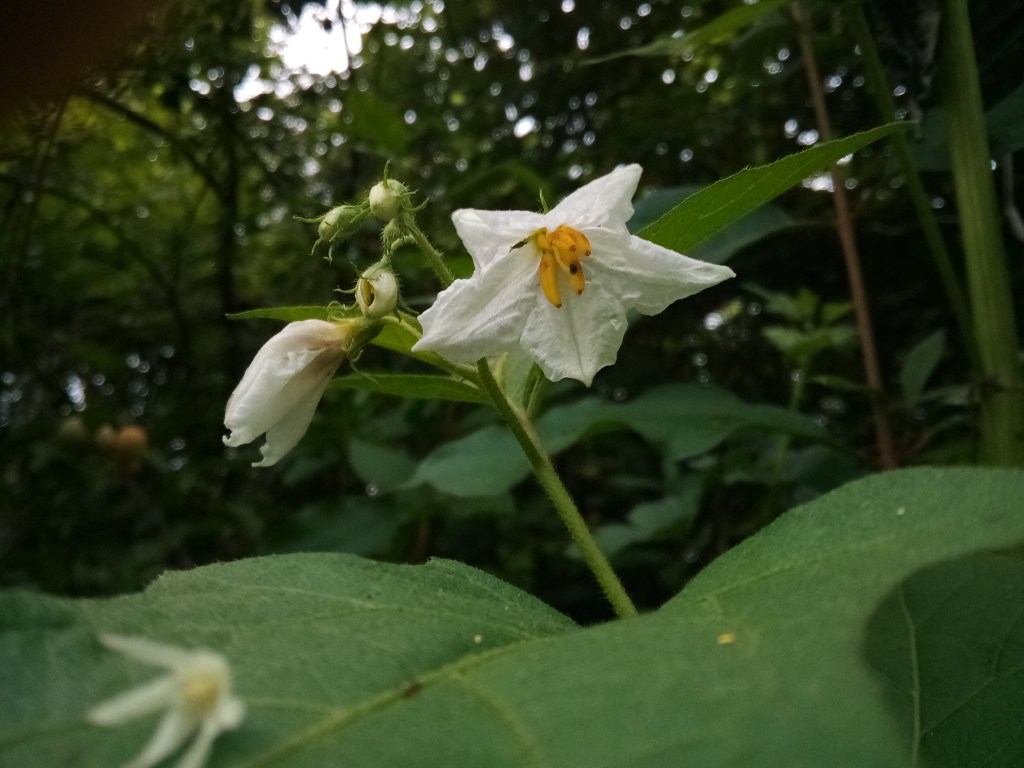
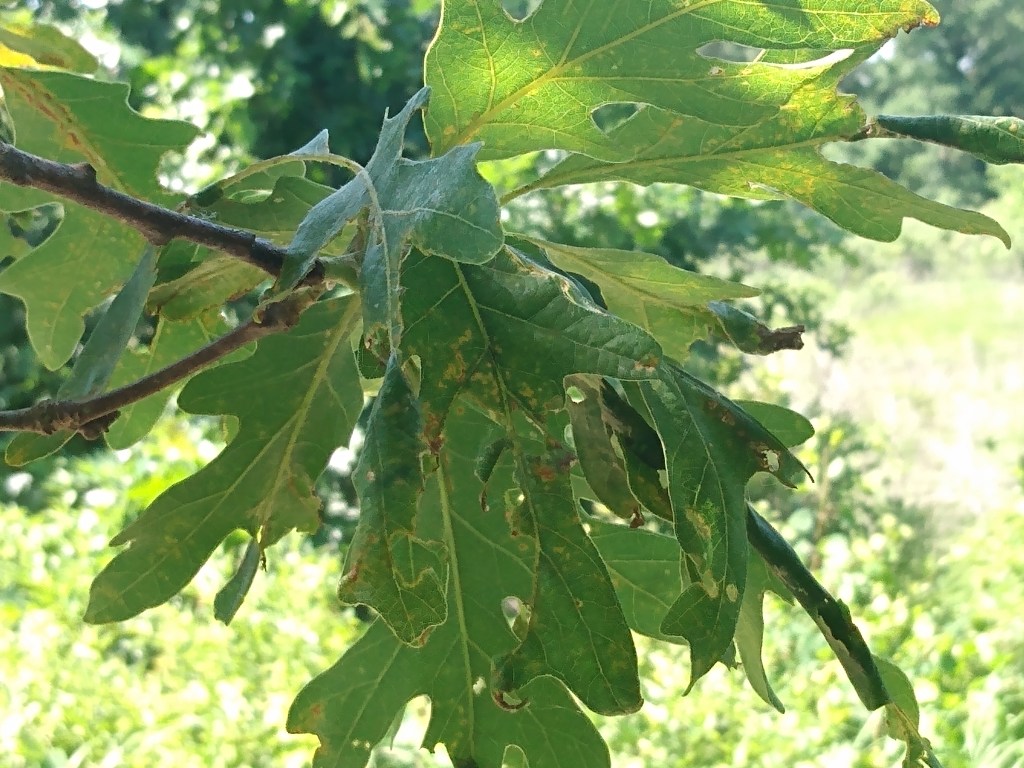
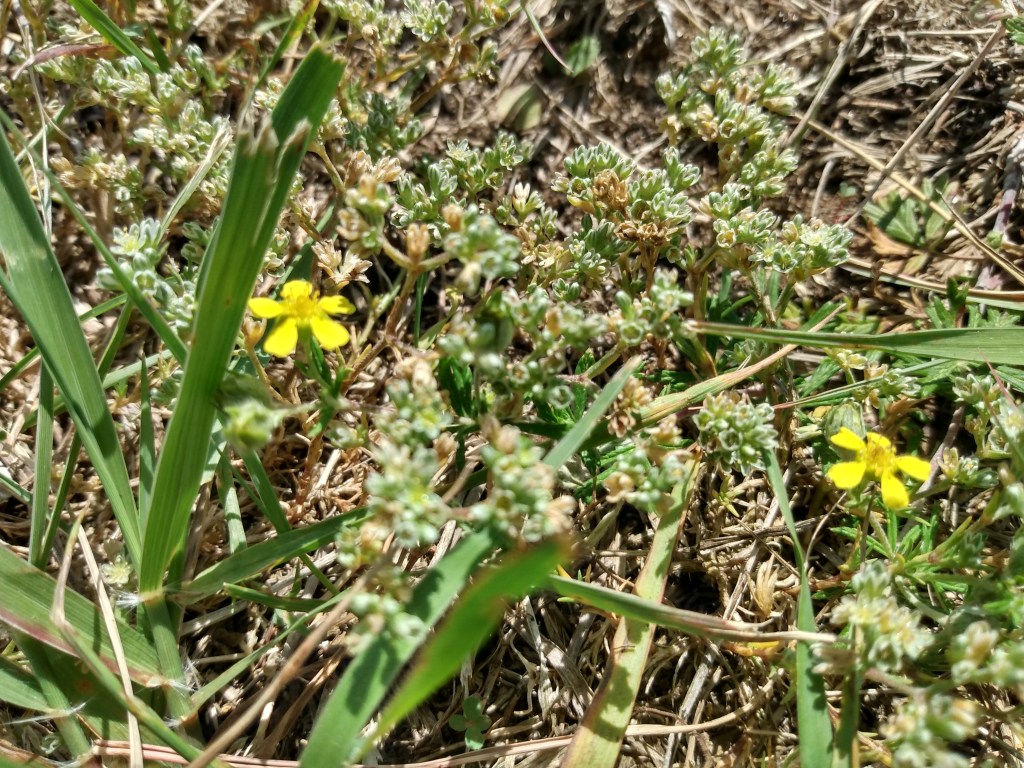
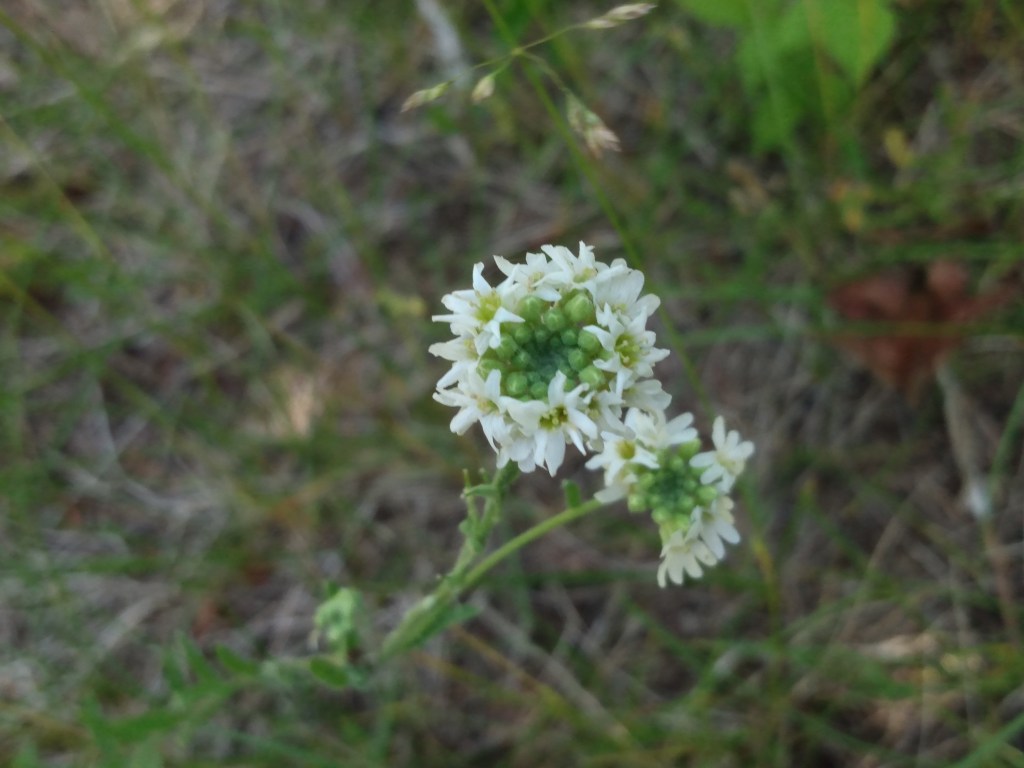
waupun park maple forest is a remnant old growth southern mesic forest. set in a county park, the wood is dominated by sugar maples, with a mix of oaks and linden, walnut and ash. a lack of shrub growth and abundance of spring ephemerals suggests the continued health of this forest.
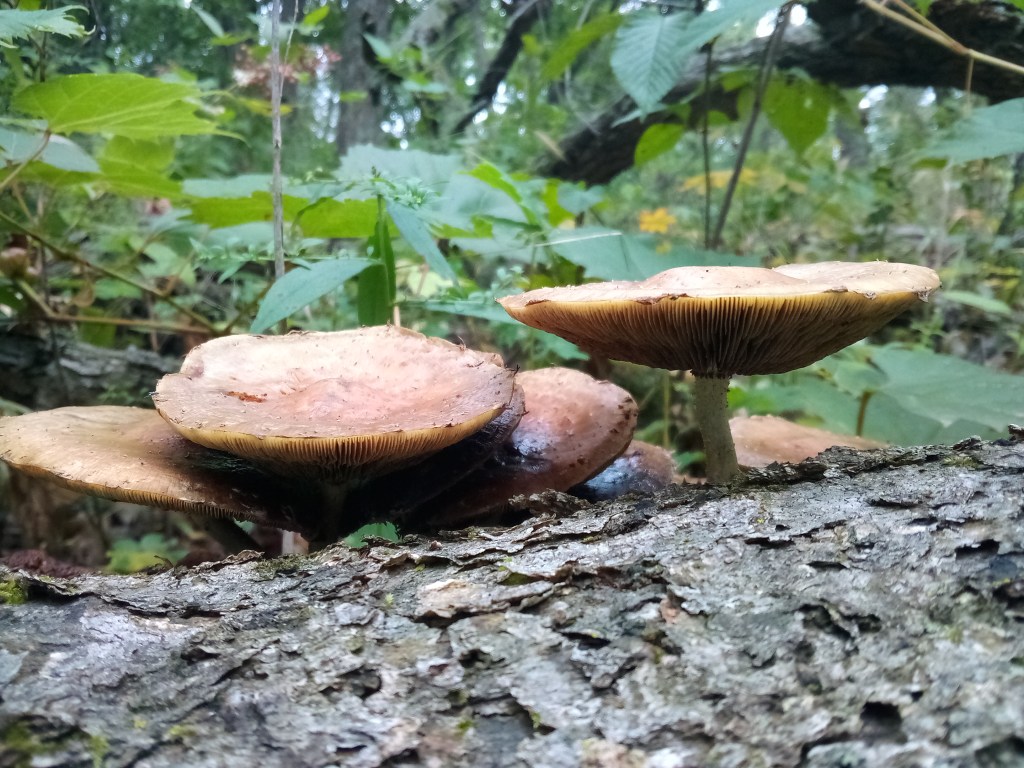
this was at the end of our day, so it was a shorter exploration than it might have been. but beautiful trees and so much fungi—late summer mycelial riches.
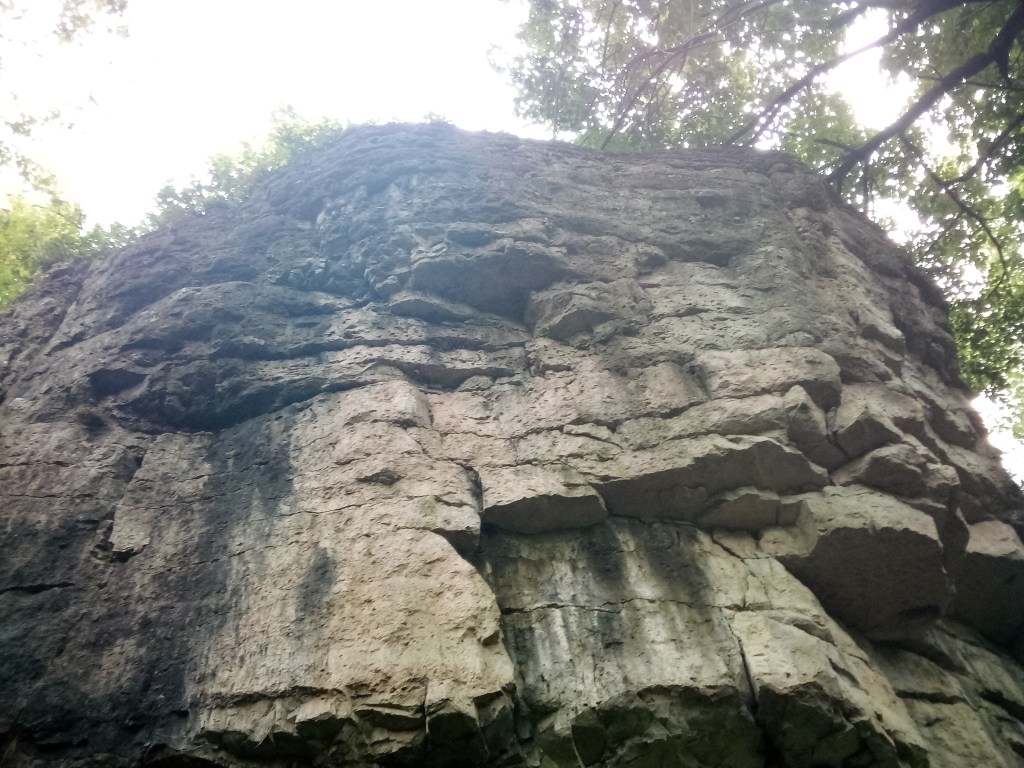
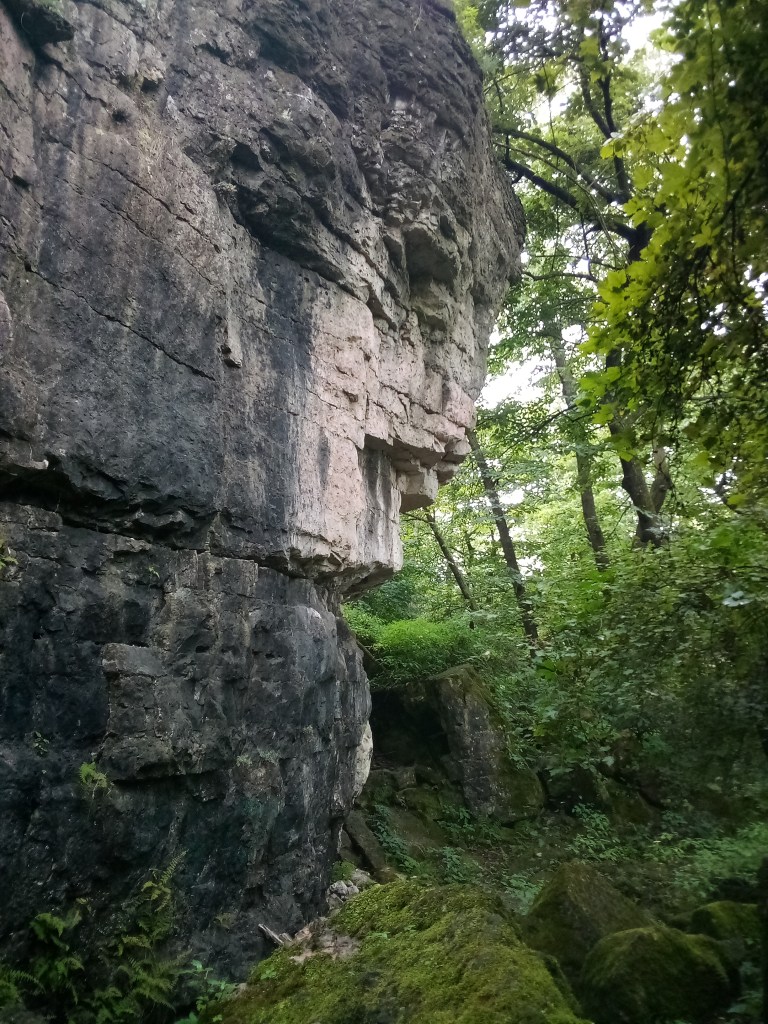
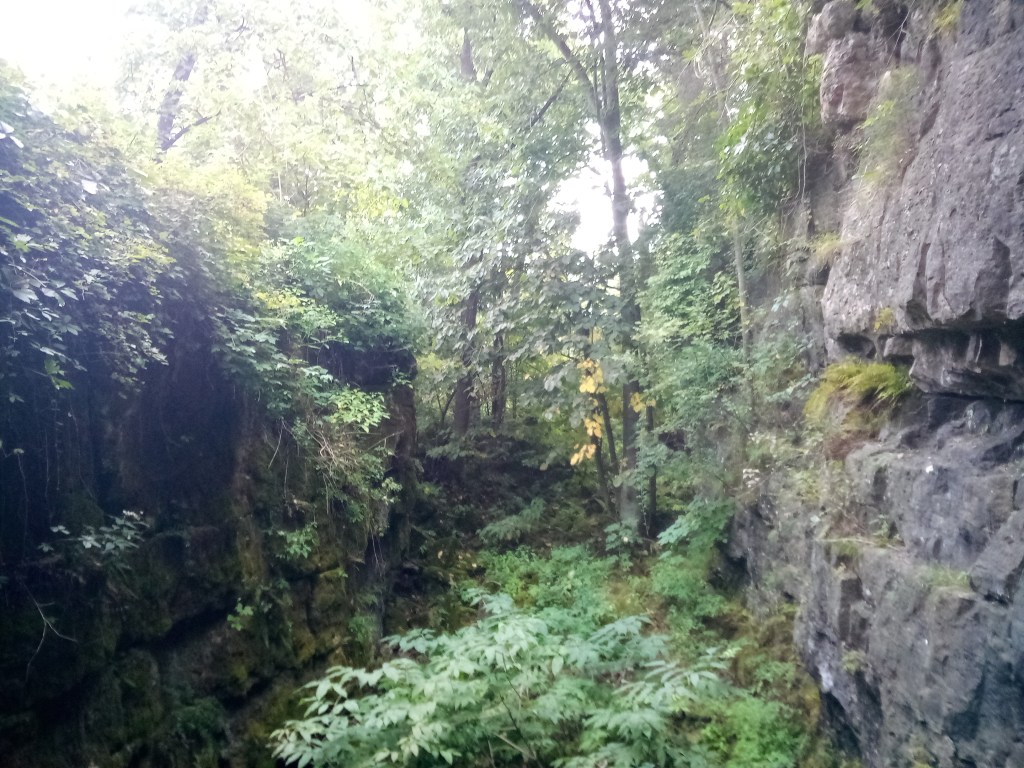
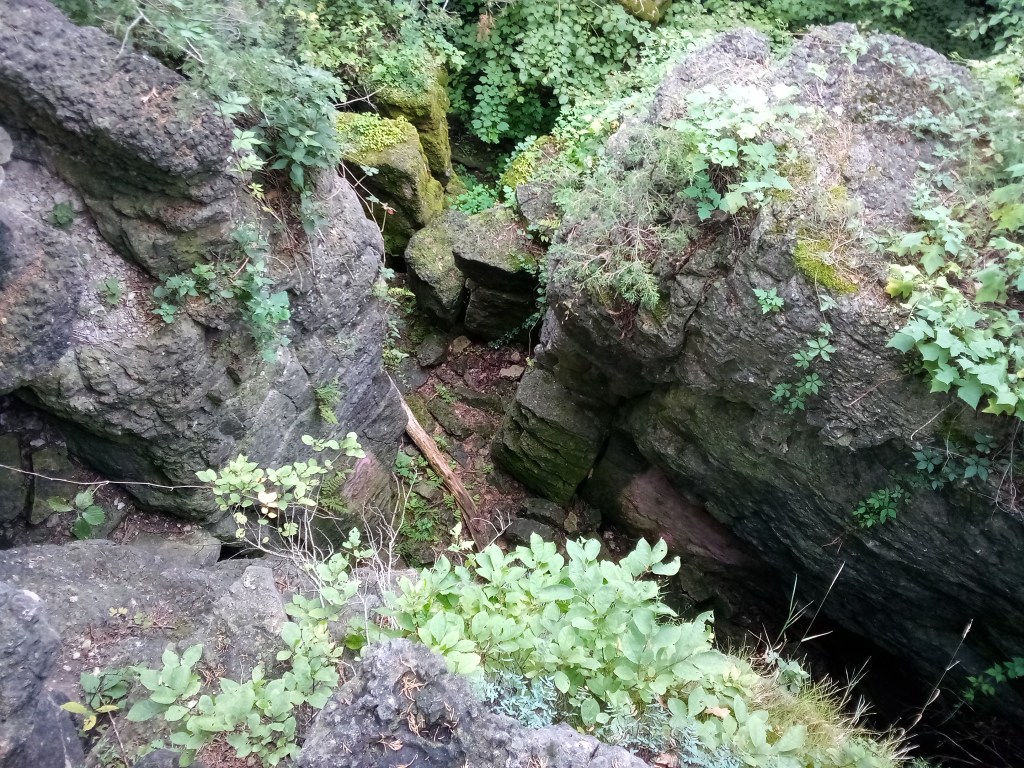
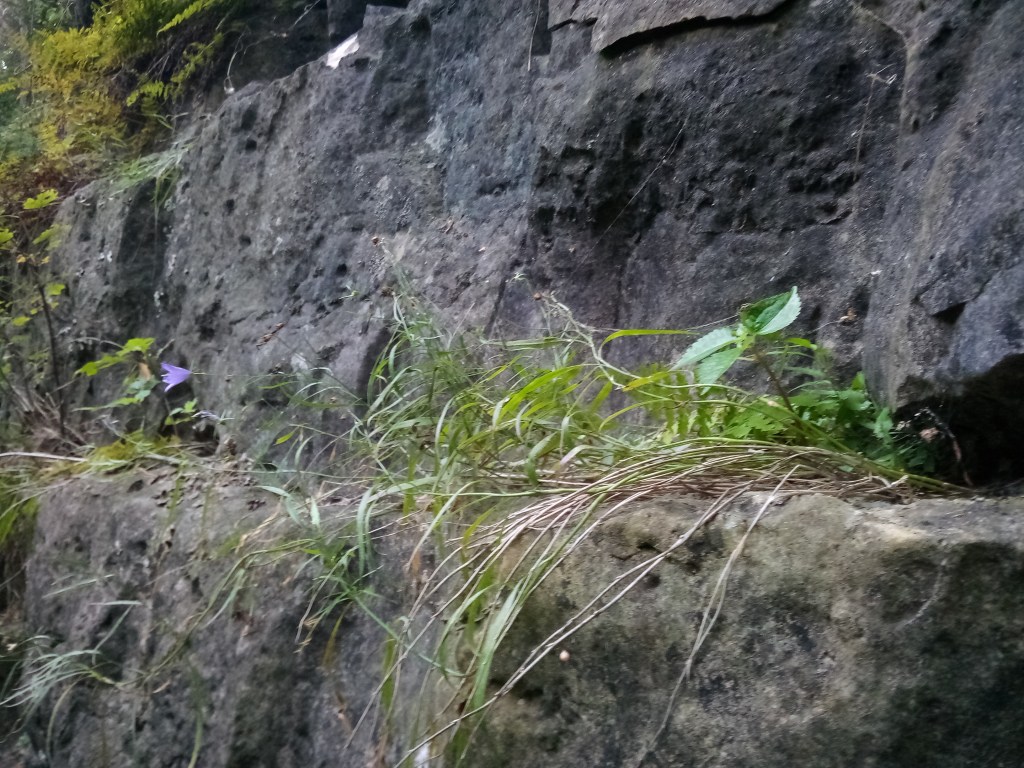
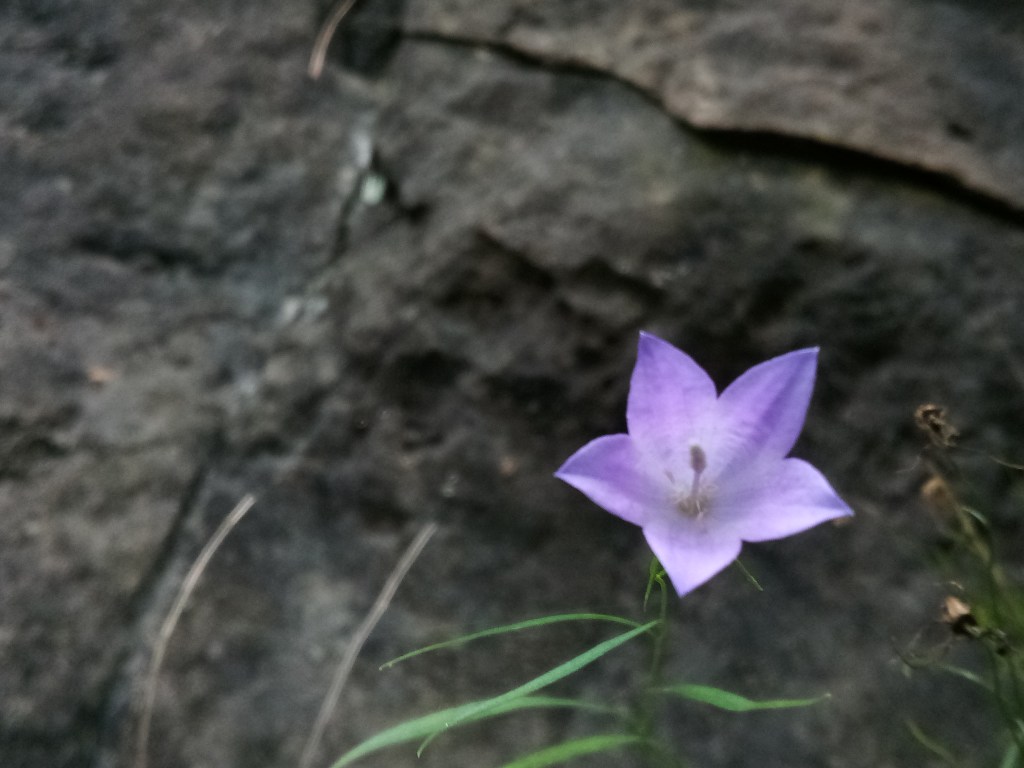
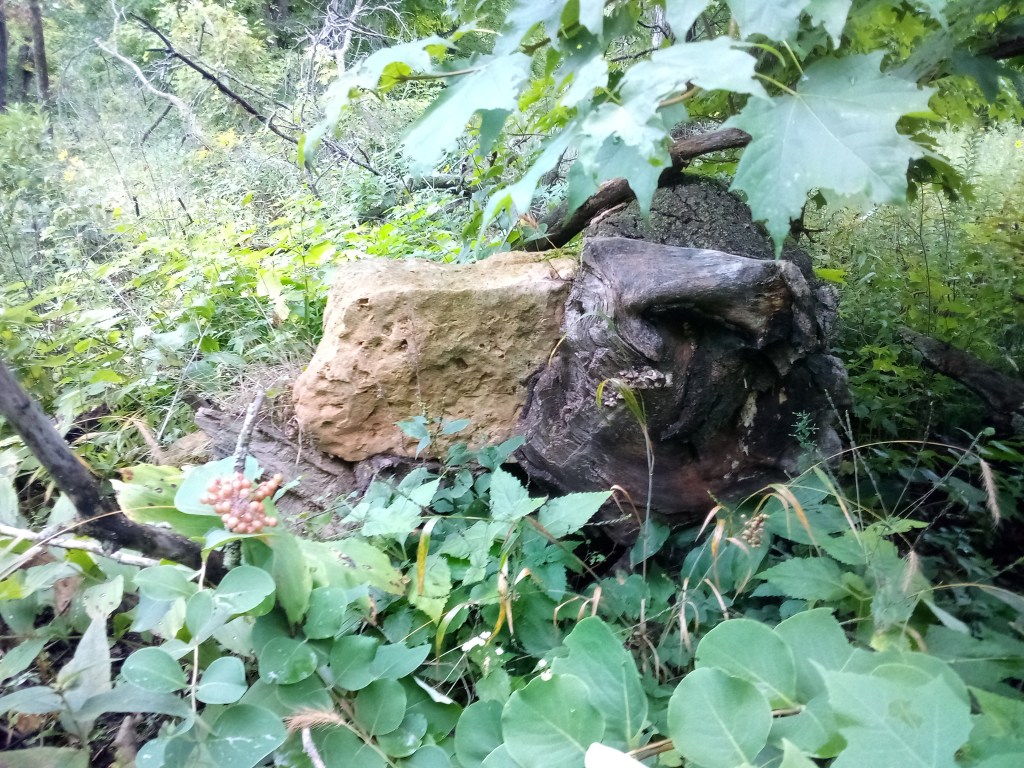
oakfield ledge is a section of the niagra escarpment of dolostone that ranges from new york up thru canada down into wisconsin a bit west of where i live in milwaukee. here the outcroppings are not as dramatic as door county’s shoreline cliffs, but they’re quieter and more heavily colonized by life given that they’re surrounded by woods.
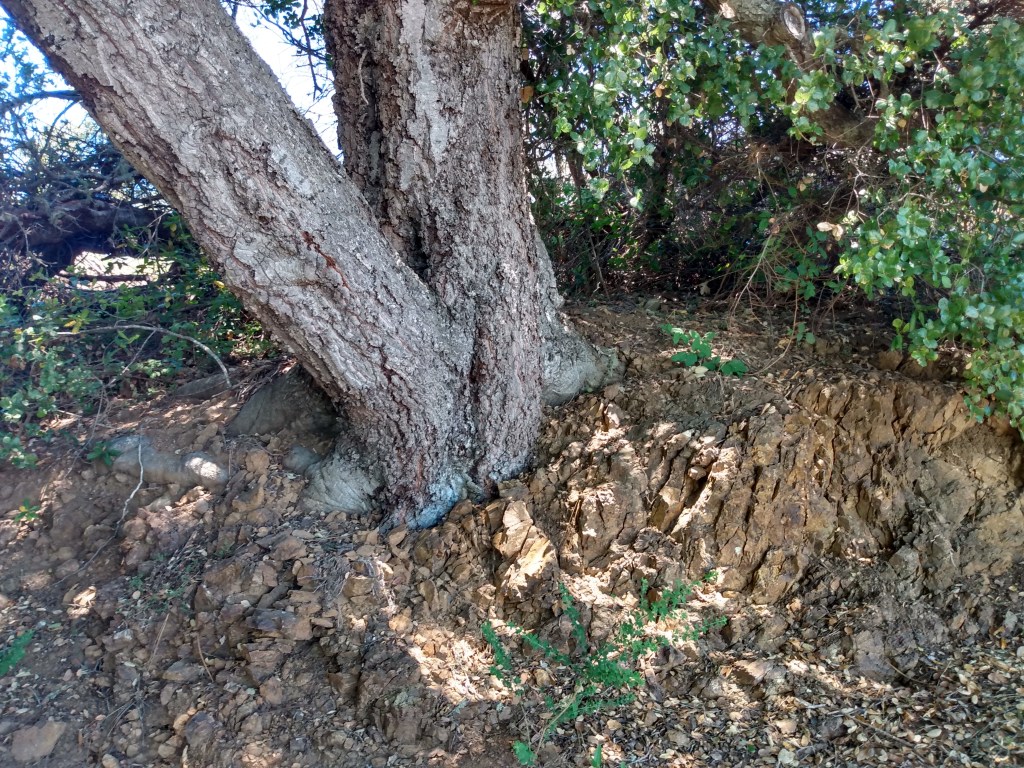
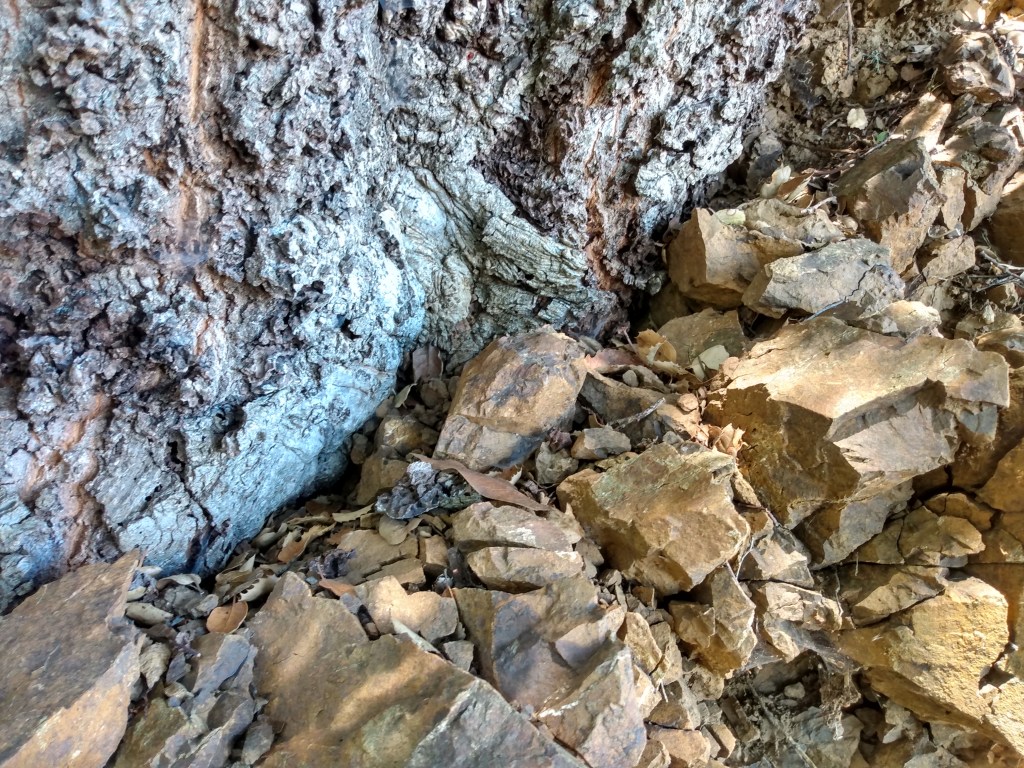
at this site in fond du lac county (not manitowoc like i put on twitter a few times!), deep fissures have formed in the dolostone’s fractures. b/c of this, we were able to get down into the escarpment, a first for me. usually the ledge is the side of a hill or a dropoff into water, so one can see it or walk on top of it, but not thru it. we spent a good amount of time down in the canyon. lots of life all over though, in the wood and in the little oak savanna on the edge of the site. late summer in the midwest.
the wdnr site says that a diverse snail fauna lives at the cliff base, but we sadly didn’t find any…
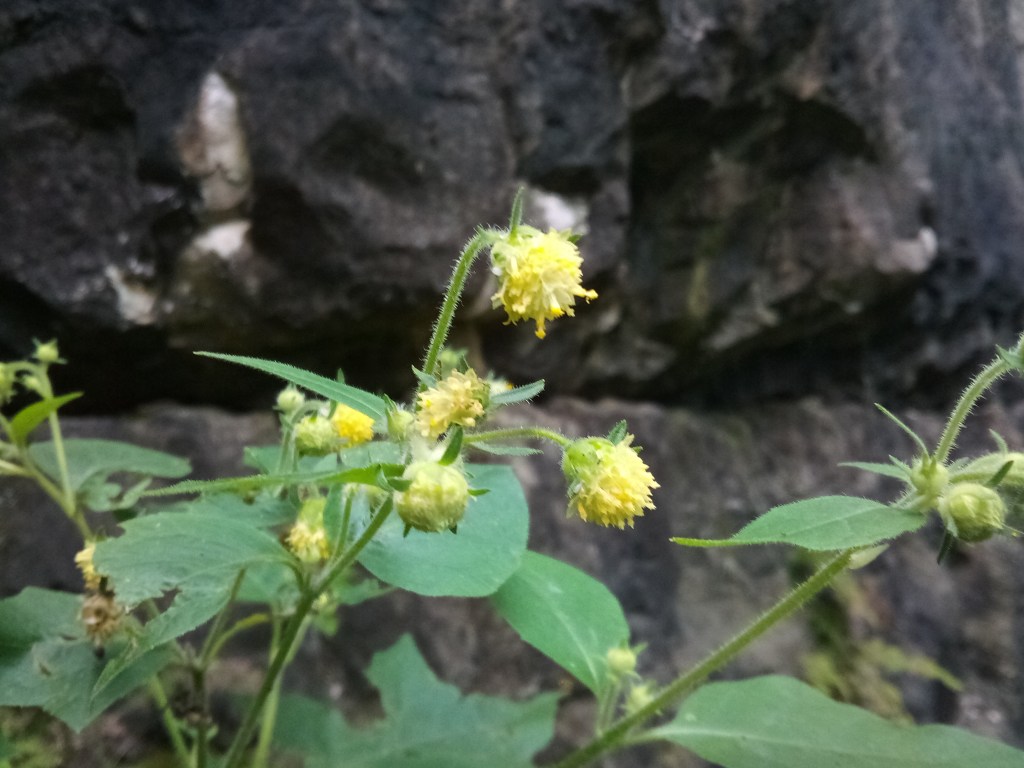
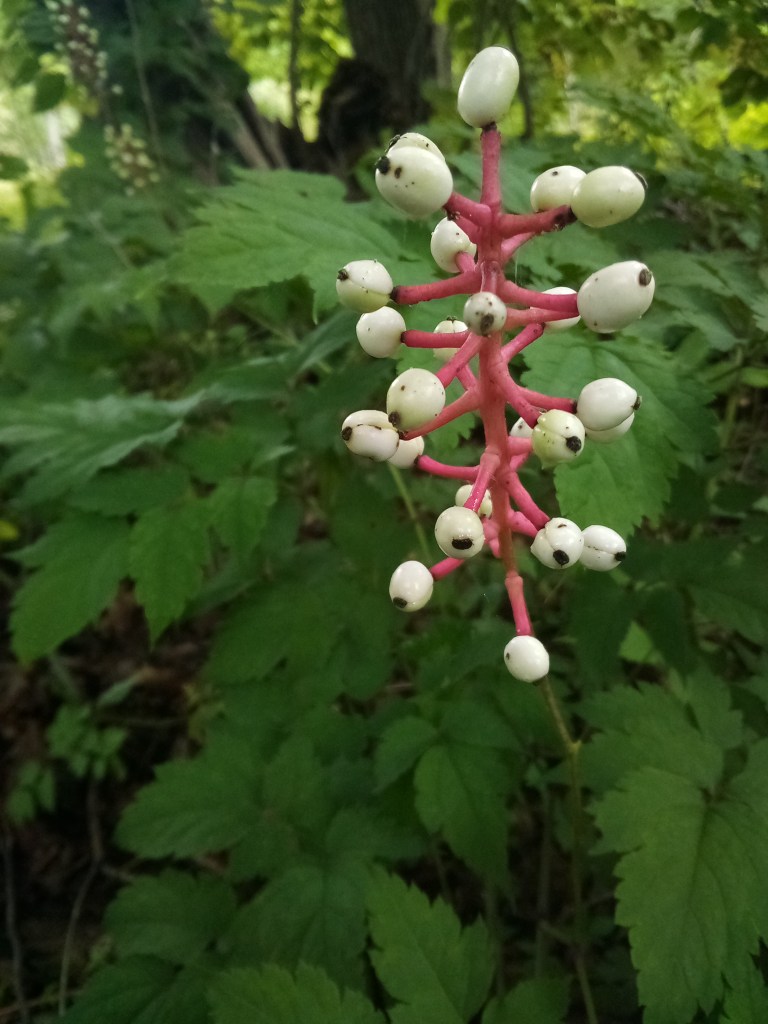
first id’s of white baneberry and pale-flowered leaf cup!
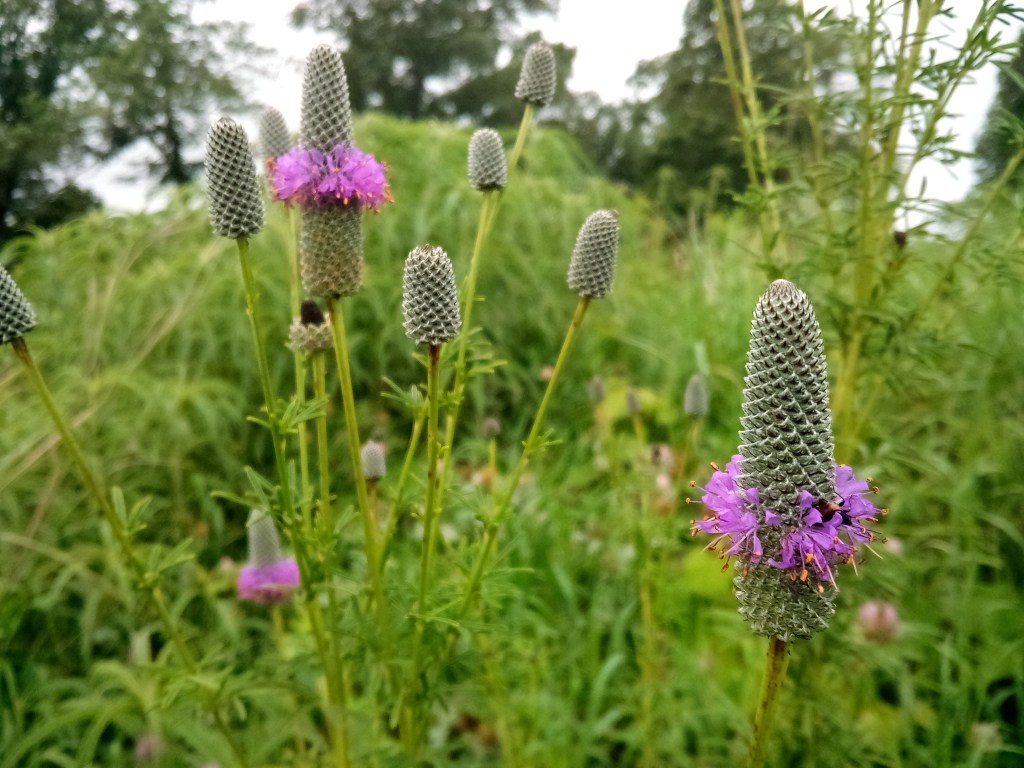
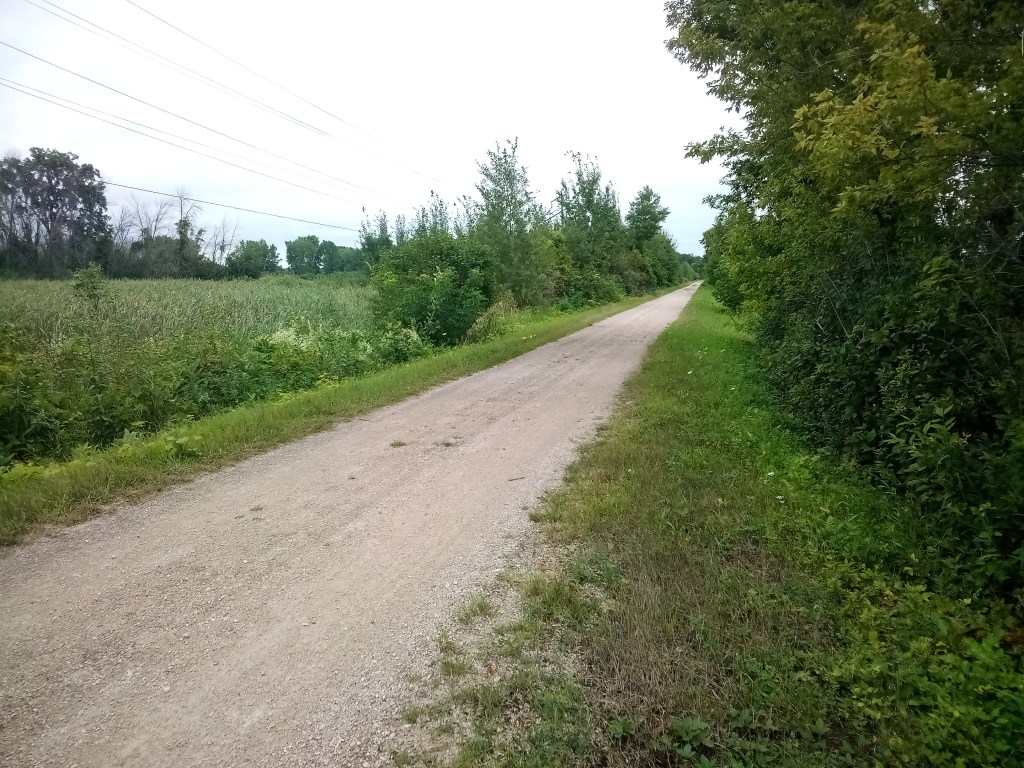
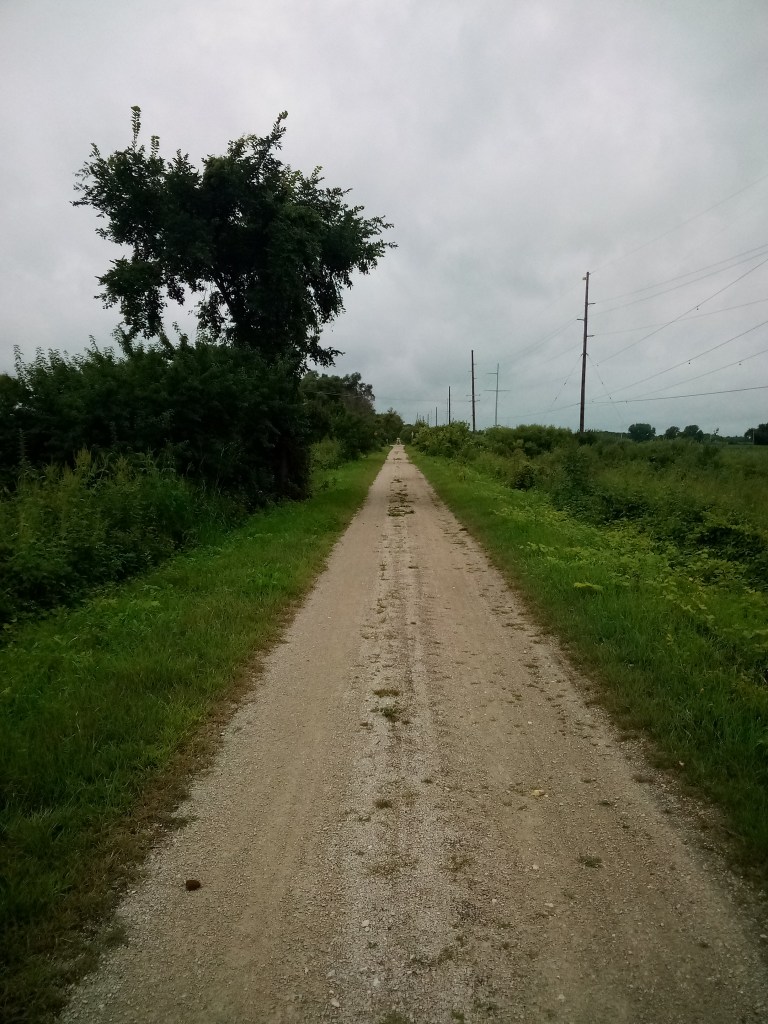
first intimate stop of the day. a former railroad, this sna is 10 acres in a straight line. lined with shrubs and trees, but still a surprisingly diverse prairie flora all along the way.
i’m grateful folks have activated these old rail lines so we can get to meet plants we might not elsewhere in human-shaped habitats. beautiful start to the day.
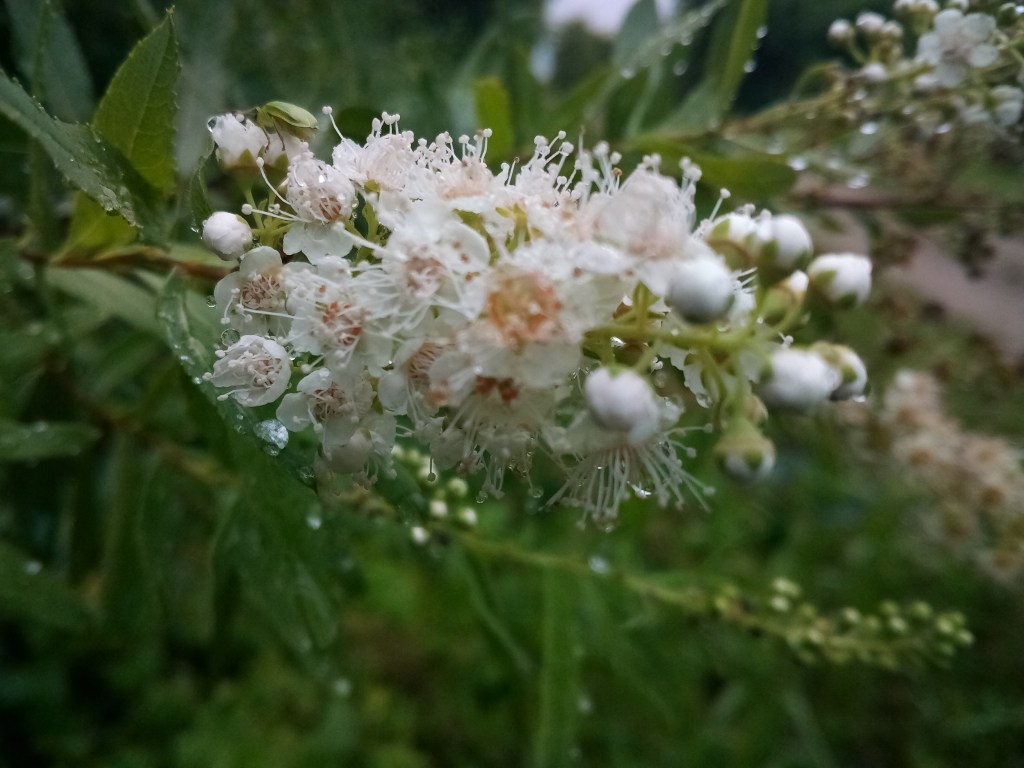
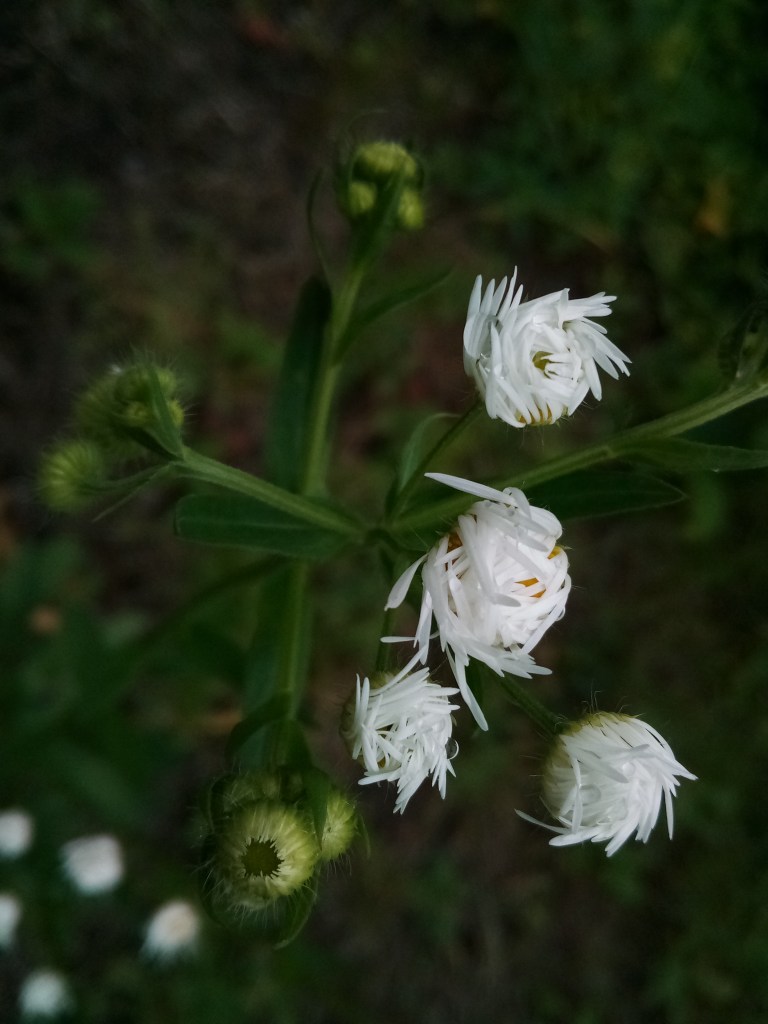
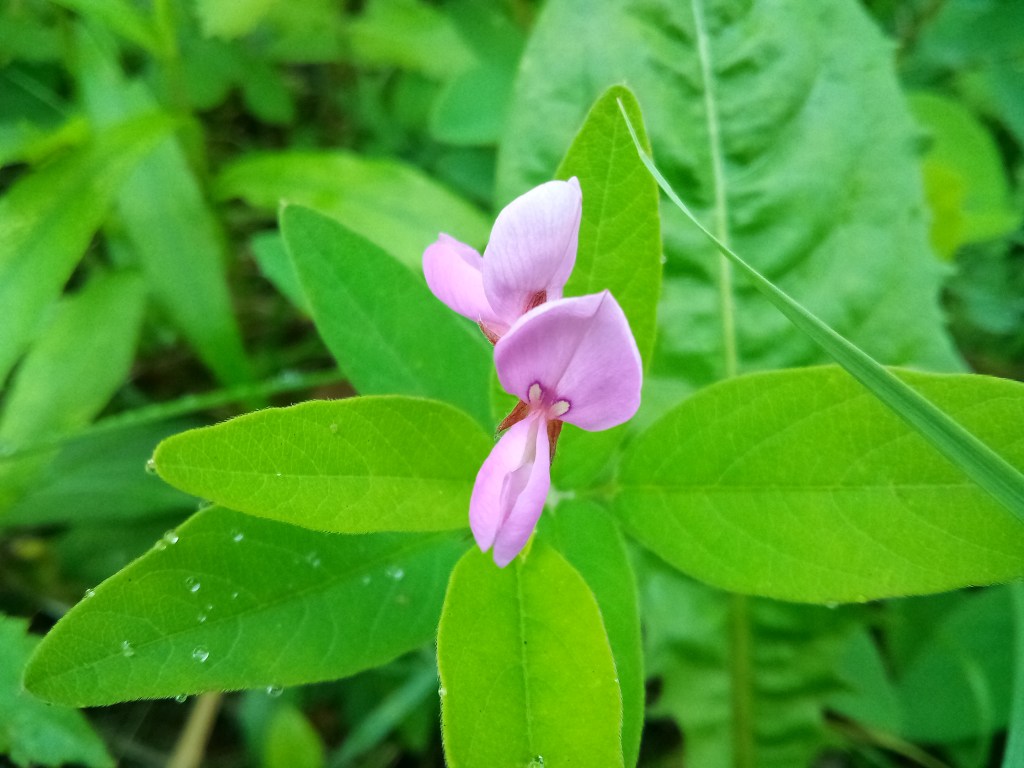
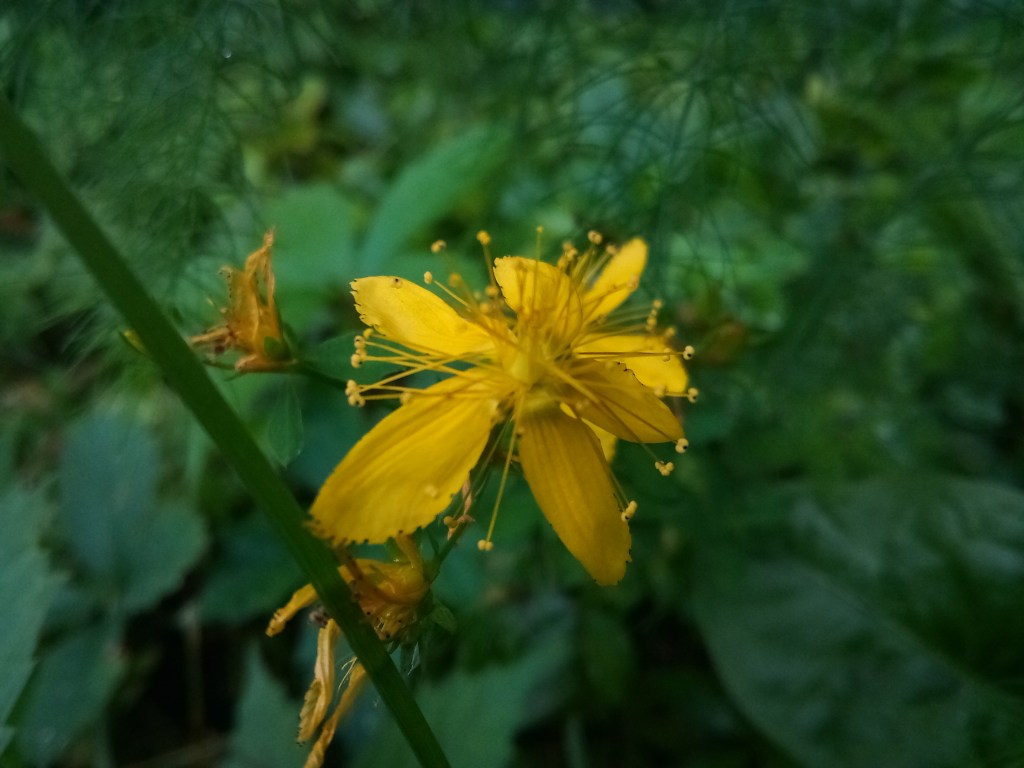
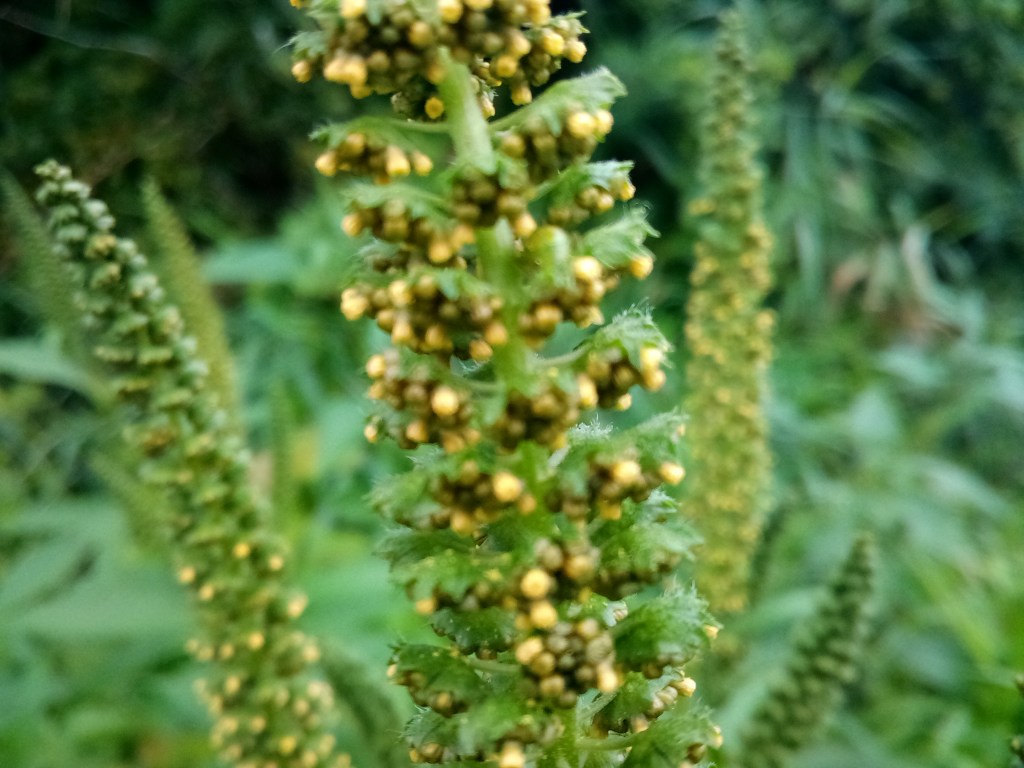
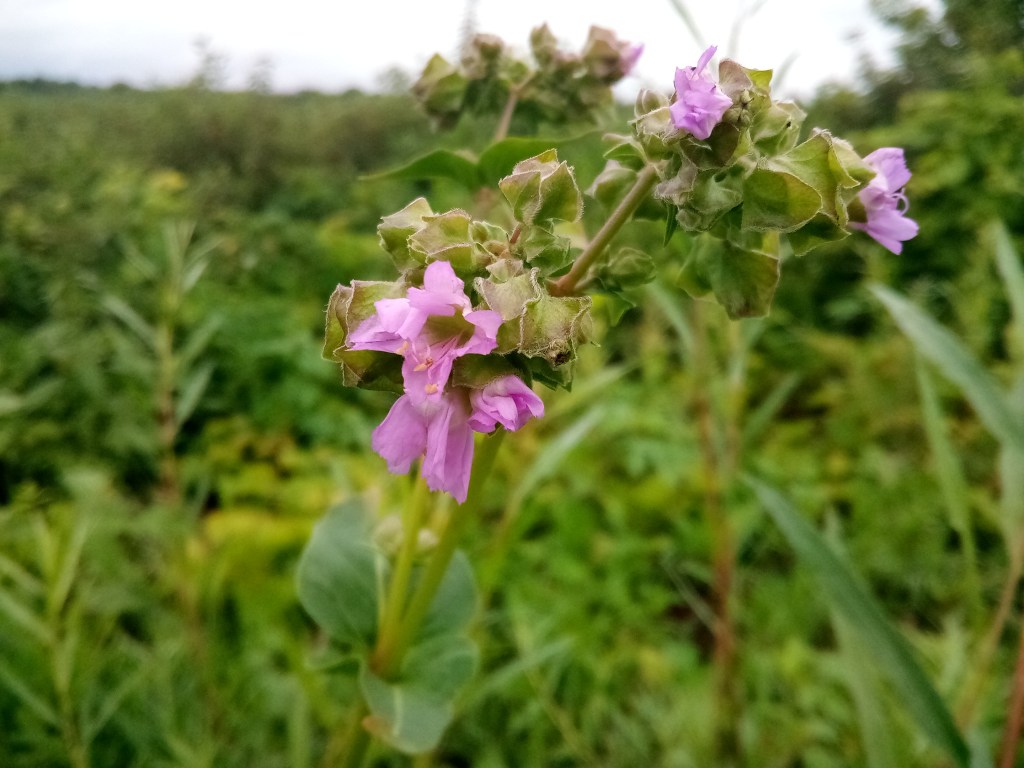
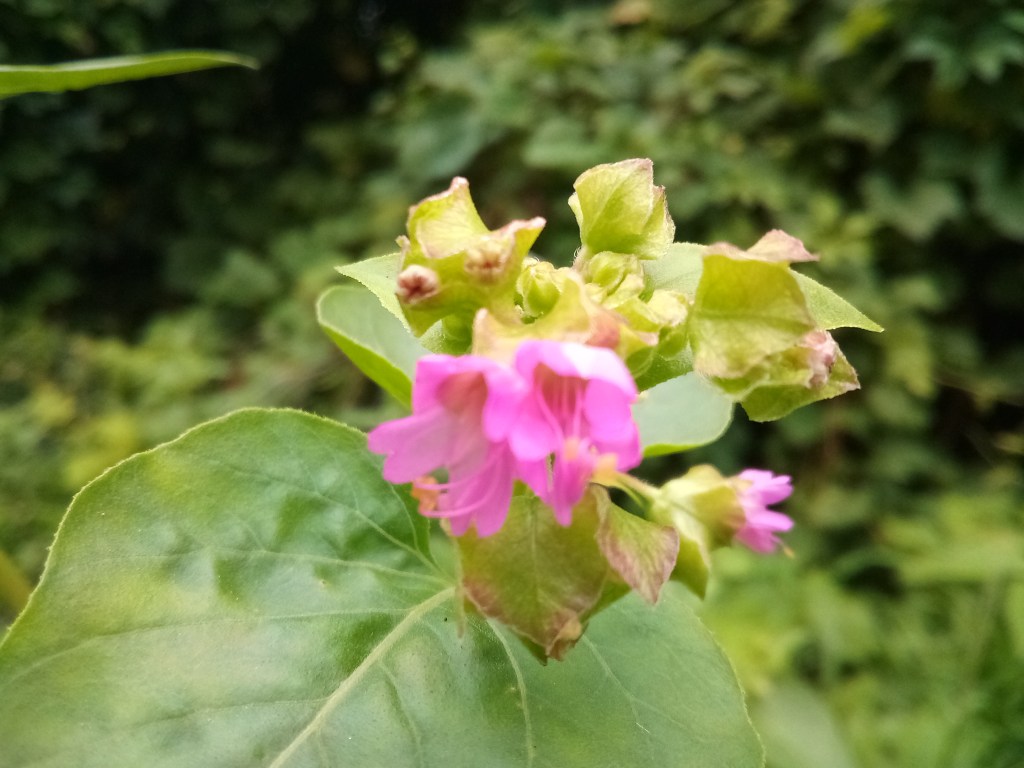
first id’s of four o’clock, meadowsweet, giant ragweed, wild cucumber, and tick-trefoil.
a.
straight-line habitat
all decked out:
white, purple, yellow
b.
where boxcars once hauled,
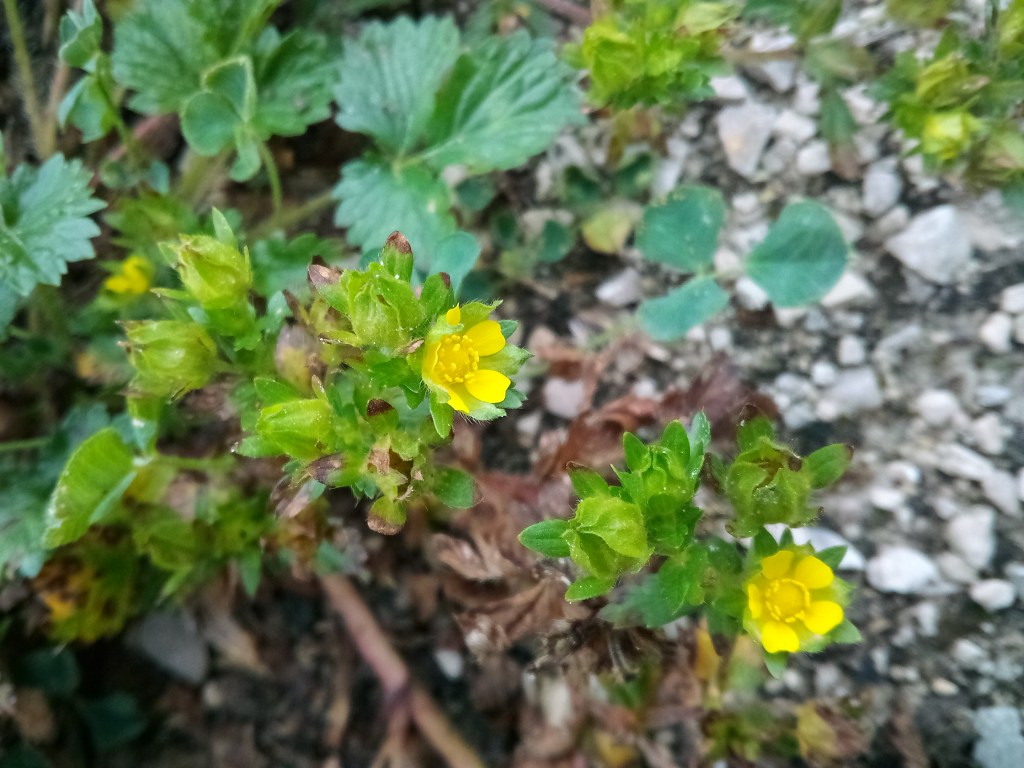
st. john’s wort
nestles in the grass
c.
little downy one,
now it’s just
you and four o’clocks
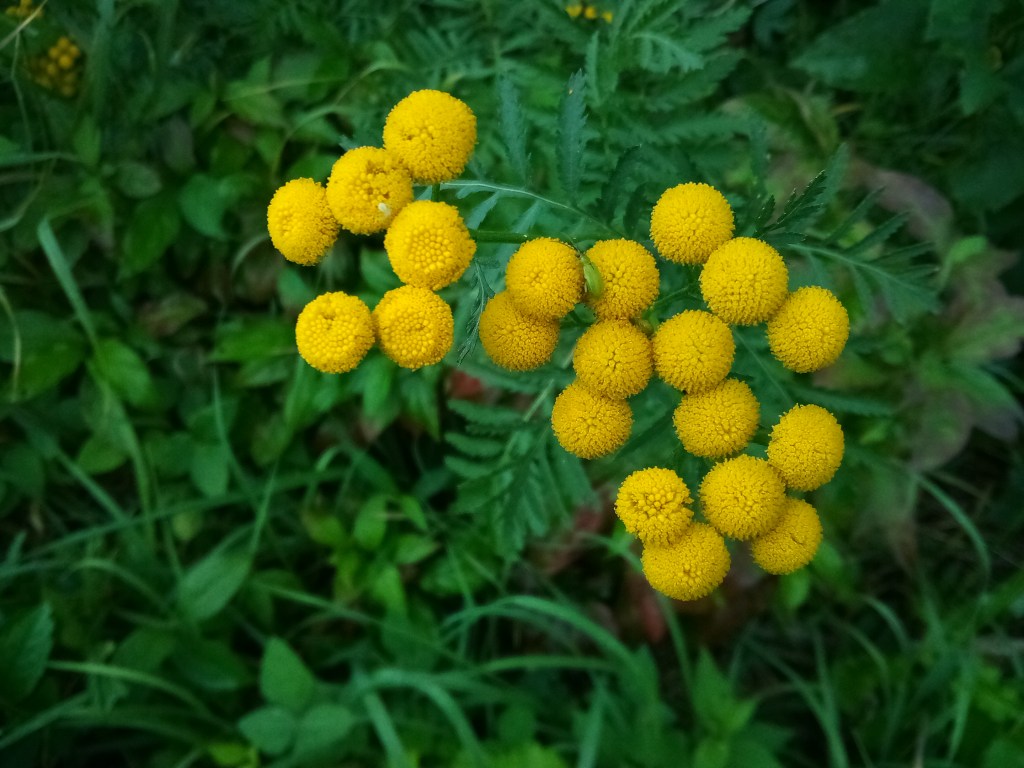
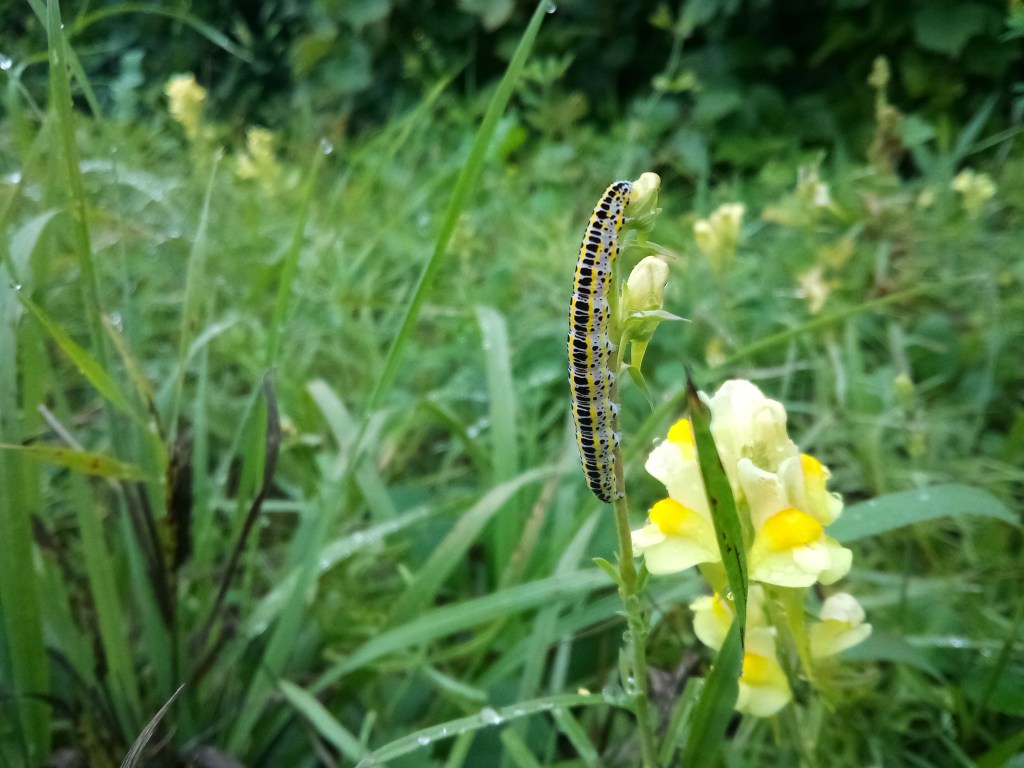
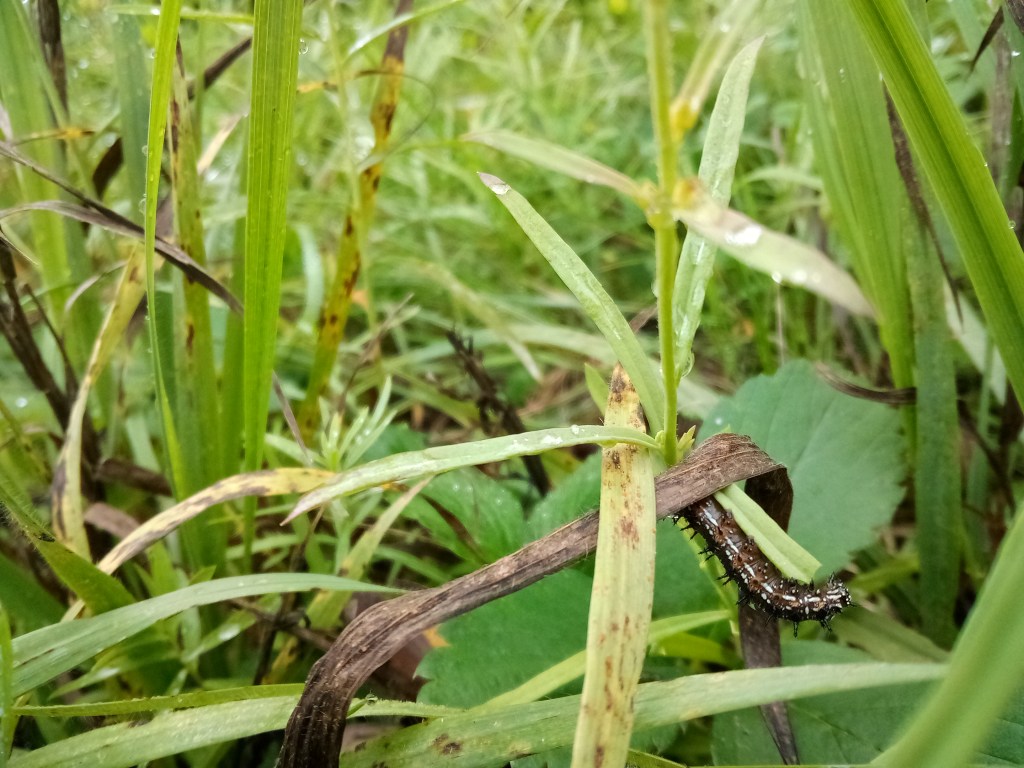
if you made it this far… caterpillars on toadflax! (plus a couple more plants)
this sna is a wet-mesic forest and wetland complex in a larger wildlife area, dominated by white cedar and surrounded by farmland. the wetland areas have indicator species for calcium-rich water.
it’s the end of summer, so plant growth is at its peak. this, combined with the navigability of the saturated soils, the lack of paths, and the disturbing sound of what we can only assume was a hog-slaughtering occurring on a farm in an adjacent valley, precluded us from getting deep into the forest. but on a stretch of road away from that valley i was able to get in a bit and nose around, to the less bone-chilling sound of sandhill cranes in the fields across the street.
a less immersive and interactive stop than those later in the day.
new camaldoli hermitage, founded in 1959 by camaldolese monks based in italy, sits on a mountain in the santa lucia range overlooking the pacific ocean in big sur, california. it is a vibrant contemplative community of monks with daughter houses in berkeley and san luis obispo.
i have a particular affection for the camaldolese since my spiritual mother‘s teacher was bede griffiths, an english benedictine monk who ended up as superior at saccidananda ashram in tamil nadu, india, which ended up incorporated into the camaldolese order. plus, i’m very keen on the works of one of new camaldoli’s original monks, fr. bruno barnhart, and of the current prior, cyprian consiglio. the hermitage is well worth checking out if you’re in the area or looking for a spectacular place for a retreat.
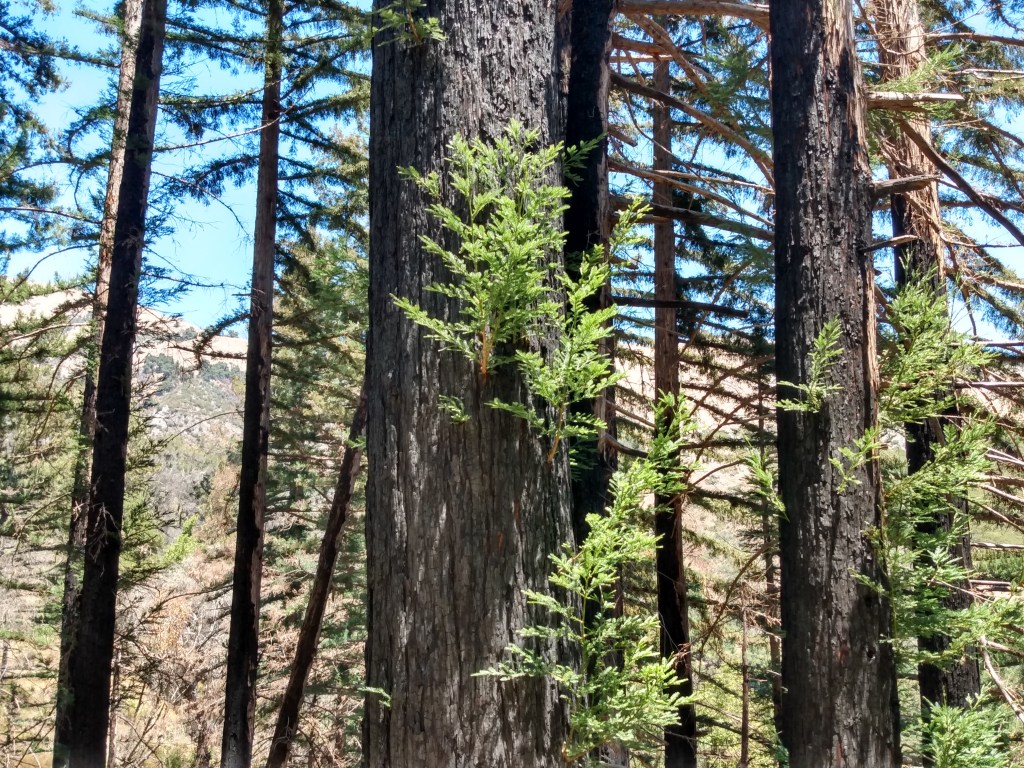
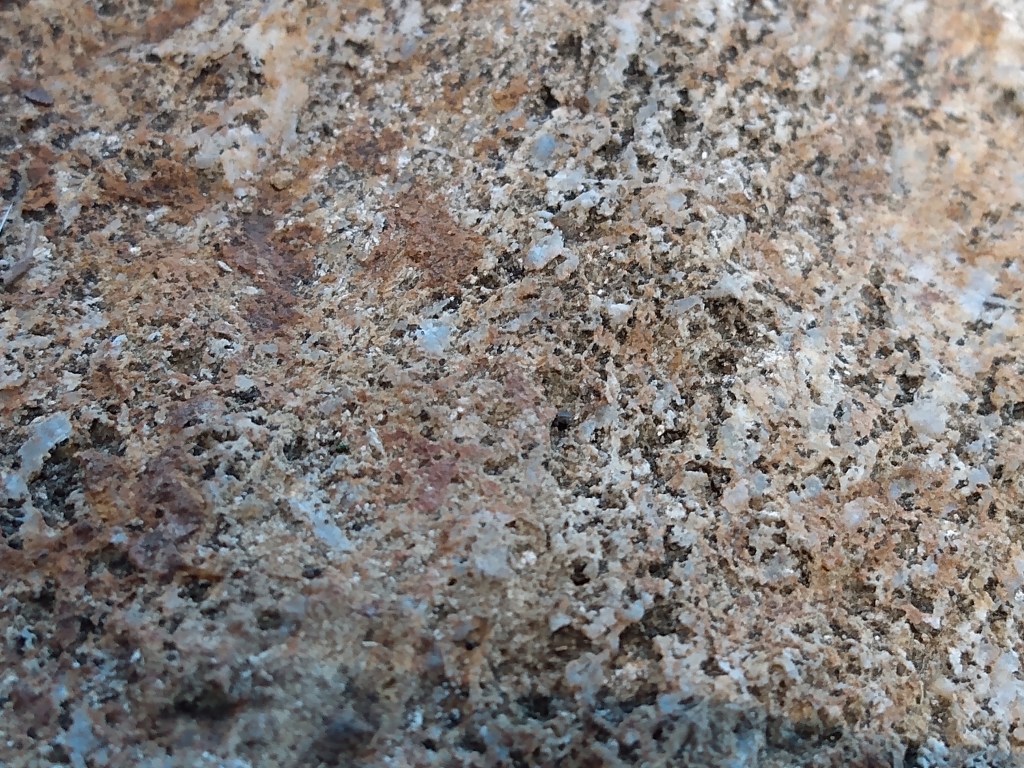
the fence loop trail winds up beyond the hermitage, and we hadn’t climbed it before our visit a couple weeks ago. a beautiful walk with views of canyon and mountain and ocean and sky. redwoods and granitic rock.
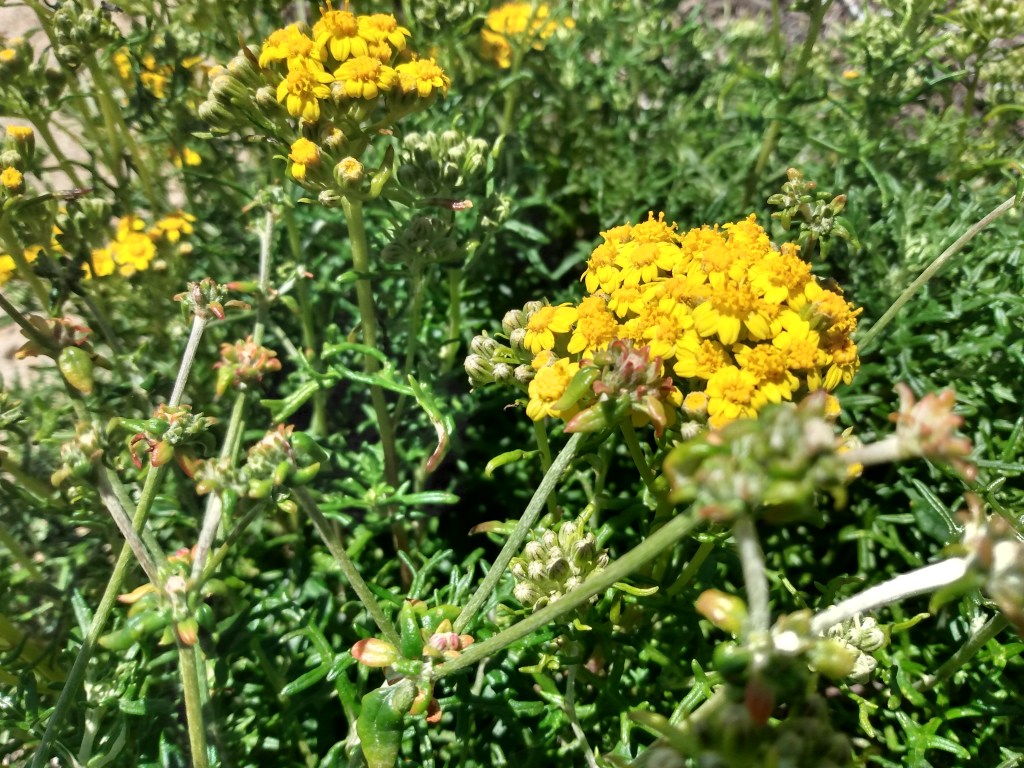
beside hwy 1 in california, just as one descends on big sur from the north, lies garrapata state park and its bluff trail. we went up and down the mazey path along the bluff, enjoying the persuasive breeze and bare sun on the bluffside. and the flowers! clinging to the rock and sand for dear life all around.
in addition, one of the strangest sights i’ve ever come across: on the initial passage out to the bluff side, one comes upon a cove, and as i walked out to the overlook on a dusty path to spy the cove in more detail a massive corpse met my eyes, a whale deceased in the surf, gently tossing. i hesitated to take pictures, but didn’t want to hide the encounter and fall prey to the temptation to romanticize the natural world. it was a pity to see, but the vultures were already getting ready to eat for days, and many other creatures were surely going to be fed for longer. so it’s here, as the last set of pictures at the bottom; don’t scroll all the way down if you’d rather not see, please.
on brighter notes, first id’s of clawberry, sticky monkey flower, scarlet pimpernel, woolly sunflower (“seaside” methinks), and false bindweed (calystegia).
san antonio de padua mission is 86 acres of the valley of the oaks in california’s central coast, a mission founded by the spanish in 1771. it’s off the beaten path, moreso than the other ca missions at least, and is inside a military base perimeter. very hot and the hills looked over a pretty harsh landscape. beautiful though, and the smell! very different for old wisconsinites from the southeast glacial plains.
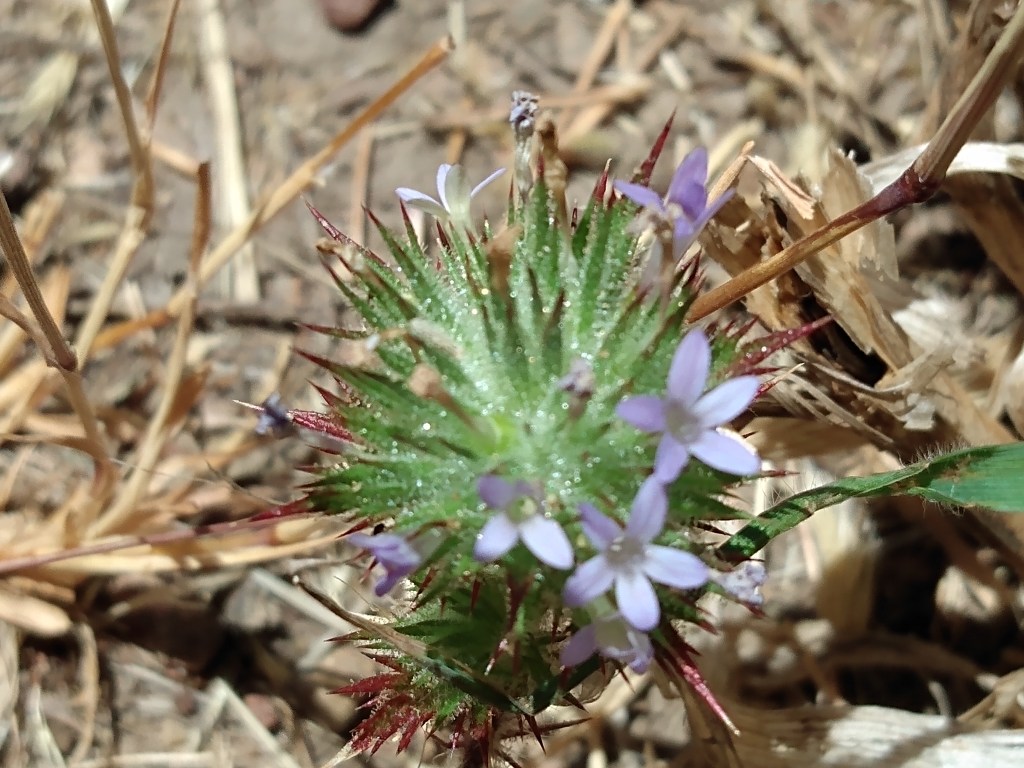
had a good self-guided tour. a solid community of devoted parishioners out there, but also realizing they’re all getting older and the young are moving away. who knows? difficult history, but the land held its own and continues. first id’s of spanish clover and a pincushionplant (naverretia, not sure what species).
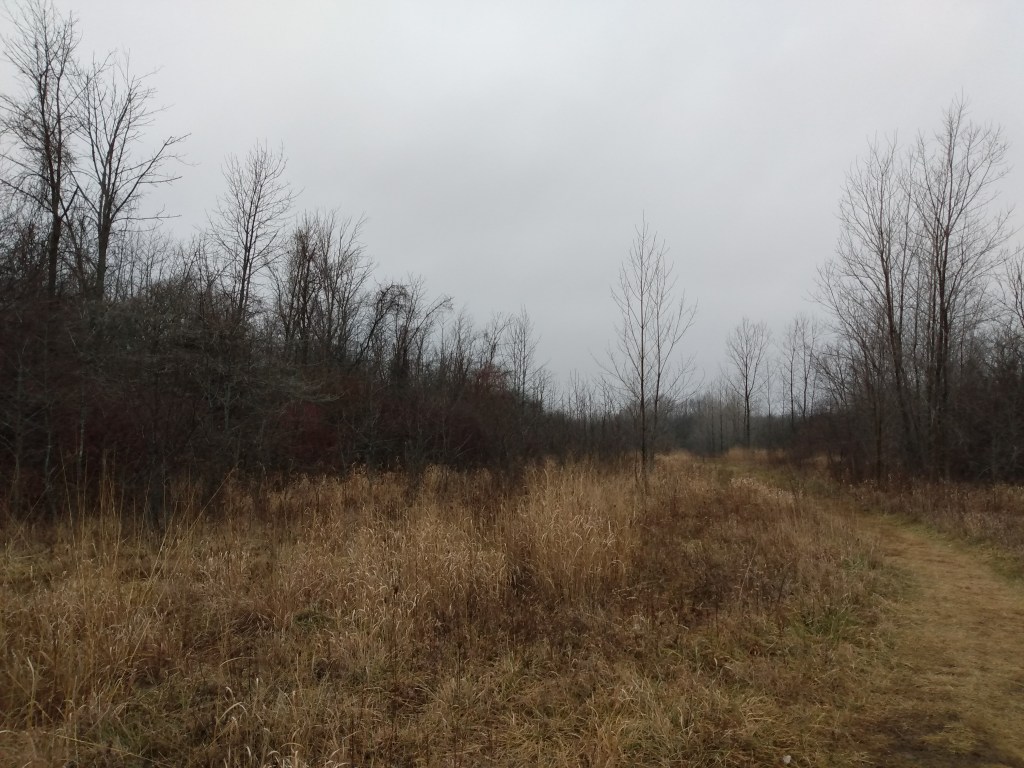
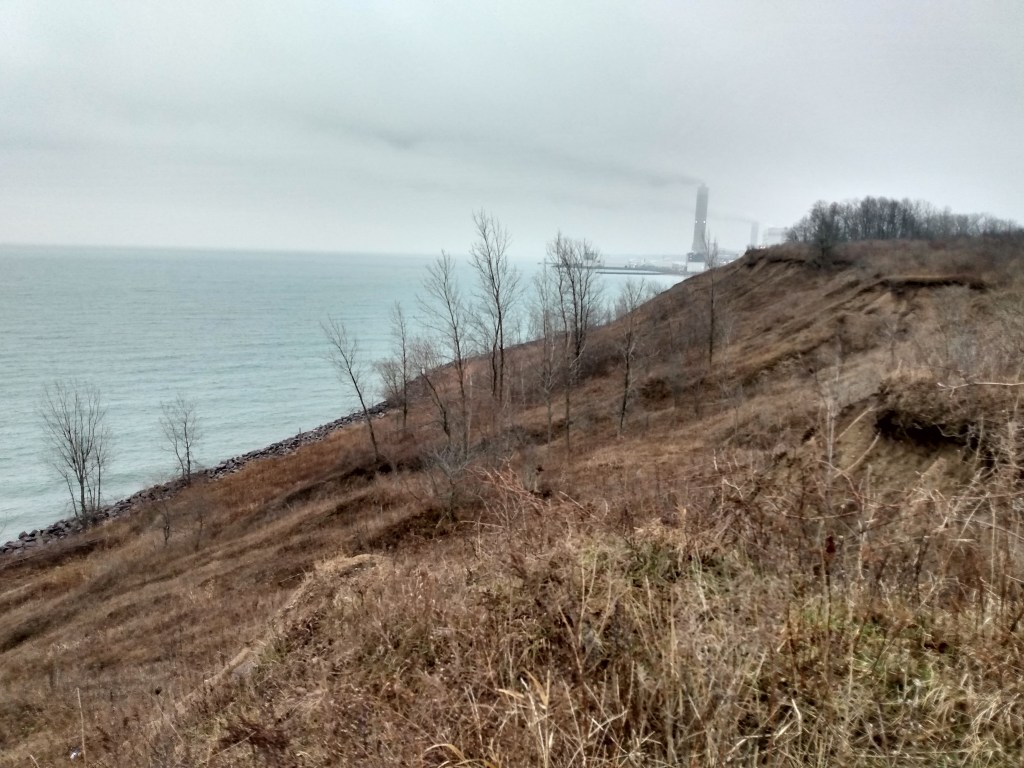
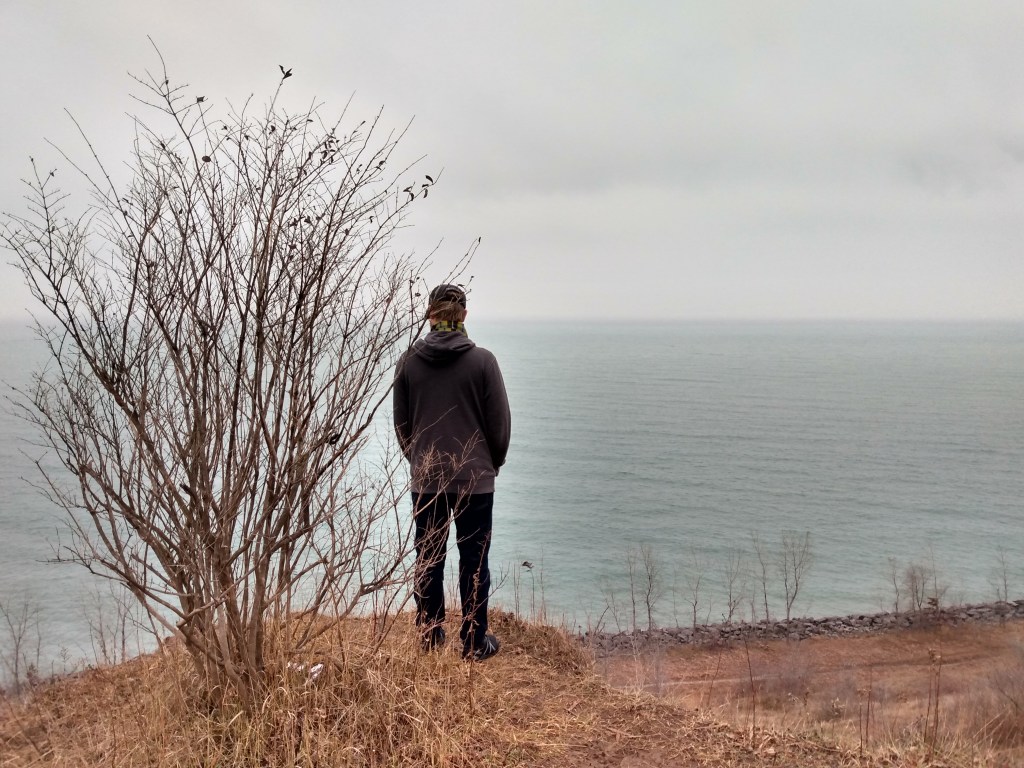
bender park is an apparently fairly developed and now returning to a rewilded state piece of land on lake michigan in oak creek. it abuts the oak creek power plant and there are some precipitous drops down to the lake.
this was a “let’s not go to work just yet” walk from last december. but i lost the pomes i had written shortly thereafter, so i bagged this entry. this morning i went to open up a book i hadn’t looked at since last december and—what do you know—there were the pomes tucked inside marking my page from late last year. so, i thought i’d pull the photos back up and give bender park its due. here we go.
after visiting the state natural area muir park in marquette cty, wisconsin, leading a retreat at new camaldoli hermitage in big sur brought us to california. on the way, we stopped in at muir woods to complete the set. i’d been there a couple times before, but is there a way to get tired of seeing a redwood forest?
had a foggy and drizzly start, clearing up by the end of our time there on a couple loops. the redwoods are fantastic of course, but i loved training the eye on the understory to see what was happening and who was living there too. the redwood sorrel (first id) was fantastic—cousin to the yellow wood sorrel we have growing in our front yard but w/ arresting streaked flowers. also saw a pacific wren track a moth thru the air over the path, catch it, then proceed to knock it around under the sorrel canopy for three or four minutes until it stopped fighting, whereupon the wren gulped the moth down. intense!
first id’s too of california hedge nettle, california harebell, autumn hawkbit, california spikenard, american trailplant, a new kind of horsetail (field?), and pacific trillium. whew!
muir park is a mix of upland and wetland habitats surrounding ennis lake (a spring-fed kettle lake), where john muir made his boyhood home in central wisconsin. fen and bog, oak opening and dry forest etc. a wide variety of species.
it was a real hot day, so we didn’t make it too far what with the kiddos along. but we had a nice hang at the lake, a short walk, and a good view of the very sandy soil—marquette county is located in wisconsin’s central sand hills ecological landscape, a remnant of the sandy bottom of glacial lake wisconsin. worth another visit in cooler weather for sure.
first id of hoary alyssum!
a.
down fox river road
to muir’s home
and lilies like fire
mammal burrow in millenia-old glacial lake wisconsin lake bottom