check out that bedewed spiderweb across the moss-branches!
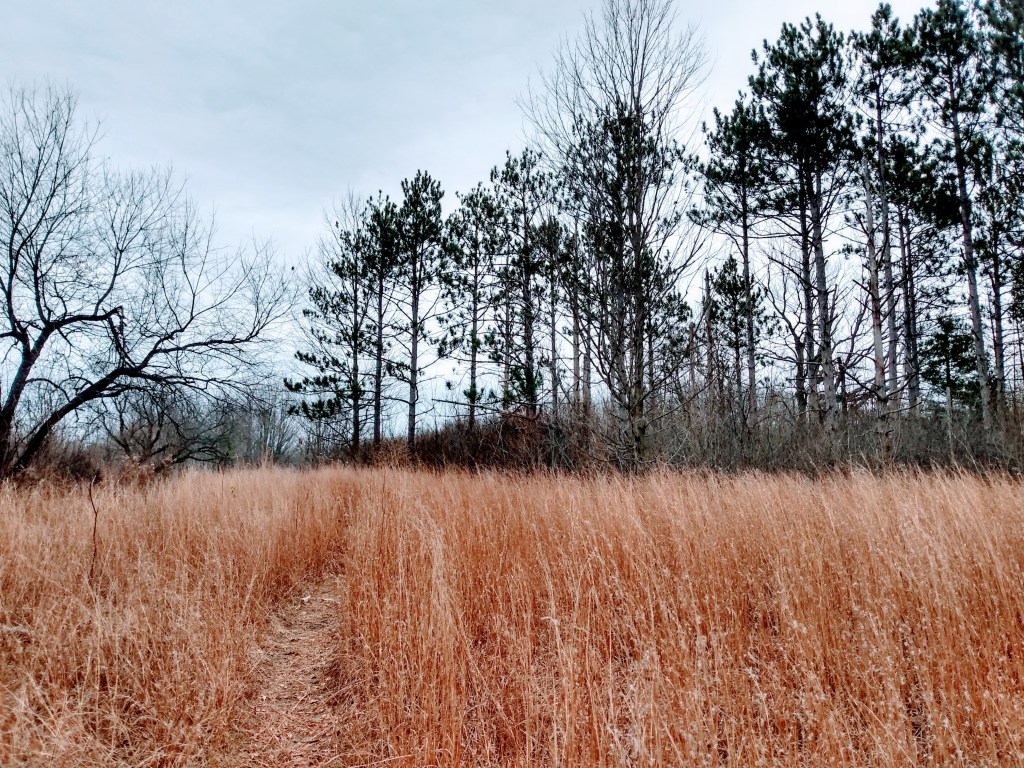
clifford messinger dry prairie and savanna preserve is actually thirteen various sites that include prairie and oak opening thru-out the kettle-moraine area. a delightful walk, though a bit of trepidation as deer-hunting season has opened and we hiked to the near-constant sound of gunfire. but i am glad for the support hunters give our wild and natural spaces, don’t get me wrong! gorgeous pines leading into the prairie under autumn skies.
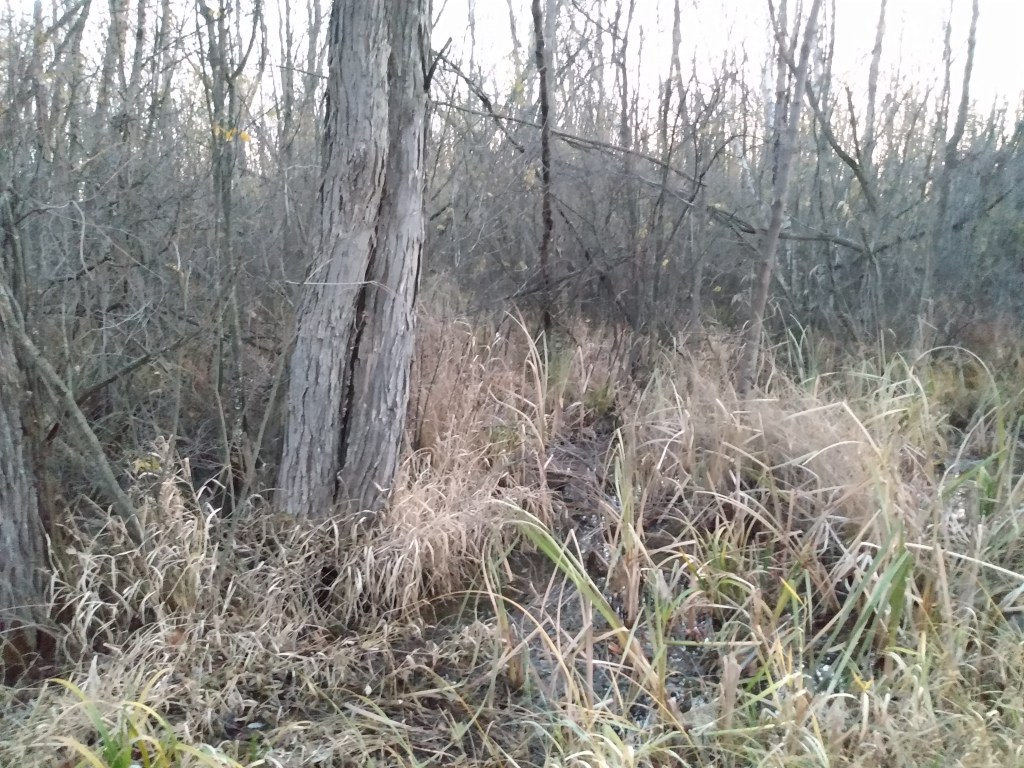
cedarburg beech woods is a mesic forest of predominantly sugar maple, beech, and white ash. the southern section has glacial rolling topography and the northern lowlands are flatter with some boggy or marshy (i couldn’t tell which) areas. tremendous dawn hike.
thanks to the uw-field station staff for maintaining this site and for granting me permission to walk the lands!
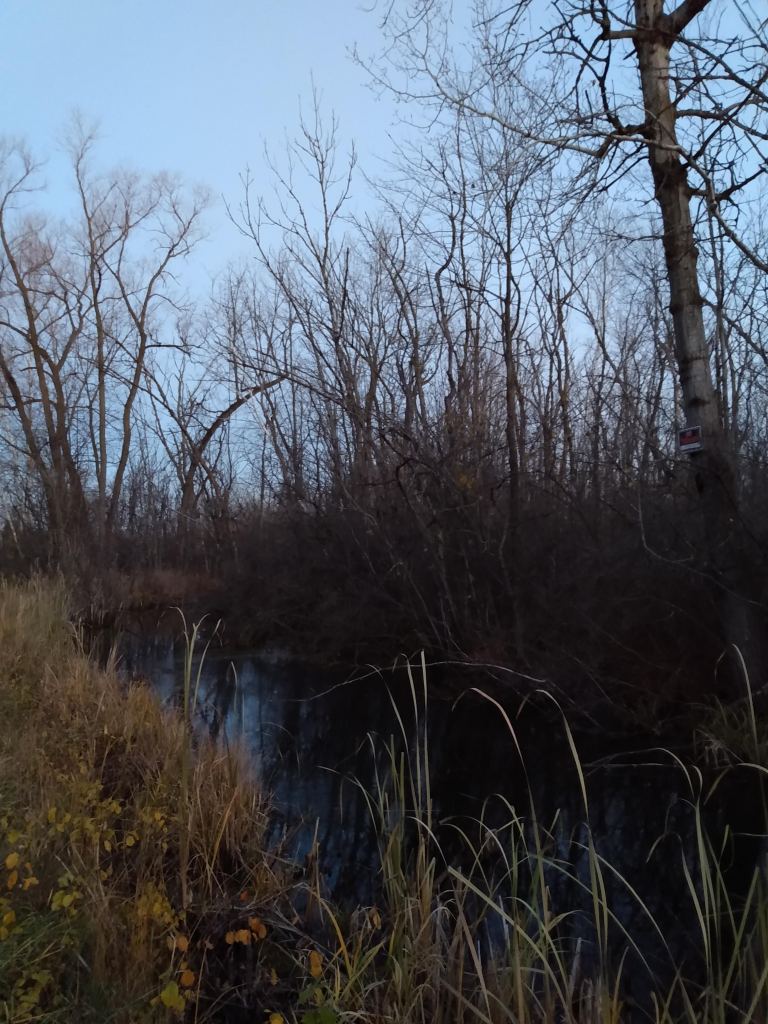
the mukwonago river (actually a stream) is a surprisingly clean body of water that supports a surprisingly diverse set of wildlife. maybe the two have something to do with one another… along the shores of the mukwonago in the city of mukwonago, this sna has a variety of habitats and the sounds of highway all around.
(these are supposed to be three-liners i know, but that last line came when i woke up about 2.00 am last night and i couldn’t resist adding it…)
eagle oak opening has kettle hole (the ponds) moraine (the hills) topography, along with open grown oaks that now mostly reside in mesic forest. though there are still a few open prairie sites. we had forgotten how pleasant and homey the kettle moraine state forest area is.
genesee oak opening and fen is a fantastic plot of land with interlobate moraine topography and an oak savanna, woods, a fen and disturbed wetland in the eastern portion, and genesee creek lolling thru-out. a very brisk and windy day greeted us, but made the march and climb all the sweeter.
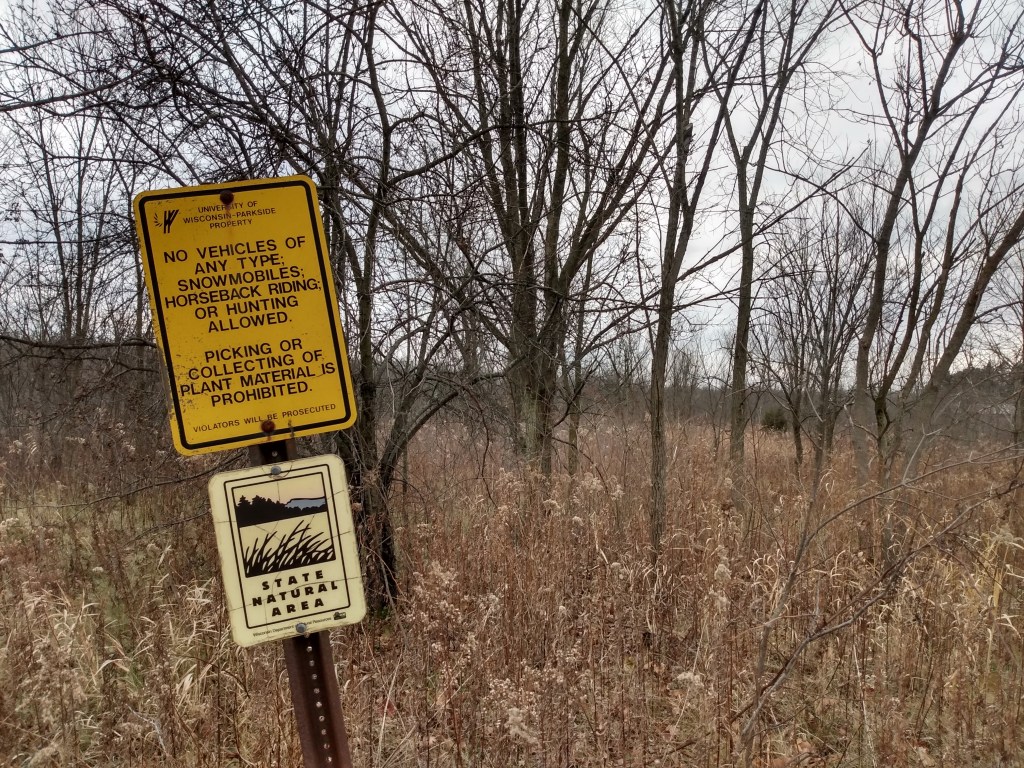
renak-polak maple-beech woods is a dry mesic forest with a smaller stand of wet mesic along an intermittent stream. parts have been used and exhibit different stages of re-growth, but much of it is old growth. we followed a maze of deer-paths thru the openings filling with shrubs. we’ll be returning in the spring to see the array of ephemerals that grow here.
thanks to university of wisconsin-parkside for maintaining this patch of woods.
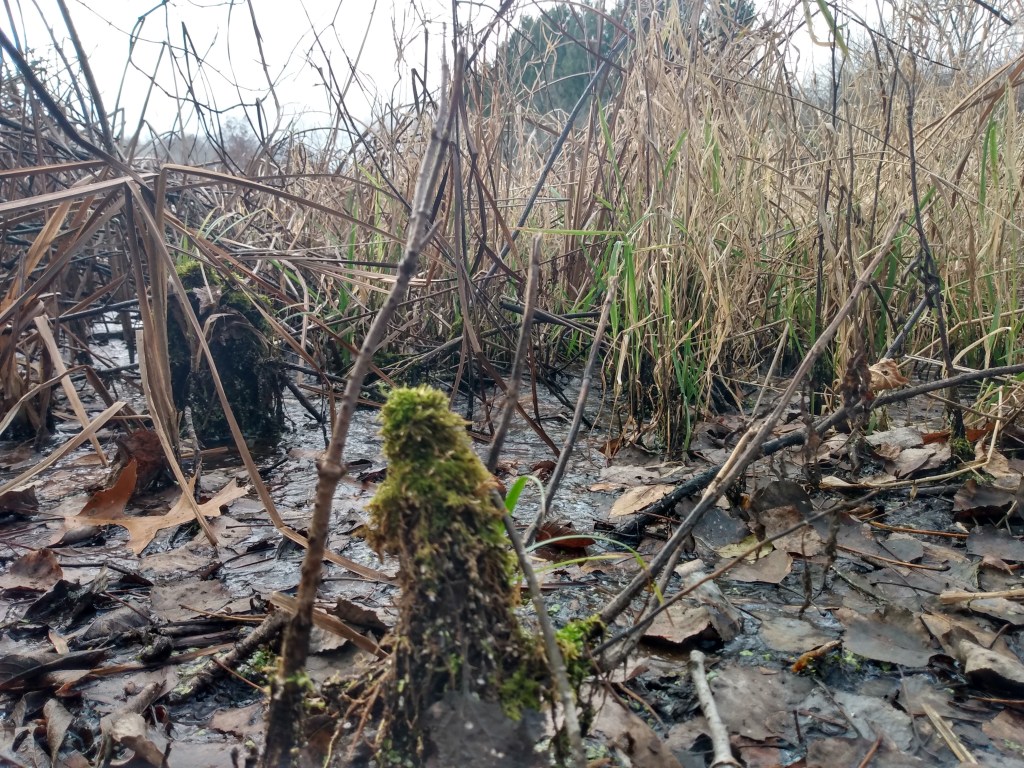
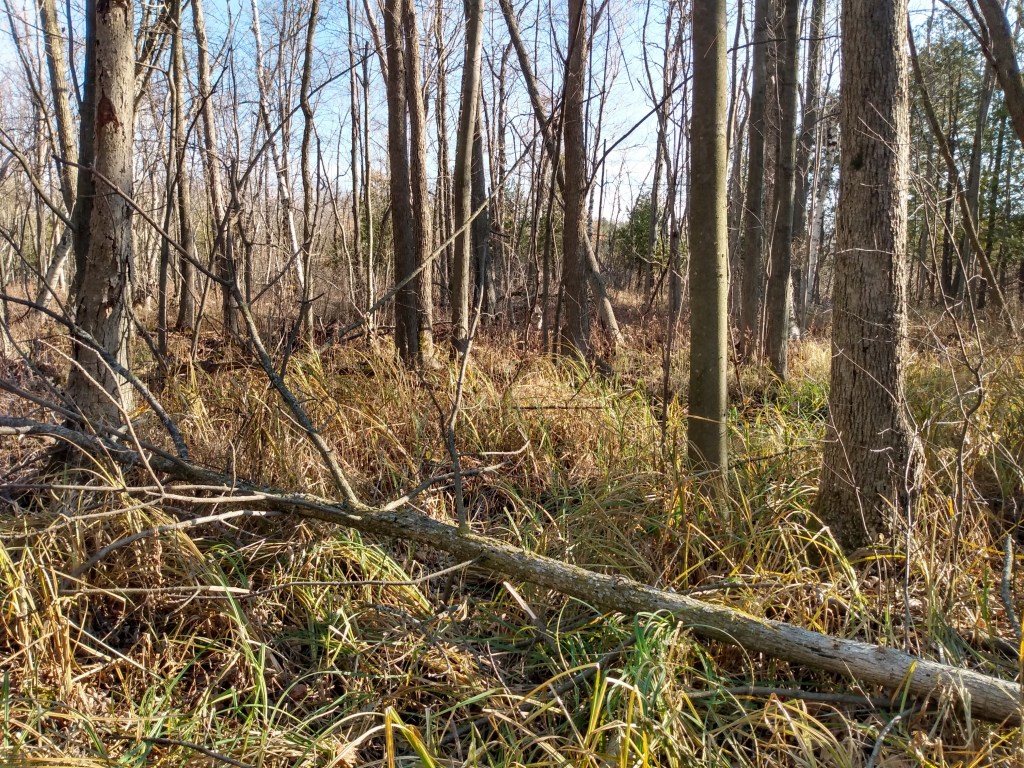
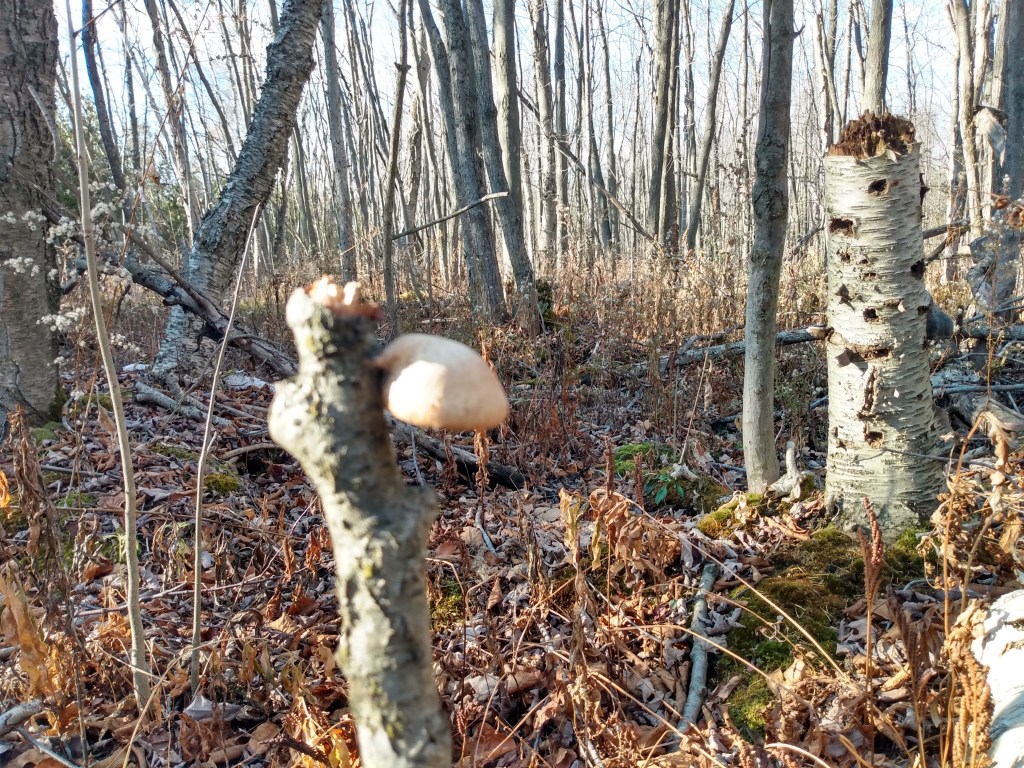
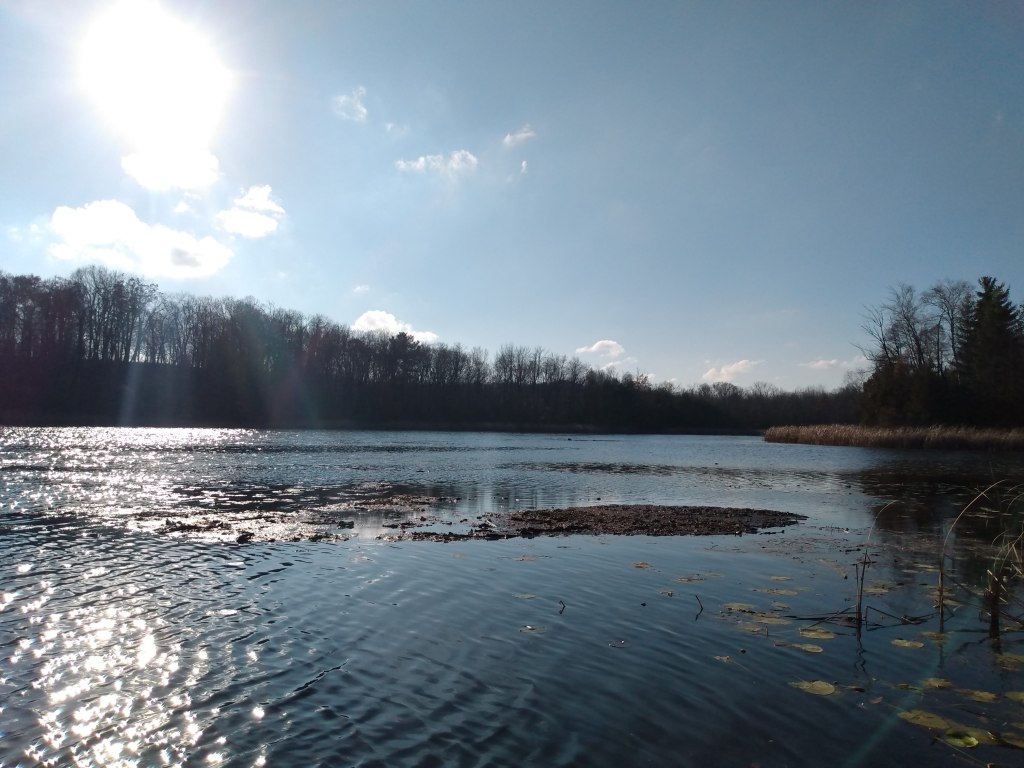
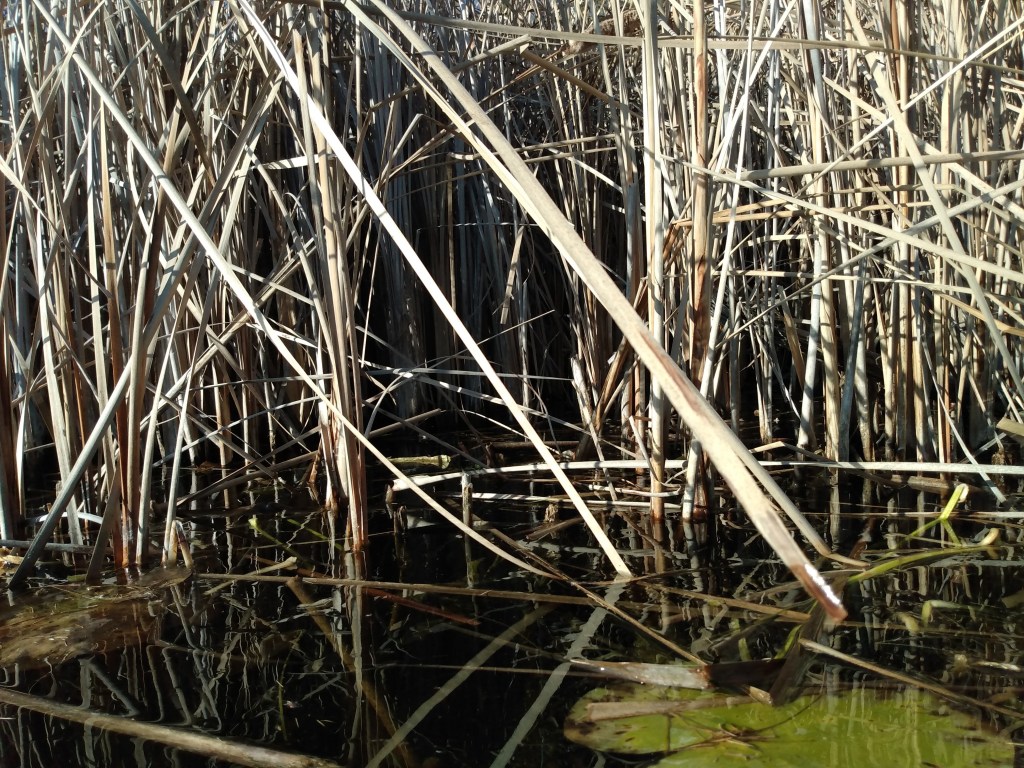
cherry lake sedge meadow is certainly more sedge meadow than lake. a delightful trek over glacial till, circumambulating the wetland—sedge meadow, yes, but also a calcareous fen and a bog to the northeast. so much moss, so much fungus. not many birds left—though a solitary chickadee and a crow could be heard at times. worth a trip back in the spring or summer.
thanks to the wisconsin dnr for keeping this land.
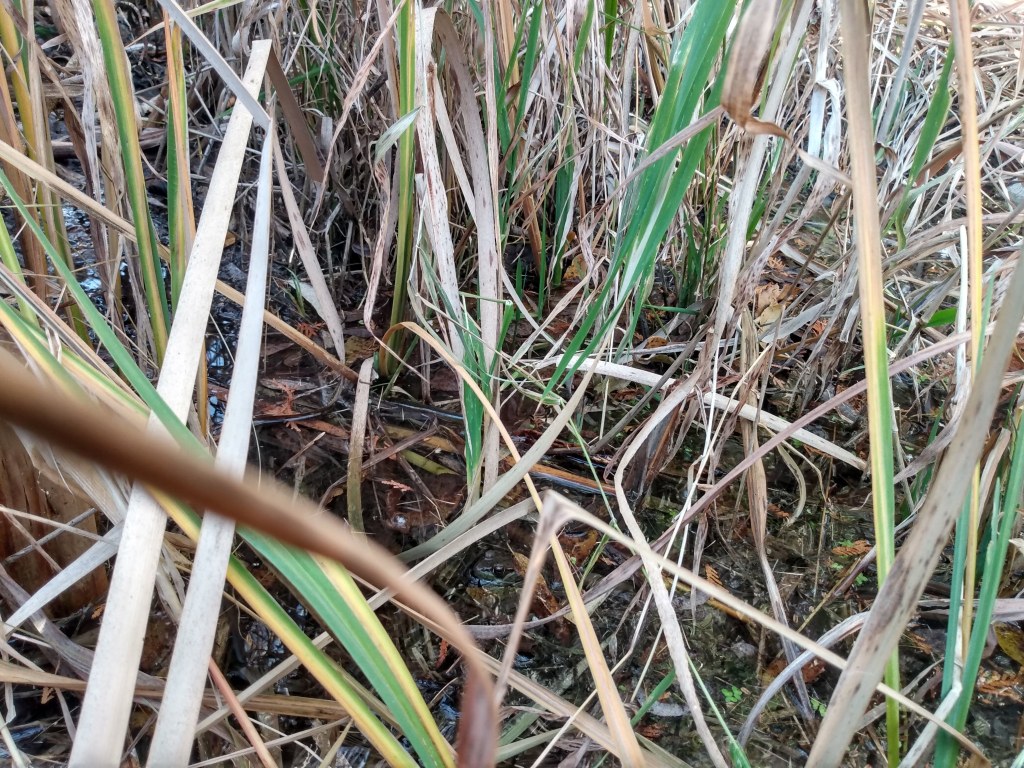
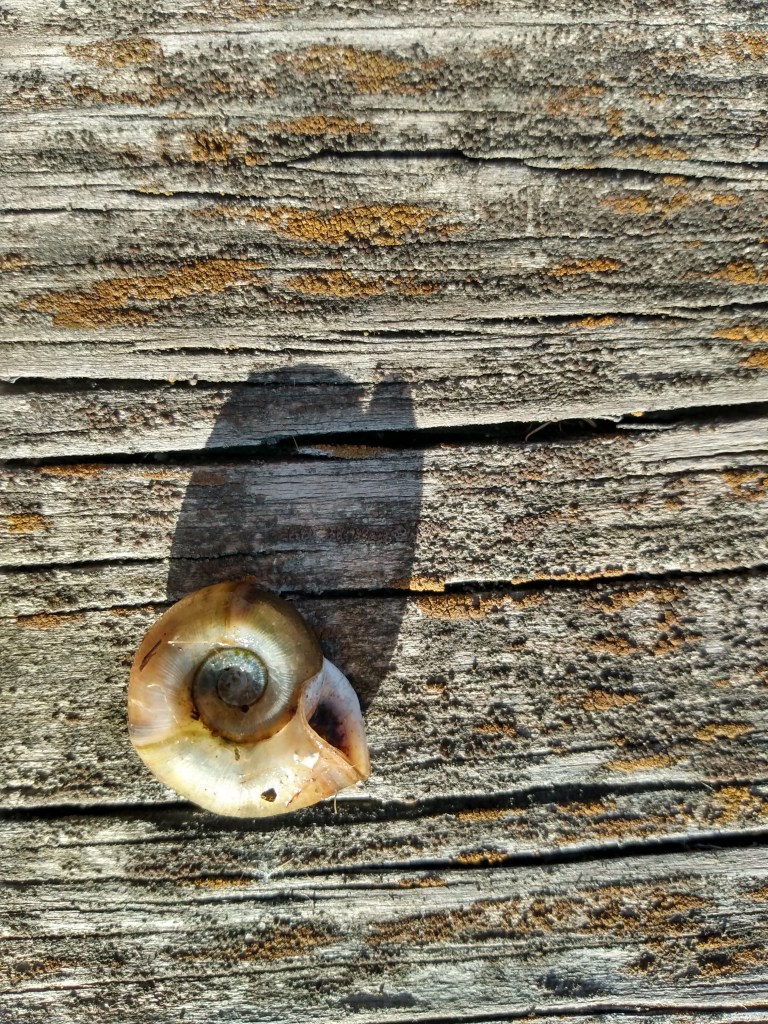
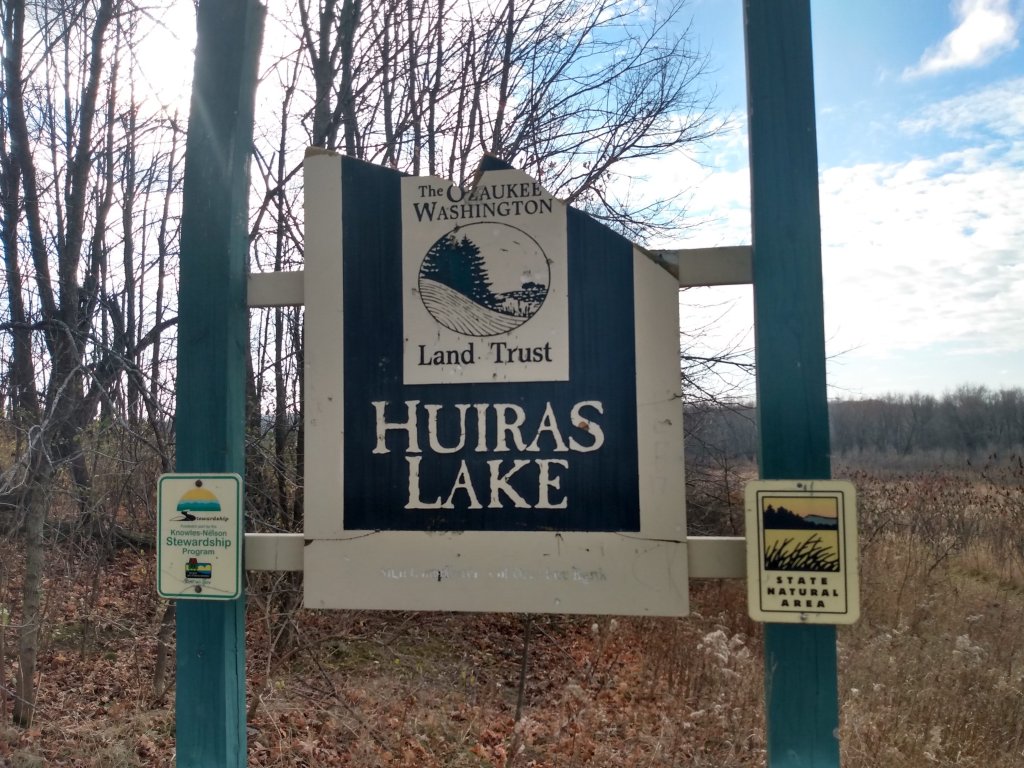
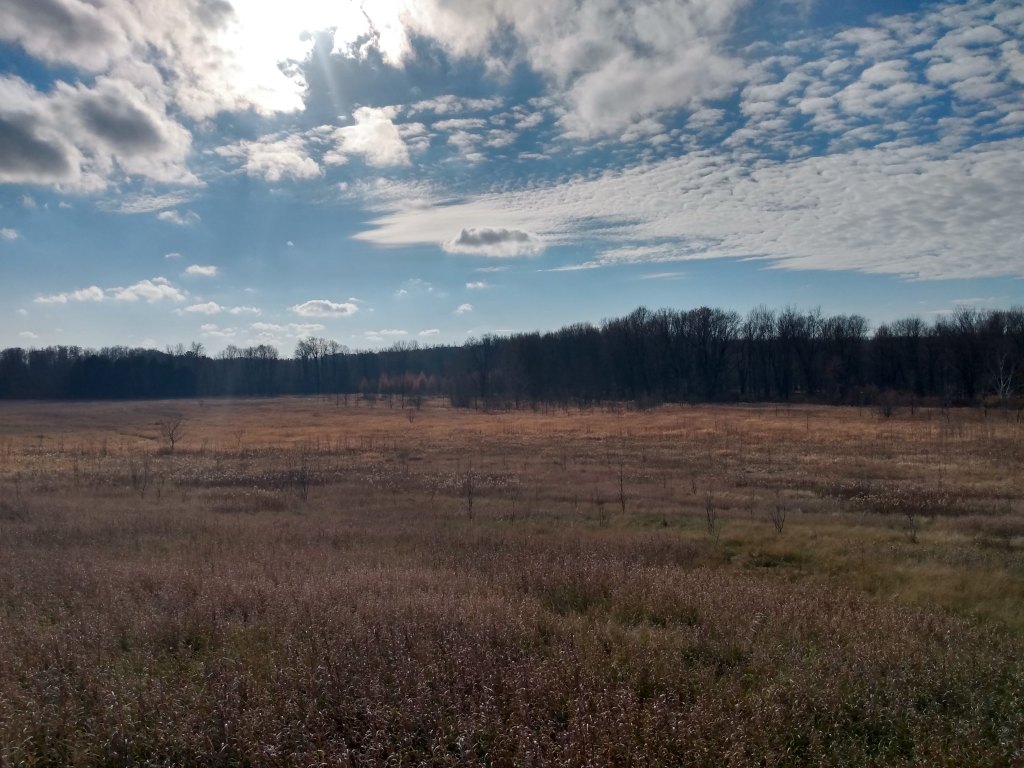
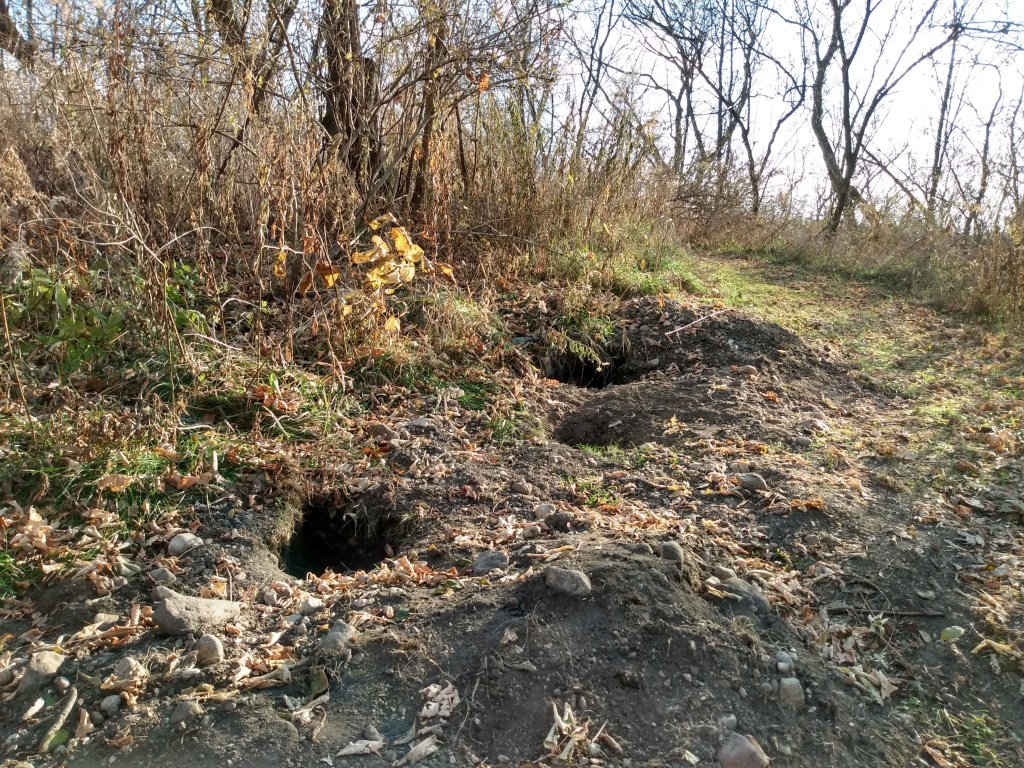
huiras lake state natural area is a variety of habitats: dry mesic forest, relict kettle bog, conifer and hardwood swamp, hardwater seepage lake, shrub-carr, and tamarack-white cedar swamp, and a stretch of open grassland to boot. we found these burrows on the rise going back to the parking area. they were bigger than they look in the photo.
i keep finding that the kind of wetland i end up in has to be the best kind of wetland. when i was in bog country mid last week, bogs were where it was at. but then when i stumbled on a micro-marsh on saturday, it couldn’t get any better. and when we entered the tree cover of the huiras lake sna conifer-hard wood swamp, i knew swamps are the best. but now i remember how alive i felt at the fen we visited last month… i suppose they each have their particular charm!
thanks to the ozaukee cty land trust and wdnr for tending this land!
franklin savanna is the remains of the kind of oak savanna that used to cover much of southern wisconsin (including the area where i grew up). a diverse site with mesic forest, ryan creek, savanna remnant, forested and open wetlands, and agricultural fields, there’s lots to explore, lots of edges. a sunrise hike today was just the ticket.
thanks to mke county parks and the friends of franklin’s parks for preserving the site. also, it appears that plans to rehabilitate the site have stalled. i wonder if we can get them going again…
sapa spruce bog is a black spruce-tamarack bog (southernmost instance in wi) located in a kettle hole left by the receding glacier at last ice age’s end. it’s very acidic and has what is called “houghton muck” for soil–wow. we stopped by the northern edge (access is restricted to research) to see and smell the hardwood swamp habitat and met a buck wandering along the road. he quickly disappeared into the bog with lots more knowledge of such things than us.
thanks to the university of wisconsin-milwaukee field station for tending this pristine bog.














 Jacob Riyeff