s.n.a. poems #62: waterloo prairie

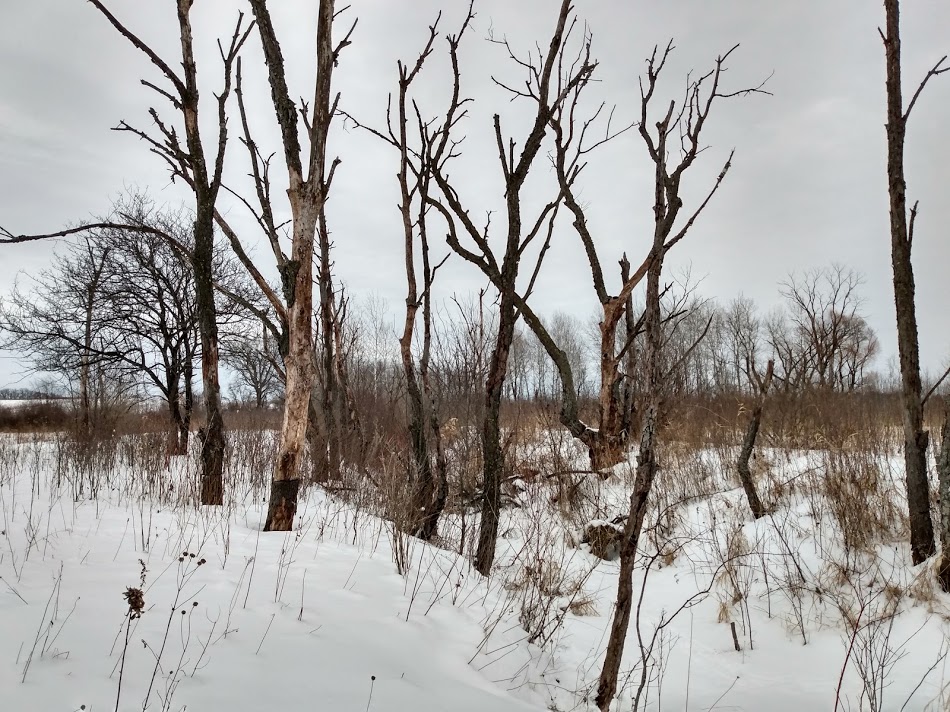
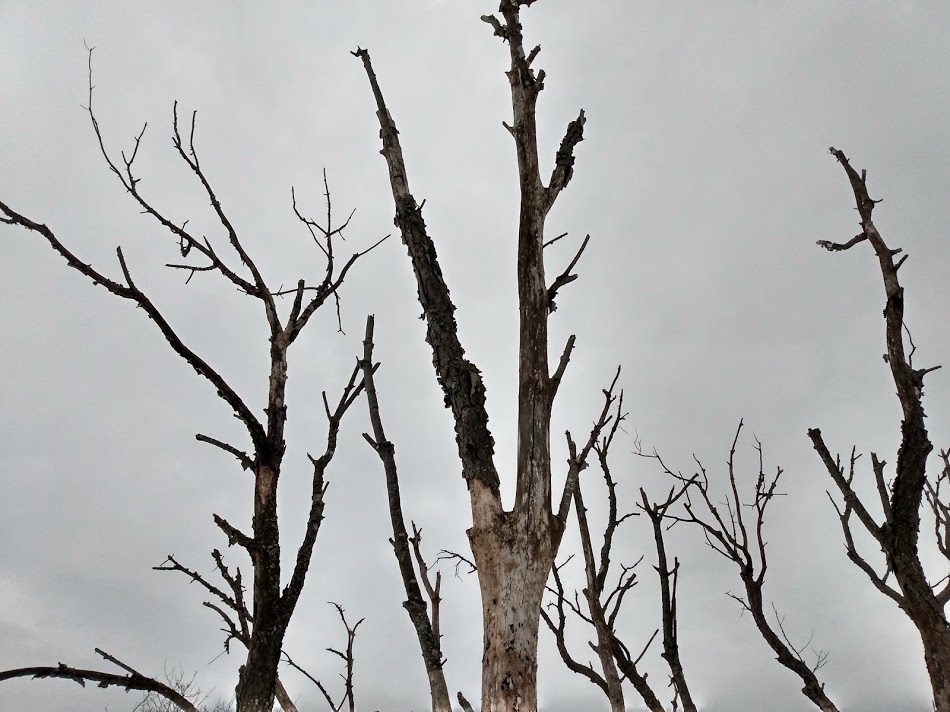
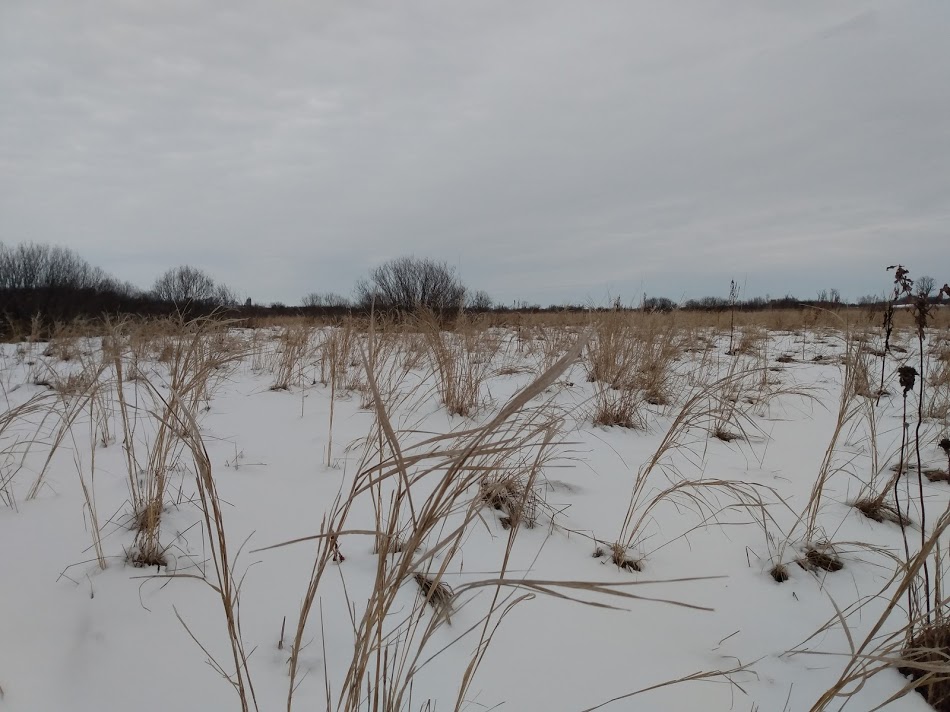
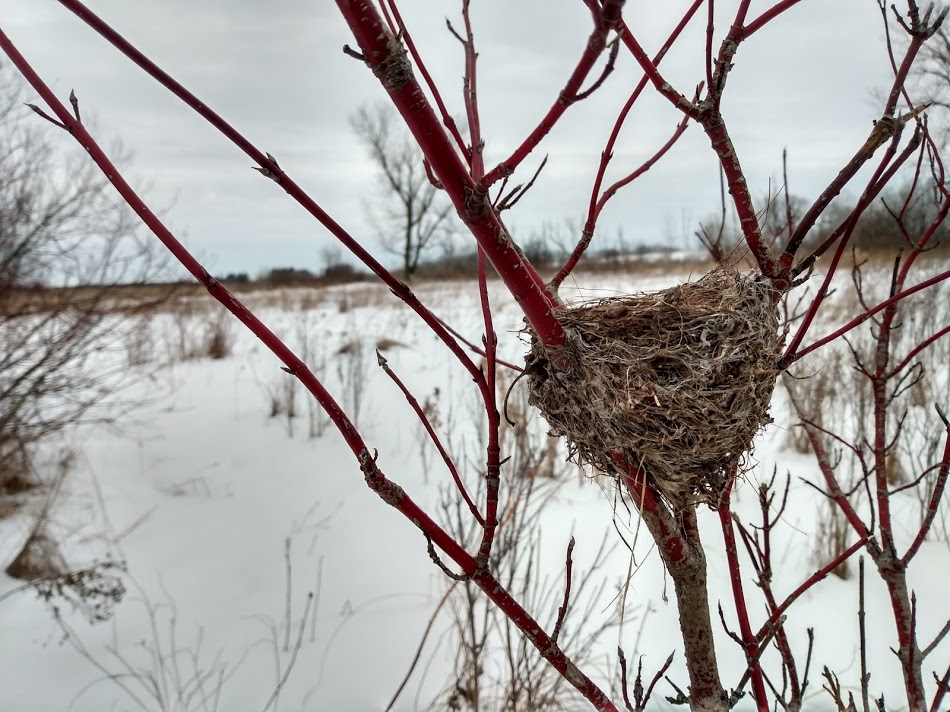
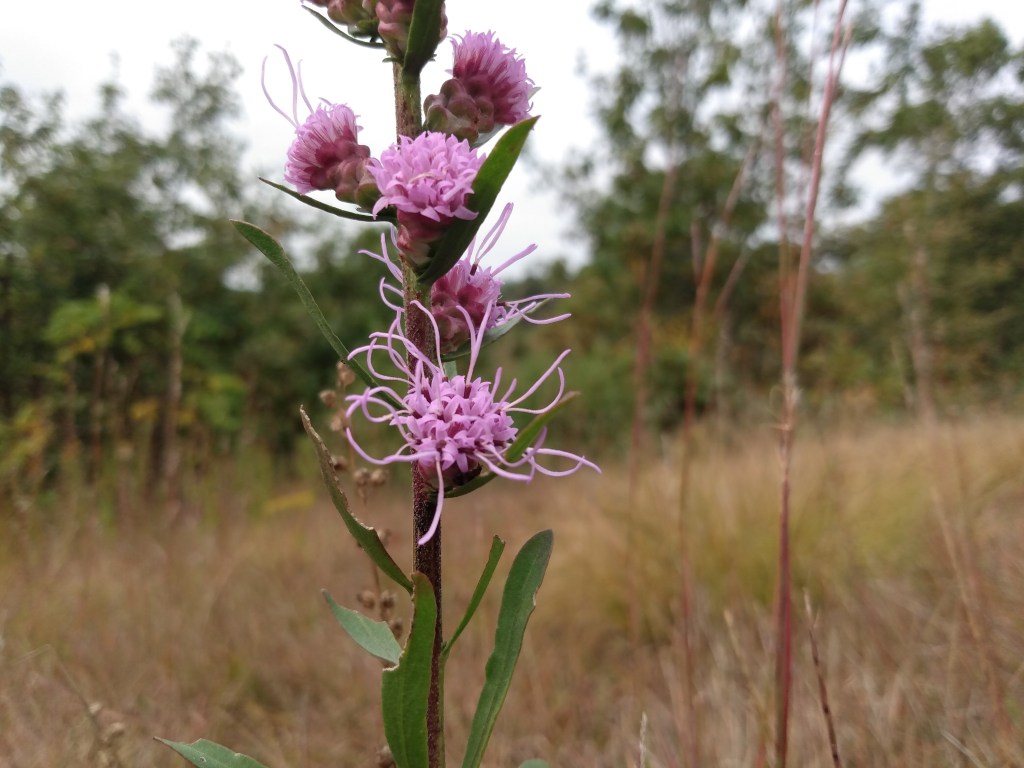
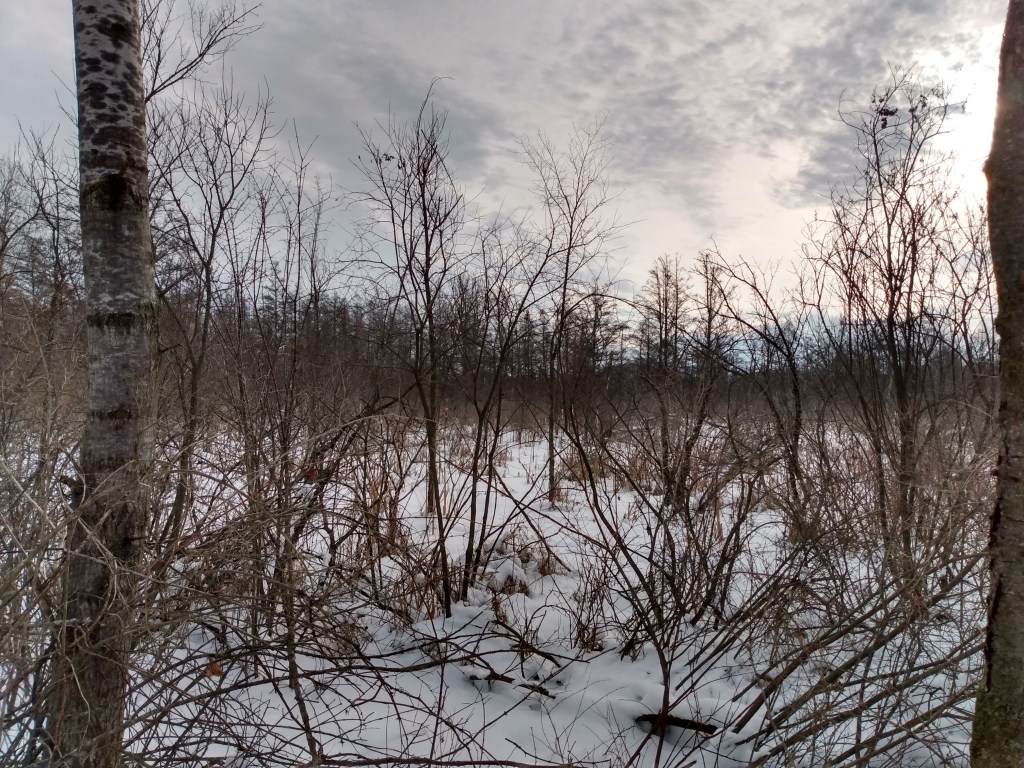
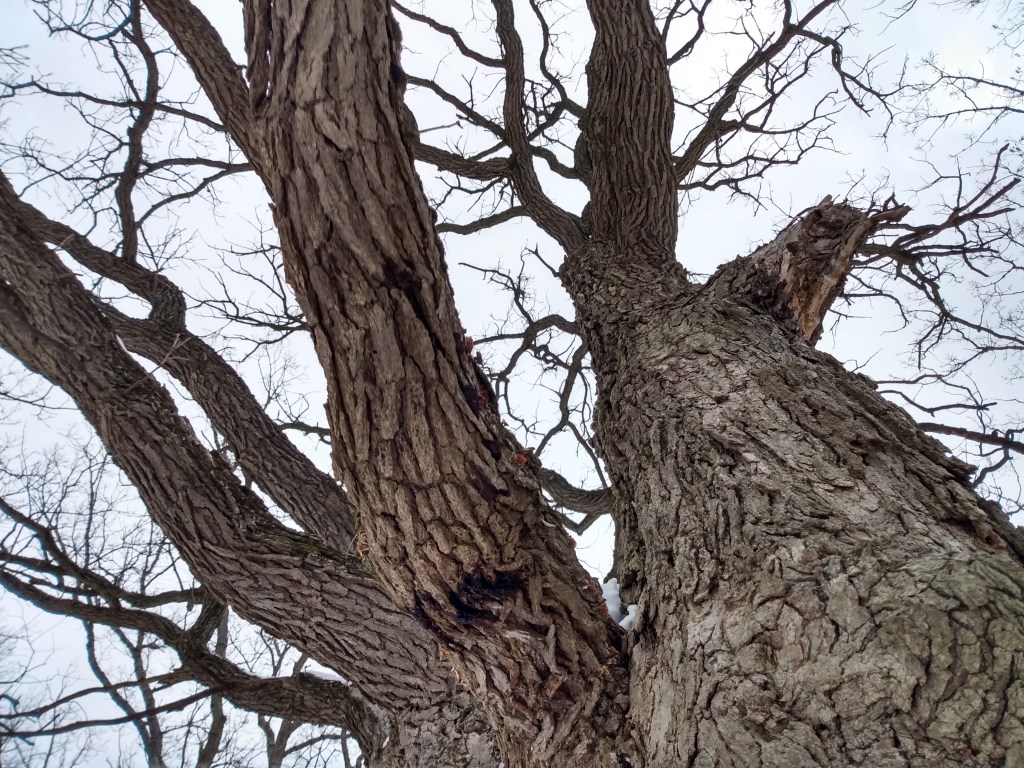
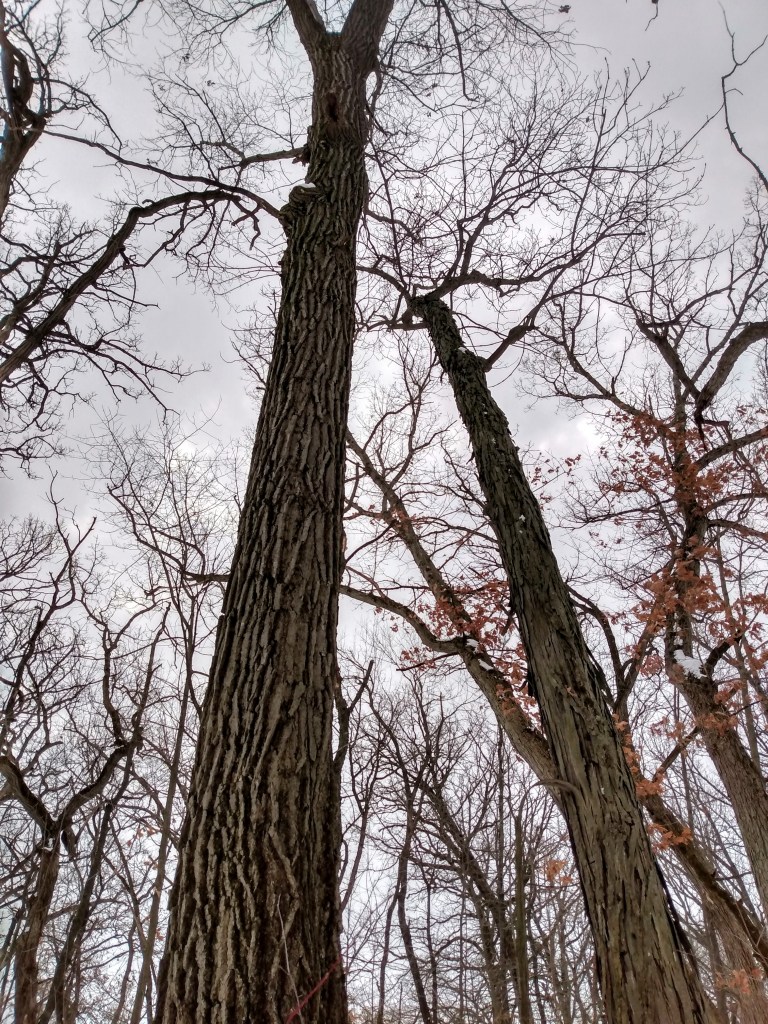
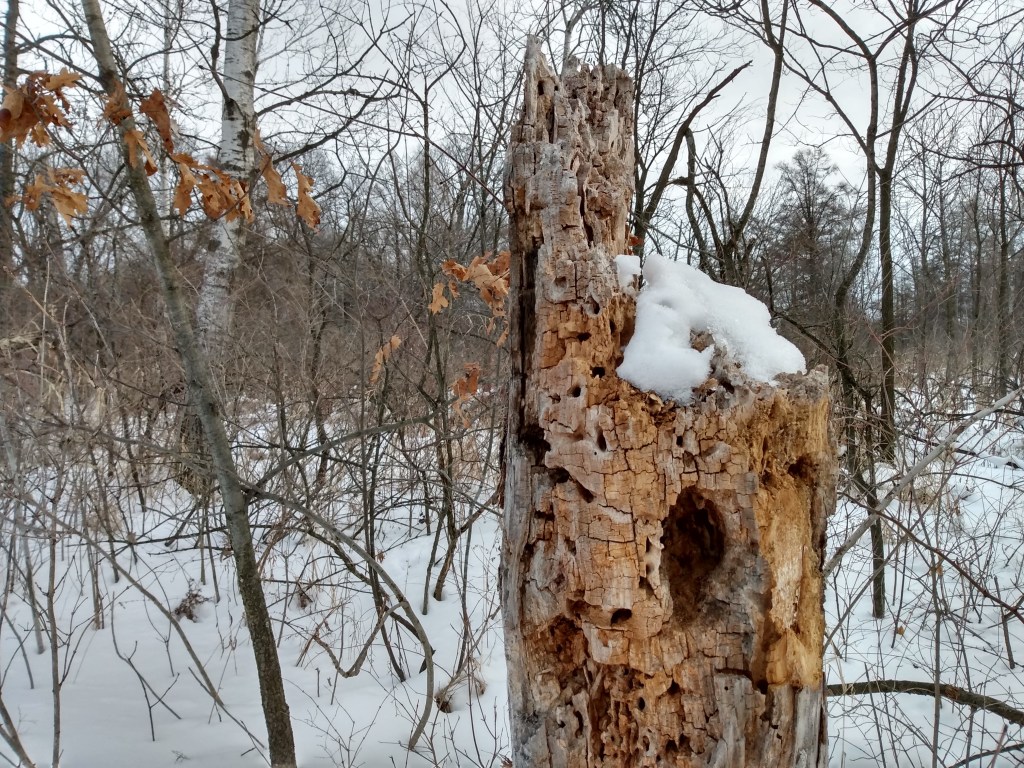
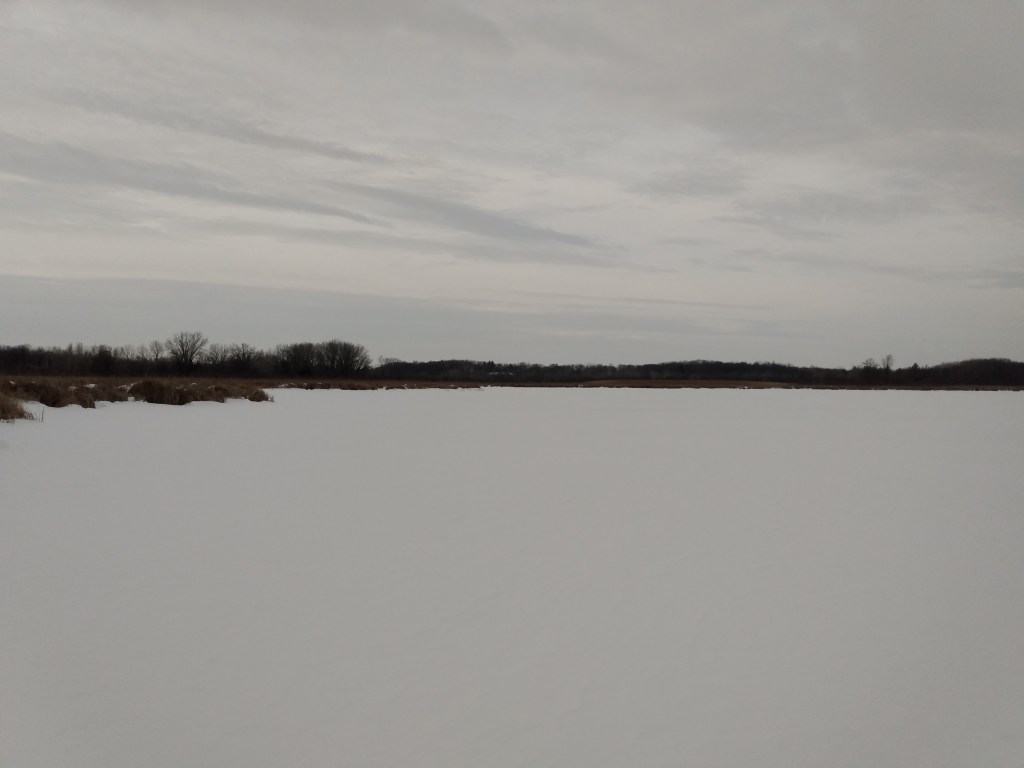
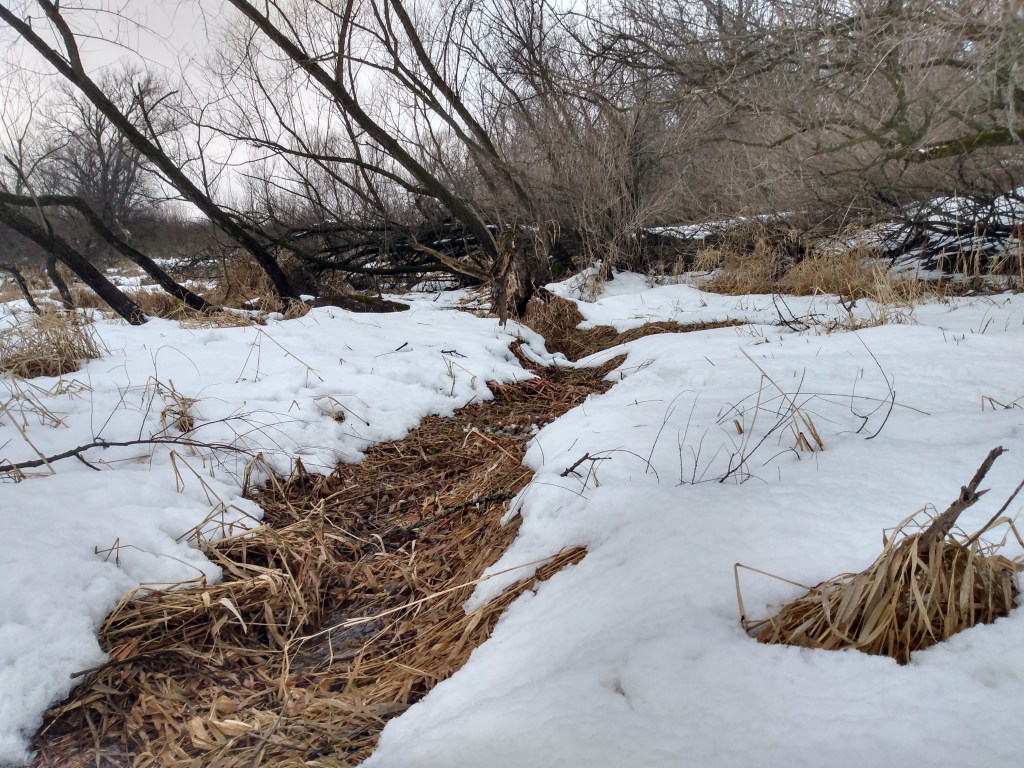
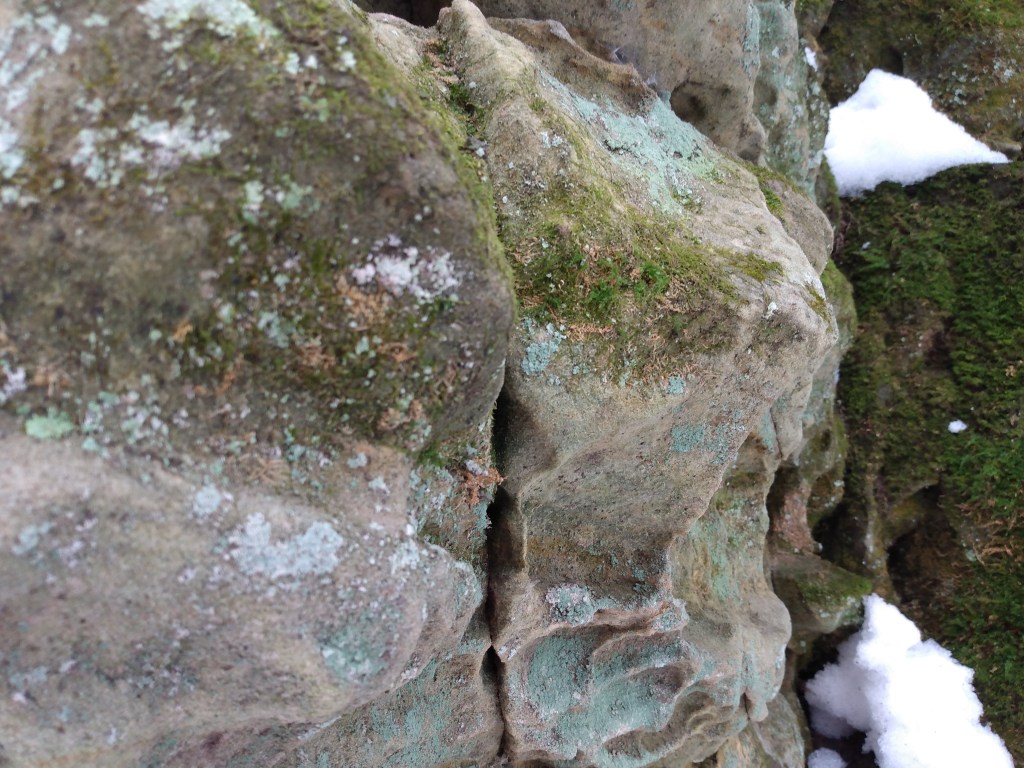
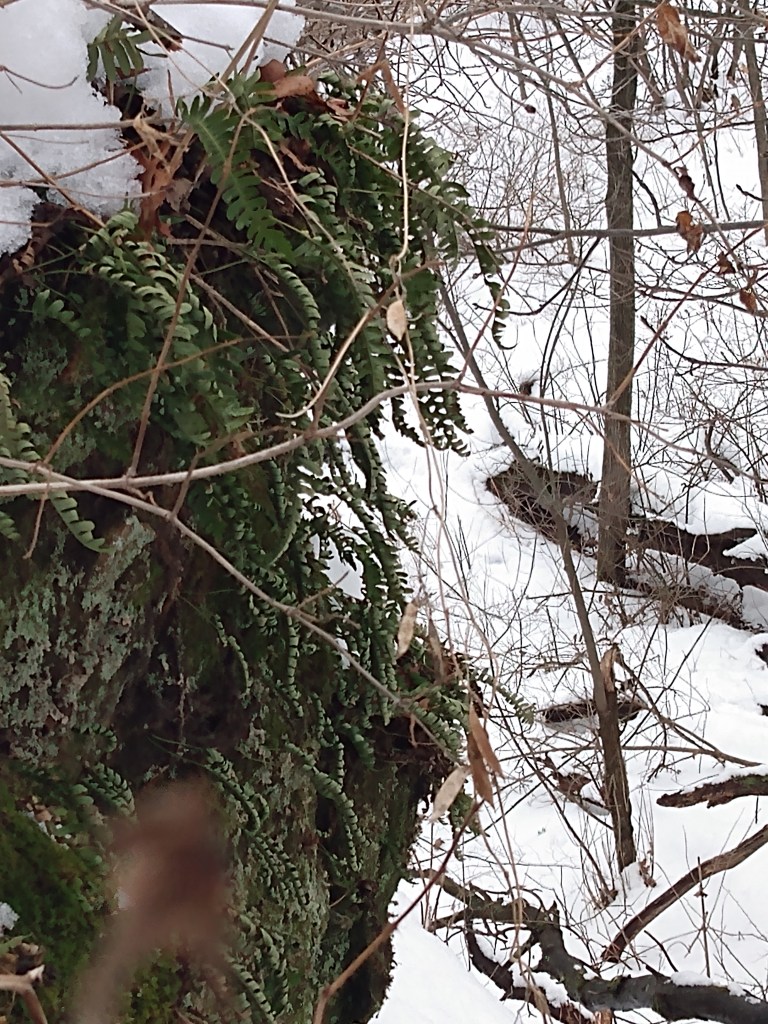
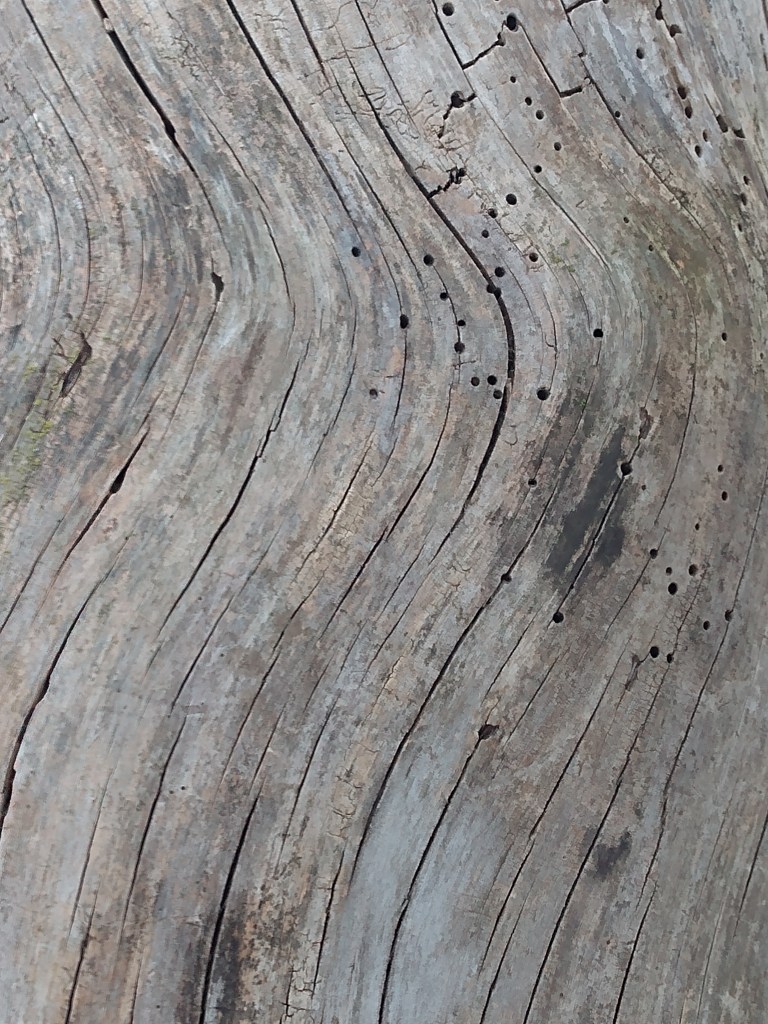
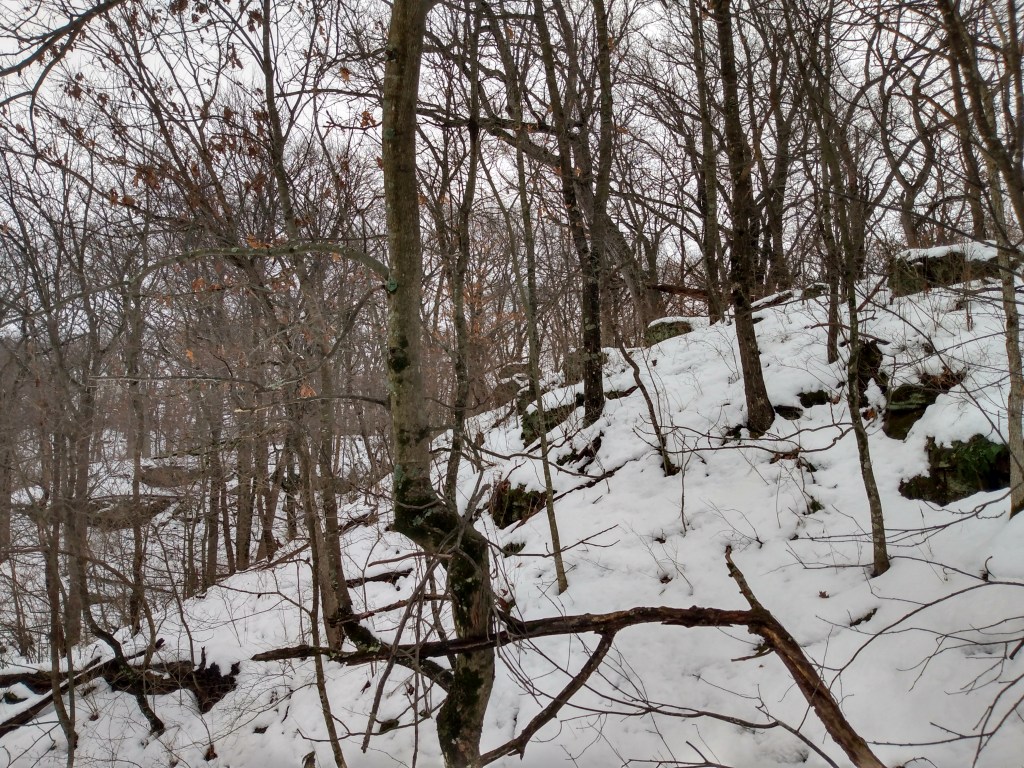
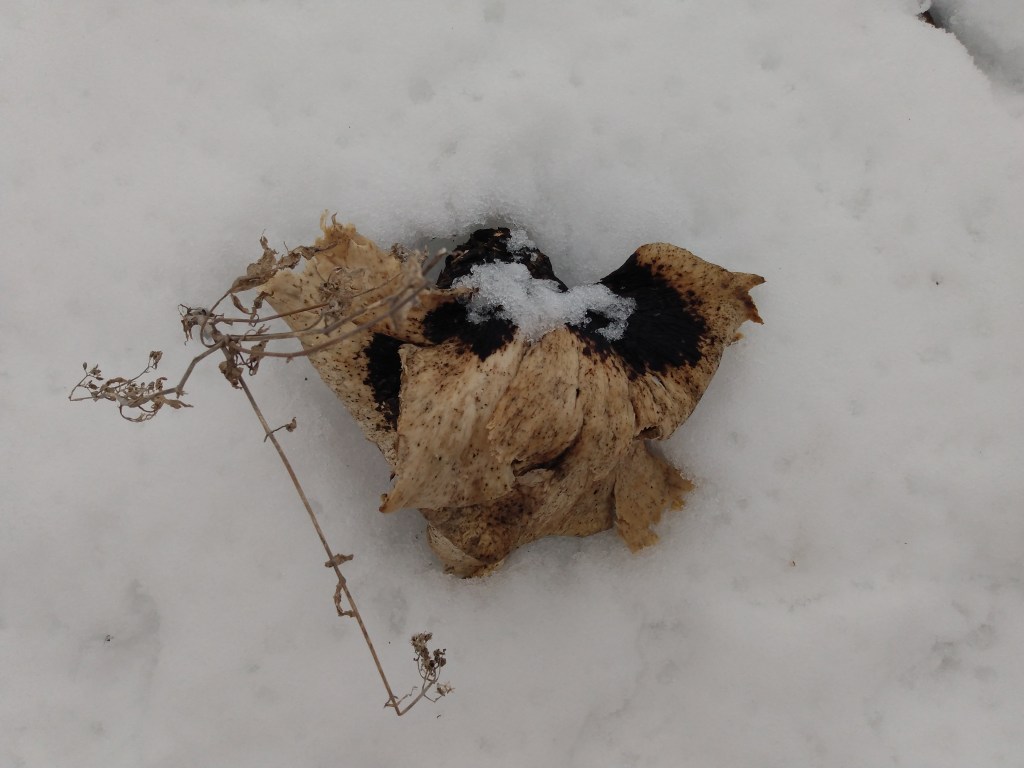
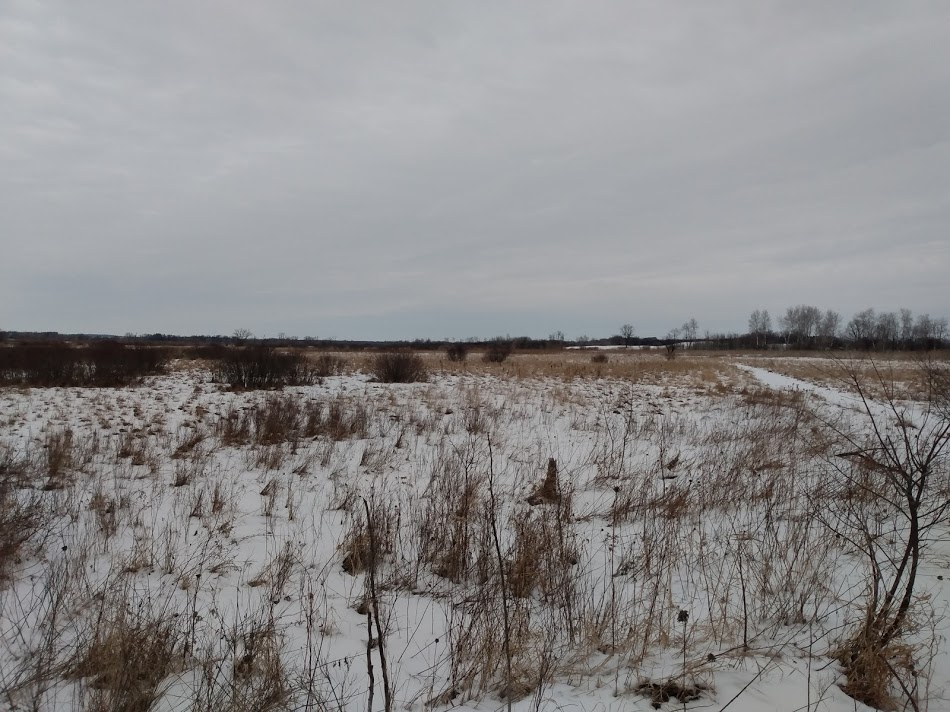
waterloo prairie is a set of two lowland, wetter grasslands along stony brook in jefferson county, wisconsin. a fen with springs and seepages is also present. blue-joint grass and tussocky sedge are common. we found a stand of snags that were unsettling and were girdled at some point. it was strange. the habitats’ integrity is maintained with prescribed burns.

thanks to the dnr for tending this land.

a.

snags line the ditch

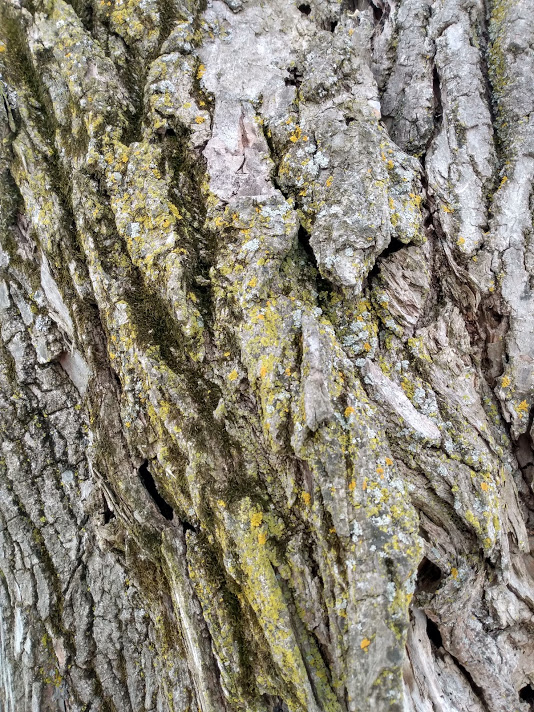
and questions for bark:

what was the girdling for?
b.

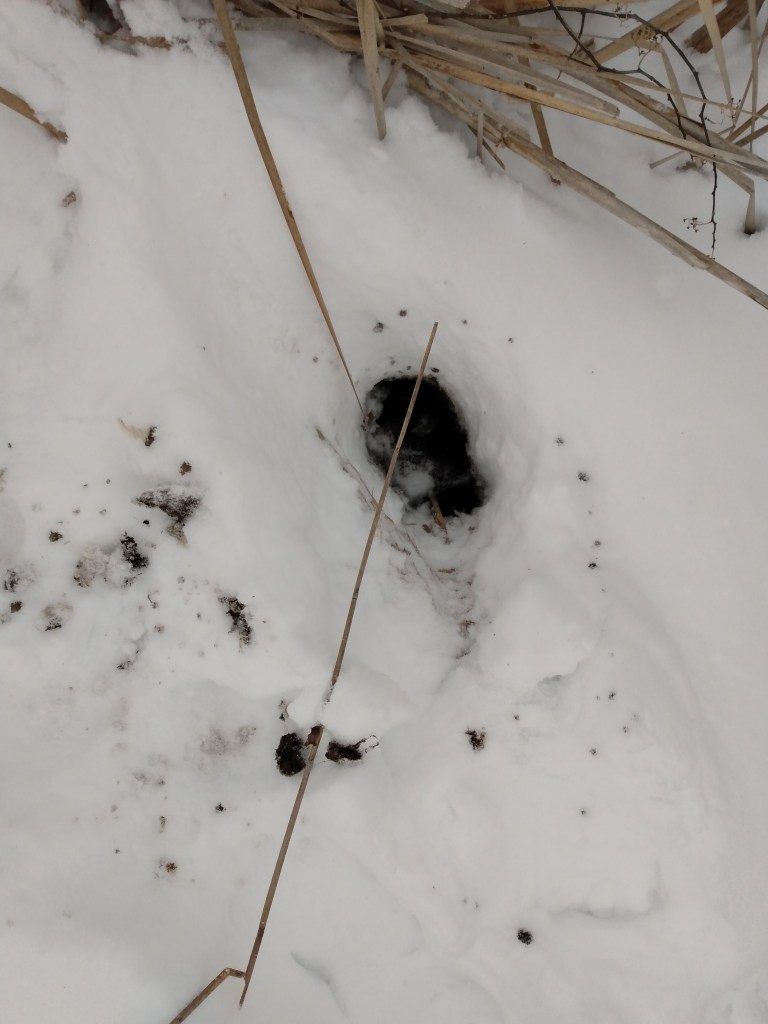
quiet and soft on the prairie

but mammals press their business

grass clatters at the knee

New poem in Amethyst Review!

Well, hey, I’m very happy to see that a lyric of mine is out from Amethyst Review today!
It’s a shortish poem on a late-night conversation I had with a naturalist friend right before COVID hit—one of the last times I hung out with someone else in a restaurant, with no face covering to boot.

Anyhow, it’s about plant names and our relationships to plants and how the two affect one another. You can read it here, and do stick around the site and read some other folks’ poems too. Thanks for reading!

s.n.a. poems #61: bean lake

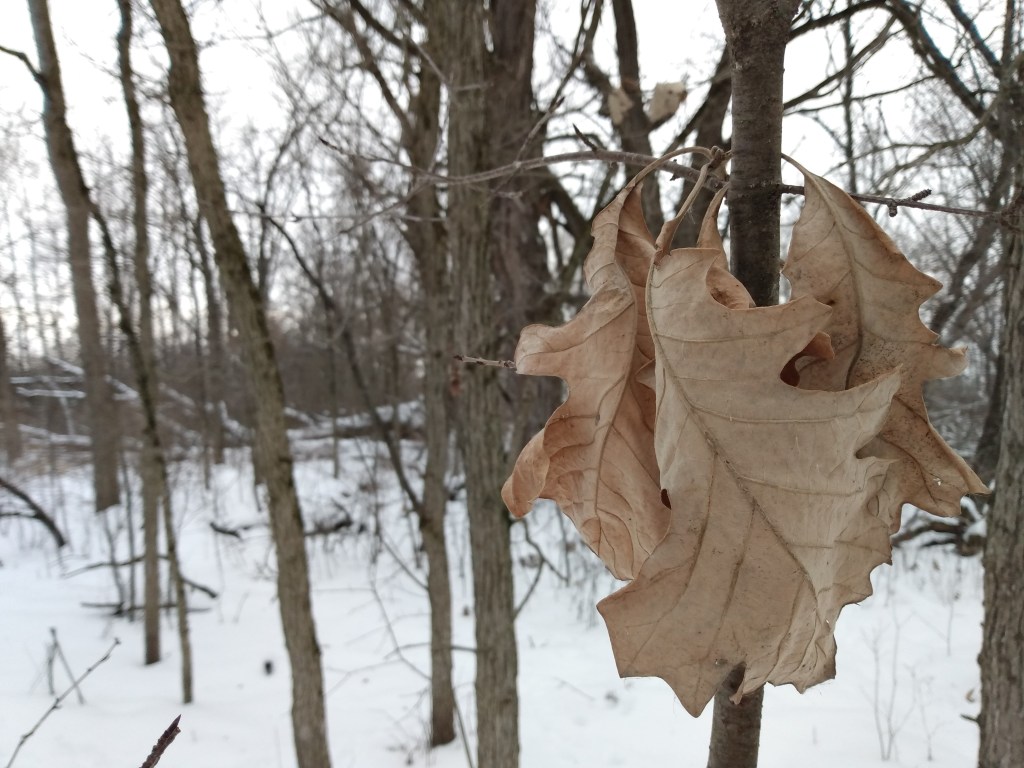
bean lake is a seepage lake with a peat bottom. it’s surrounded by tamarack and shrub swamp. the lake usually supports yellow pond-lilies with bulrushes, cattails, and sedges on the edges, none of which were lively at this time of year. the wind, however, was lively, blowing thru the oak and hickory uplands (it was encouraging to see this native complex in the wooded area even if the trees were thicker on the ground than i assume was original), and down thru the tamaracks by the shore. i tried to get a good shot of a tamarack cone, but it just wouldn’t focus close up; oh well.

thanks to the wisconsin dnr for maintaining this patch of earth.

a.

down mud lake road

past the carrion birds

seeking peace

b.

oaks rattle on the knob

and the wind bites bare flesh

winter morning in the swamp

c.

we stand on upland crest

among thorn and hickory

tamaracks sport below

s.n.a. poems #60: mud lake fen and wet prairie

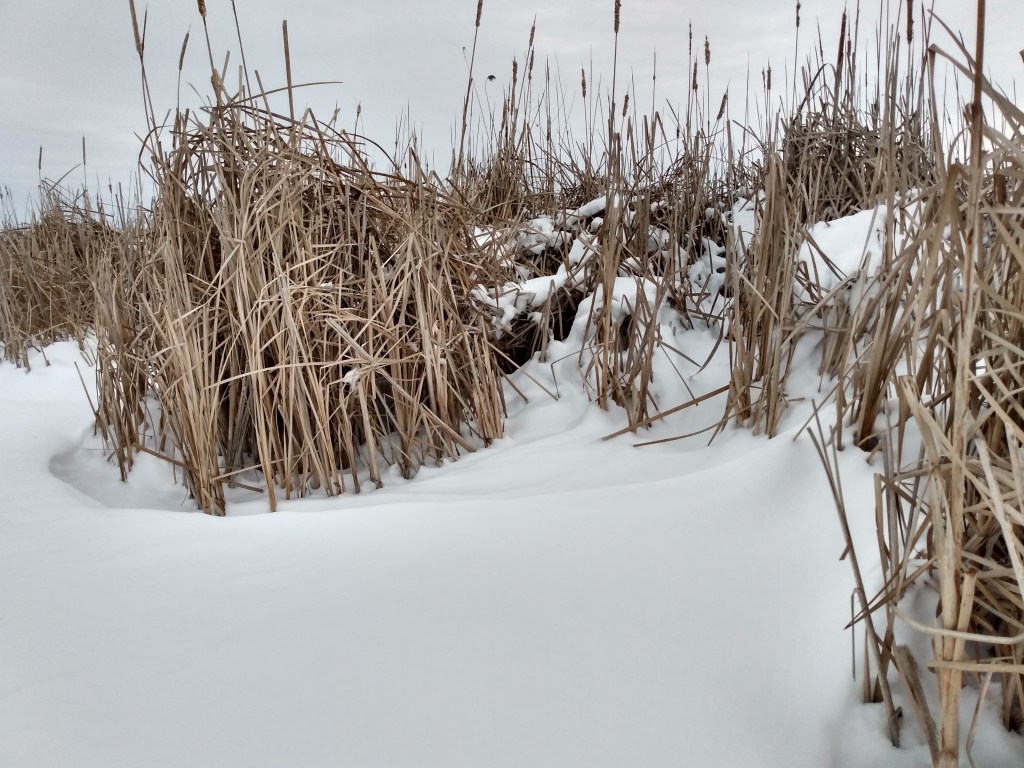
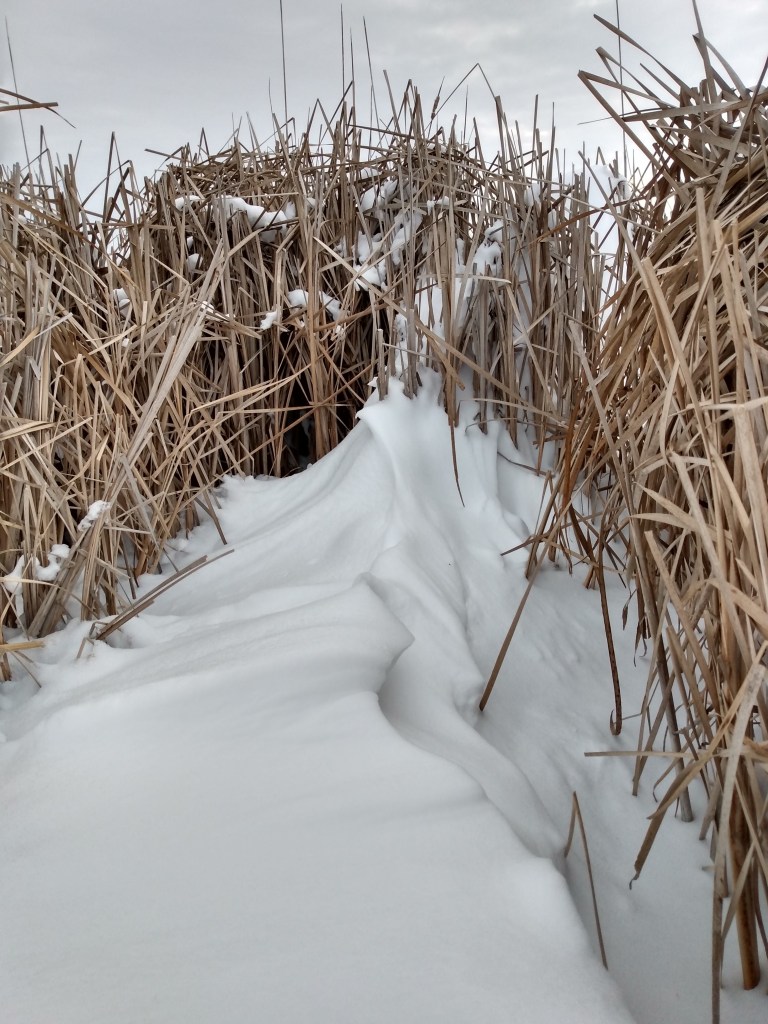
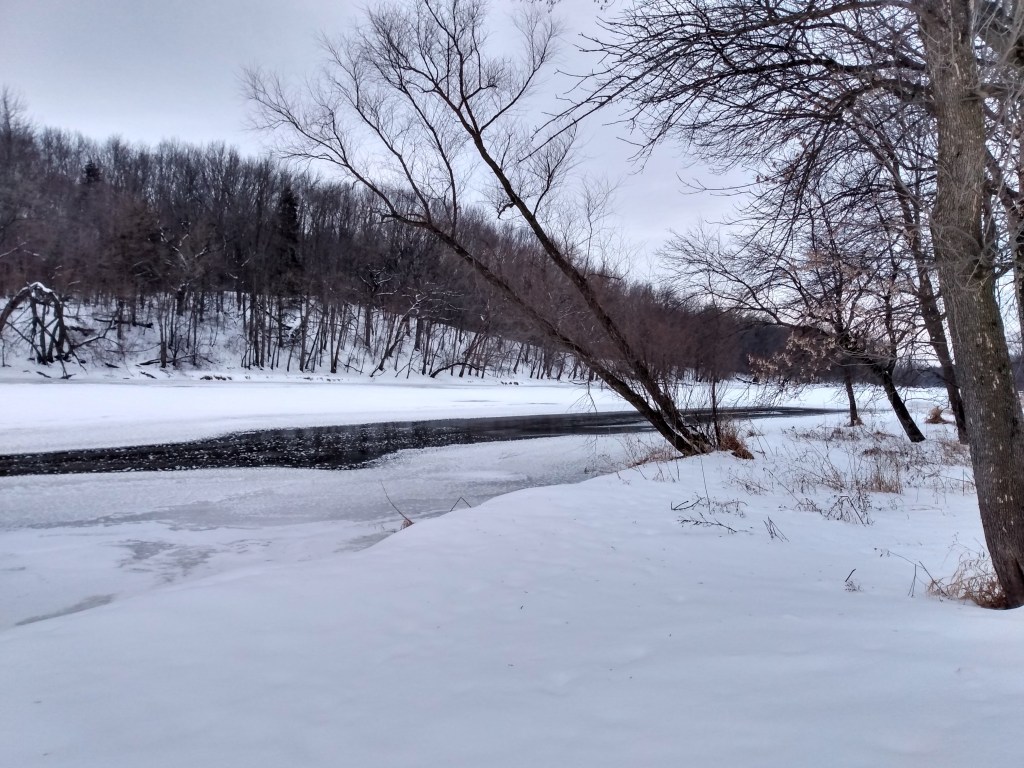
mud lake fen and wet prairie is on mud lake’s southern shore. the calcareous fen surrounds and feeds an inlet to the drainage lake. sedges were thick on the ground, and the peaty soil is—get this—quaking, which means that the peat has built up to the point that the sedge mat is actually floating. it’s a quaking fen! my brother, who was walking with me, put his foot right in it thru the ice. a little scary, but mostly just really cool to see down into the peat, since he was fine. the smell wasn’t “gross” but certainly unique and earthy.

the snow drifts blowing into the sedge and cattails at the edge of the lake were the visual highlight.

thanks to the dnr for tending this land.

a.

we’ve pushed our way thru sedge

to tread on the solid lake

fen-hoppers, grateful for water

b.

hallowed curvature

of the fen drift

a miracle to the eye

c.

cardinals call to one another

in the treetops. lichen and moss

continue growing. there’s life in the snow

s.n.a. poems #59: ancient aztalan village

aztalan (totally a modern euro-american name—longer story than i want to go into) is a tremendous archaeological site in wisconsin. it is an outpost of the mississippian civilization more prominently known for their city called cahokia in illinois. it appears that folks from cahokia took boats up the mississippi, rock, and then the crawfish rivers to the present site. the village flourished between about 1,000-1,200 ce/ad. the village had large platform mounds, houses, a stockade, and a fish weir. why the settlers abandoned the village is unsure.

thanks to the wisconsin dnr for keeping up the site.

a.

when i left this morning

stoplights were flashing

with the urban dawn chorus

b.

rapid thud from the bank,

sun diffused thru altostratus:

dawn on the crawfish river

c.

you were once here,

and now you’re gone

and this remains

d.

crows cut over the platform mound

as silos loom over empty fields

a new niece has arrived in the world

best sign all day

state natural area poems, supplementum #15: havenwoods

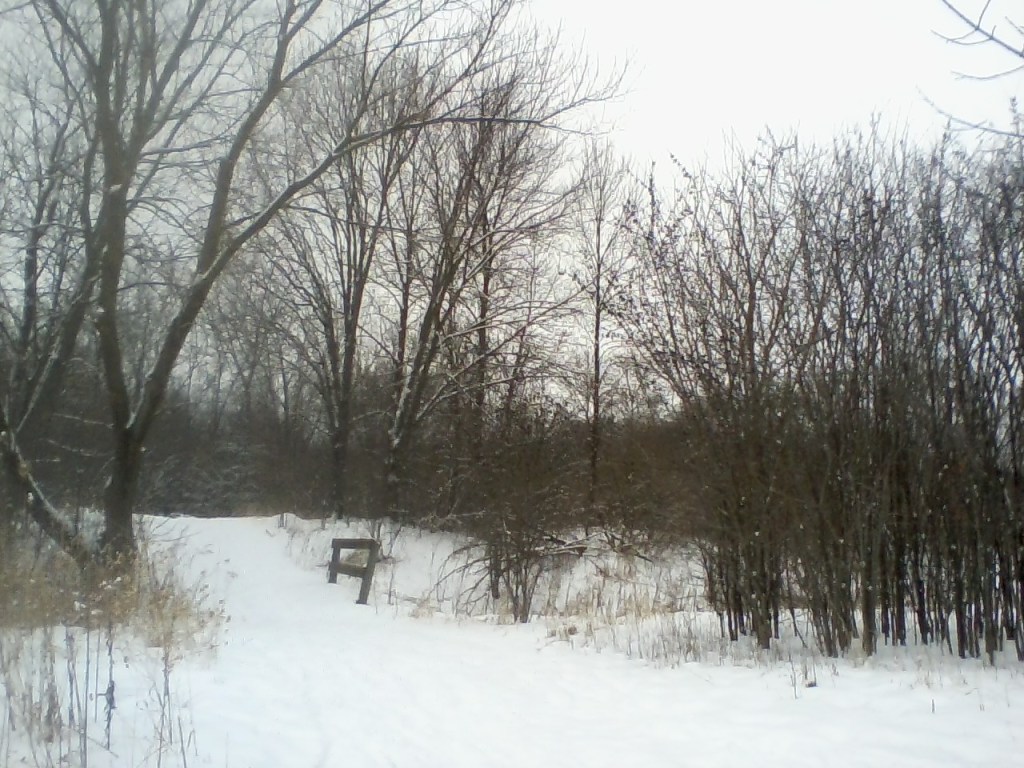
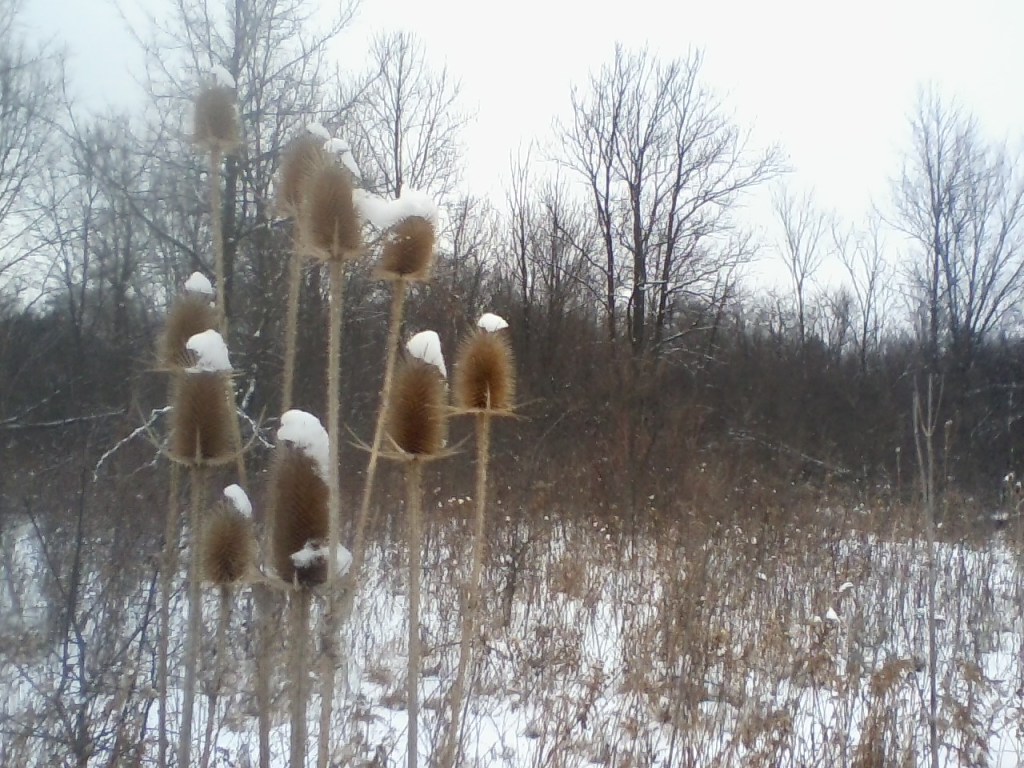
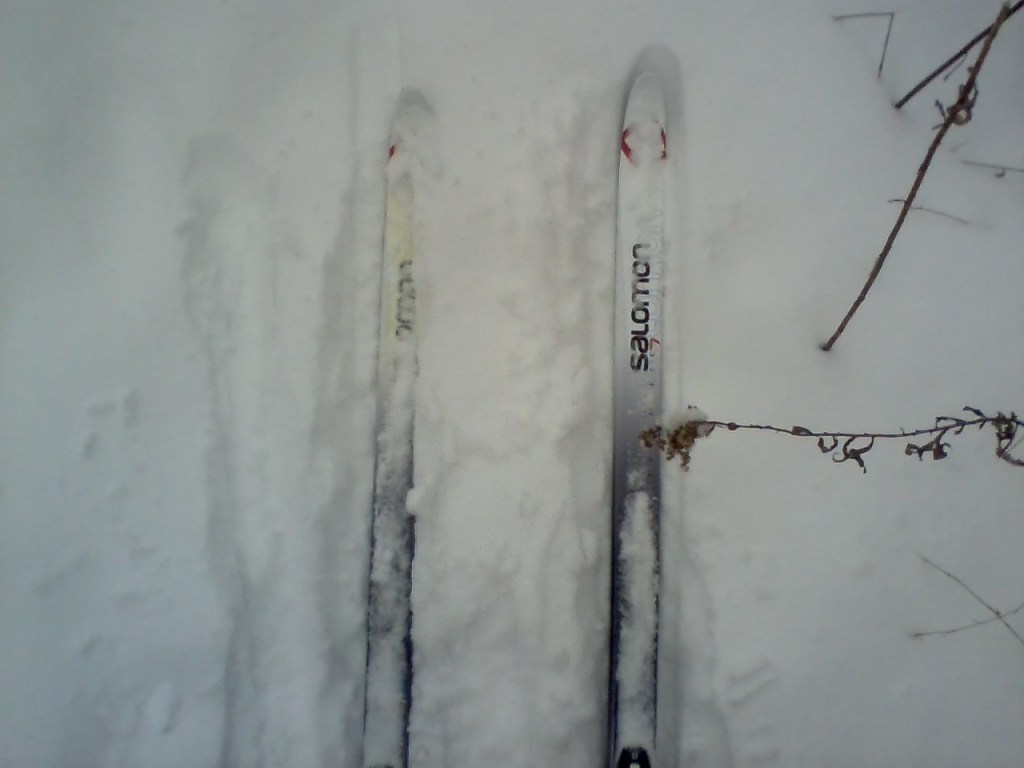
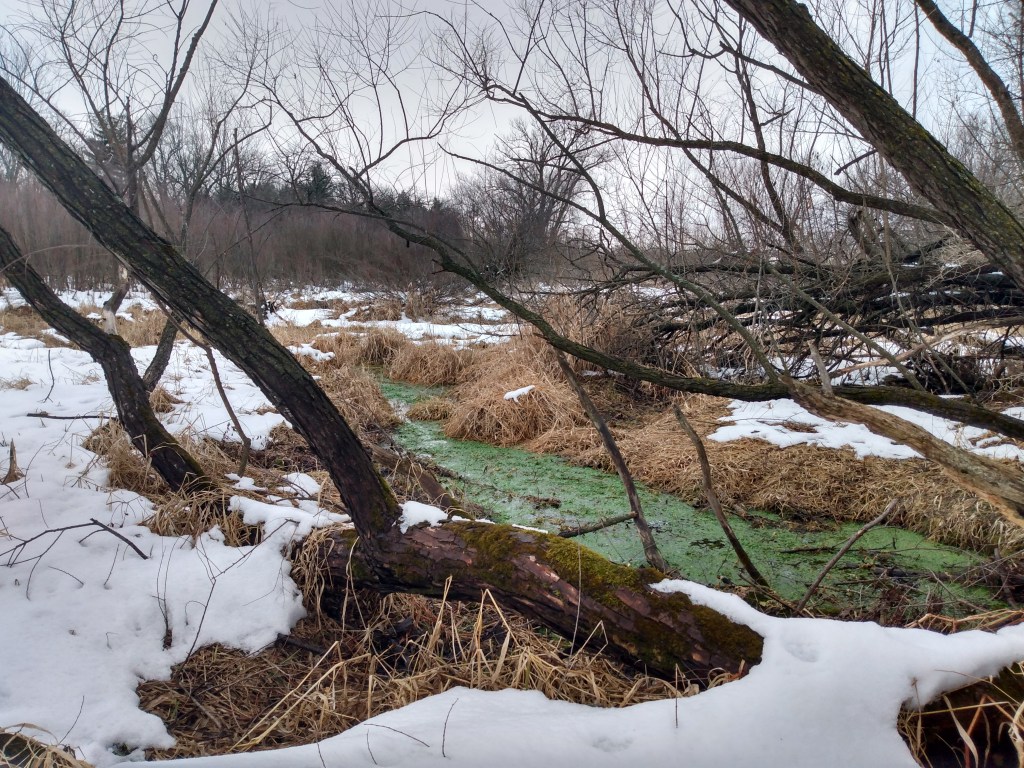
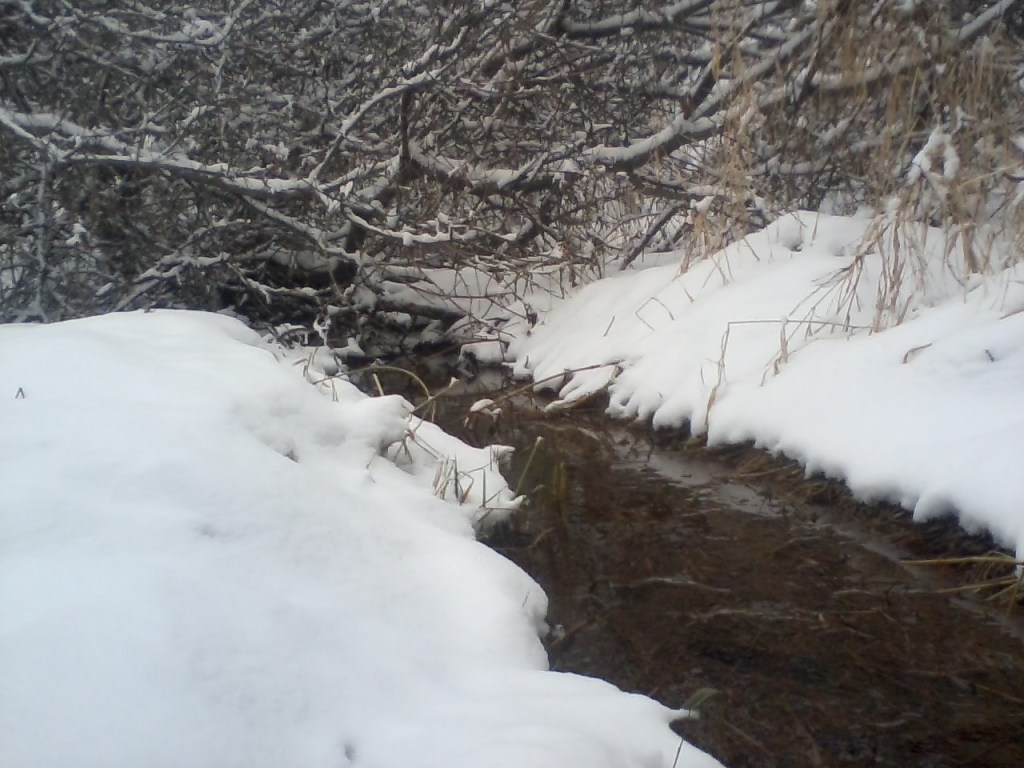
havenwoods is wisconsin’s only urban state forest, here in the city of milwaukee. it was developed for about a hundred years, but has been reclaimed now and features grasslands, woodlands, and wetlands. this was my first time visiting in the winter, and skiing was a treat.

i used my old flipphone for this outing, so pictures aren’t what they could be. but, hey, we work with the tools at hand, yes?

a.

three white tails

below the bank

in silence they are gone

b.

this forest lives in the city

deer and thistle don’t mind—

divided only in mind

c.

tannins brown the streamwater

and small feet trouble the mudbank

finch just wants a winter-drink

my favorite winter vehicle.

state natural area poems #58: johnson hill kame

kames!

johnson hill is a “moulin” (French for “mill”) kame, a conical hill formed from the action of melt-water pouring into cylindrical holes inside a glacier. the swirling action of the water deposits the sediment in a stark cone on the surrounding lowlands. it’s really a strange thing. but we hiked across the field and braved the bit of forest that stretched between us and the kame (the shrub layer thinned out after a bit), and enjoyed an afternoon playing and climbing and sliding over this bizarre hill. northern and southern mesic forest set the scene. the loose rock at the foot of every tree made clear the glacial nature of the hill.

thanks to the wisconsin dnr for tending this plot.

a.

ah, the moulin kame!

we circumambulate

the ancient whirlpool

b.

further in the shrubs thin

and the stout hill looms above

here we find some respite

c.

the cradling arms of sediment

welcome children’s play

goldenrod on top of the world

d.

here at the forest’s

edge, the snow

and eagle under moon

state natural area poems, supplementum #14: pheasant branch conservancy

pheasant branch conservancy comprises a series of habitats surrounding pheasant branch creek. the creek finds one of its headwaters in bubbling springs at the base of frederick’s hill. the wooded and prairie uplands give way to pheasant branch marsh before the creek empties into lake mendota, one of the four lakes in the area around madison, known to the ho-chunk as ‘dejope’ (‘four lakes’). atop frederick hill is a group of middle woodland conical and linear mounds.

a.

oaks praise the sky

on the sun’s day

scuffle beneath the snow

b.

up from the surging springs

pasque flower is hiding

vascular refugees

state natural area poems #57: sugar river wetlands

sugar river wetlands is a large wetland complex within the sugar river watershed. surrounded by highways, it’s a site of restoration for wildlife and several rare plants. the site includes sedge meadow, calcareous fen, shub-carr, wet-mesic prairie, and emerging aquatic wetlands. the springs and fen area we explored were brimming with quiet activity as the water flowed into the sugar river.

a.

the seeps work gently

thru matted grass, earth grooves,

alluvial moves under stars

b.

the snow piles verve,

somewhere a piping chirp erupts,

and this all flows to the sugar

c.

i exult in muck and duckweed,

frozen feet, the touch

of water straight from earth

state natural area poems #56: olson oak woods

olson oak woods is found a few miles west of the johnstown terminal moraine that marks the limit of the last glaciation in this part of wisconsin. several different oak species, some dating back to the mid 1700s, reveal the former savanna habitat that has now turned to wood due to lack of fire. there are heavy and lovely cliffs throughout, reminiscent of the cliffs at magnolia bluff in rock county not terribly far away. some prairie plants remain, though they’re all sleeping now.

thanks to the wisconsin dnr and madison metropolitan school district for tending this land.

a.

above the hollow,

bracken spills

over limestone

b.

the cliffs give us oaks

and flowers from days past—

quiet bedrock now