honey creek sna is a widely varying area along honey creek, with different soil types, bottoms, boggy areas, forest, rock escarpments and uplands. the dnr site claims over 500 plant species living in the area. the site was originally protected by the wisconsin society for ornithology, and many bird species nest here. go birds (or, as chaucer would have called them, brids).
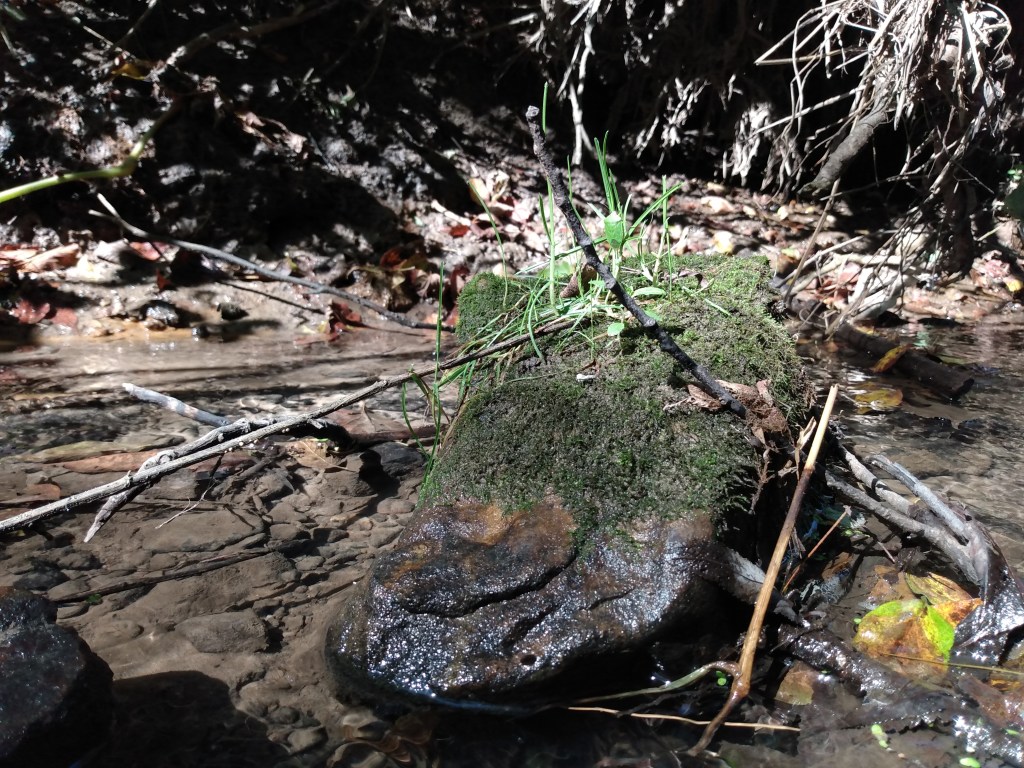
i took a leisurely stroll up the creek in the southern section, walking up what’s known as “borns hollow.” (i’m a sucker for any area called a “hollow.”) a lovely creek community with springs and seeps, forbs and grasses hanging all over the banks. oh, and cows and cranes coolly noting my approach and retreat.
my first spot of lobelia this year, and first id of spotted lady’s thumb (heart’s-ease), a kind of knotweed.
I’m always grateful for the support of Spirit & Life, the Benedictine magazine that the congregation of sisters I’m affiliated puts out every other month. But especially so right now. On the occasion of the Exultation of the Cross coming up on the 14th of this month, they’ve published an essay of mine that brings together American neo-bohemia, altered states of consciousness, devotion to the Sacred Humanity of Christ, and contemplation. (!) You can find it here.
This is by far my most personal essay so far, and I find it’s getting easier over the years to just say what I want to say. Spirit & Life has helped foster that growth for sure—if you like what you see there, please subscribe; it’s free and a very pleasing material publication!
I’m very grateful to Macrina Magazine for accepting what is a quite a seriously mixed bag of poems—I think it shows a real willingness to experiment and be open to lots of different ways of coming at poetry. You can read them here, and stick around to read other stuff on the site.
In their varied ways, the set together says a lot about what I find valuable in life. There are some notes on the page, but: the first is a translation of an Old English poem that is set into an anonymous translator’s rendering of Boethius’s De consolatione philosophiae, that features Weland the Smith; the second is a “tour poem” of a nature preserve in Sauk County, Wisconsin; and the third is an imitation poem in honor of the Mazatec curandera Maria Sabina set at a roadside shrine to the Sacred Heart in Door County, Wisconsin. Something for everyone! 🙂
took in an invigorating walk on a hot day with my wife and mom, while my brother hung out on the pond-shore.
flax pond is a kettlehole pond formed by a formerly submerged glacial chunk that melted, the ground above collapsing into the depression and water filling in. another pitch pine-oak wood by the looks of it, with lots of sand and, surprisingly to my midwestern eyes, lots of moss and fungus too. a beaut.
and my fond adieu to these fabulous lichen forests on so many tree limbs out there. couldn’t get enough.
first id of a new, yellow species of hawkweed, but not sure if it was new england or meadow…
we took a twilight walk at crowes pasture conservation area, which features pitch pine-oak woods bounded by quivet neck creek and cape cod bay. the moon and the sea air were fantastic, and all that lichen tangled along the tree limbs again…
at this site off of new boston road in dennis, ma, as you can see above, the first english colonial fort in the area was built. it’s now restored to a cedar forest and salt marsh off of chase garden creek. a beautiful walk, quiet and smelling sweet of cedar. one of the great barefoot walks, with all that sand and pine needle duff.
one of my favorite aspects of cape cod is the intricate and heavy lichen forests that cling to the tree branches; impressive here as elsewhere. also, you can see the ditches dug in the salt marsh that earlier generations used to try to kill off mosquitoes by making them bait for minnows…i don’t know how well it worked. special thanks to my wife for taking time out of our vacation to go on this walk with me. 🙂
also, on a formal note, while not committing to it wholesale, i’m starting to use the “lune” form more in these posts, the so-called “american haiku” of 3 lines at 5 syllables-3 syllables-5 syllables.
i commute by bike to marquette university from my place in milwaukee’s east village pretty much daily. on my route, passing by the milwaukee river is always a highlight—a moment to see her beauty and reflect in heraclitean fashion on time and change etc., as cliche as it might seem. i also see how much damage we do to her, and how we’ve changed her features.
the tension between these two states is sometimes just too much, and one day i pulled over to look and smell and make a short poem about the ambivalence of the milwaukee’s flowing thru downtown. happily, the good folks at riverbed review published it in their new issue a couple days ago. you can read it here, and do check out the other good work in the issue too!
here’s a shot of the north branch further north where we haven’t bothered her as much…
quivet marsh is a saltwater marsh located along sesuit creek as the creek flows to sesuit harbor and thence to cape cod bay. we’re here visiting family, and it’s a fantastic opportunity to get to know this land i’ve visited off and on my whole life in a more intimate way too.
pitch pines and oaks, phragmites and marsh muck, salt air and snags. found a nice stand of ghost pipes and a first id’s of pinkweed and summersweet.
my first time in a salt marsh and well worth the stop. a shout out to my sister in law for doing the early recon on sesuit creek and the marsh!
a century of state natural area poems! i’ll admit: it felt good to hit this number. and i find it somewhat hard to believe—that’s a lot of visits in a year and a half, even for my determined self.
thanks to everyone who has hiked with me so far—family and friends—to all the creatures i’ve met on these jaunts, and to the all the private and public owners of these lands for tending them and making them available to the public.
oh, also, it recently came to my attention that a wisconsin high school newspaper article about the sna poems did come out a few months ago. it was fun to talk with a very local paper (in stoughton) about the vision and process of what i’m doing here, and i think emma did a fine job writing the piece up. you can check it out here.
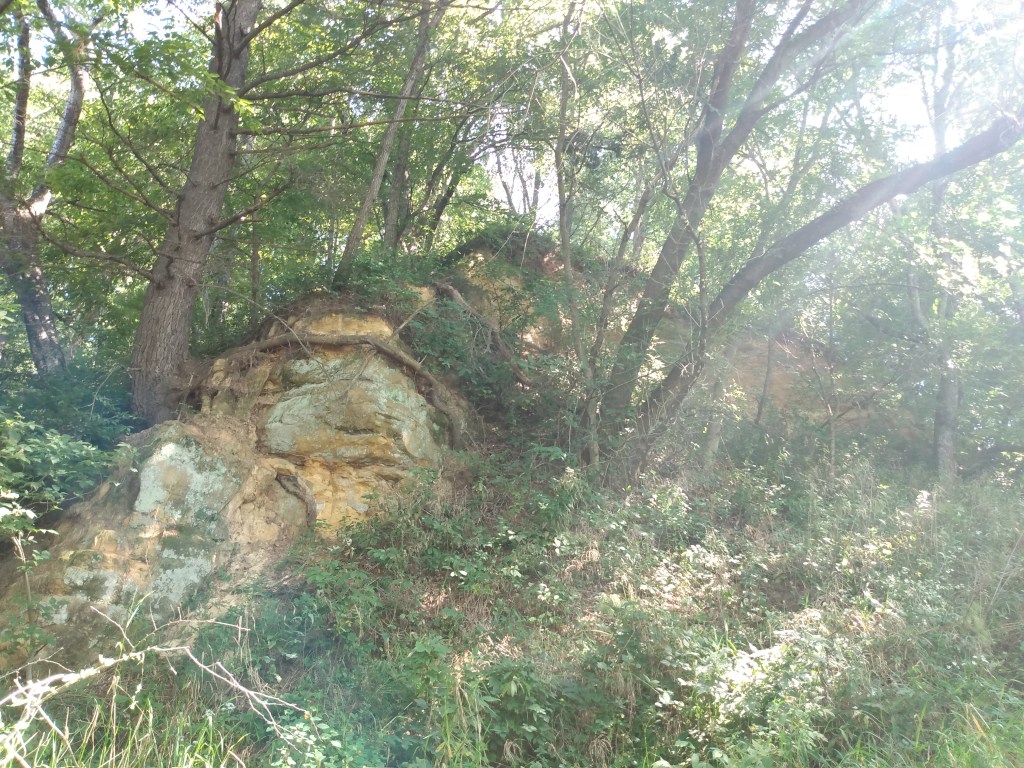
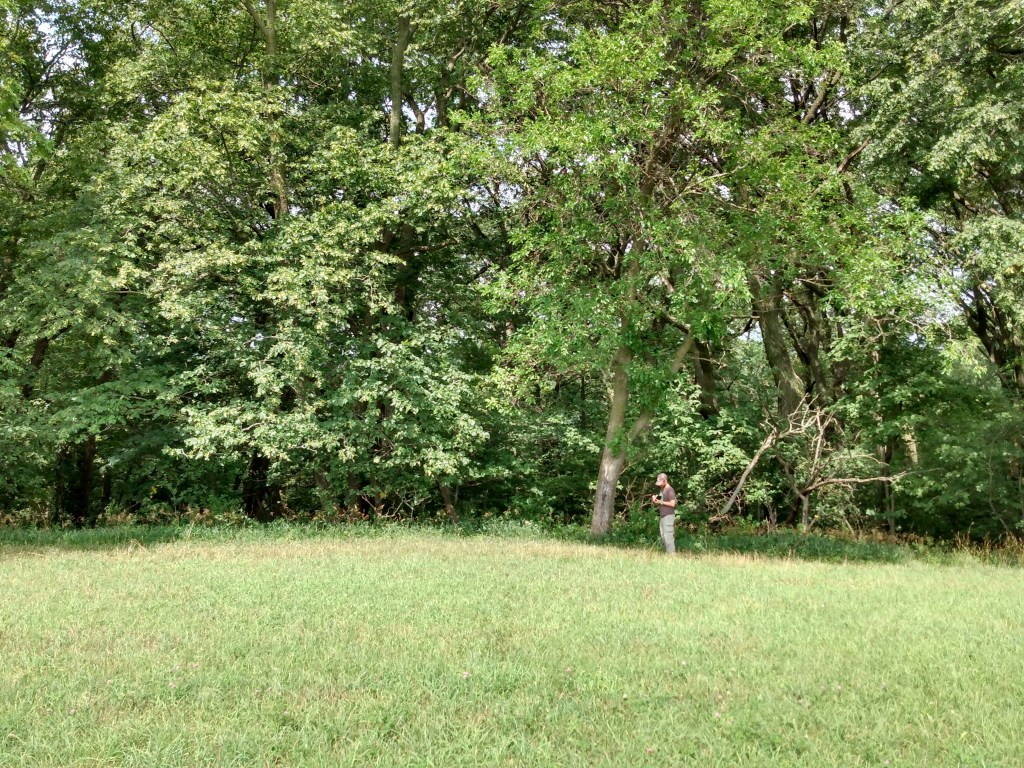
the ward/schwartz decatur woods is another site along the sugar river, this a remnant southern dry-mesic wood with large red and white oaks. the understory has many spring ephemerals and is rich in other plants. the woods was one of the sites where baseline data for the burgeoning field of ecology was established in wisconsin by john curtis in the 40s and 50s.
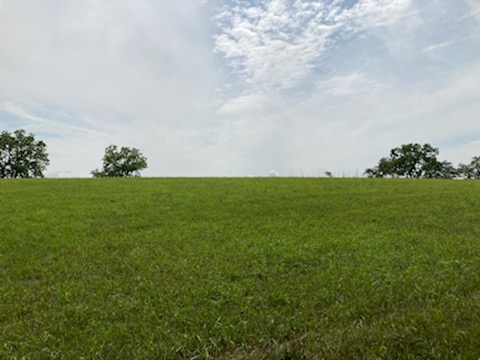
a hard climb up the ridge after four other sites visited that morning, but satisfying to come out onto the edge of the wood at the crest and pause for a moment before a more leisurely walk back down.
first id-in-the-field of bittersweet nightshade—it volunteers in my backyard, but it’s different somehow seeing it out there. credit for a couple of these photos go to my dad who climbed the ridge with me.
a.
logs crumble with footfall
upslope and downslope
movement over land
b.
a hooved pair graze
on the sun-soaked ridge
crow overhead
if you made it this far: thanks for reading/looking. this project was not intended to go on this long, but i’ve learned enough about the natural history of wisconsin and enough folks have liked and responded to this project that it feels worth continuing. my gratitude goes out to you for stopping by.
the albany sand prairie and oak savanna has an unplowed sand prairie, accompanying oak barrens and oak opening, a dry-mesic prairie, and an oak wood along the sugar river.
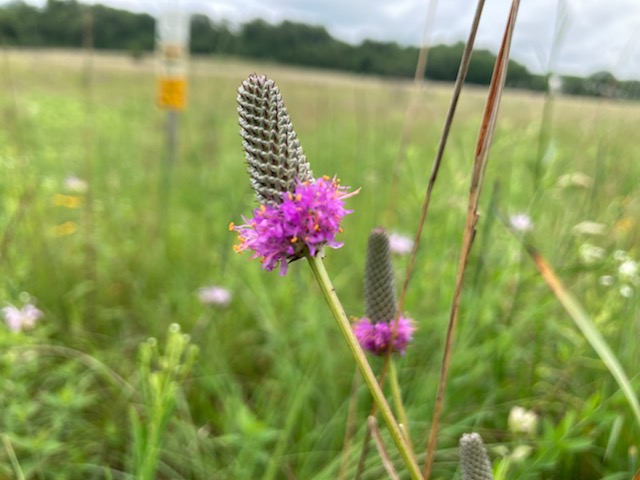
a very pleasant walk. first id’s of grass pink, hedge parsley, and american germander. also a species of primrose i haven’t seen before.

















 Jacob Riyeff