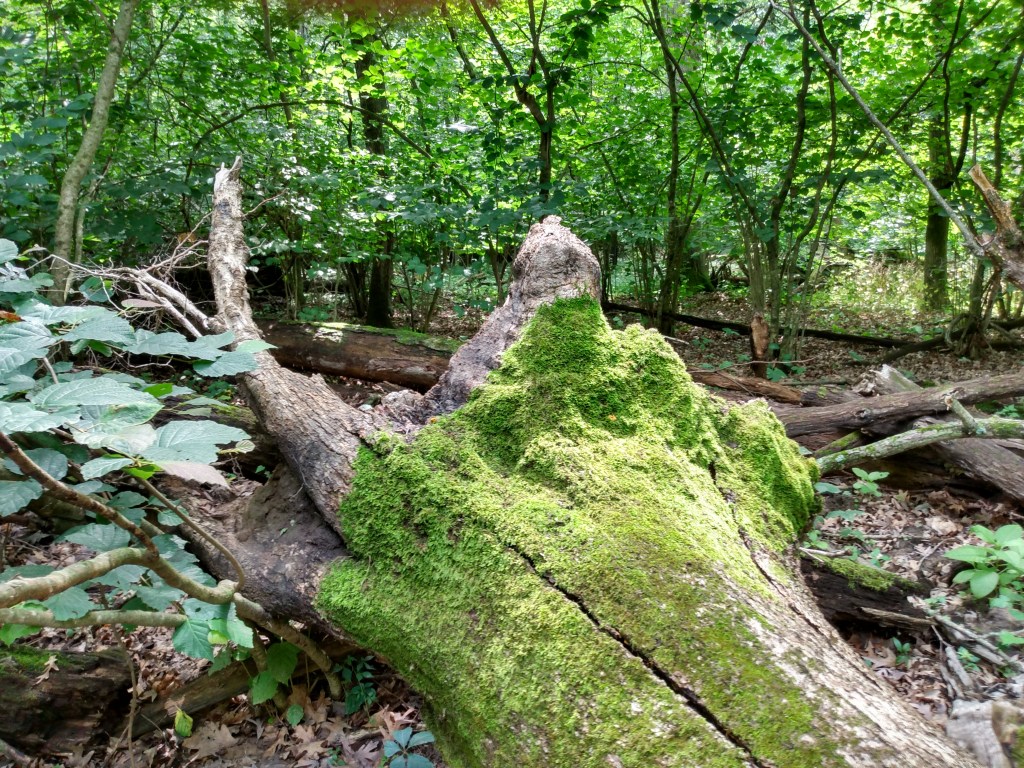
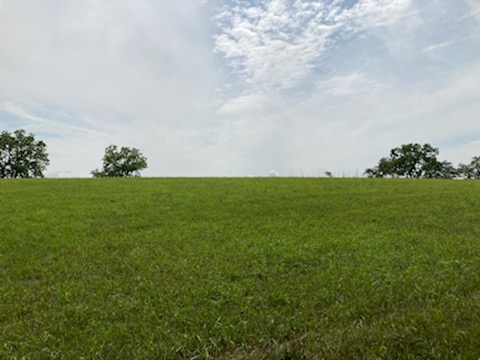
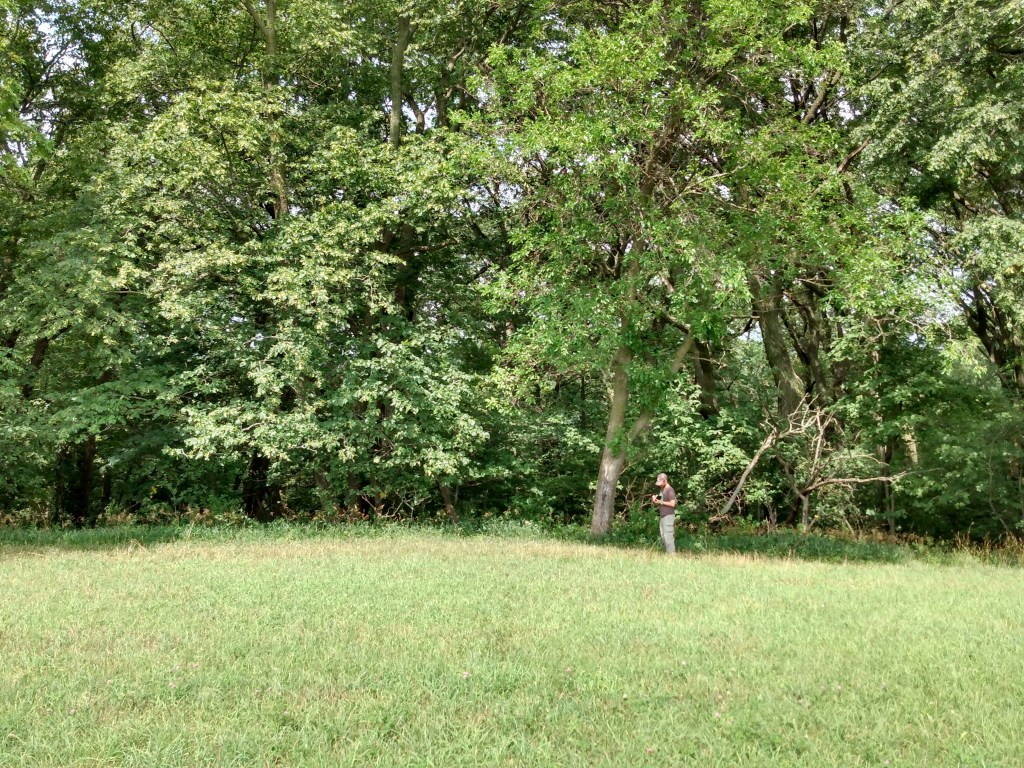
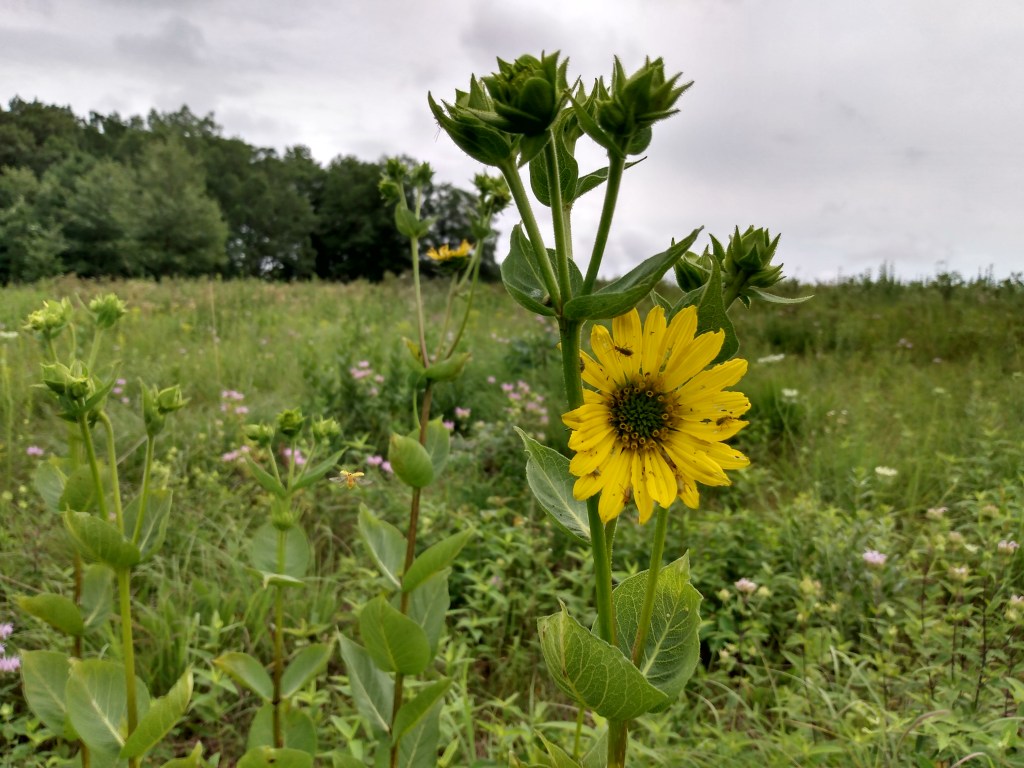
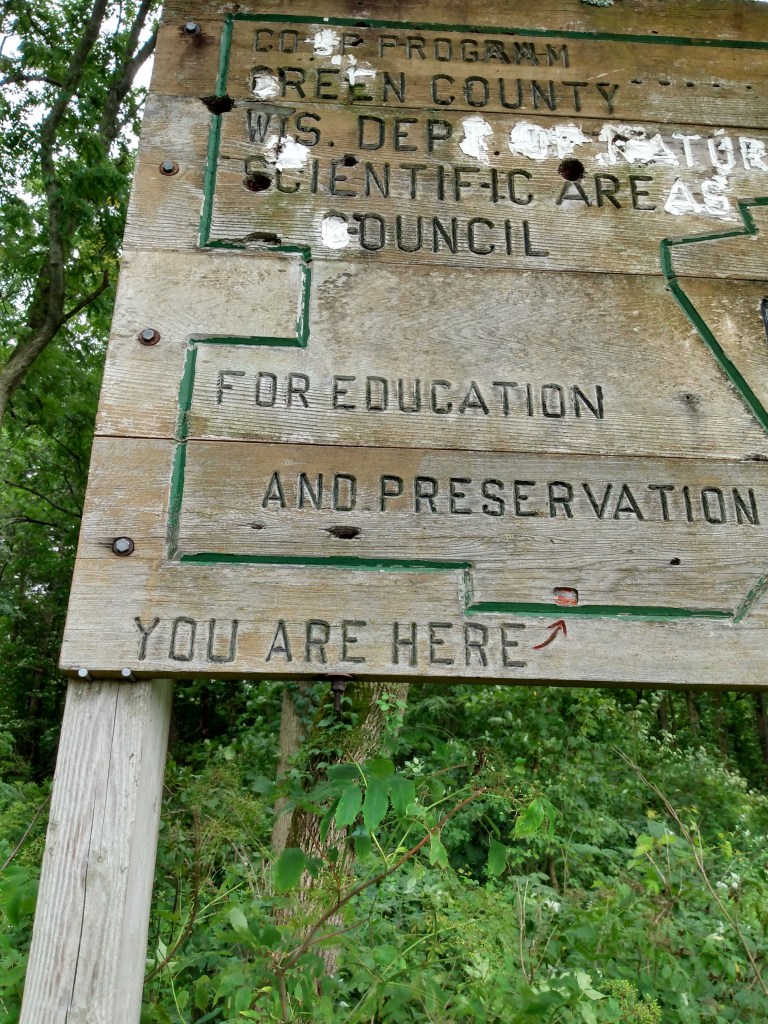
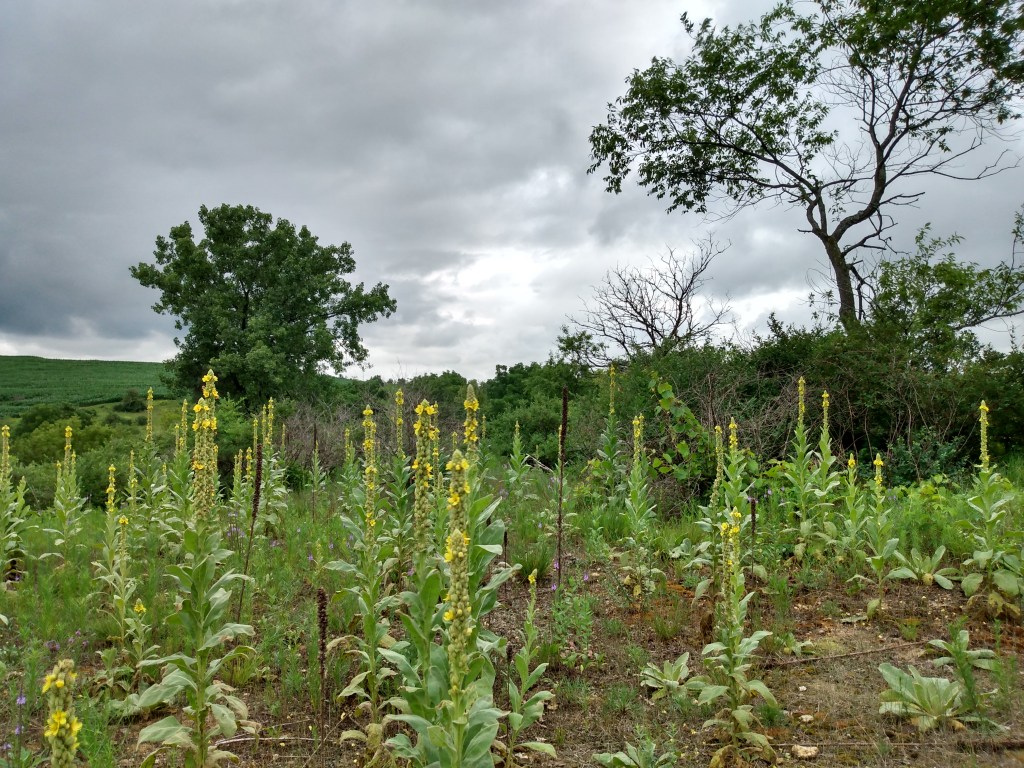
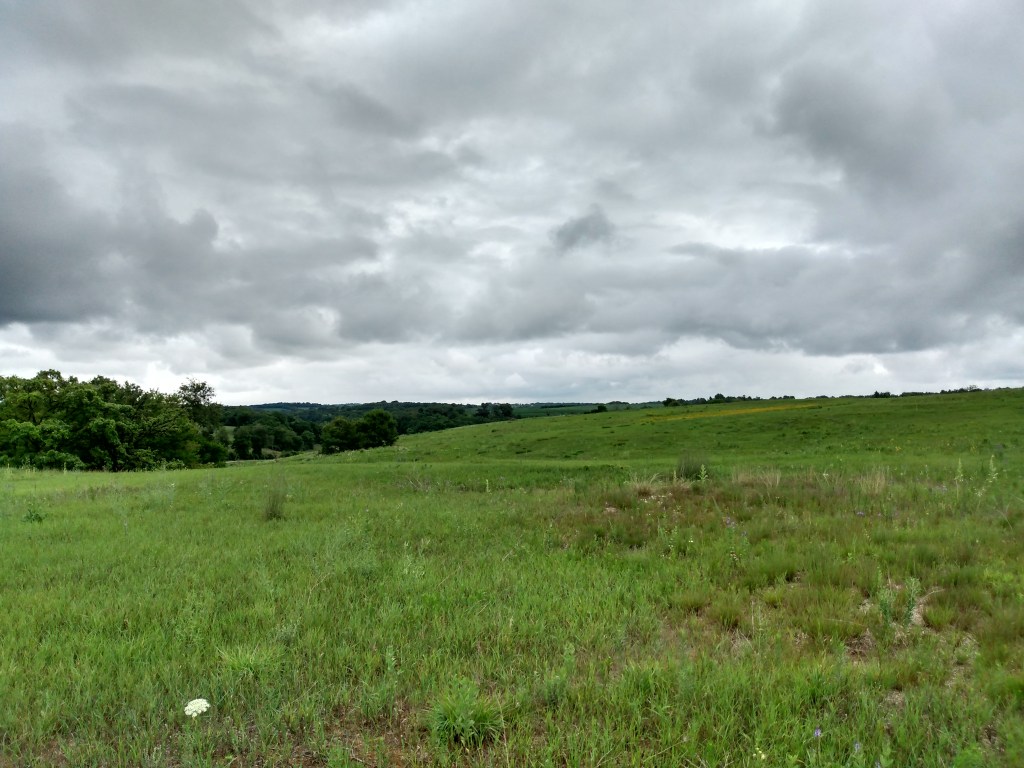
the albany sand prairie and oak savanna has an unplowed sand prairie, accompanying oak barrens and oak opening, a dry-mesic prairie, and an oak wood along the sugar river.
a very pleasant walk. first id’s of grass pink, hedge parsley, and american germander. also a species of primrose i haven’t seen before.
i’m digging these prairies set on hills out west of me in wisconsin.
muralt bluff prairie lies along a curving ridge in the contact area between wisconsin’s glaciated and drifltess areas. there are fantastic displays of wildflowers from spring till fall, with several rare species represented.
it was a slick climb up (courtesy of the rain earlier in the morning), but the dense stands of wild bergamot and tall bell flower along the muddy wooded trail made up for the effort. the prairie itself and the view of woods and rolling farmland from the ridgetop were fabulous.
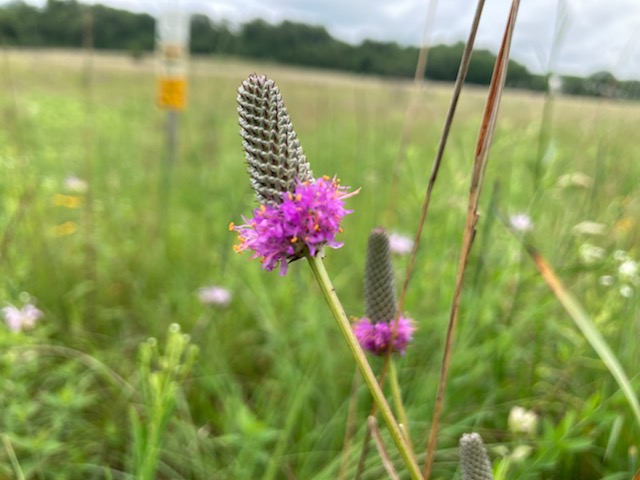
first id’s of grey-headed cone flower and prairie rosinweed!
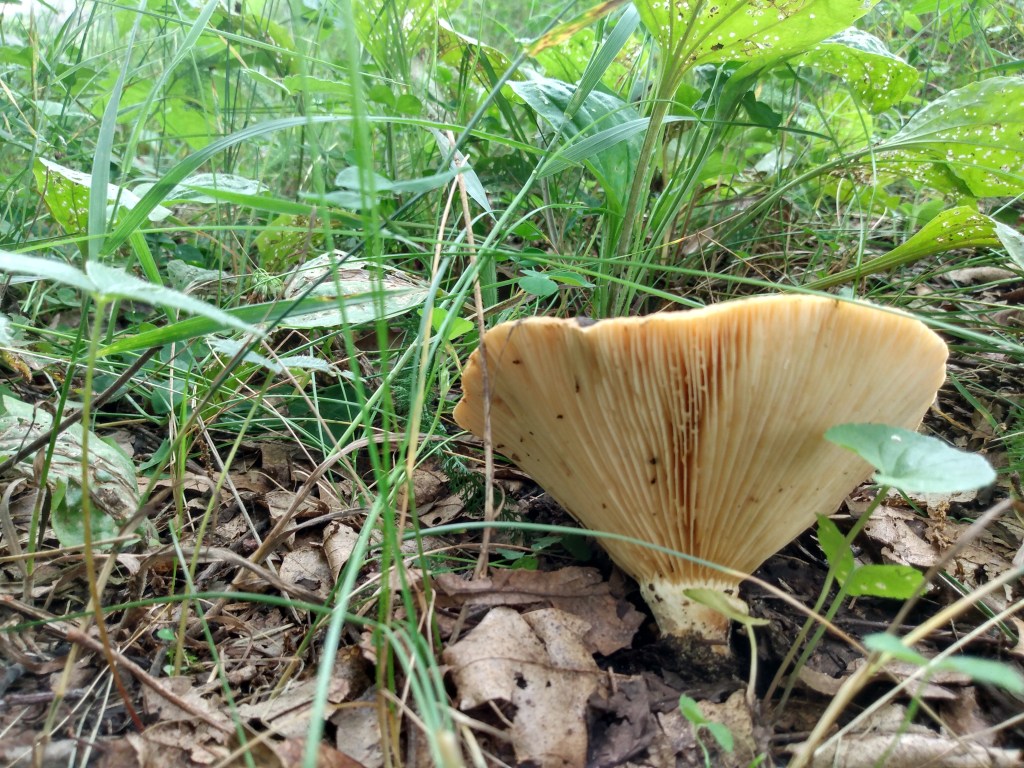
browntown oak forest is a southern dry and dry-mesic forest situated on a st. peter sandstone ridge in the driftless area. the variable topography and soil types nurture a diversity of plant communities. one part of the slope has sandstone outcrops.
the trails (such as we could find) were going feral, which restricted our movement into the forest somewhat, but a jaunt down the ridge to the sandstone was freeing.
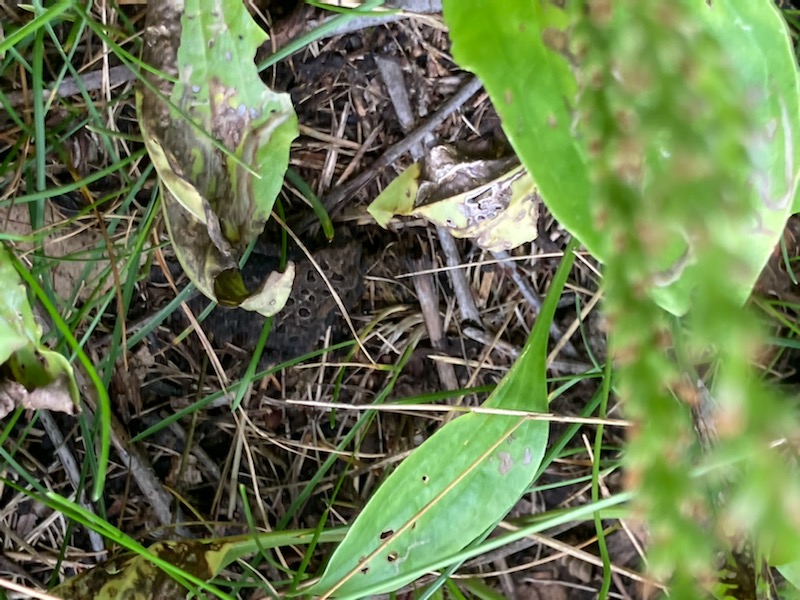
first id’s of tall bellflower, st. john’s wort, and knapweed; also first coral fungus spotted since i started these.
a.
me and this hickory
outcropping here
on sandstone slabs
b.
coral fungus
glows on log:
a shimmering bouquet
c.
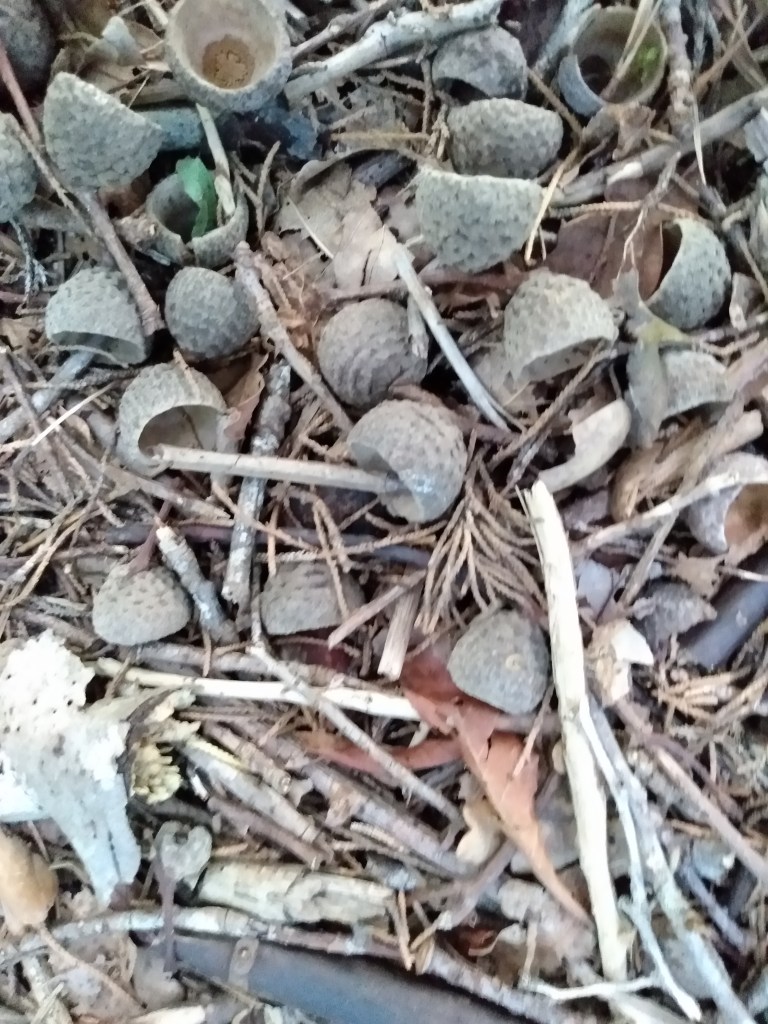
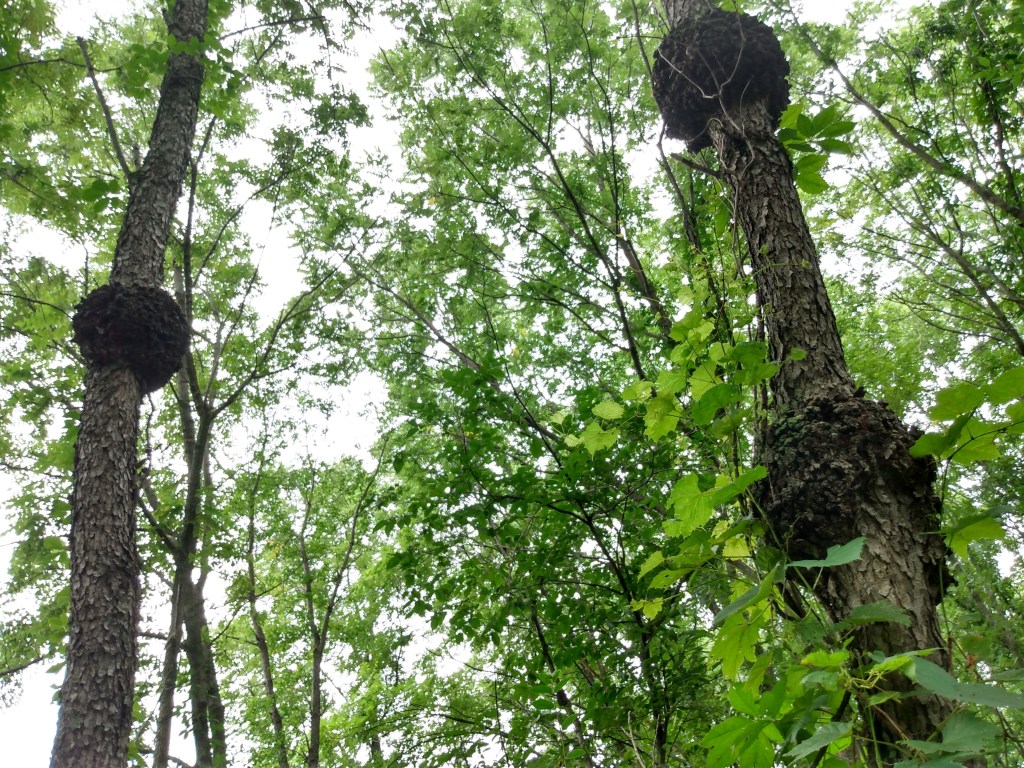
rough and rounded spawn
of oak, walnut, hickory
jewel the forest floor
then over to baumgartner’s in monroe for serious cheese sandwiches…
The first State Natural Area I visited here in Milwaukee County, Cudahy Woods, is a 40-acre plot that never got logged or developed and so is old growth in the middle of Wisconsin’s most urbanized county. It’s a delightful place and close to my heart because it’s where I started the project of teaching myself about Wisconsin’s flora and natural history.
And today I’m delighted to share that St. Katherine Review has graciously published one of my poems about this old-growth treasure. You can read it here, and do check out other work on their site—it doesn’t disappoint!
washington park was formed on the city’s west side back in the 1890s, and it’s still a gem. right in the middle of the urban landscape and bordered on one side by highway 175, it’s a fine mix of rolling park, open pond, and small wetland, with some gorgeous old trees and an art-deco ampitheatre. the city is celebrating the bucks’ championship win today w/ a parade, so we had to stay north of downtown, and glad we did.
a few great blue herons were flying about, and first id’s of cardinal flower and monkey flower! also, the spotted touch-me-nots are back.
thanks to my daughter for suggesting the walk, thanks to the urban ecology center for tending the site and providing programming in the park, and a couple photos here are credited to my wife.
—
cardinals and saffrons trumpet
a lance living and angled
the festive city surrounds
cardinal flower more impressive in person even than i had expected
spotted touch-me-not with insect friend
columbine still blooming
great blue heron taking a break from wading
joe pye weed
monkey flower, arresting and unassuming
wood sorrel
if you made it this far, it looks like these were cicada parts…
on to green county! my dad and brother were along for the trip this time, and we did a day-long tour of the county with five sna’s.
green county is in the driftless area, the part of wisconsin (and neighboring minnesota and iowa) that was not smoothed and altered by the wisconsin glaciation, as the rest of the state was. different terrain but still southern wisconsin.
our first stop was york prairie, which contains remnant tallgrass prairie, a multitude of native plants, and rare and threatened plants. the sandy soil and rocky terrain were a new experience in prairie for me, and a light shower gave the walk a different energy part-way thru. first id of hoary vervain and golden alexanders!
logan creek sna lies on the northern side of clark lake and is dominated by a northern wet-mesic forest. a small prairie buffers the parking lot from the woods.
we had a fun time running thru the beeches and hemlocks, cedars and birches. critters mammalian, amphibian, and reptilian darting off the path ahead of us left and right. one of the board walks was out, and we were losing daylight, so we weren’t able to see the lake, but hopefully we’ll be back some day.
if you made it this far: here’s a good reminder to keep your wits about you. this birch fell completely along the trail. if someone had been on that bench, they’d have had quite a view of the fall…
I had the distinct privilege yesterday of having a conversation with Abbot Primate Gregory J. Polan, OSB and Rachel McKendree of Paraclete Press about the practice and virtues of the Divine Office (also known as the Liturgy of the Hours) and my new book, The Saint Benedict Prayer Book.
We discussed a bit of the history but more so the vision of reality that is conveyed by the performance of the Hours, why it matters as a form of prayer in the world today and how it shapes who we are. It was a fabulous discussion with much wisdom from Abbot Primate Gregory.
If you have an interest, you can watch the full conversation here, and you can pick a copy of the book here.
it was a hot one. i visited whitefish bay dunes—what the wdnr calls “the largest and most significant Great Lakes dunescape in Wisconsin”—when it was in the mid-90s. tough going but very focused, and not many other folks on the trails. the dunes range from open beach right on the lake to heavy forest a couple dunes back.
i took the northern trail to “old baldy” (the highest dune in wisconsin at 93 ft above lake level), which came out of northern mesic forest into open glades of juniper and fern, not to mention all sorts of small, ground-hugging plants i hadn’t the slightest clue on. very unique habitat inhabited by very unique flora. after climbing up baldy i took the southern trail back, which lulls thru a forest of balsam fir, white cedar, and birch on the backside of the fore dune—very fragrant and pleasant despite the heat, especially along the hollows.
(by the way, i love that the wdnr uses the word “dunescape.”)
a.
thimble berry thick
on the midday sunning earth
dune asks nothing
b.
porcupines are there somewhere
behind aspen stumps
and miniature fountains of moss
c.
juniper and fern
are friends
in the dune-glen
d.
solitude here on tallest dune
as aspens crest-quake
no one else so foolish in the heat
e.
words are bountiful
but no smell of balsam fir
touch of outcropping
if you got this far: look at this snail doing her balancing act on top of a small forb (about six inches tall at most). it was eery and delightful.
I’ve come back from vacation to find my translation of a Latin poem on St. Benedict in the latest print issue of Spirit & Life, the magazine that the Benedictine Sisters of Perpetual Adoration publish every couple months.
It’s a middle-length poem by a monk named Mark of Monte Cassino, and it’s the earliest attestation we have of St. Benedict’s existence—in plenty of time for his feast day on July 11th. The Latin is set in elegiac couplets, and I’ve translated them into alternating 12-syllable and 10-syllable lines modeled on French syllabic lines.
So, if you’re interested in arcane Benedictine texts (as you know I am), have a read here and a listen below if you like! Also: you can sign up for a free subscription to the magazine here.