“On Laying Awake All Night” (from _Sunk_ Collection)

In an anxious week for a variety of reasons, I wanted to put something positive out into the virtual world, if for my own sake if no one else’s—though I hope you might find some enjoyment here too.

Here’s audio of a poem from my collection Sunk in Your Shipwreck, about a night spent sleepless in a tent outside Chicago, IL (it’s more positive than it sounds).

Peace!


Dame Gertrude More’s poem for St. Benedict

Second installment for St. Benedict’s feast day!

Here is my reading (with a small cameo from my daughter) of Dame Gertrude More’s (1606-33) poem to her master in the monastic life, St. Benedict.

Dame Gertrude was a Benedictine nun in exile on the continent and a great contemplative of the early modern period when the English Catholic Church persevered thru persecution. You can pick up a copy of her poems and shorter prose here if you like.

A nice one in common meter. Enjoy!

state natural area poems #10: toft point

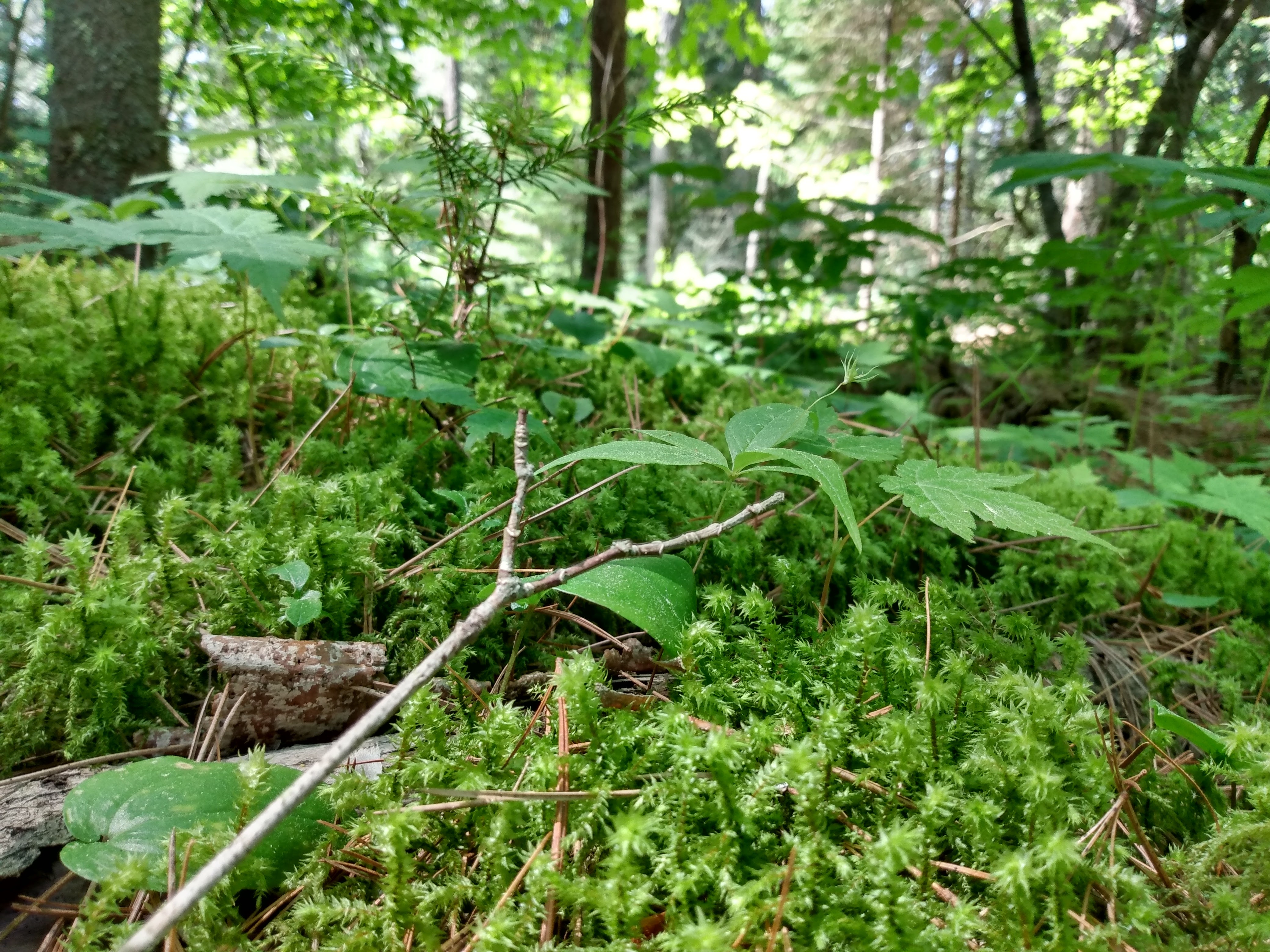
bryophyte elders

thallus-thick, mossgrown

small-talk on the pineduff path

toft point 1

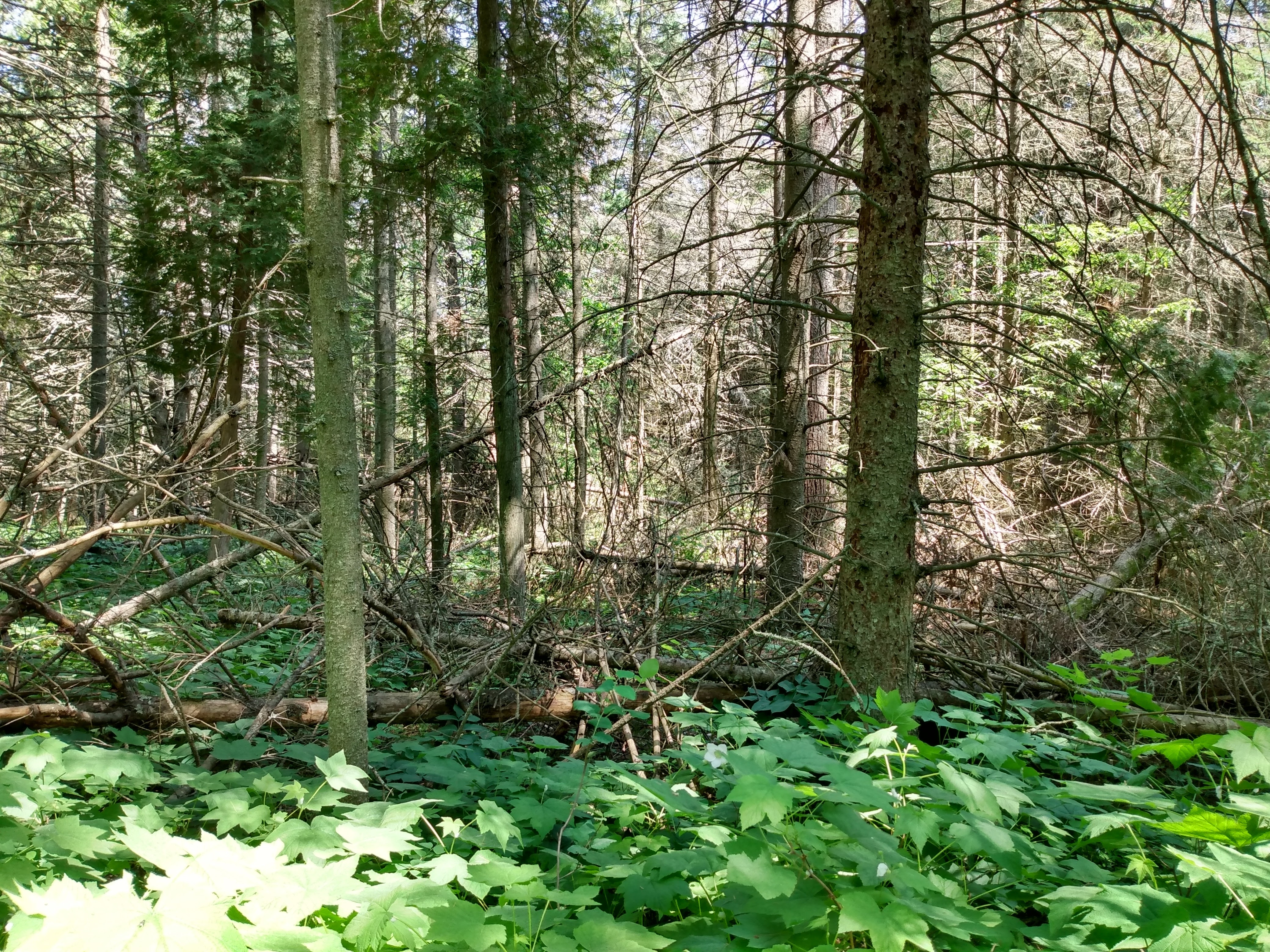
toft point state natural area is a 732-acre piece of land in door county, wi tucked between two bays. with boreal forest, mesic forest, and sedge meadow and swampland, it boasts one of the most diverse bryophyte communities in the state. it was a distinctly different feeling walking thru these woods.

thanks to uw-green bay and the wi nature conservancy for maintaining this patch of earth.

toft point 2

state natural area poems #9 a and b: riveredge creek and ephemeral pond

sedge sings out in tussocky throbs

to lonely kettle’s close

skunk cabbage now green parasols
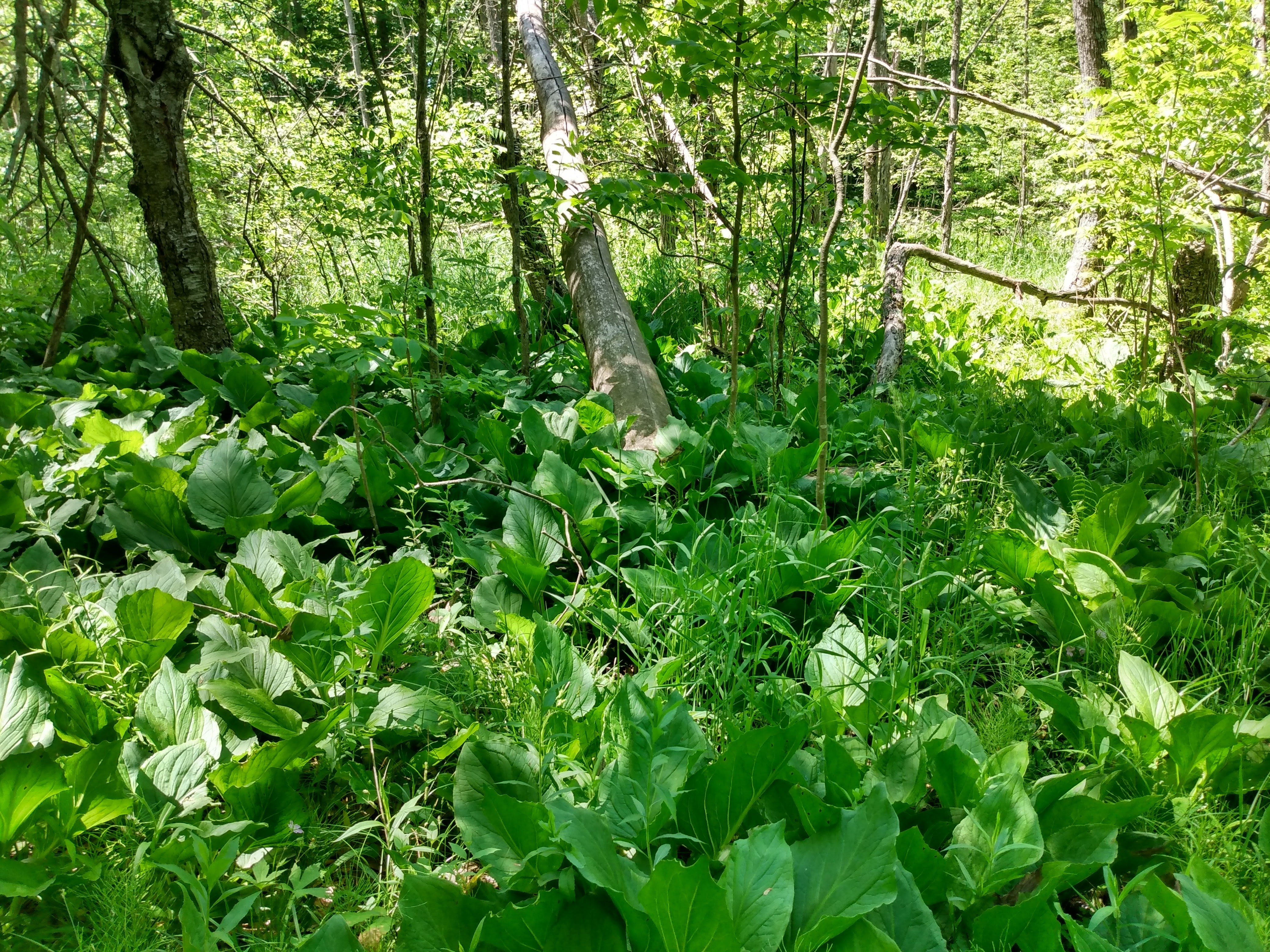
riveredge 2

riveredge creek slinks on

rivulets run like a web

while silent iris strains
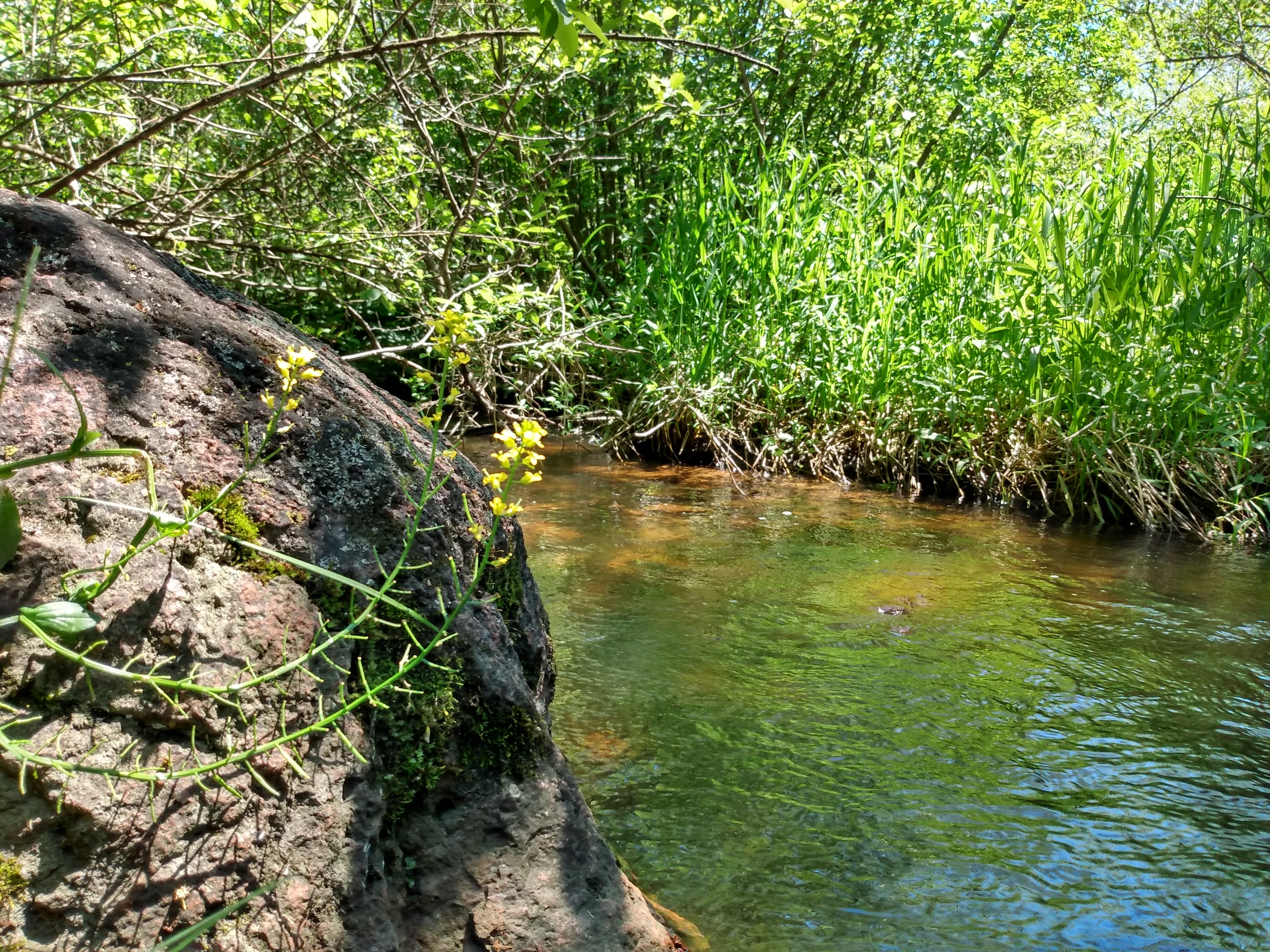
riveredge 3

riveredge 4riveredge creek and ephemeral pond state natural area is part of the riveredge nature center, a 61-acre slice of land that includes fen-like habitat with lots of skunk cabbage and spotted cranesbill (wild geranium).

thanks to the riveredge nature center for protecting and rehabilitating this area.

a programming note for myself and anyone who might care: as the final lines of both these poems allude to, i think the timeline of this project has closed. it was originally conceived as a way to get out of the house in safety either alone or with my family when the pandemic first really hit and we were all sheltering in place hard. but with the return of the warm weather and the first serious pushes of reopening, it feels like this project has done its work. i may continue to add more here and there when i get out, but i’m retiring the series as a reason/impetus to go out in the first place. i know several folks have been reading lots of these, and i appreciate your time and care. thanks for reading.

we’ll see if more press themselves on me…


amid troubles, a happy st. petroc’s day…

In the midst of all our troubles in the States and around the world at the moment, this may seem frivolous, but the liturgical year presses on with the vicissitudes of history. Today is the feast of St. Petroc, a relatively obscure sixth-century saint of Cornwall. (Not on the universal calendar, but his feast is still in the current Martyrologium Romanum.)

I did work on St. Petroc at UW-Madison under the wonderful medievalist Dr. Sherry Reames and ended up writing my first long poem on his life. It’s basically a verse adaptation of his Latin prose life, and you can see it here if you’re in need of a momentary retreat/diversion.

St. Petroc, pray for justice and peace!


back on quarantine poetry/natural space project…state natural area poems #4: kewaskum maple-oak woods

With the lifting of restrictions at Wisconsin state recreational sites, I’m back on my lockdown project of visiting my regional State Natural Areas with three-liners. Here’s the latest…


state natural area poems #4: kewaskum maple-oak woods

in early spring sun

frogs croak in chorus

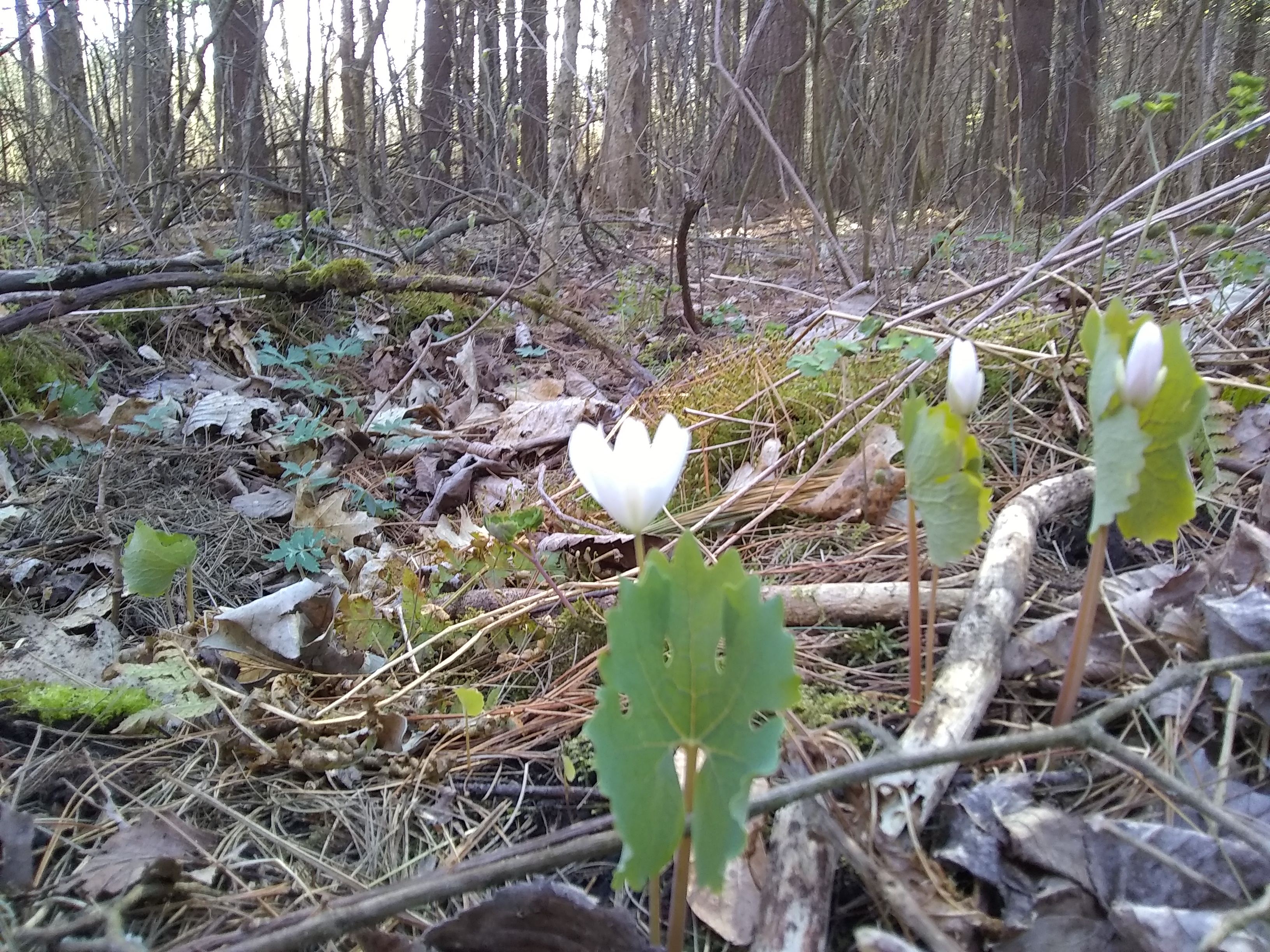
bloodroot stands in lobed splendor


Located on the lands of the Northern Unit Kettle Moraine State Forest, Kewaskum Maple-Oak Woods is a set of two parcels east of the Milwaukee River in Washington County, Wisconsin.

bloodroot kewaskum sna

Gratitude to the Wisconsin DNR for preserving these lands.

Translation of the Old English “Ruin” in Presence–Audio

I’m delighted to (belatedly) announce that my translation of the Old English poem “The Ruin” appears in the newest issue of Presence, a great journal run by great people.

I read the poem in the audio file below, but here’s some basic context too:

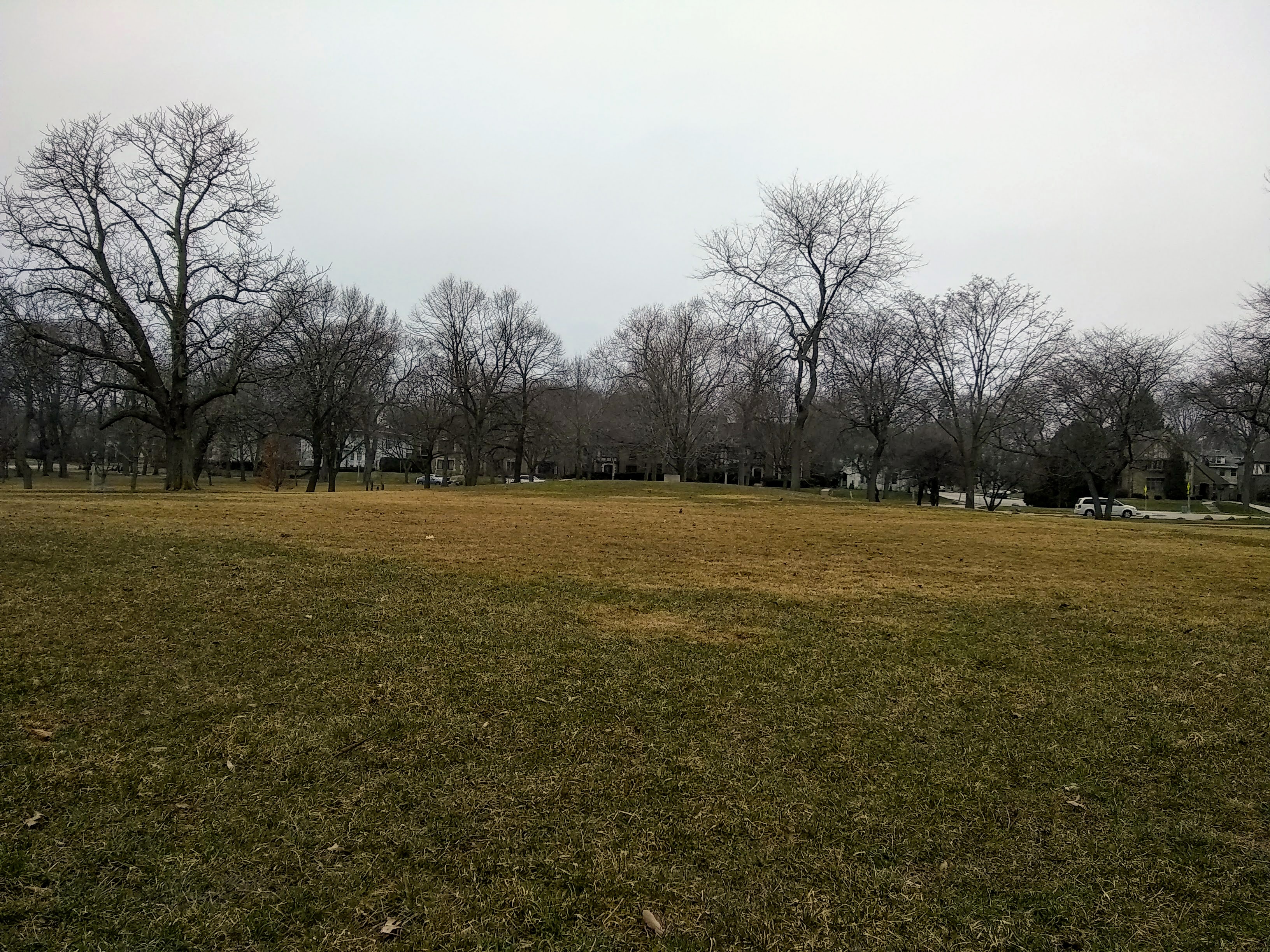
“The Ruin” is a poem found in the tenth-century Exeter Book, which is the first anthology of English poems and a great treasure of English speakers’ literary inheritance. The poem is spoken by an Anglo-Saxon as he stands before what seems to be a Roman ruin in Britain, and he meditates on the transience of culture and human life as he marvels at what the ruin suggests about the creative energies that once existed where he stands. In my translation, I take this scene and “update” it to a Euro-American standing in front of a Middle Woodland burial mound in Milwaukee, WI’s Lake Park, with the same kind of brooding on transience etc.

The picture below shows the Lake Park mound (the green slope between trees with the stone marker on top) and the audio provides a reading of part of the original Old English and of the whole Modern English translation.

I hope you enjoy what was an immensely rewarding project for me.

lake park mound