after my second collection went to the publisher i’ve turned my eye toward finishing a couple other book projects, so not as much poetry writing of late, but the dry spell is broken momentarily as the new verse review just put out my translation of a fragmentary versification of the ‘christ and the samaritan woman’ scene from the gospels worked up in old high german verse likely in the 9th century. the general dialect (alemanic) is the same as where one of my maternal ancestral lines is from.
the meter has internal rhyme, which felt very clunky to me at first, but it’s grown on me somewhat. it was weirder when i found out about b/c my years of learning about dead germanic languages tended to assert that any rhyme in this literature was an import or quirky experiment. but plenty of old high german is written in this way, and before latin started rhyming regularly. huh.
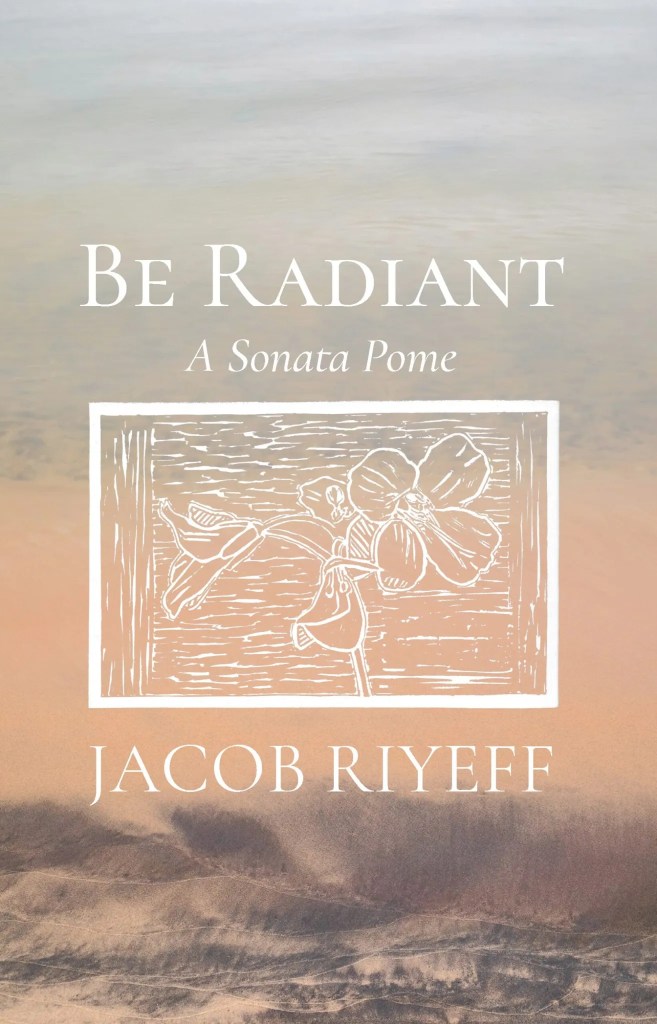
hey folks: it’s been a busy day, but i wanted to get this out before i retire for the evening. because today my second poetry collection, be radiant: a sonata pome,has been published by fernwood press!
this collection is everything from right before the pandemic to about a year ago, including some prints i’ve made for illustrations (was very pleased fernwood allowed me to get some visual work in the collection too). my copies are still en route, so i haven’t yet seen and held it, but today is the official release.
readers of this blog will see familiar material in a whole section of the collection devoted to the state natural area poems. 🙂
the blurbs (from very gracious fellow poets) are below, and you can order a copy here if you like and want to support my work. wishing everyone a peaceful night!
Faced by the specter of eco-catastrophe, what can we do to ward off anxiety and paralysis? We can contemplate and celebrate, as Jacob Riyeff does in this volume, that patch of the Earth which is our patrimony. Microscopically observed and lovingly curated, these lyrics articulate, layer by layer, a Midwestern landscape and time-scape radiant with the often-hidden beauty of life. Archaeology, geology, and botany fuse in a poetry that invites readers to unearth and reverence their own inheritance in our anything but common, Common Home.
–Laurentia Johns OSB, Stanbrook Abbey, England
Jacob Riyeff’s Be Radiant does precisely what it proclaims. Riyeff’s poetry comes in a variety of styles and forms, but each poem radiates with a sense of time and place. Riyeff, like the fungi he loves so much, is a poet rooted in place. His poems reflect this rootedness. Riyeff, as a scholar, is also rooted in the English language. He weds these two in poems like “The Ruin,” which is a translation of an Old English poem, and yet Riyeff places it before a burial mound in his home of Milwaukee. Consume these poems, and you will find yourself radiant as well.
–David Russell Mosely, poet and theologian
“Adaming creation beyond the Fall,” Jacob Riyeff-a Blakean hybrid of poet, mystic, and illuminator-brings us a new collection that visits “Paul the hermit in the desert”-but still has time to paddle his daughter out past the breakers under an afternoon sun. We see touches of earthy Kerouac, of nature-loving Wordsworth, all against a soaring, ancient spirituality. In “Spring Ephemerals,” he records, with telegraphic, haiku-like focus, intricate images of the damaged Wisconsin wilderness-dovetailing, later, with his translation of the Old English poem “The Ruin.” The sequence “Leads and Diggings” excavates his own family history through voice and narrative-and extends its core sample through the strata of geologic time. This poet is a hybrid of many pasts and worlds-in other words, an American original.
–Amit Majmudar, author of Twin A and What He Did in Solitary
hook lake bog is a soft bog in a glacial pocket in dane cty. as the wdnr website explains, the lake is almost completely filled in at this point, with bog, meadow, and tamarack wood along with floating sedge mats slowly making the spot land again. other habitats surrounding.
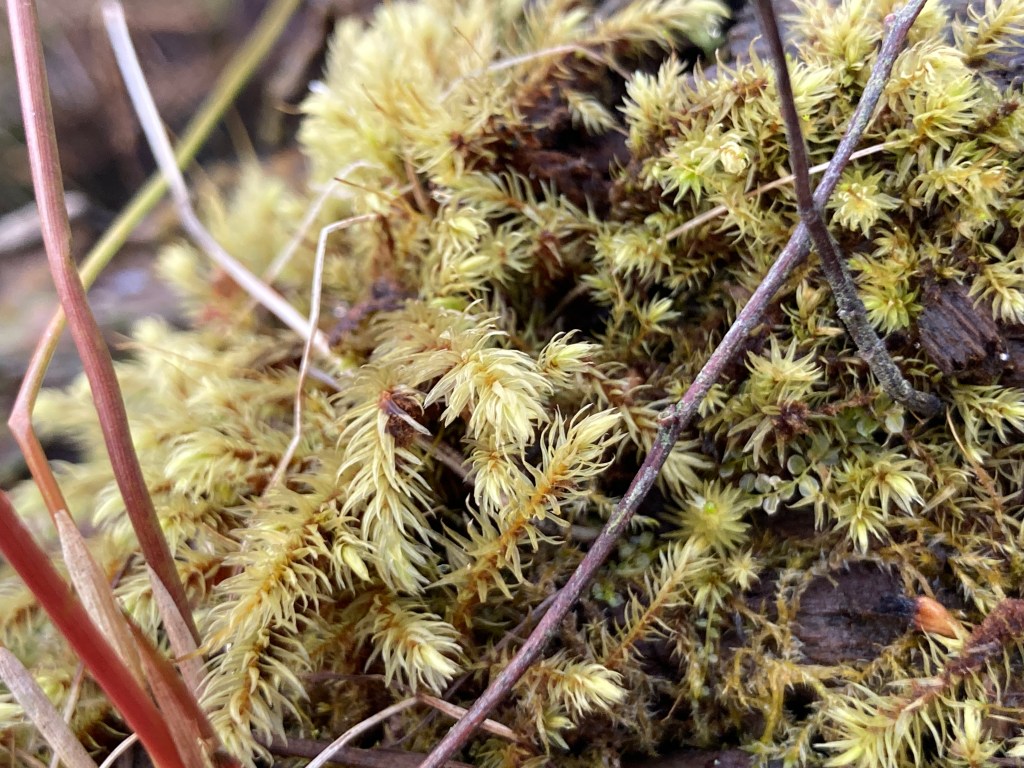
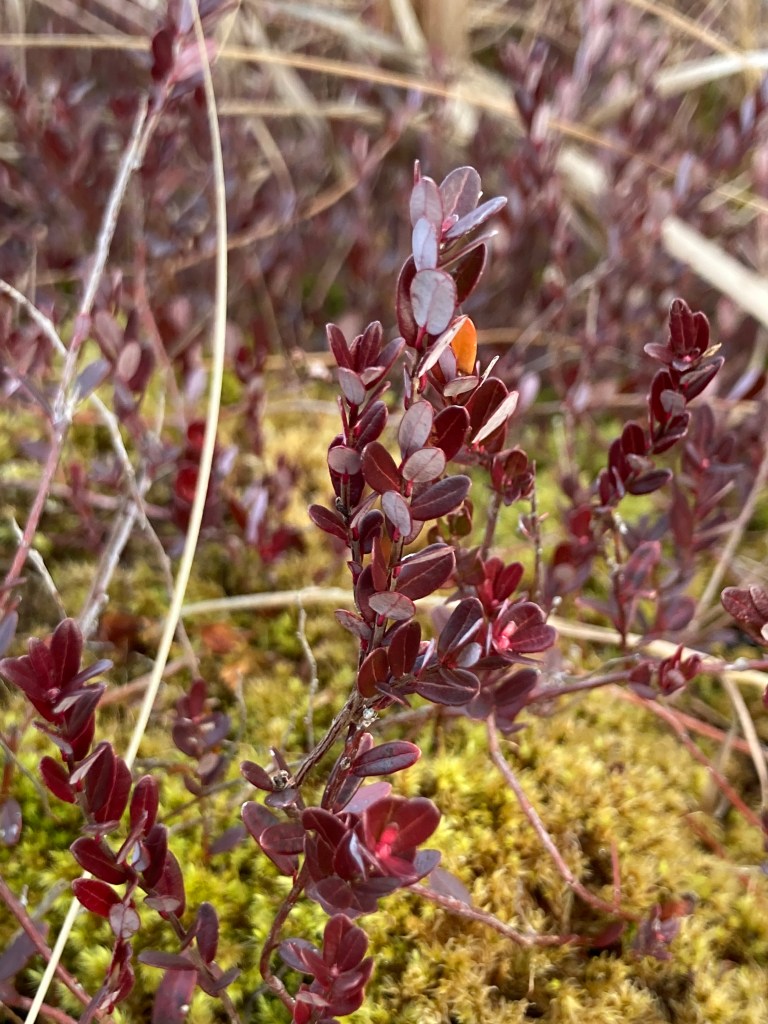
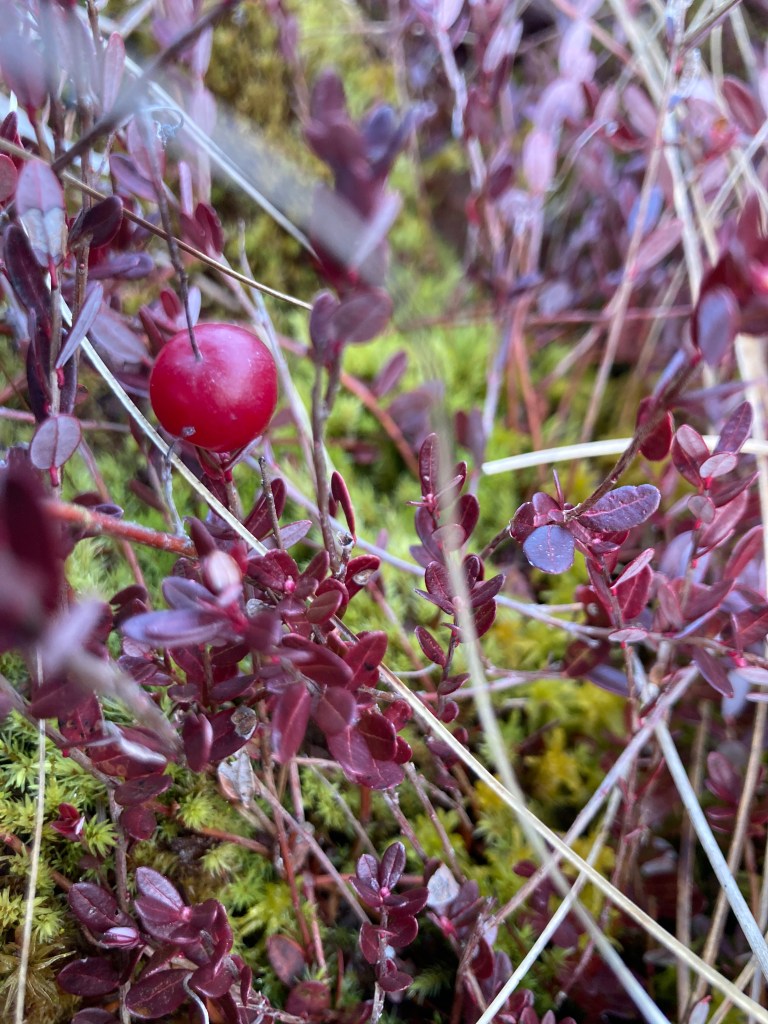
my brother and i parked alongside the road and walked into the site b/t two houses. a little encouragement from a 6yo playing in his backyard and a turn into a small wood and we came upon hook lake. the description was right; there was open water around but lots of sedge mats, some big enough to look like the mainland, some small floating islands. we choose a couple islands close to shore and hopped along some tussocks. when we got on—after a misstep that landed my brother’s leg into the bogmud above the knee (no waders here…)—we found to our delight that it was a serious quaking bog. the ground rippled beneath our feet, and when the other person jumped the whole mat undulated with land-waves. i’d been on quaking mats before, but not such dramatically obvious ones. a real treat. a whole little world of moss, sedge, and cranberry, getting on toward dusk.
a couple updates for those reading. first, i don’t usually put much personal stuff on here, but my wife and i just bought a house in milwaukee, wisconsin about a month ago. been here eight years, and it feels good to be settling in for real. just to say, things happen but also that’s part of why i haven’t had much time to get out into the unbuilt spaces lately. second, for those enjoying the verse, my second collection of poems, be radiant, is coming out from fernwood press in january, so stay tuned for more info on that front. anyhow:
waubesa wetlands lie in a larger nature conservancy site, a sprawling fen-dominant wetland complex with springs and streams feeding. we walked in and were able to navigate the drier areas, but two steps out into the mud flat along one of the streams put me knee-deep in mud. (had waders on.) so we tramped back around along one of the spring runs instead and sat in the wooded edge before heading on. quiet due to winter and all, dock abundant among the grasses.
I’ve come back from vacation to find my translation of a Latin poem on St. Benedict in the latest print issue of Spirit & Life, the magazine that the Benedictine Sisters of Perpetual Adoration publish every couple months.
It’s a middle-length poem by a monk named Mark of Monte Cassino, and it’s the earliest attestation we have of St. Benedict’s existence—in plenty of time for his feast day on July 11th. The Latin is set in elegiac couplets, and I’ve translated them into alternating 12-syllable and 10-syllable lines modeled on French syllabic lines.
So, if you’re interested in arcane Benedictine texts (as you know I am), have a read here and a listen below if you like! Also: you can sign up for a free subscription to the magazine here.
Yesterday, the second issue of the new journal Bez & Co appeared, and it included my “Sketch for Desert Fathers.” It’s a short lyric set at New Camaldoli Hermitage in Big Sur, California and features Paul the Hermit, St. Guthlac of Crowland, and an unabashed Stellar’s Jay. I don’t generally make “joke” poems, but I suppose this is as close as I come!
I’m delighted to (belatedly) announce that my translation of the Old English poem “The Ruin” appears in the newest issue of Presence, a great journal run by great people.
I read the poem in the audio file below, but here’s some basic context too:
“The Ruin” is a poem found in the tenth-century Exeter Book, which is the first anthology of English poems and a great treasure of English speakers’ literary inheritance. The poem is spoken by an Anglo-Saxon as he stands before what seems to be a Roman ruin in Britain, and he meditates on the transience of culture and human life as he marvels at what the ruin suggests about the creative energies that once existed where he stands. In my translation, I take this scene and “update” it to a Euro-American standing in front of a Middle Woodland burial mound in Milwaukee, WI’s Lake Park, with the same kind of brooding on transience etc.
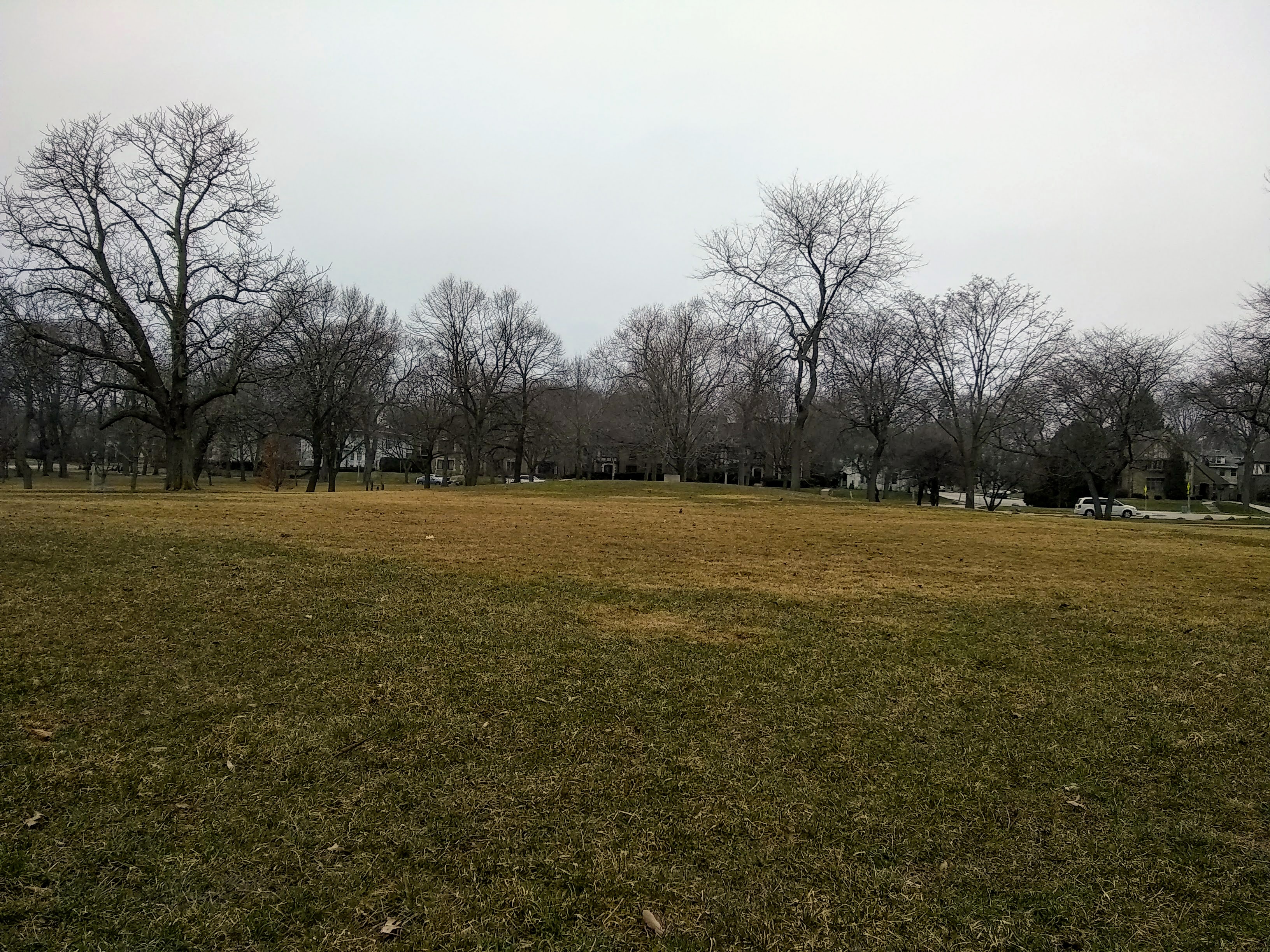
The picture below shows the Lake Park mound (the green slope between trees with the stone marker on top) and the audio provides a reading of part of the original Old English and of the whole Modern English translation.
I hope you enjoy what was an immensely rewarding project for me.
To maintain sanity, encounter the natural world in my area, and keep the literary instincts moving if not honed, I’m going to start a new project here and on Twitter. (Yes, I’m on Twitter now at @riyeff–those who know me personally will be shocked, I’m sure!)
I’m going to visit the State Natural Areas of Milwaukee County and the four adjacent counties to practice social distancing but also maintain an intimate connection to the natural spaces around my neck of the woods. Then to try to forge some kind of virtual connection with anyone who’s interested, I’ll take a photo and make an impromptu three-line poem (not a haiku unless by accident), posting them here and on Twitter. Maybe other folks will share theirs from other natural areas?
A short poem for the weekend from my collection, Sunk in Your Shipwreck. Good tea has been one of the most constant companions thru-out my life, from early days going to the Teachery up in Madison, WI on Willie Street, to the long days and evenings I spent sipping at Dushanbe Teahouse in Boulder, CO over two years, to the visits to Red Blossom Tea in San Francisco, to everywhere else I’ve been. Good loose-leaf tea is it: the texture of its leaves, the color of its liquor against white clay, the smells that just don’t stop, the copious array of flavors is like nothing else. Black’s all right, but Dragon Well, Big Red Robe, Cloud Mist—that’s where it’s at.
Here’s a tiny suite of poems on tea culled from two lonely but beautiful nights from years past. (The text follows the audio file.) Happy long weekend—drink some tea!
Tea Poems
I. Dushanbe Tea House—Boulder, CO 2001
The seats are strangely cool
tonight, the tea is not:
its yellow-green mass
coddled in white clay.
New sounds splash on the air,
and still there’s quiet inside.
II. 3rd Street and Highway 101—San Rafael, CA 2005




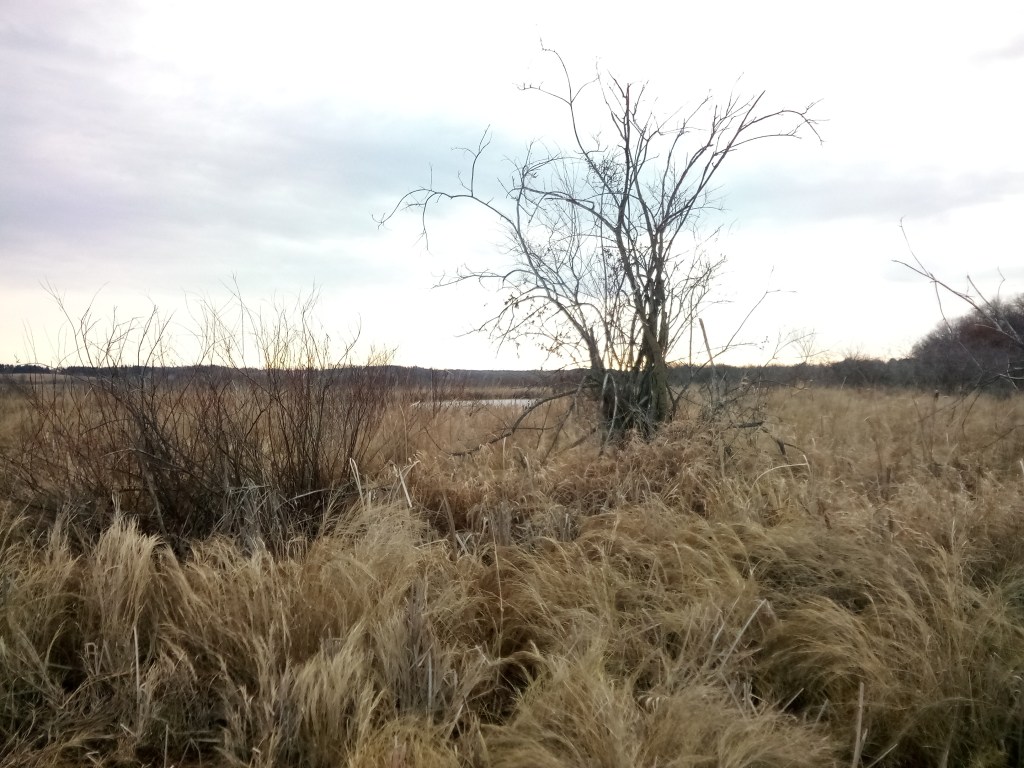
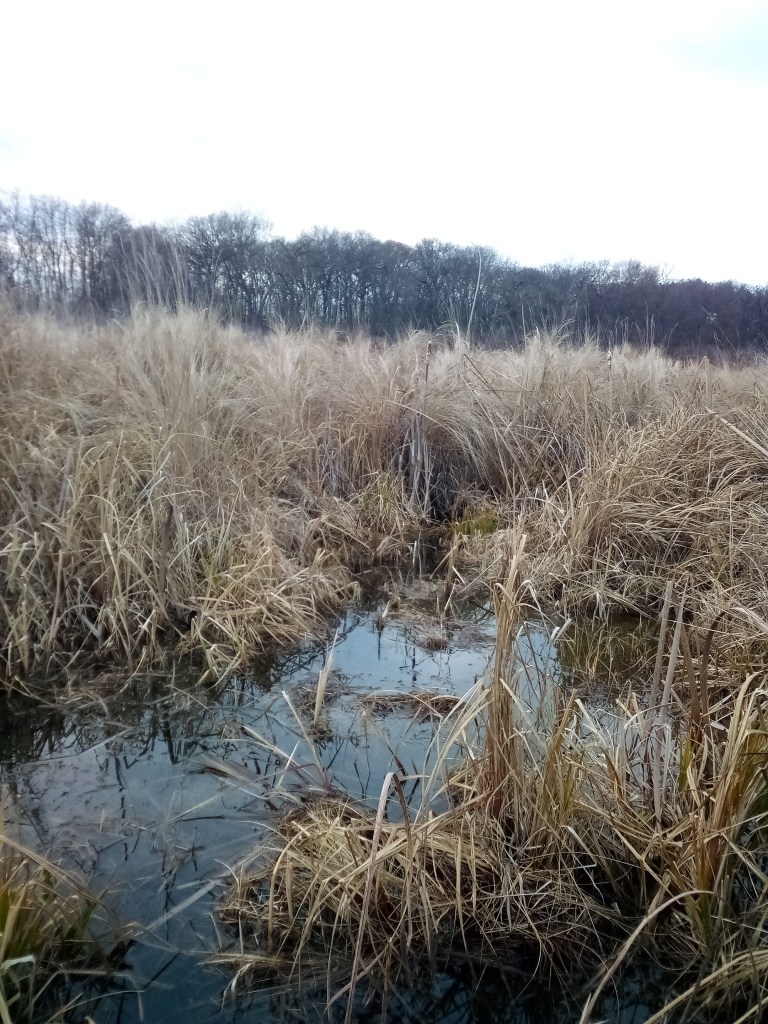
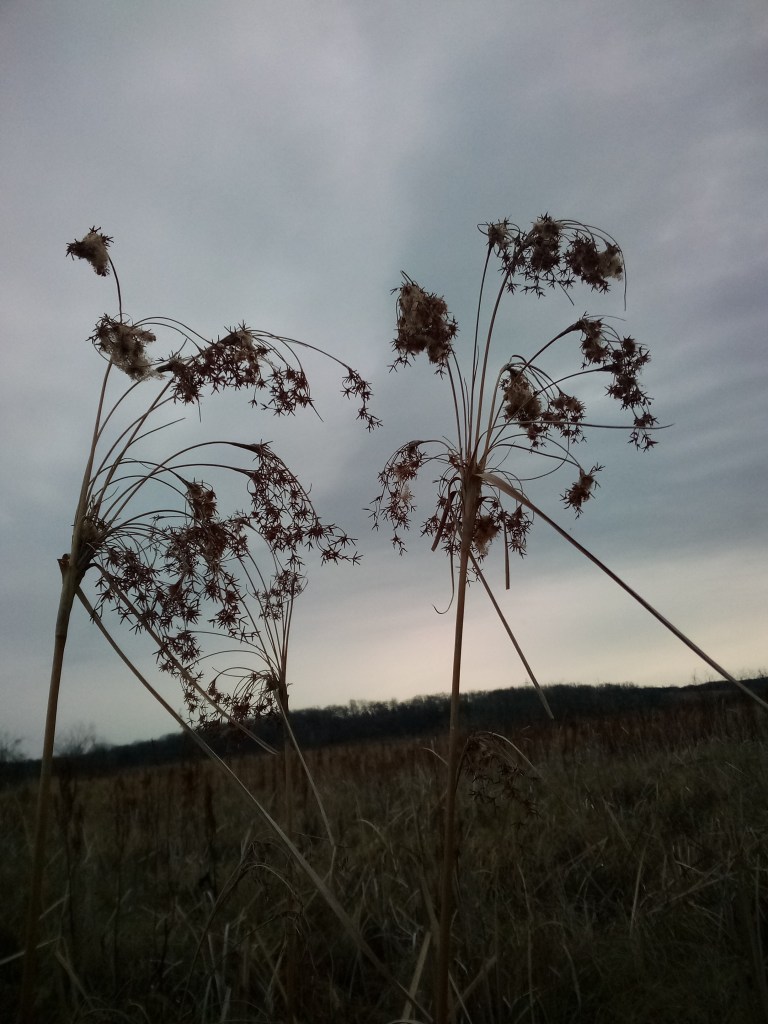


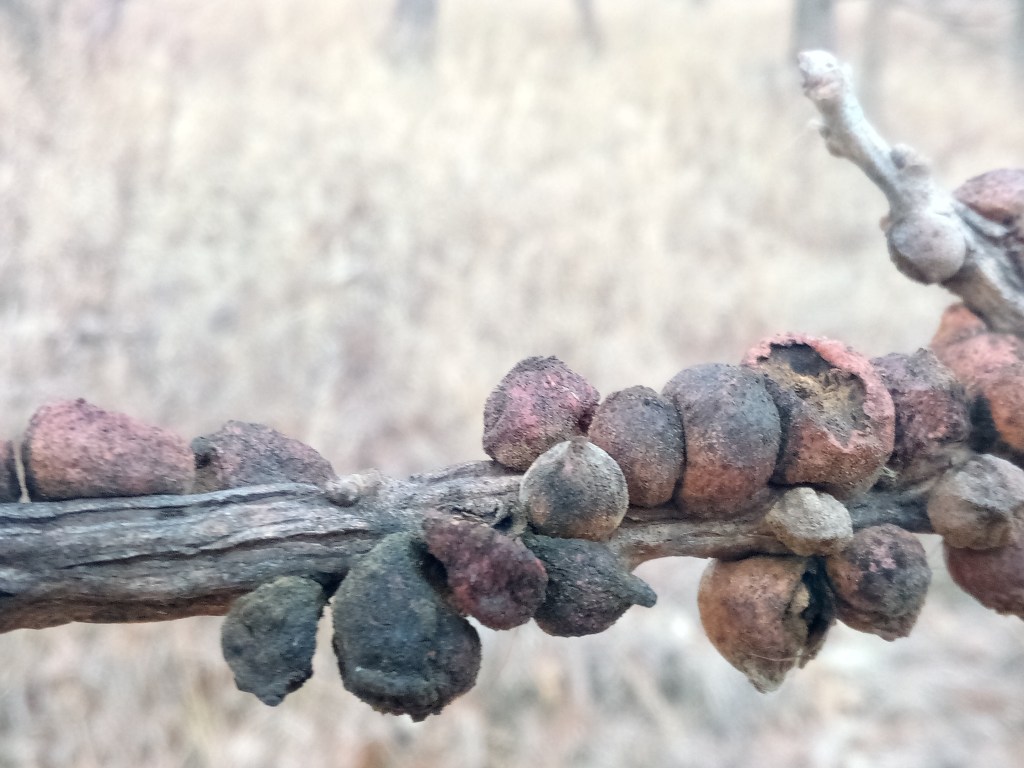
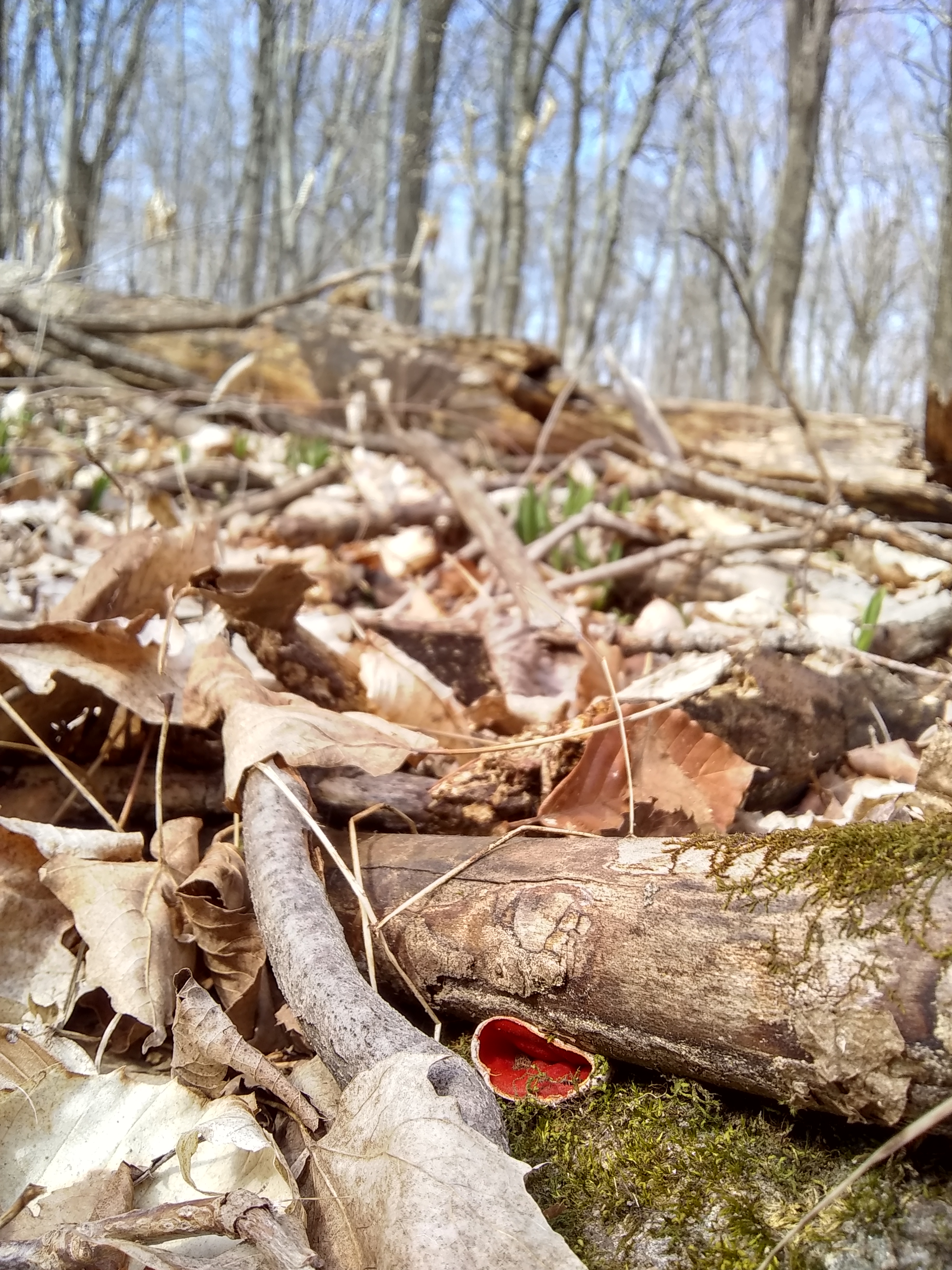
 Thank you, Ozaukee Washington Land Trust, for tending this patch of earth for us!
 Jacob Riyeff