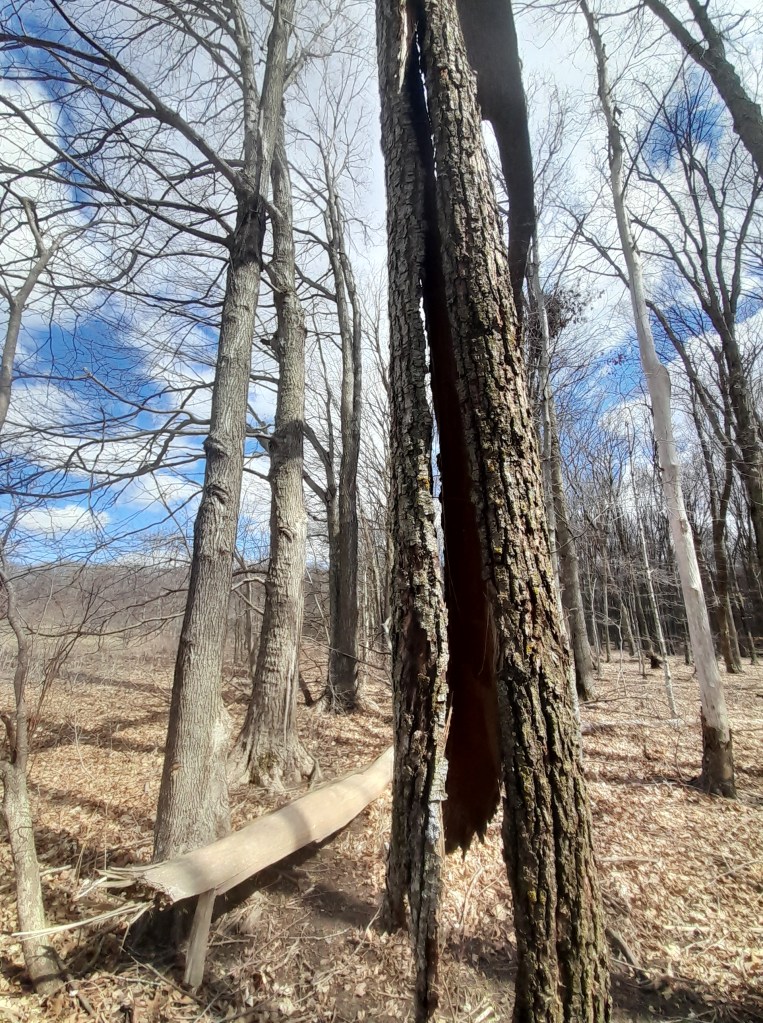
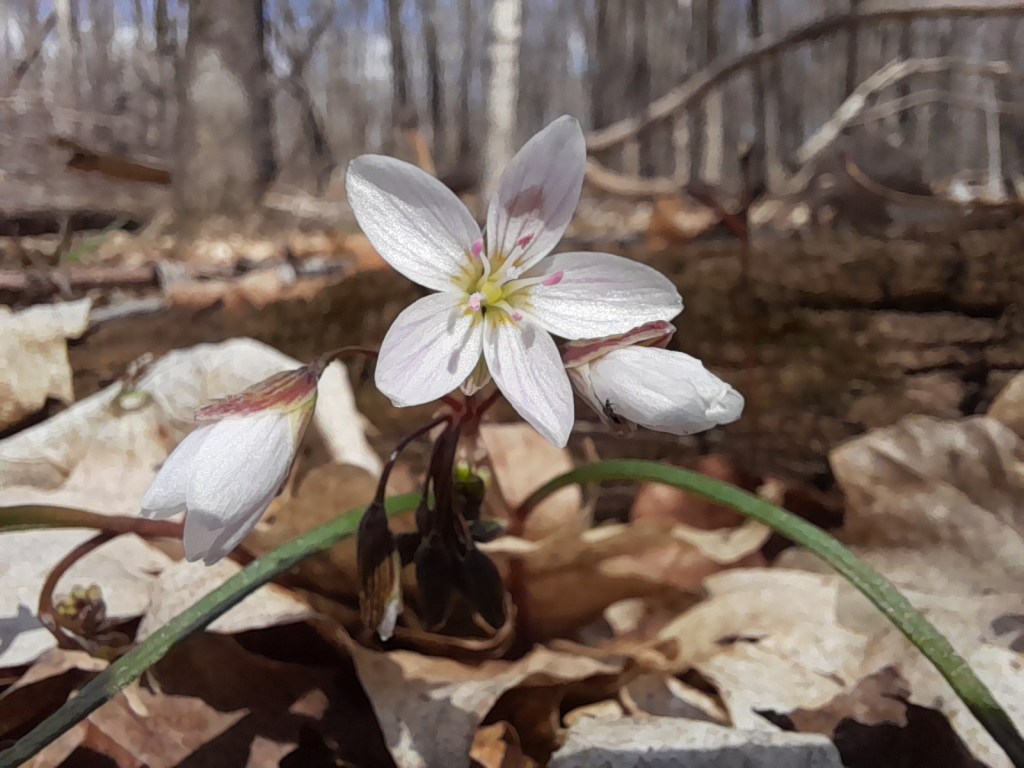
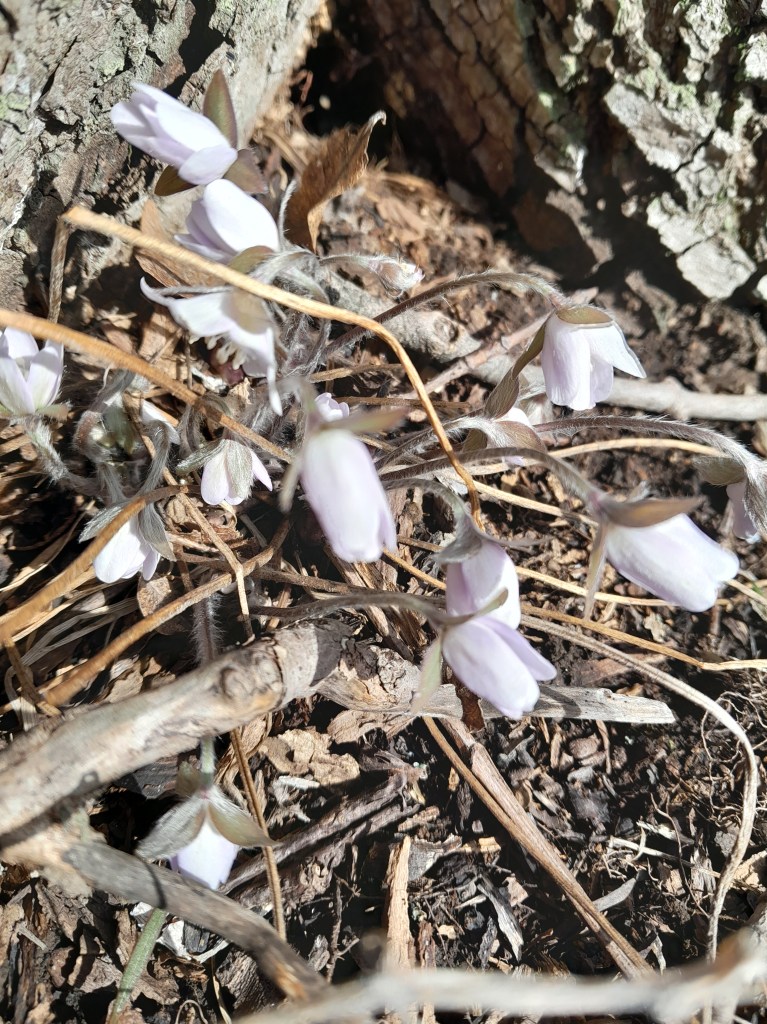
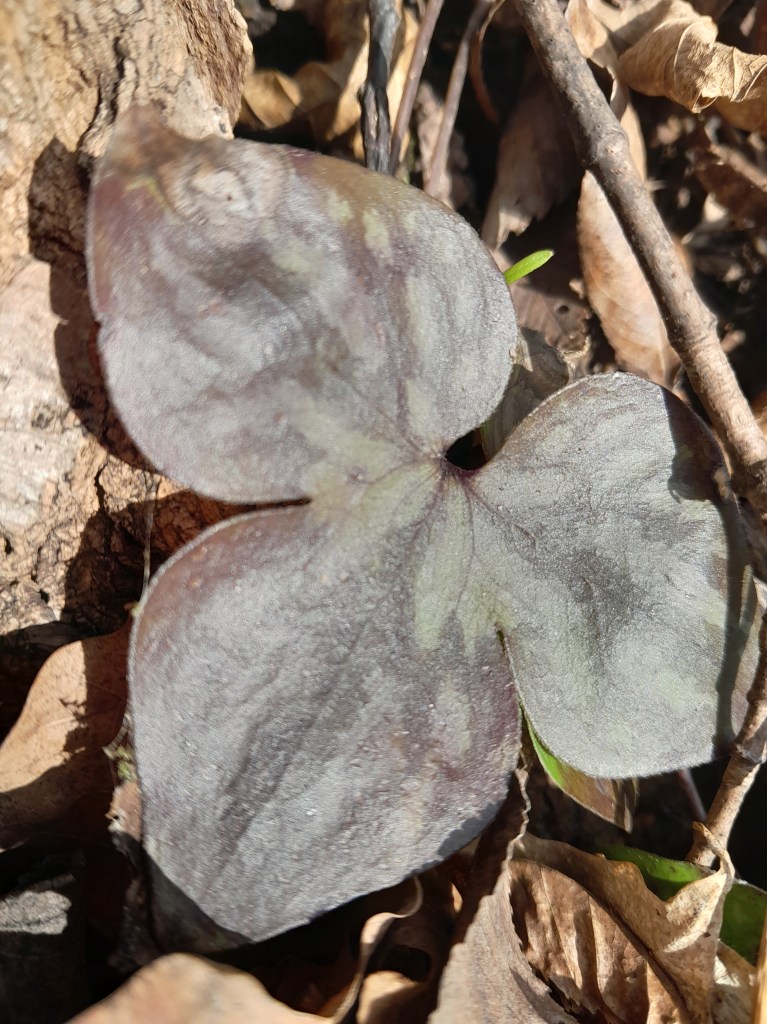
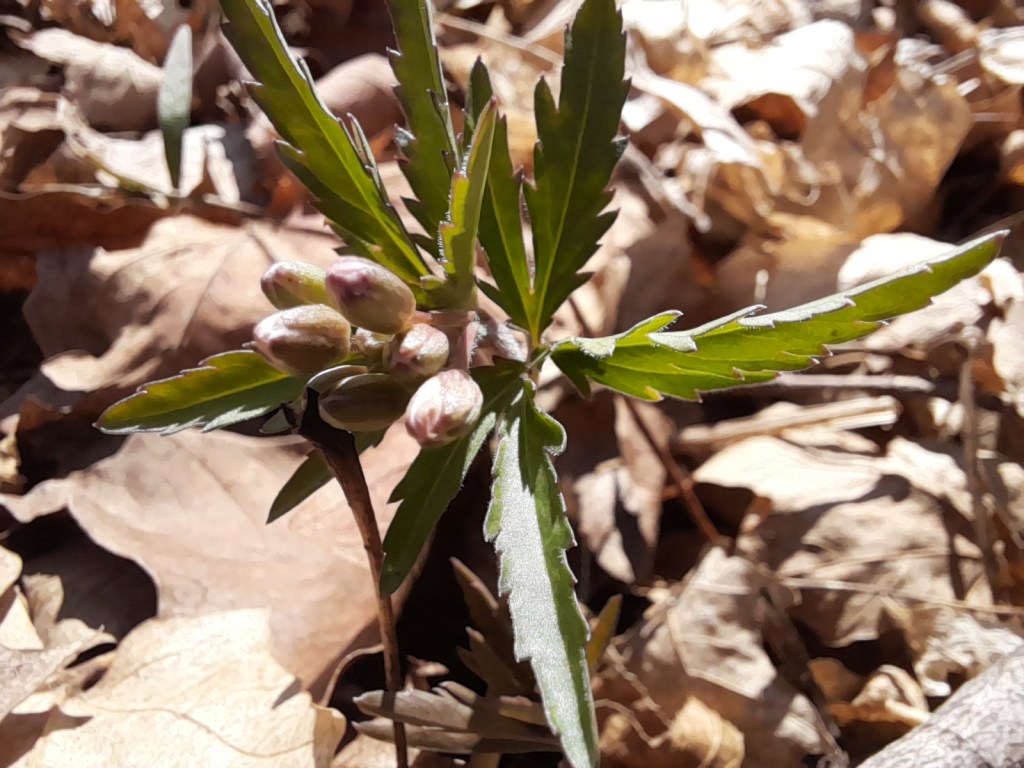
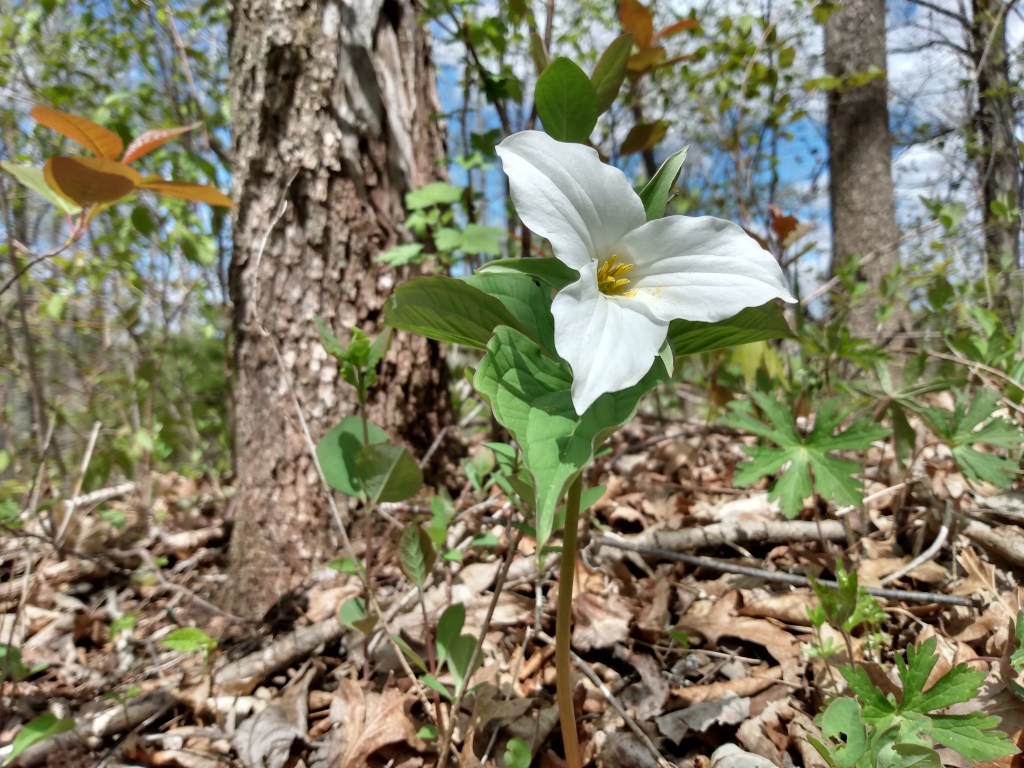
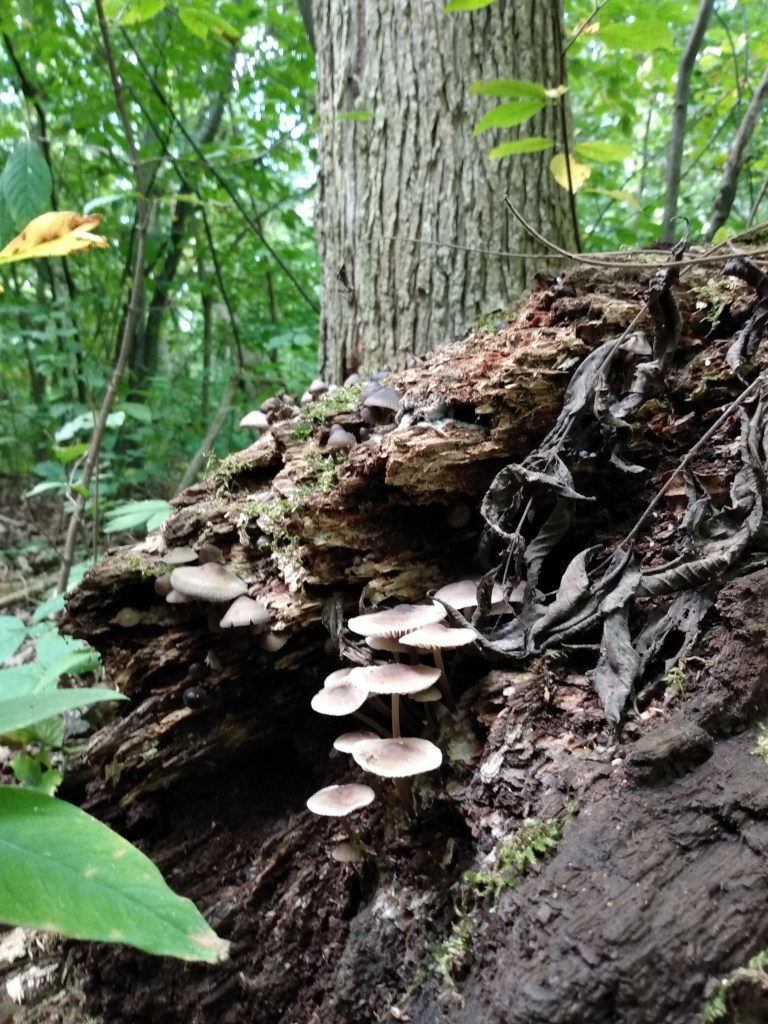
easter monday we stopped by mcgilvra woods for a brief afternoon walk. the forests are just waking up ’round these parts, so not too many species out and about yet. but saw some vibrant hepatica and virginia spring beauties. there was cut-leaved toothwort all over the place but about to blow in a few days.
mcgilvra is a mesic forest of mostly maple and basswood, known for its spring ephemeral display, of which we saw just the burgeoning swell (cf. supra). exposed sandstone in the southern portion of the site, but i didn’t get to it. next time.
here’re some lunes, and, breaking usual form, a short accentual four-liner. <gasp>
at this site off of new boston road in dennis, ma, as you can see above, the first english colonial fort in the area was built. it’s now restored to a cedar forest and salt marsh off of chase garden creek. a beautiful walk, quiet and smelling sweet of cedar. one of the great barefoot walks, with all that sand and pine needle duff.
one of my favorite aspects of cape cod is the intricate and heavy lichen forests that cling to the tree branches; impressive here as elsewhere. also, you can see the ditches dug in the salt marsh that earlier generations used to try to kill off mosquitoes by making them bait for minnows…i don’t know how well it worked. special thanks to my wife for taking time out of our vacation to go on this walk with me. 🙂
also, on a formal note, while not committing to it wholesale, i’m starting to use the “lune” form more in these posts, the so-called “american haiku” of 3 lines at 5 syllables-3 syllables-5 syllables.
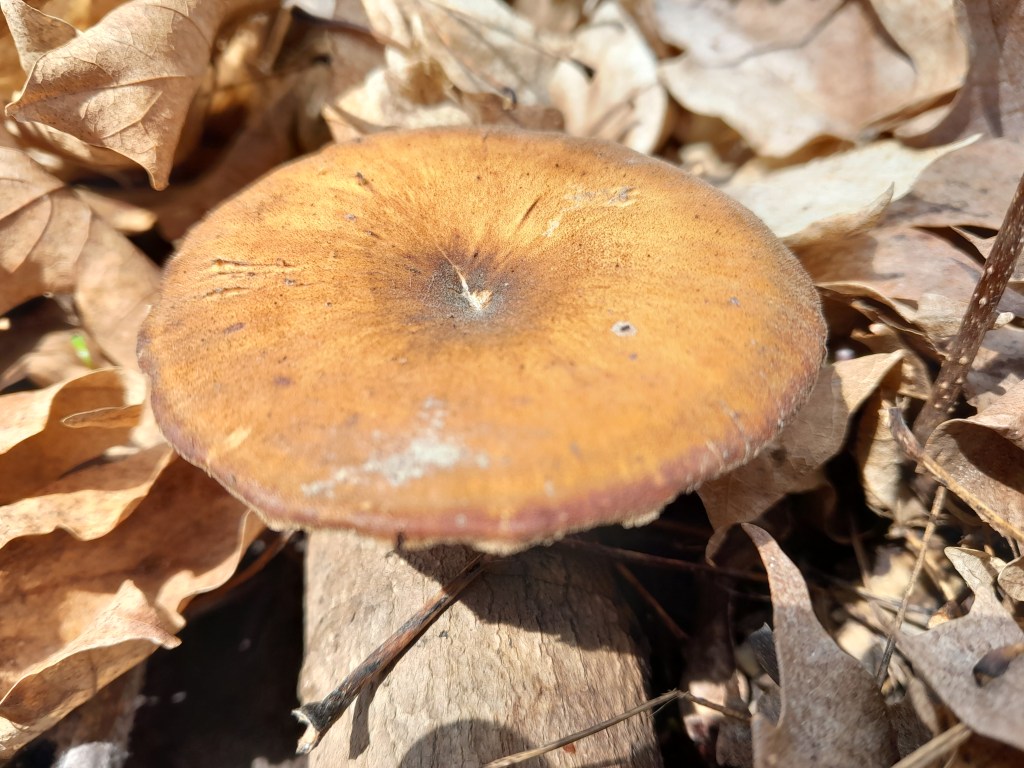
browntown oak forest is a southern dry and dry-mesic forest situated on a st. peter sandstone ridge in the driftless area. the variable topography and soil types nurture a diversity of plant communities. one part of the slope has sandstone outcrops.
the trails (such as we could find) were going feral, which restricted our movement into the forest somewhat, but a jaunt down the ridge to the sandstone was freeing.
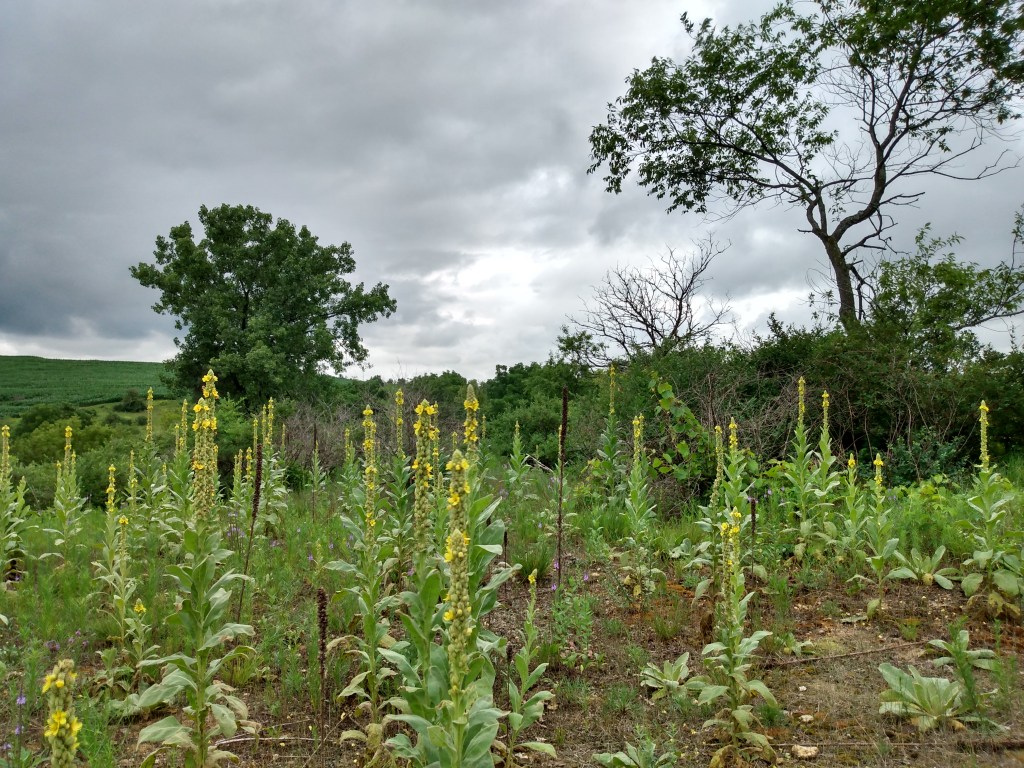
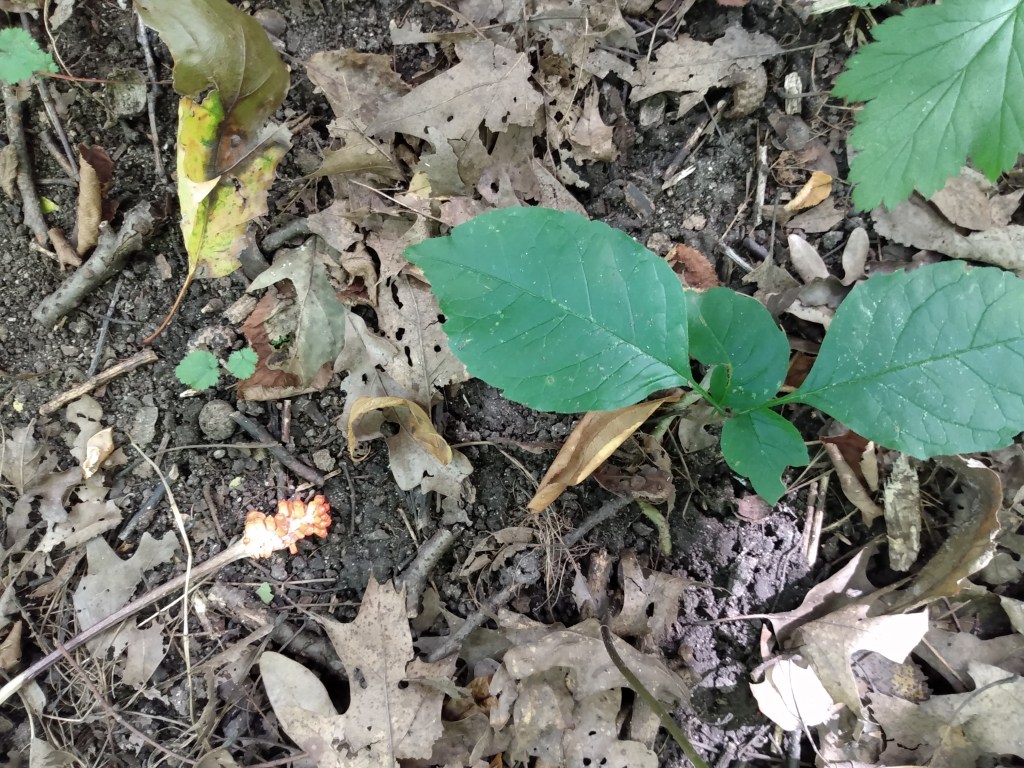
first id’s of tall bellflower, st. john’s wort, and knapweed; also first coral fungus spotted since i started these.
a.
me and this hickory
outcropping here
on sandstone slabs
b.
coral fungus
glows on log:
a shimmering bouquet
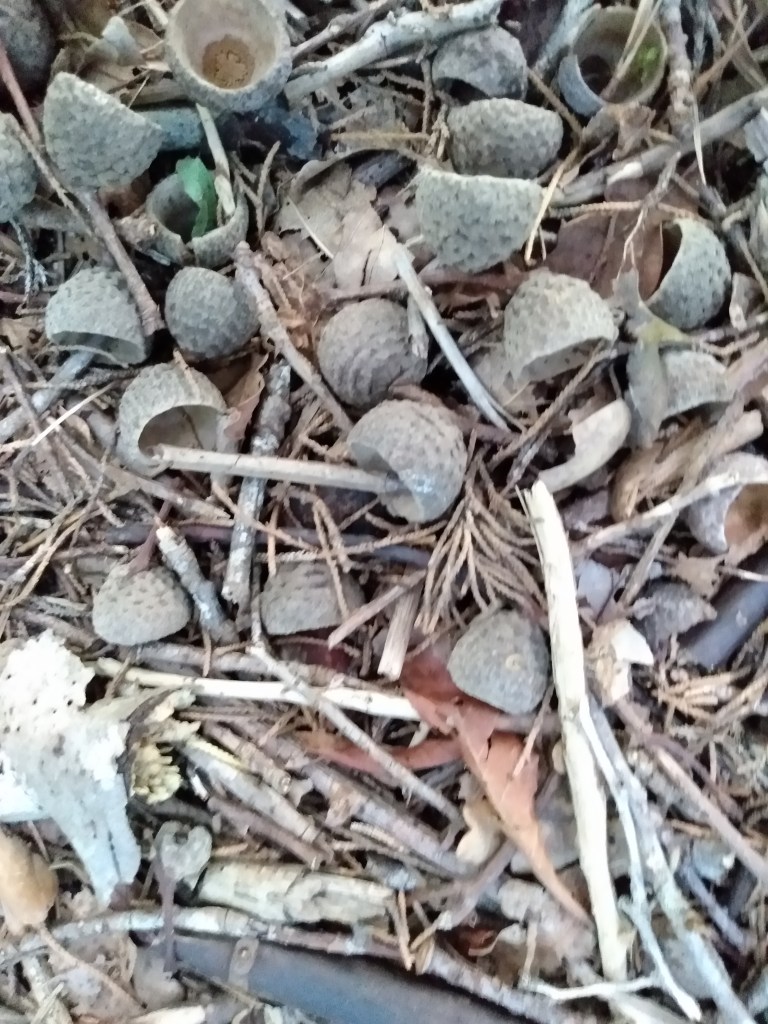
c.
rough and rounded spawn
of oak, walnut, hickory
jewel the forest floor
then over to baumgartner’s in monroe for serious cheese sandwiches…
on to green county! my dad and brother were along for the trip this time, and we did a day-long tour of the county with five sna’s.
green county is in the driftless area, the part of wisconsin (and neighboring minnesota and iowa) that was not smoothed and altered by the wisconsin glaciation, as the rest of the state was. different terrain but still southern wisconsin.
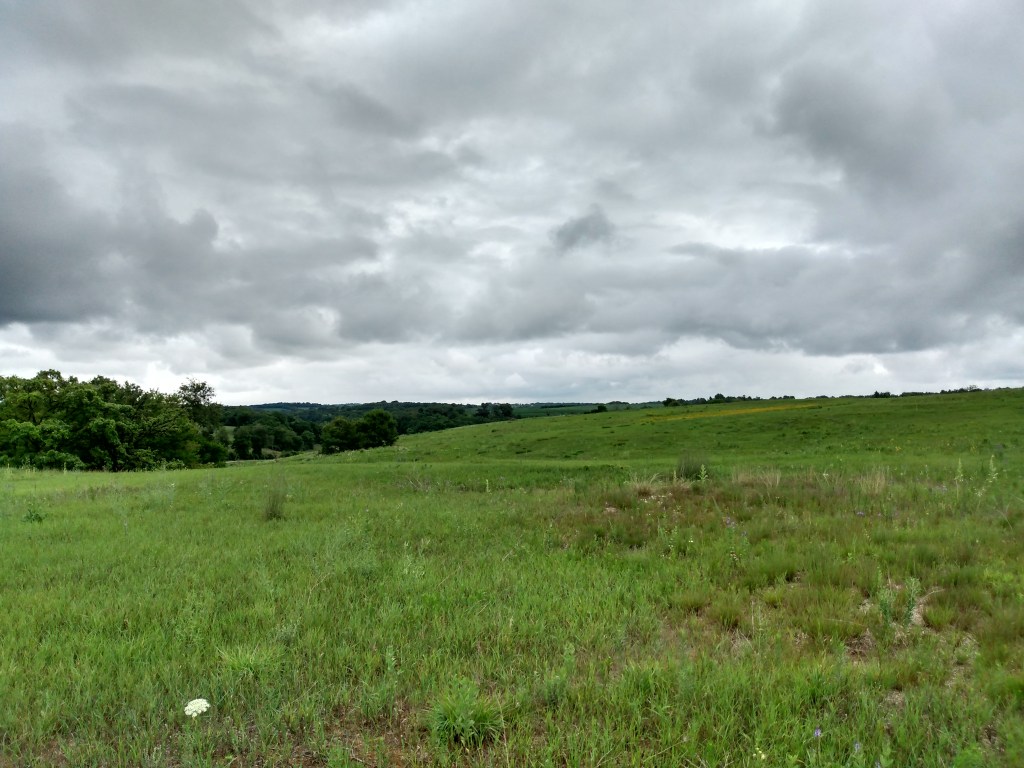
our first stop was york prairie, which contains remnant tallgrass prairie, a multitude of native plants, and rare and threatened plants. the sandy soil and rocky terrain were a new experience in prairie for me, and a light shower gave the walk a different energy part-way thru. first id of hoary vervain and golden alexanders!
jefferson tamarack swamp holds the largest forested wetland in jefferson county. tamarack stands, sedge meadow, areas covered with sphagnum (not the spots i visited on my briefer walk), some uplands that are drier (where i walked). the dnr page for this sna notes that there is a large effigy mound on an oak island, but i was not able to search it out this time—one of the best reasons to come back!
got to share my visit with deer and cranes, as well as “weed” species underfoot that i had a particular affection for all of a sudden. they’re just creatures trying to survive too. 🙂
crooked lake is a seepage lake surrounded by a diverse wetland complex all about (including open bogs, my favorite aside from fens…), forest, cedar lake, and other unnamed lakes—all settled amidst the interlobate morainal hills of the northern kettle moraine. crooked lake’s outlet forms a tributary of the east branch of the milwaukee river, which flows right down the hill from my place in milwaukee on its way out to lake michigan.
fantastic walk with perfect spring weather under glorious skies, and many spring ephemerals—some emerging, some at full tilt, and others already on their way out for the year. saw our first stand of bellwort, which i’ve been looking for since last march, so it was a sheer delight to lay in the soil and spend some time with them.
this was the last state natural area to explore in sheboygan county. good to have another county covered, but, as we say in wisconsin: forward!
a.
liverwort dying back
on each and every hillside
the lake only from afar
b.
streakt & frilling threeness
skirts trunk & frogcall
mayapple waiting to bloom
c.
legging it past kettle bog
and eureka! you’ve found me—bellwort
riding above the muck
since i haven’t stated this here in a while: this “state natural area poems” project began last year when lockdown happened in wisconsin, in order to have something to do with my kids as well as to keep us grounded in our local and regional habitats.
it started with the idea of visiting a state natural area (the preserves with the highest protections in wisconsin), going for a walk, taking a picture, and writing a three-liner about whatever we encountered there. and the original area was milwaukee county and adjacent counties. it’s now mushroomed into the main series and two sub-series, way more counties, and usually many more than one photo and one poem per site. the natural world just gives too much for such meager making!
i’ll keep going until we run out of sites to visit (not likely) or breath leaves the body.
sanders park state natural area is set within a park and ringed ’round by exculpating road(!). two different kinds of forest grow on swells and swale, an ancient terrace of lake michigan. an intermittent stream flows thru the whole; lots of wildflower and fern species.
thanks to racine county parks for keeping this patch of earth.
Muskego Park Hardwoods is an old-growth southern dry-mesic forest in Waukesha County, Wisconsin. Some past grazing has brought in new species of wildflowers, and a healthy blend of different hardwoods stand strong. Thanks to Waukesha County for preserving this old-growth community!