sna poems #93: empire prairie, westport drumlin unit (+sna soundscape #3)

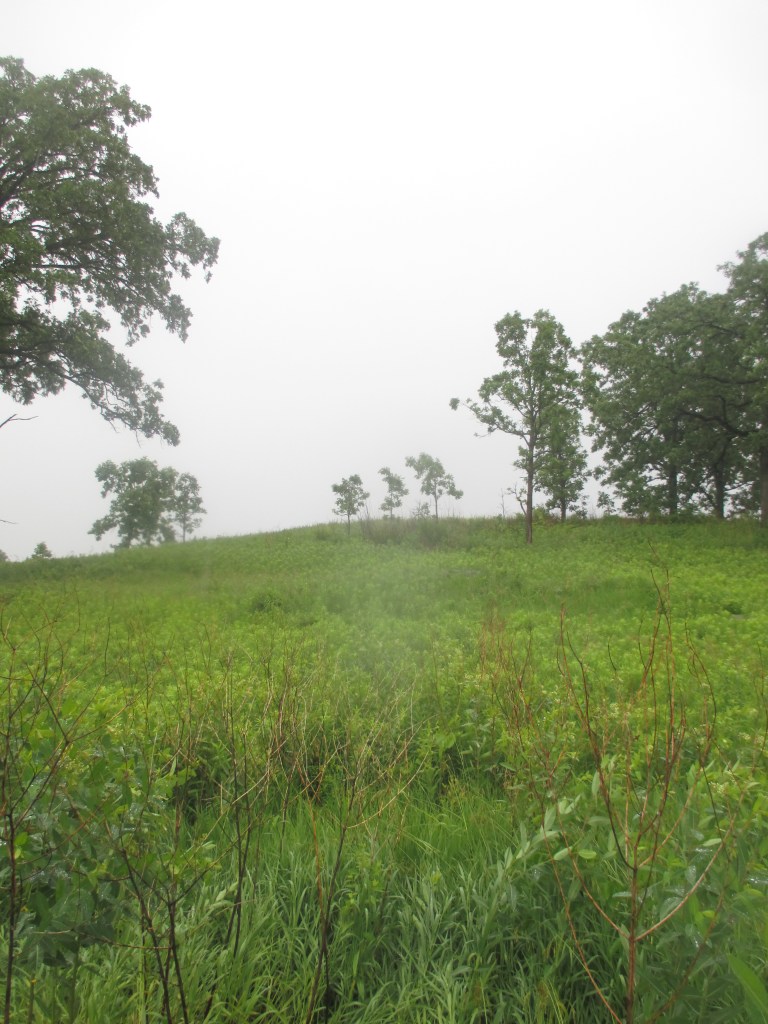
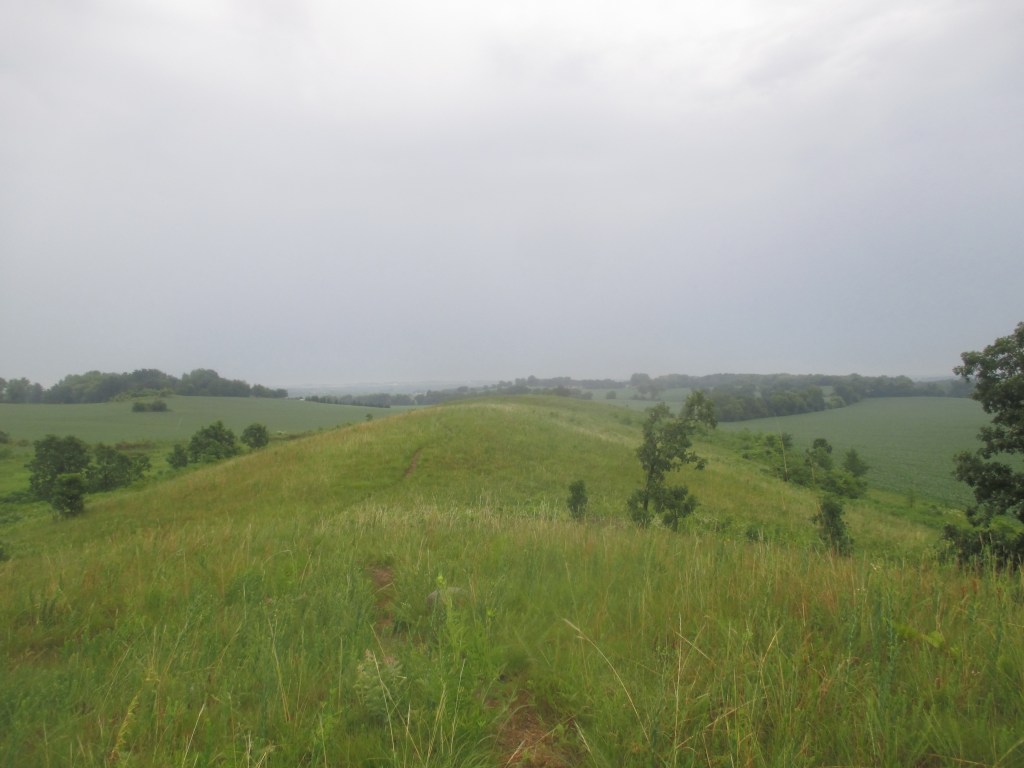
there are five remnant prairies left of the formerly massive empire prairie, which covered around 50,000 acres in wisconsin’s columbia and dane counties. the westport drumlin site is remarkable for the dramatic relief of the drumlin (a whale-shaped hill shaped by a glacier) caused by the surrounding corn-filled fields. also of particular note is the presence of an oak opening on one side, a fairly rare ecosystem these days. the rock outcroppings along parts of the drumlin indicate the glacier may not have sculpted this drumlin as extensively as normal.

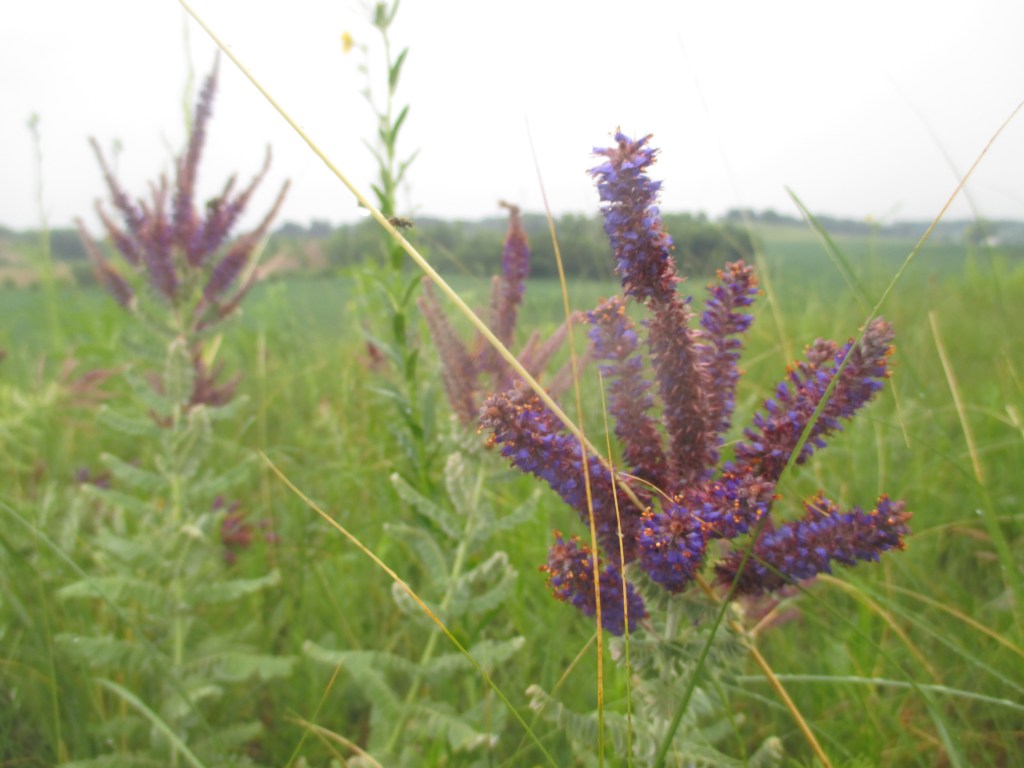
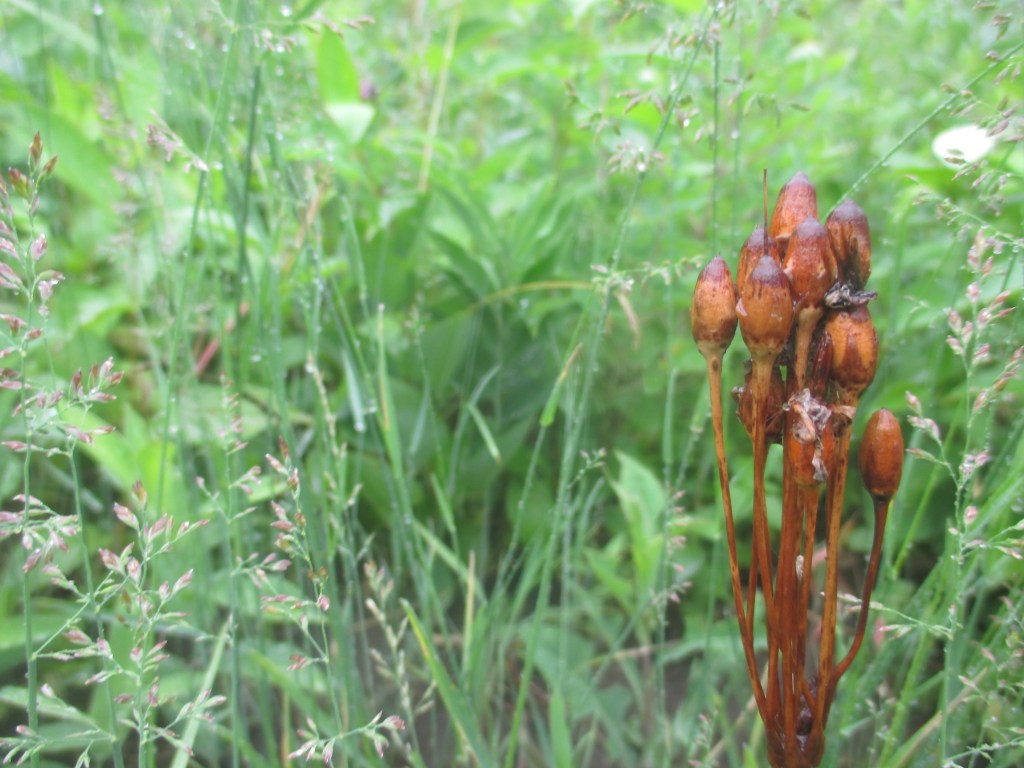
it was a very wet and very satisfying walk. we turned back once due to lightning, but then the rain let up and we changed course once again. after a walk along the bottom of the drumlin and into the oak opening (rain sounding great on the leaves), i trekked up to the ridge and had a look about the lowlands surrounding. a graceful time. also, first conscious encounters with leadplant, thimbleweed, and flowering spurge. the soundscape is flush with raindrops.

thanks to the wdnr and groundswell conservancy for protecting this site.

a.

rain is falling

oaks flanking

stone stock still

b.

red ridges

calm

by thimbleweed
c.

i walk the drumlin path

a scar along her crest,

offer prayer for the world
sna poems # 63: smith-reiner drumlin prairie

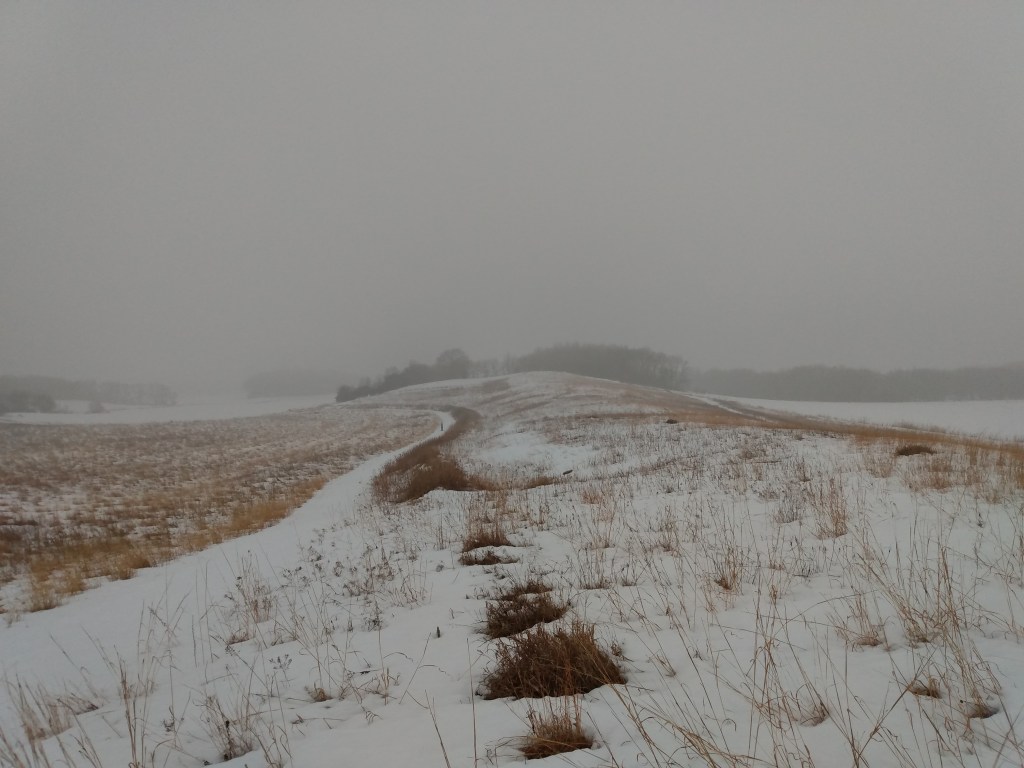
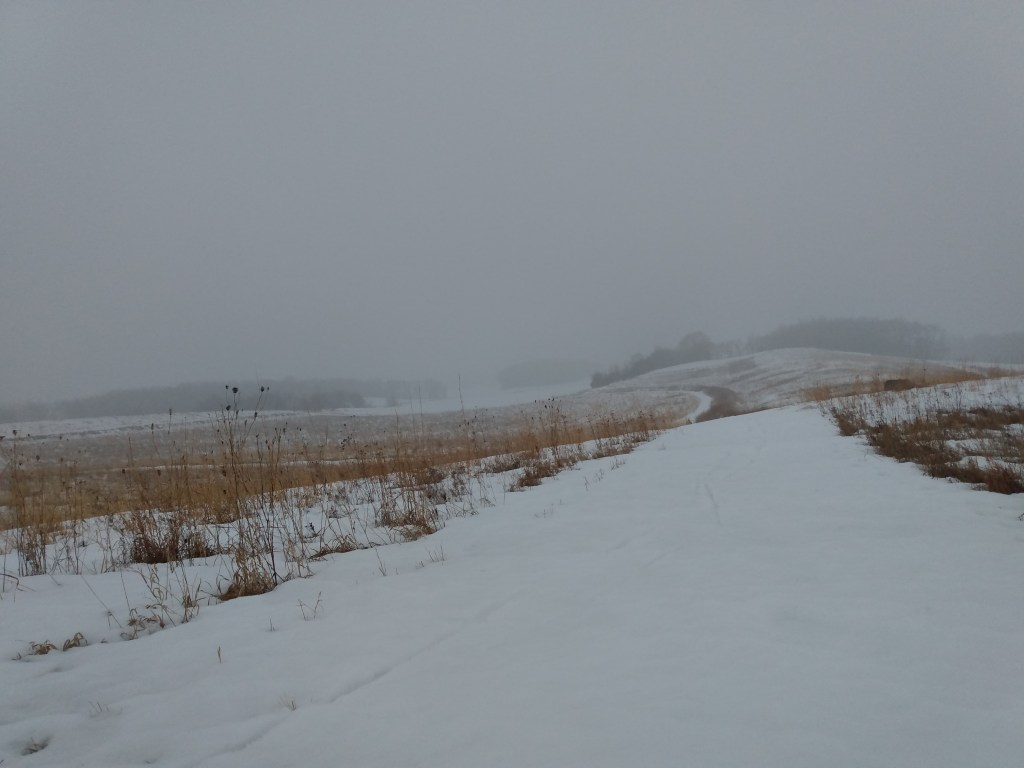
smith-reiner drumlin prairie is another forty-acre plot, part of which didn’t suffer the plow due to the gravelly and sloped nature of the two drumlins (long glacial hills) present here. the prairie is a remnant of a former 7,000-acre prairie and has a beautiful topography. it was a fun ski up and down these hills that resisted “development.” the lowlands here have been re-planted to prairie, and the flower displays will surely warrant a trip back in the spring and late summer. it was a thawing day, the kind in which the air is as wet as the ground and it becomes difficult to discern the difference between sky and earth, especially in the farm fields that dominate the area in jefferson county.

i don’t want to sound too negative in my description of this area, because i am deeply grateful that it is preserved. but a common theme in visiting a number of state natural areas is that settlers (including my ancestors) didn’t develop certain plots primarily because they were the only areas that couldn’t be made economically productive. it’s hard reading that over and over. but yes, thankfully there are features like the drumlins that kept up the resistance!

a.

full moon like cream

behind the fog-skein

still over the prairie grass

b.

this drumlin a whale-road

and we slide along

its resistant curve