a rare personal entry written just here.

i was enjoying one of the quiet joys of life this morning, having coffee and conversation with a friend on a cool summer morning. he was (kindly) concerned for me, given that he’d seen the day before that i’d published yet another essay on generative software’s (“ai”‘s) intersection with higher ed.

i appreciated the concern, but i’ve mostly made my peace with our imperialist technologists’ ongoing hyping of their statistical probability software and their grand (half-baked) visions of technological glory.

i keep writing on it b/c, as a thinker and writer of an ecological, spiritual, and anti-imperialist bent, i think the counter-position to the mainstream techno-optimism and -complacency needs regular articulation, in order to offer genuine alternative ways of thinking and being that aren’t backed by mass amounts of capital, yes, but also b/c given my current role at a university i have lots of time to think and dialogue about the current set of problems and so can say some things others will agree with but may not have had the time to think out explicitly in their own day-to-day. also, it’s just cathartic for me to get all these ideas and critiques out of my mind, and i (deo gratias!) had gotten decent at the essay-form before this all went down.

anyway. as i was trying to say something to this affect to my friend the other morning, i struck on one notion i hadn’t come across before. (the rambling and enthusiastic conversation is another form i’ve practiced a lot with very generous interlocutors.) and that’s about humanism in the present moment. i’ve recently begun reading more about the origins of humanistic education in the italian renaissance, since i’ve recently also been embracing the ignatian tradition of my jesuit university. but that’s another story.

midstream, i made the association of our imperial technological moment with the humanist recovery of the 15th century with the monastics of the early medieval period i’ve studied and learned from for the last twenty years. the story of the “dark ages” has flipped somewhat, in scholarly circles due to further work on all the intellectual and artistic work happening during the early medieval period in europe and in popular circles due to books like how the irish saved civilization. basically, the idea is that while the monasteries didn’t make revolutionary strides in culture, intellectual and otherwise, they did keep the lamps burning during centuries in which it was difficult to do a lot beyond keeping folks fed and safe. and later on, the early humanists brewed up their own recovery of classical learning in direct response to and in defiance of the overly technical and professional nature of education in the medieval universities.
taken together, these movements (resisting utilitarian education and preserving a tradition of culture in the face of hostile social currents) give us a sense of where humanists are now. in the face of the whole technique-obsessed mode of civilization, the firehose of “content” in online spaces and the devotion of so many to the feed as a cultural form, and the techno-imperialist pushing of generative software (what we’re calling ‘ai’ in capitulation to industry), humanists cannot always get heard over the broiling cacophany. but we can trim the lamps and keep them burning—while software is trained without consent on artists’ and intellectuals’ work, while education is coerced into ham-fisted applications of industrial statistical-probability generators in their classrooms, while humans are conditioned into a culture that (at least in some sectors) sees interacting with certain software systems as “good enough” substitutes or at least corollaries to social and romantic relationships, etc. while the guys (and it’s largely guys) with capital spout off about colonizing space and “turbocharging” intelligence or whatever, we can keep the lamps of the long tradition of human art and thought burning. and, while not ideal, maybe it’s enough.

i’ll try to do more, and lots of folks (some of whom i agree with on lots, some of whom i would agree with on very little) will try to do more. but we’ll also hope that keeping the lamps is enough to get us thru to whenever larger groups of people want literature, philosophy, theology, history, and visual and aural arts in person again, when more of us want in-person culture again, when more of us want in-person communities that celebrate together again.

we’ll see. regardless, it was a good, convivial morning. +u.i.o.g.d.
a belated post on a new(ish) essay in _spirit & life_

in the thick part of the term amid other family stuff going on too, apparently i completely forgot to announce that i had an essay published in the benedictine magazine spirit & life back in march.

it’s on mortification, which isn’t a terribly popular topic of essay writing these days, but i find it fascinating. it comes out of my ongoing research on and reading of the 17th-century benedictine dame gertrude more. especially the talks i gave at dame gertrude’s foundation of stanbrook abbey back in october.

a little light reading!

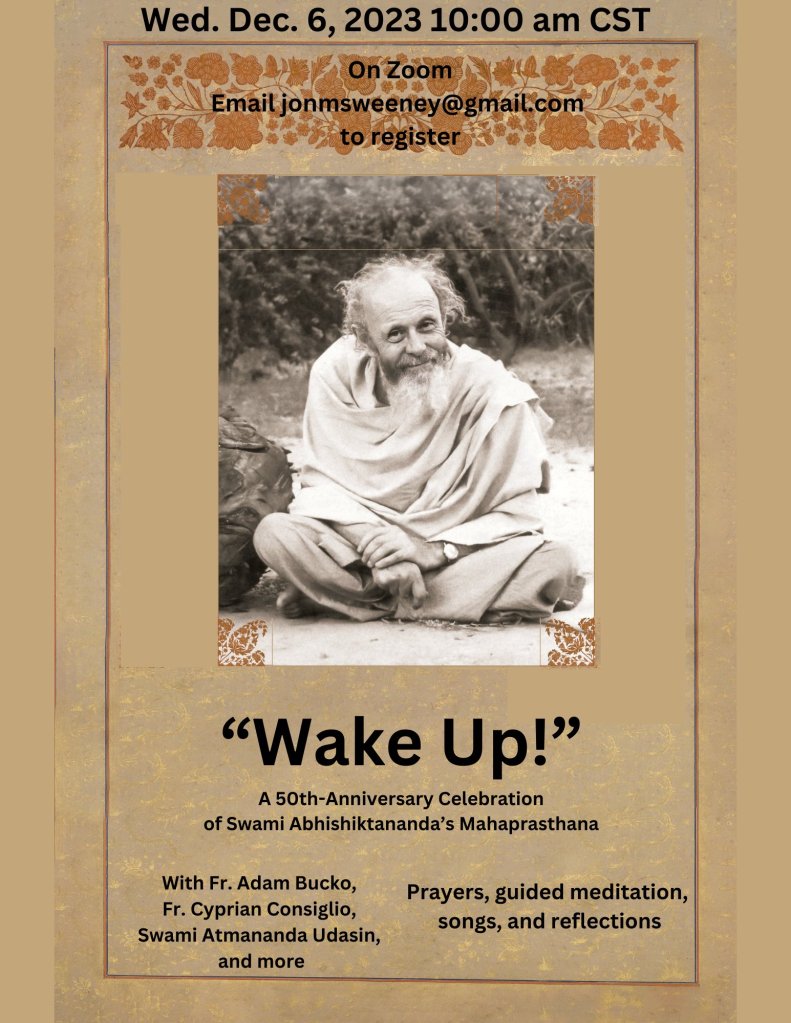
celebrating the 50th anniversary of swami abhishiktananda’s mahaprasthana

swami abhishiktananda (1910-1973; aka dom henri le saux) was a french benedictine monk and priest who felt called to live in india in order to set up contemplative monasteries there. he ended up staying the rest of his life and discovering more than he had bargained for in the general life of india and particularly in advaita vedanta. he never renounced his vocation as a monk or a priest, and he is said to have achieved final awakening right near the end of his life. i was introduced to swami abhishiktananda by my amma sr. pascaline coff and had the great privilege of collecting and translating his french poems a few years back.

this year on december 7th marks the 50th anniversary of swami abhishiktananda’s mahaprasthana (great departure). several of us who admire swamiji and his message of awakening and interreligious respect and affection will celebrate on december 6th at 10.00 am central standard time.

prior cyprian consiglio, fr. adam bucko, jon sweeney, and others will be gathering on zoom to share meditation, song, and talk on swamiji. if you’d like to attend as well, you can email jonmsweeney@gmail.com to receive the zoom link.

pax/shanti

alive and well, also a page found out in the wild

hi everyone who gets updates from my blog: it’s been a bit.

as anyone who knows me personally will know, not only am i not a “digital native,” it’s hard for me to visit for too long too. computering burns me out, and i was (for me) very online there for a while. so, i backed away but am starting to feel able to come back some. not to mention that b/c of a variety of factors (including recently buying a house in my beloved city of milwaukee), we haven’t been out to sna’s regularly for a few months. hoping that will change soon.

but, i’ve been finishing up my new collection of poems, be radiant, with my publisher fernwood press and been drafting a new book on contemplation in our current moment. so stay tuned on that.

i’ll have another post later today or tomorrow for an event i’m co-organizing, but in the meantime, thought i’d throw out there that i recently discovered thru twitter (just can’t call it ‘x’) that i’ve got an author page on paul deane’s website that explains and documents modern alliterative verse. so that’s pretty cool. you can take a look around the site for other alliterative-interested folks if you’re into that kind of thing. 🙂

thanks, paul, for keeping the alliterative lamp burning!

belated notice of an essay on fr. bede griffiths, osbcam

a bit back i had an essay on fr. bede griffiths, osbcam appear in new camaldoli’s newsletter. the new camaldoli hermitage is a community of camaldolese hermit-monks who trace their spiritual heritage back to st. romuald and st. benedict. i’ve visited a few times now, and i’m never disappointed in the monks’ welcome, community atmosphere, and the tremendous land the hermitage sits upon overlooking the pacific ocean in the santa lucia mountains.

folks who write on bede usually focus on his more speculative and experimental views, his interreligious models, etc. given my own proclivities, i took the chance to write about bede as a simple monk, who was, despite all the changes in his life and spirituality, devoted to the divine office (liturgy of the hours), the public prayer of the church that’s been sung throughout the day every day in all sorts of communities since the early years.

other solid stuff in here too.

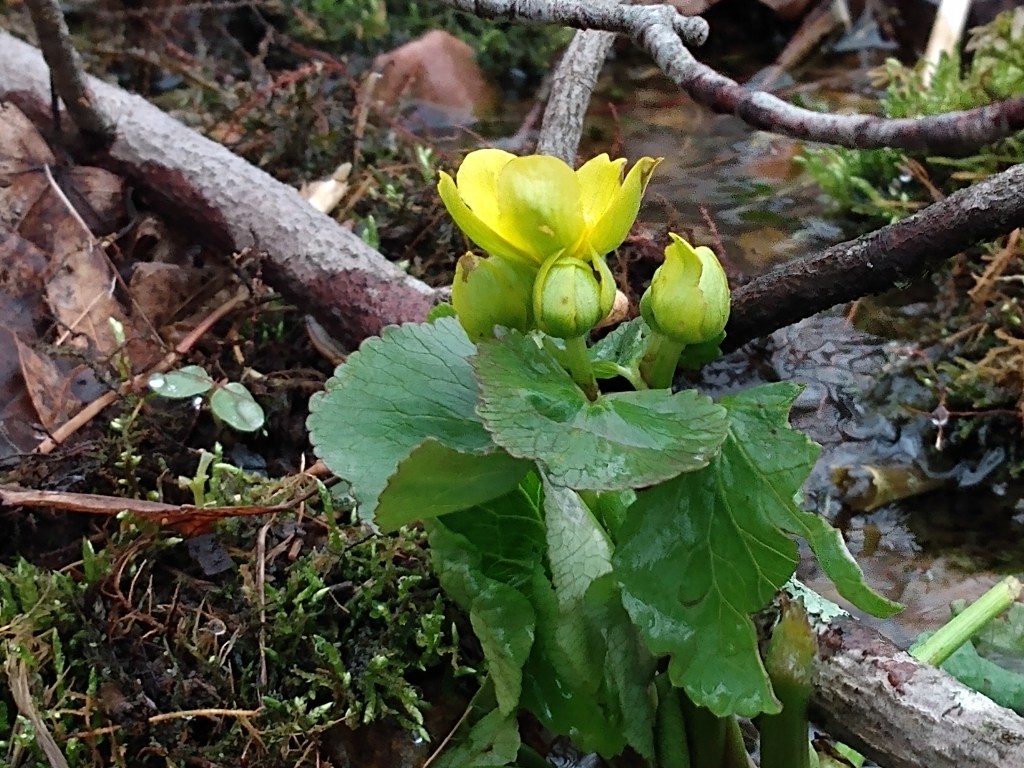
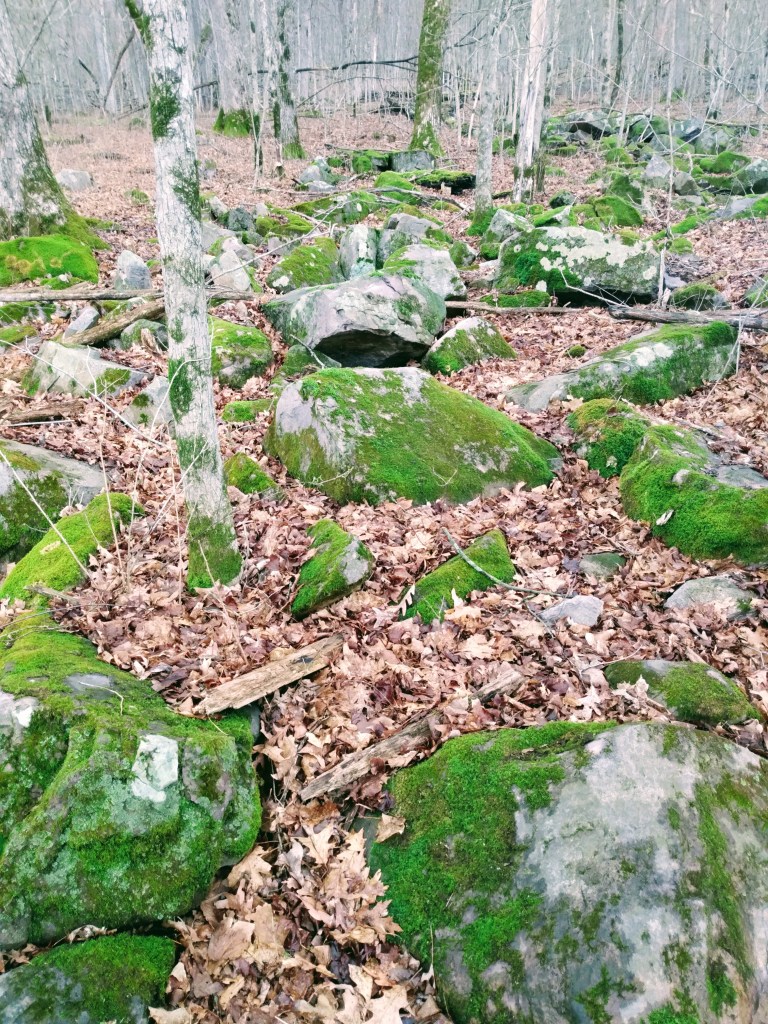
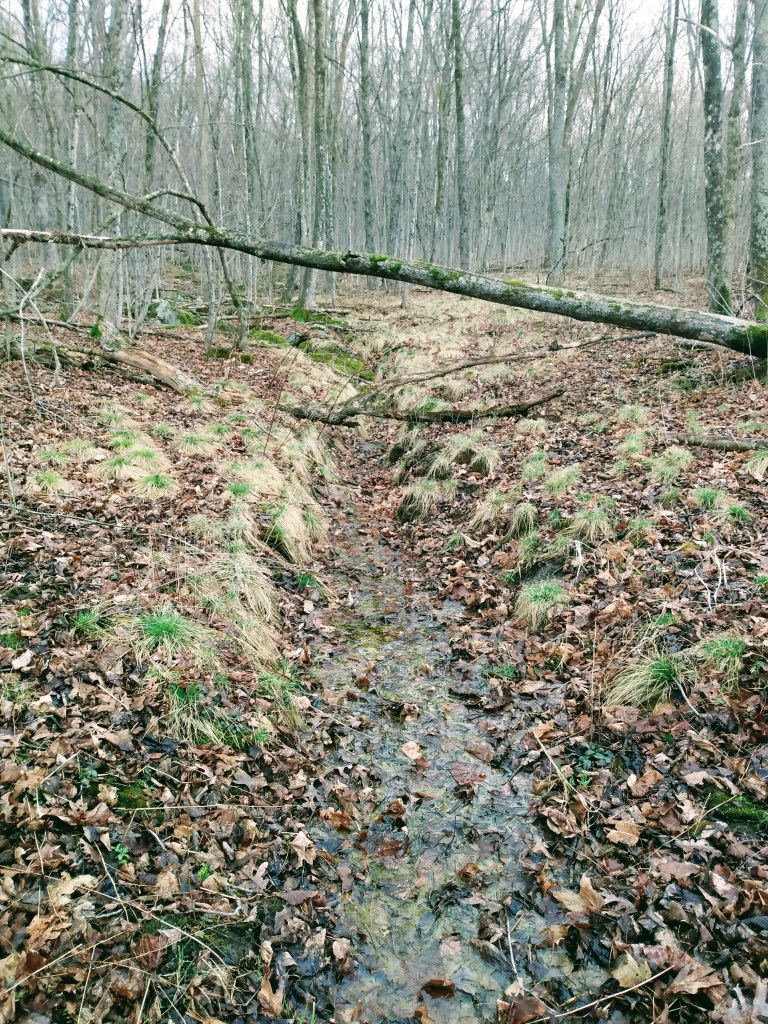
sna poems, #115: baxter’s hollow

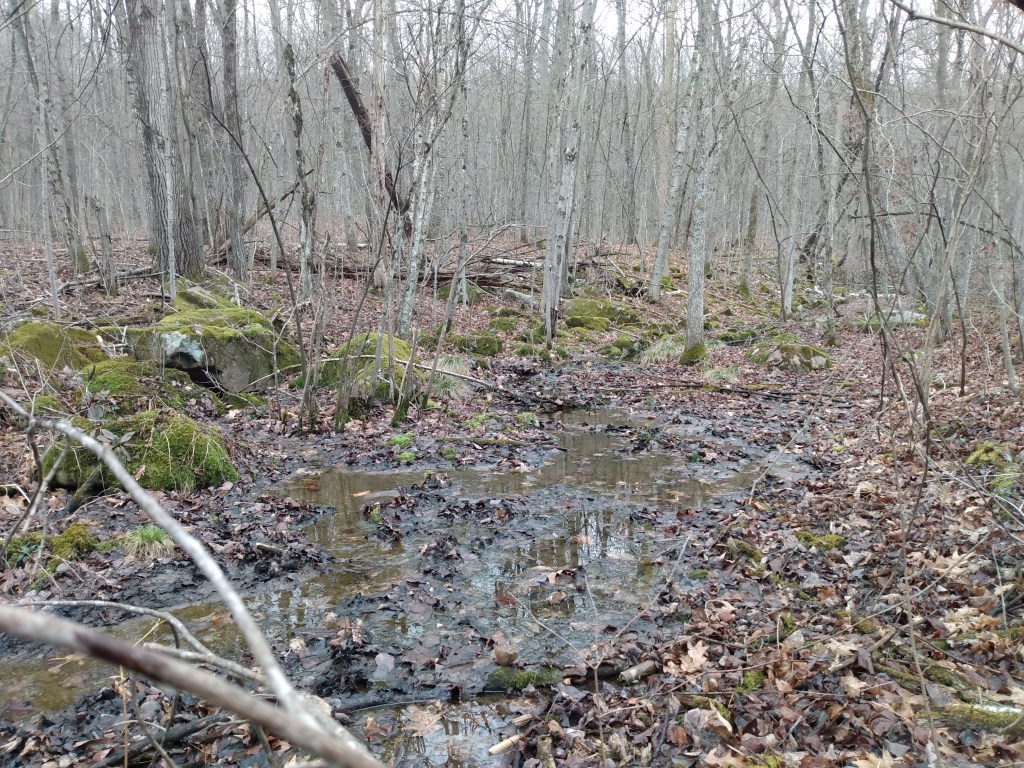
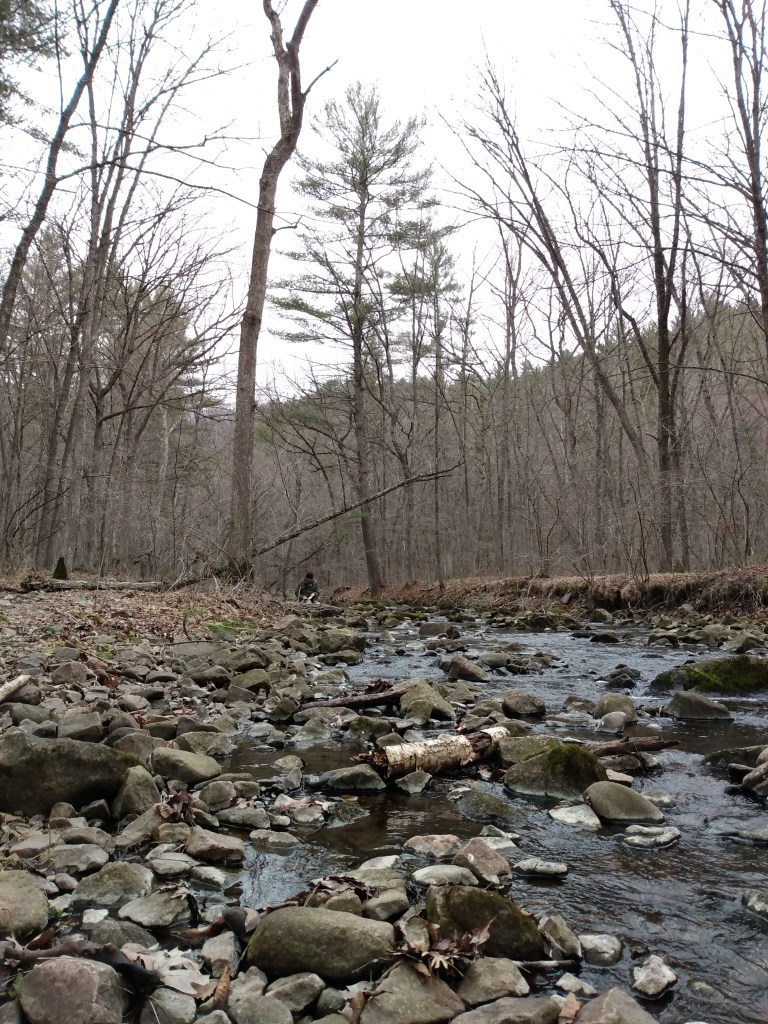
our day in the baraboo hills started in earnest at baxter’s hollow, a broad gorge formed in the bluffs by otter creek with the largest stretch of unbroken forest in southern wisconsin—almost 6,000 acres, some still held in private hands. a rugged path marches thru the main site, but it feels very remote inside.

snow fell much of the time, but the sun peeked out toward the end of our hike. then we spent some time down by otter creek as we made our way out. a serious sanctuary for many aquatic insects, wildflowers, mammals, and especially birds who live away from edges. we exulted in the quartzite.

first id of hermit thrush—saw a few!

a.

marsh marigold fresh

into bloom

along the spring run

b.

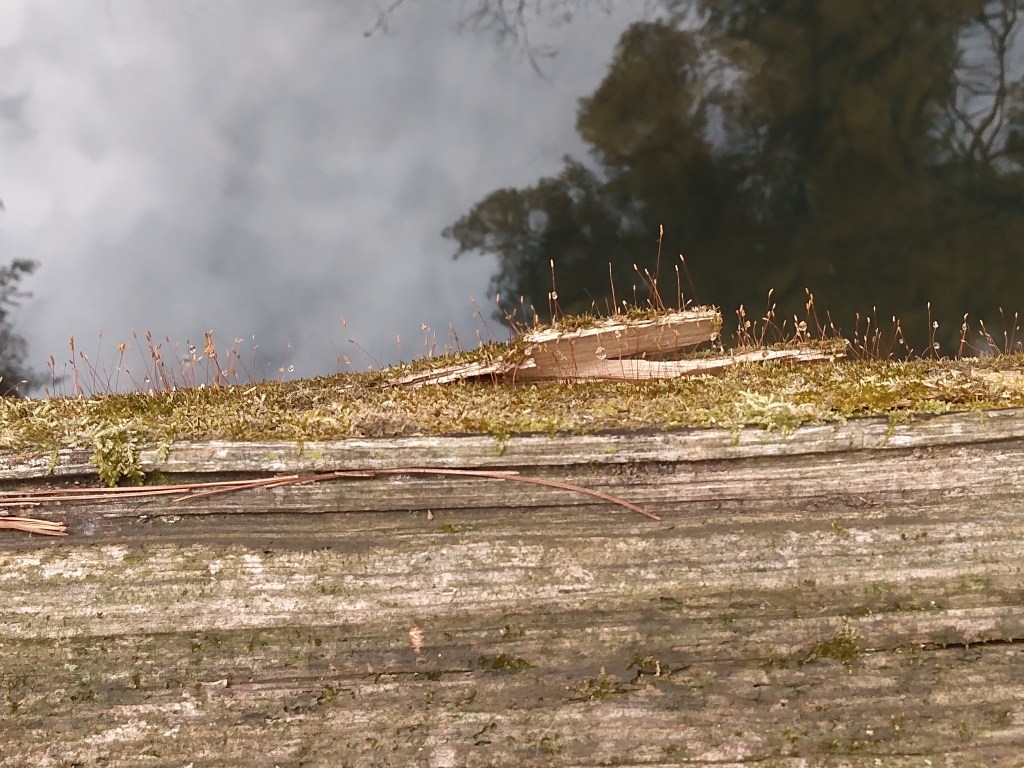
under a light snow

moss growing

on tumbled quartzite

c.

in the leaf-bare wood

hermit thrush

flits from branch to branch

d.

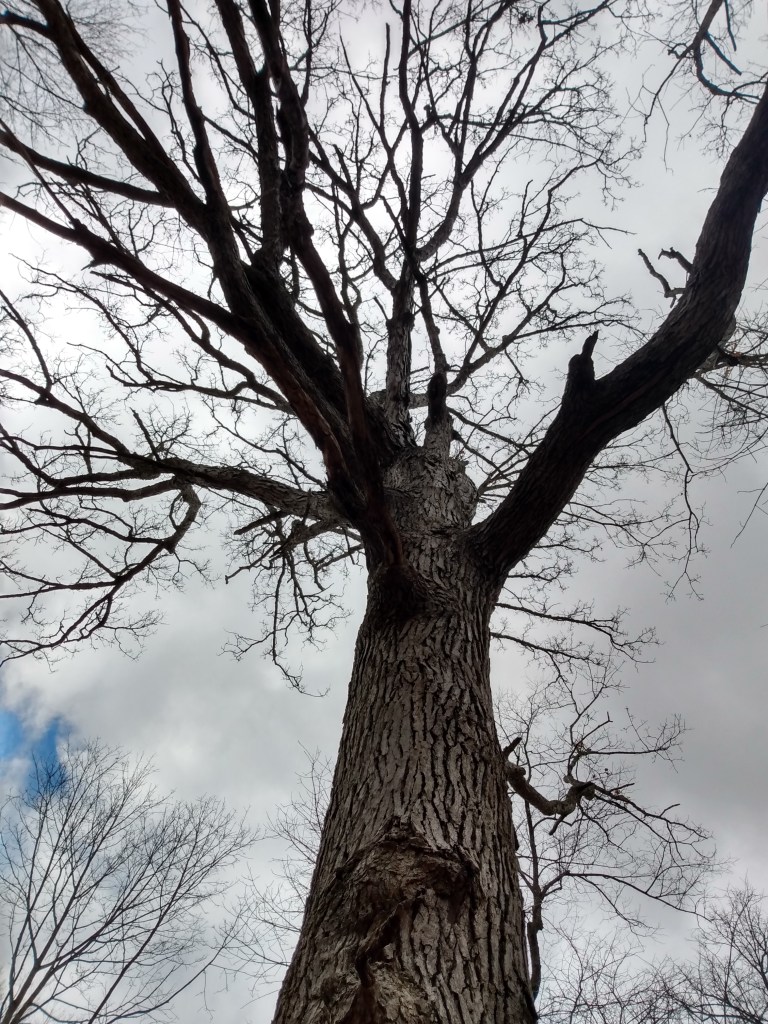
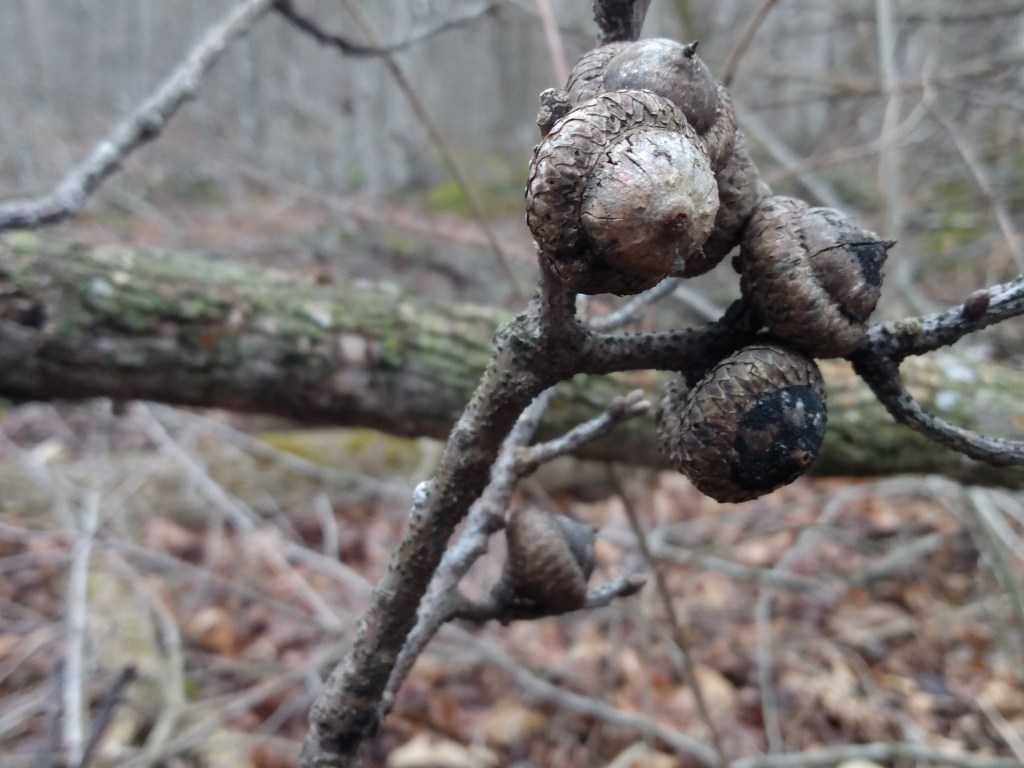
reaching out fair limbed

under clouds

the oak against time

e.

below the white pines

the otter,

a wary spider

you can’t see her from this the distance my wife took this picture, but the spider named in the lune above was trepidatiously crawling on my knee here.

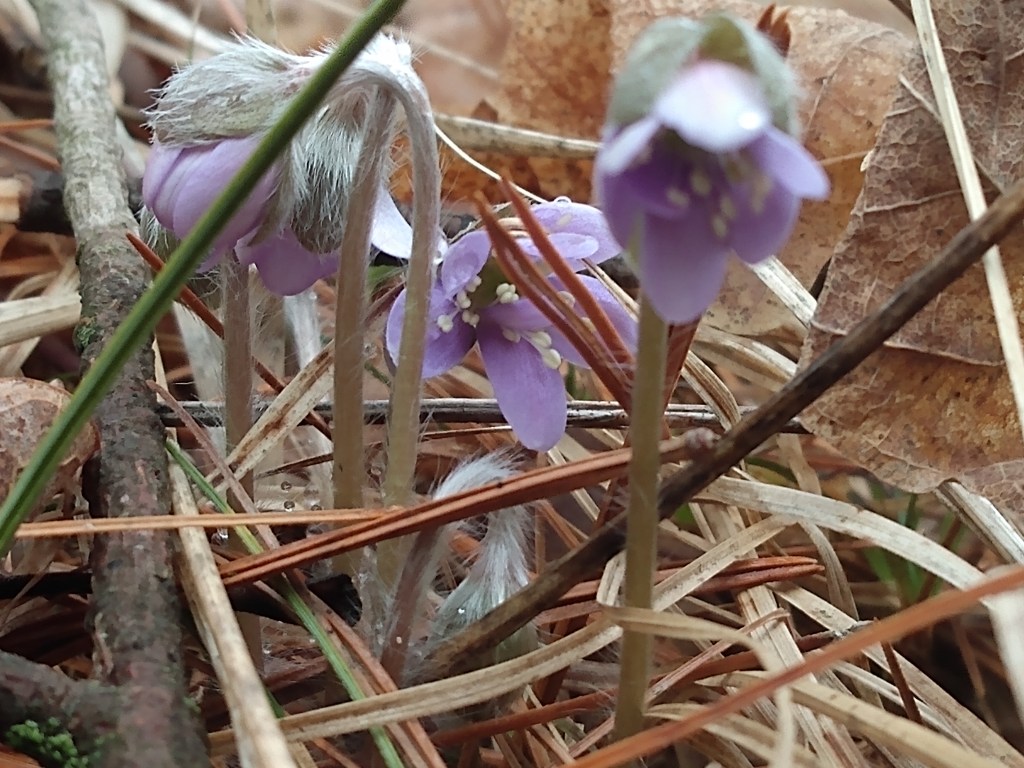
and now, the liverwort we found by otter creek, up late this year it seems:

lenten essay (about jokes) in _spirit & life_

for all those who keep the season of holy fasting we call “lent” in english (or those who are interested in world religions for whatever reason), i’ve got a new essay out in the benedictine magazine spirit & life.

it’s based on an interaction i had with some other guys here in milwaukee last year as well as some studying of the nature of christian atonement i did years and years ago now (when i first read william langland’s tremendous poem, piers plowmanread piers if you haven’t!).

all i’ll say here is that the essay involves the devil as a monstrous fish and the holy cross as a tricky hook. enjoy!