i don’t do much in the world of online video, but i got an invitation i couldn’t refuse to talk with graham scheper about my translation of st. æþelwold’s 10th-century translation of the rule of st. benedict.
it was great fun, and if you’re curious at all about such things, we have a wide-ranging discussion about this stuff for about an hour. you can check it out here if you like.
i’ve been avoiding the online world some, so this is a bit of a late entry, but:
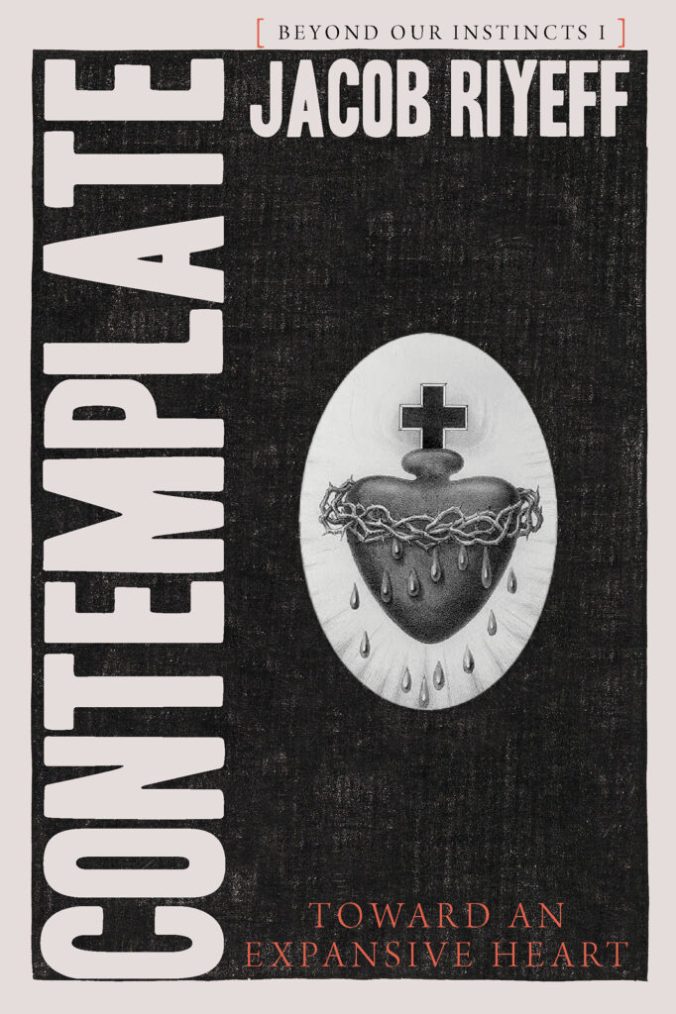
hey, my book contemplate: toward an expansive heartreleased in december! it is the culmination of 20+ years of reading, practice, and dialogue with folks all over the world. it feels tremendous to have it out.
after its release, i was invited for an interview on wgvu’s “common threads” show on interreligious dialogue. you can listen here if you like (two installments)!
also, my translation of the old high german wessobrunn prayer is in the latest issue of forgotten ground regained, a great journal promoting alliterative poetry. check out steven searcy’s poem while you’re there too! 🙂
some more things coming up, but if you happen to be in the milwaukee area, i’ve also got a book release event this friday the 30th at boswell books on downer. going to be fun!
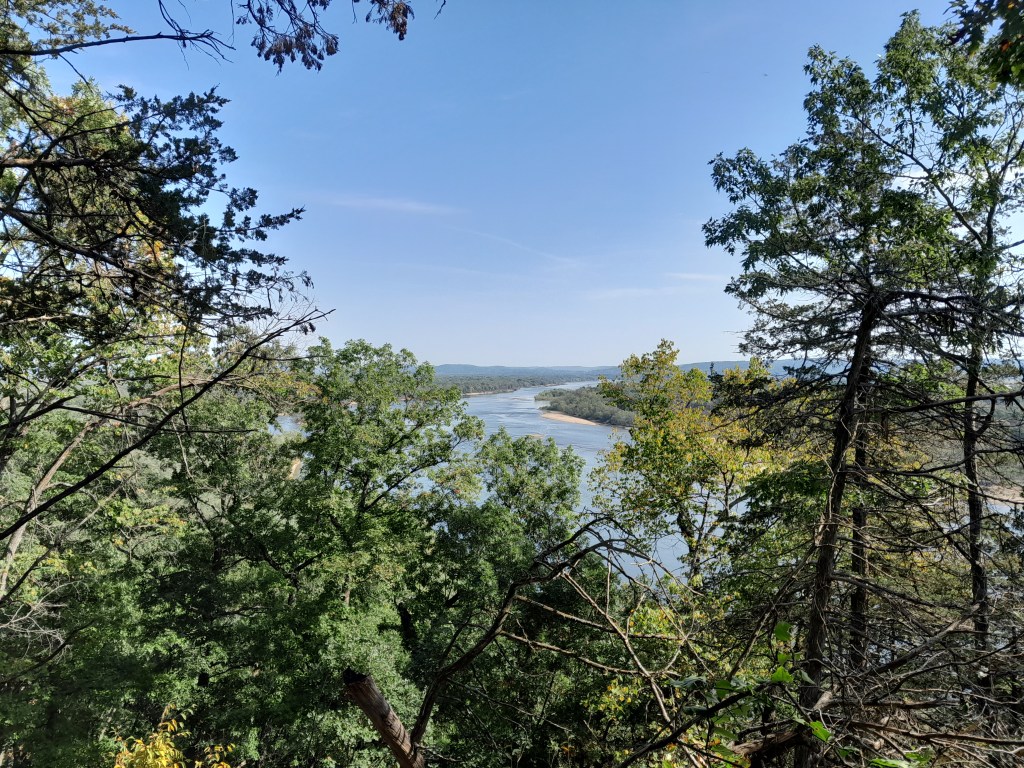
over in columbia and sauk cty for the day, and we stopped off at ferry bluff en route. a lovely bluff trail above the confluence of honey creek and the wisconsin river.
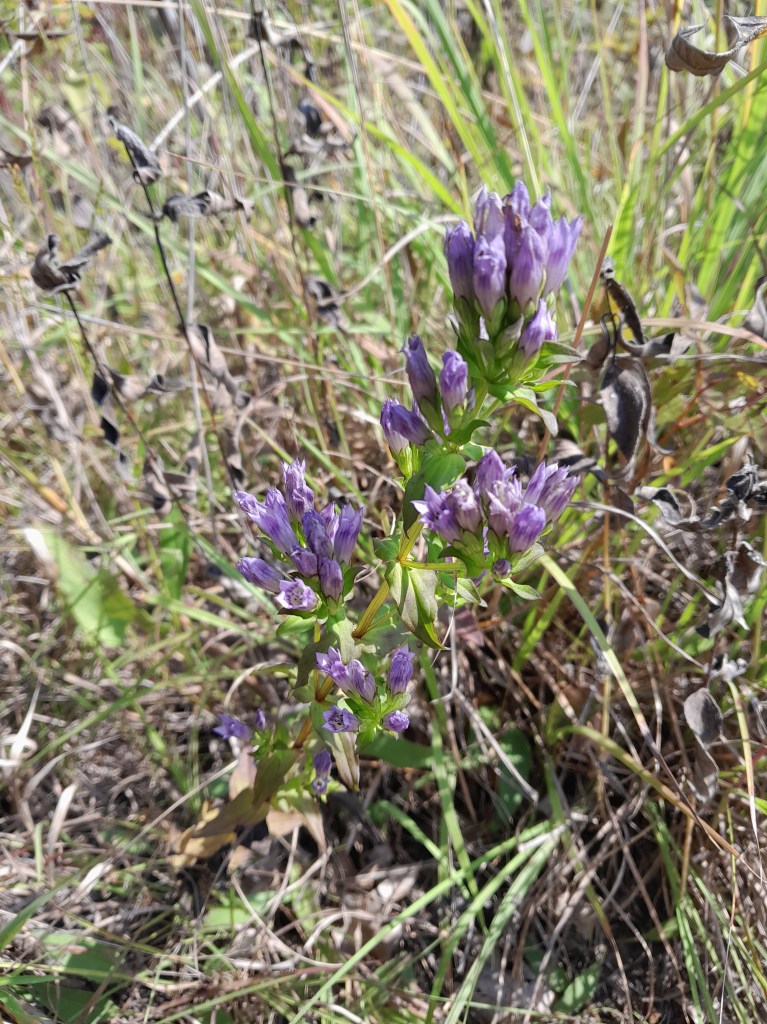
a gorgeous stand of what i’m thinking is agueweed in a sun-soaked ridge above the lookout. a fine detour!
in my ongoing attempt to resist mechanical time and our alienation from the earth, my latest in the benedictine magazine spirit & lifeinvites us into the traditional discipline of ember and rogation days with a renewed view and intent.
was happy to get this out, and am mulling subconsciously on another similar essay on telling time by the moon, and maybe the sun. we’ll see. third quarter moon tonight!
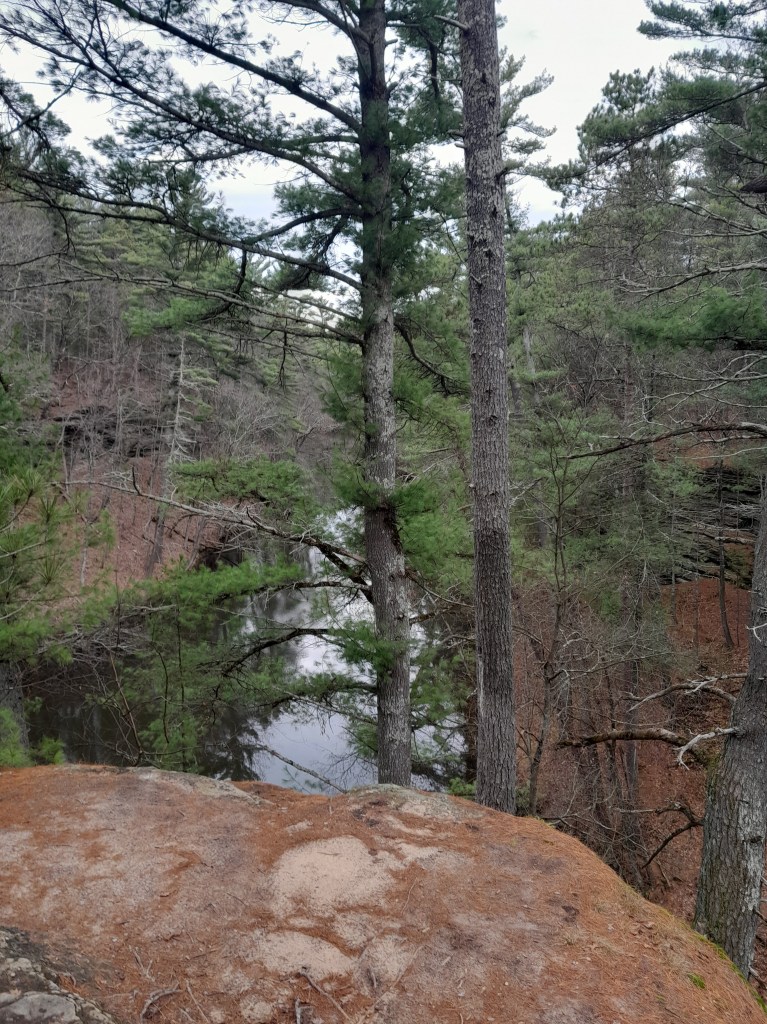
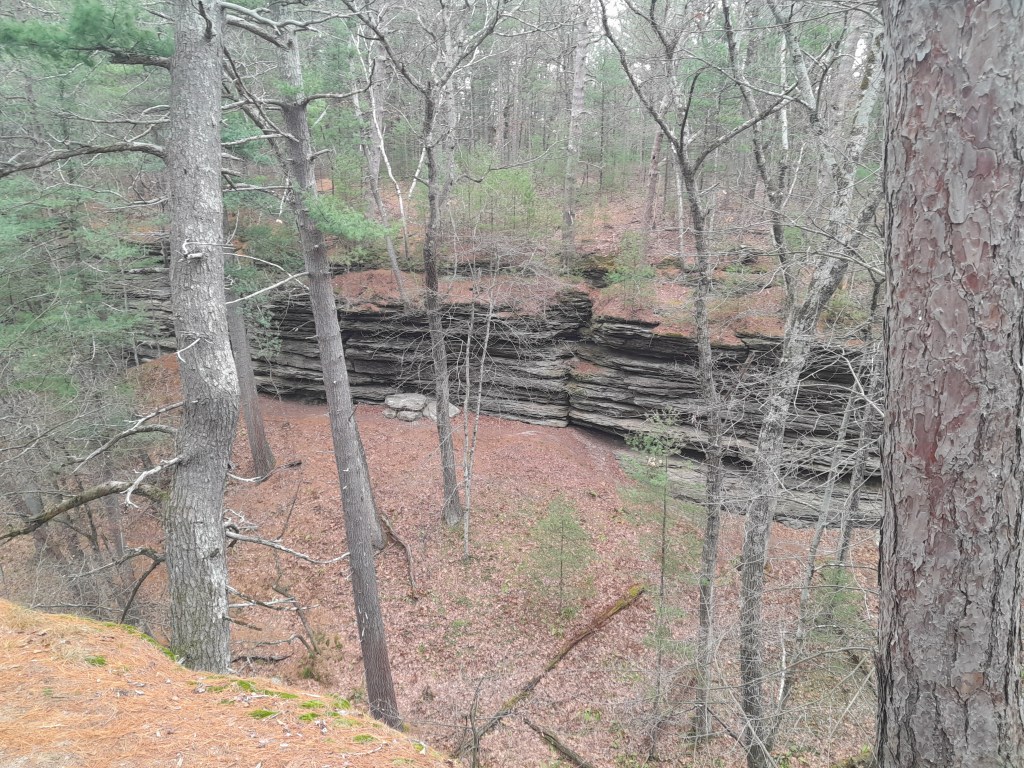
fern dell is a 1/4 mile gorge made in upper cambrian sandstone by dell creek. lots of ferns, yes, amid a red and white pine wood all leading to a precipitous drop over mirror lake. which is in its own gorge.
after a day spent out madison-way for family business, we called in some reinforcements and headed to mirror lake state park. i’ve been going to the baraboo hills area my entire life, but never made it here for some reason or other. we’ll certainly be back. we hiked the upper unit where the creek is hardly visible this time of year and down to the lower portion where it opens out quite a bit from all the springs and seeps.
highlight was all the tiny fruiting teaberry along cliff’s edge. (first id.)
I’ve been at work making early modern Benedictine nun Dame Gertrude More’s writings and spirituality more available since I taught a summer seminar on women mystics and visionaries at Marquette University back in 2017. I’d reached out to her community to see if I could edit and publish her shorter works, and her Poems and Counsels on Prayer and Contemplationcame out around the time the pandemic started. Then a couple years later, I wrote a chapter on her for A Benedictine Reader 1530-1930. I’m also at work with a colleague editing her more sustained work, a spiritual diary known as her Confessions.
And so it was with great joy that I visited the community at Stanbrook Abbey for their fourth-centenary celebration this year by offering a couple talks on Dame Gertrude’s teaching on mortification and contemplation last weekend for their community study day. All the sisters made me very welcome, and it was a pleasure getting to walk the Yorkshire gills and hear the offices chanted while getting to know them, some of their oblates, and a variety of visitors. The sandstone outcroppings in the gills were gorgeous. My heartfelt thanks to the whole community at Stanbrook!
Can’t wait to get her bigger work out; will be working on it this winter break. Stay tuned!
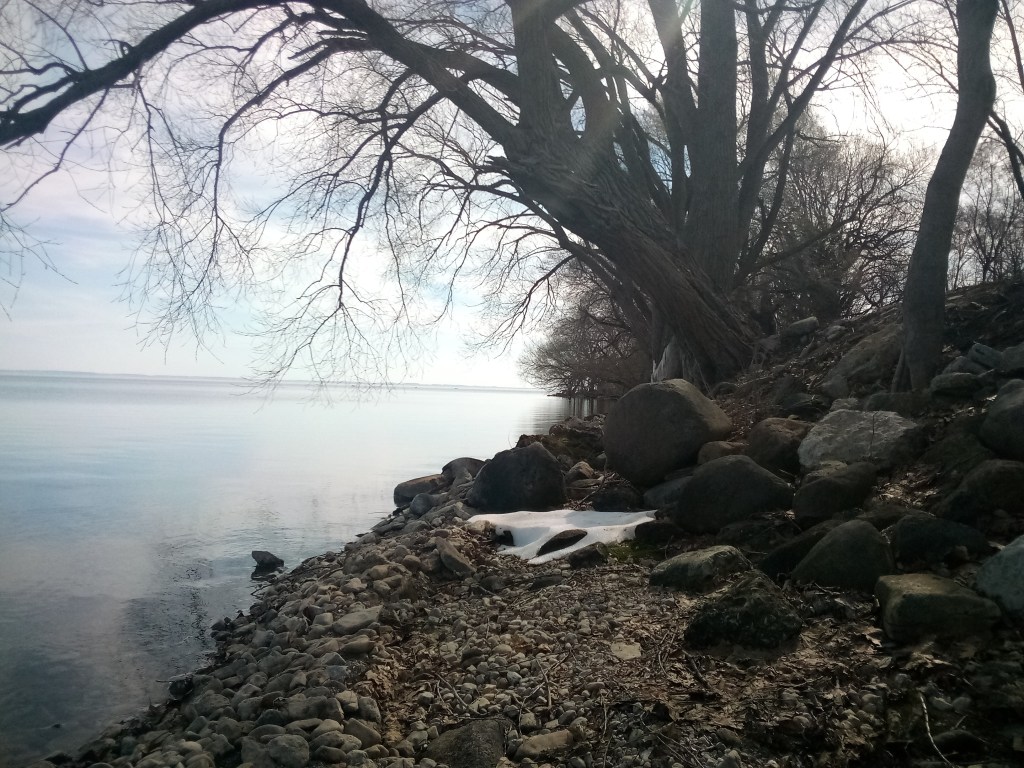
the jesuit retreat house sits on fahrney point in lake winnebago. had a silent retreat here for the first time last weekend. a real god-send. my nervous system recalibrated dramatically. a delight to listen to the northern flickers and cardinals, cranes every now and then. to simply walk the grounds and listen to the lake.
had my first dip in lake winnebago—crazy cold still and the mammal body recoiled but was invigorating. muskrats, mallards, a pileated woodpecker, turtles, jumping sturgeon, and a trio of white pelicans. trees budding and silence from lots of humans.
a.
cross of black and white
stretched between
blue clear and rippling
b.
glistening bodies
green and brown
splash in sheer delight
c.
small green legs on log
plop below:
amphibian life
d.
tree-perch
duckweed
frog-song
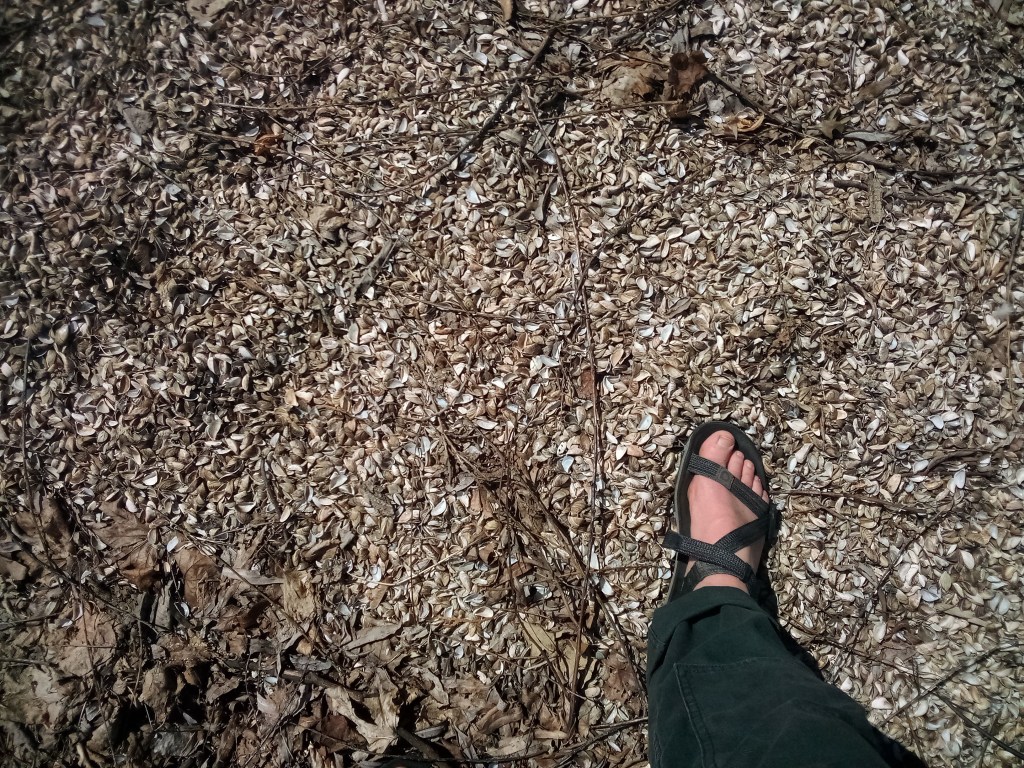
mussel shells forming an island in the inlet…
e.
great blue mass winging
at sunset
gracing fahrney point
f.
honk-plaint from field-geese—
uncovered
in meditation
g.
wishing i could lune
two herons
roosting in the dark
ha—that’s me in the willow. photo (taken before i knew he was there) courtesy of a friend i met on retreat!
i grew up visiting durward’s glen outside baraboo, wisconsin. it was/is a stupendous place: a secluded sandstone and conglomerate gorge flanking prentice creek on a small wooded lot outside the precambrian baraboo hills.
later on in life, when i moved to milwaukee, i found out that the glen was named after bernard durward, a scottish immigrant to milwaukee in the 1840s and a transplant to the baraboo area in the 1860s. i also found out that i currently live on the same street he lived on way back then.
all this (and that he became the first professor of english at the catholic seminary here near milwaukee and was an artist and poet) led me to start getting together a new edition of his poems, which i’m hoping to publish within the next couple years.
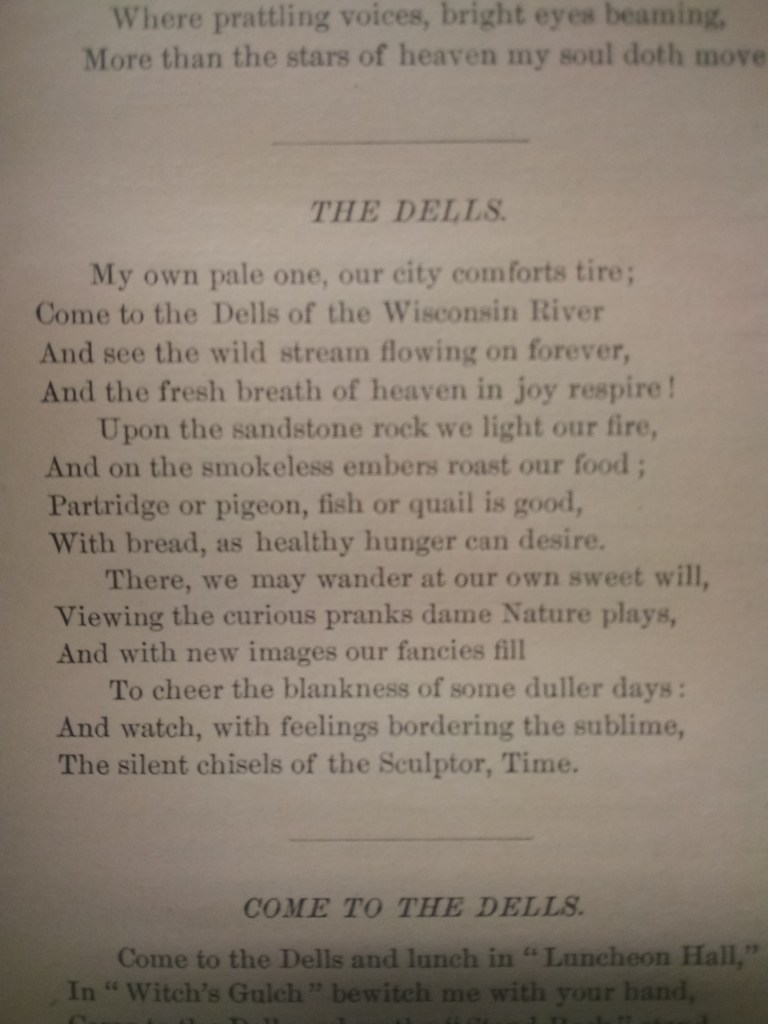
but in the meantime, i’m just itching to get his work out there sooner than that, so: i’ve recently come into a copy of durward’s poems from 1882. i’m going to start posting here regularly an audio file of one milwaukeean (me) reading another milwaukeean’s (durward) poems. we’ll see if i can make it happen daily, but every few days anyway.
two further bits: 1) the illustrations will be images from bernard’s son’s book wildflowers of the glen (1875), used by permission of the milwaukee public library, which holds the volume now, and 2) this is 19th-century american verse, so sometimes there will be some settler-colonial sentiments present—this is a sad but real aspect of midwestern history. i won’t post poems that are particularly problematic if i come across any. but to be clear: the durwards and my own ancestors and lots of yankees and european immigrants directly benefited from the land-grabs of the american federal and wisconsin state governments, and this was a terrible terrible series of events for the indigenous peoples of “the old northwest” and for the colonizers and the descendants of all of the too. as junot díaz says, “we’ve all been in the sh*t ever since.”
history being what it is, i still think generally that folks’ art is worth engaging and wrestling with even in their limitations, as we all have our limitations as well.
the little chapbook i never thought would see the light of day has indeed done it. begalende (old english for “singing/chanting ’round”) is a small digital chapbook of my verse translations of “charms” or “spells” found in old english, old high german, and old saxon manuscripts.
these texts (called “galdru” in old english) are strange ducks, landing somewhere between story, prayer, and recipe, what we now call—with little precision—magic. but they were also passed down (almost surely in each case) by christian monastics. the apparent paradox may not really be such, given the time period. that is, the strangeness, i conjecture, is more about these being “pre-modern” than being “pagan.” (if you want a good study of this basic view, see here.) they reflect a time when human minds and bodies were understood to be much more “porous” to their environments—things like “elf shot” could get you on any day of the week!
the texts translated here are a fun and bizarre time capsule of human experience, and you can download the book free from ghost city press right here. (tho’ any funds you may want to donate come straight to me, which is kind of them.)
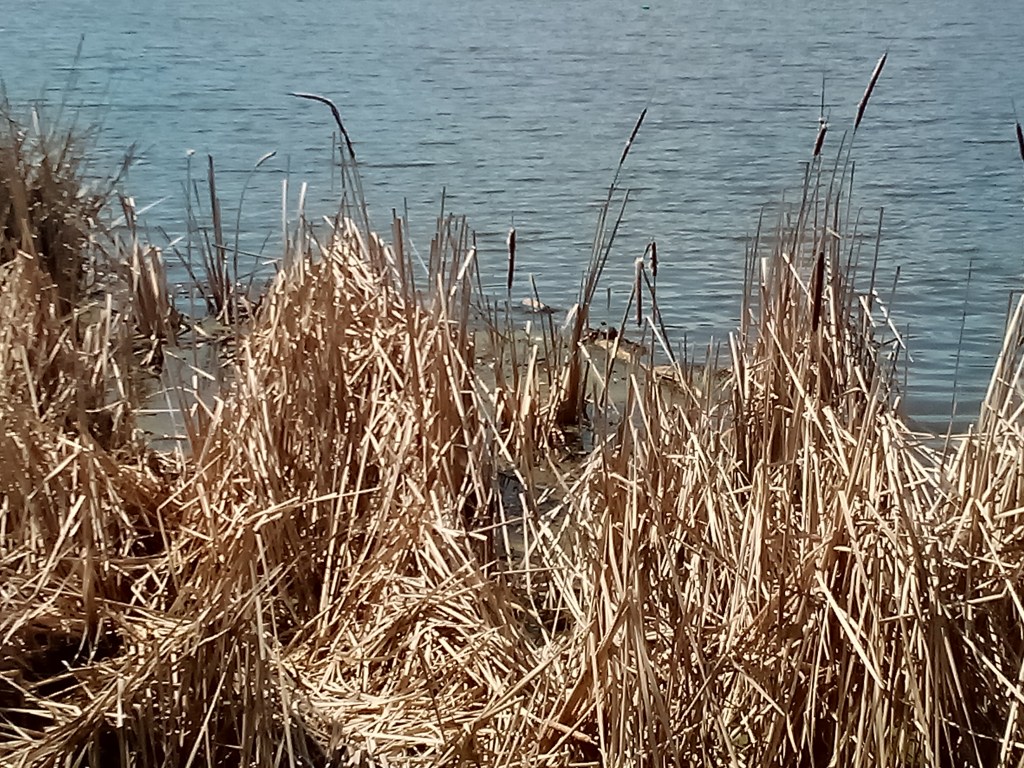
the little menomonee river nature preserve in ozaukee county is a 20-acre parcel of wooded land thru which runs the little menomonee. the river is small and seems to be close to its source here, and it has been vigorously channelized. further downstream the county is starting rejuvenation efforts and de-channelizing. (the word used is “remeandering,” which is fantastic.) hopefully, the city of mequon, which acquired the parcel in 1992, will continue those efforts or encourage and permit the county to do so.
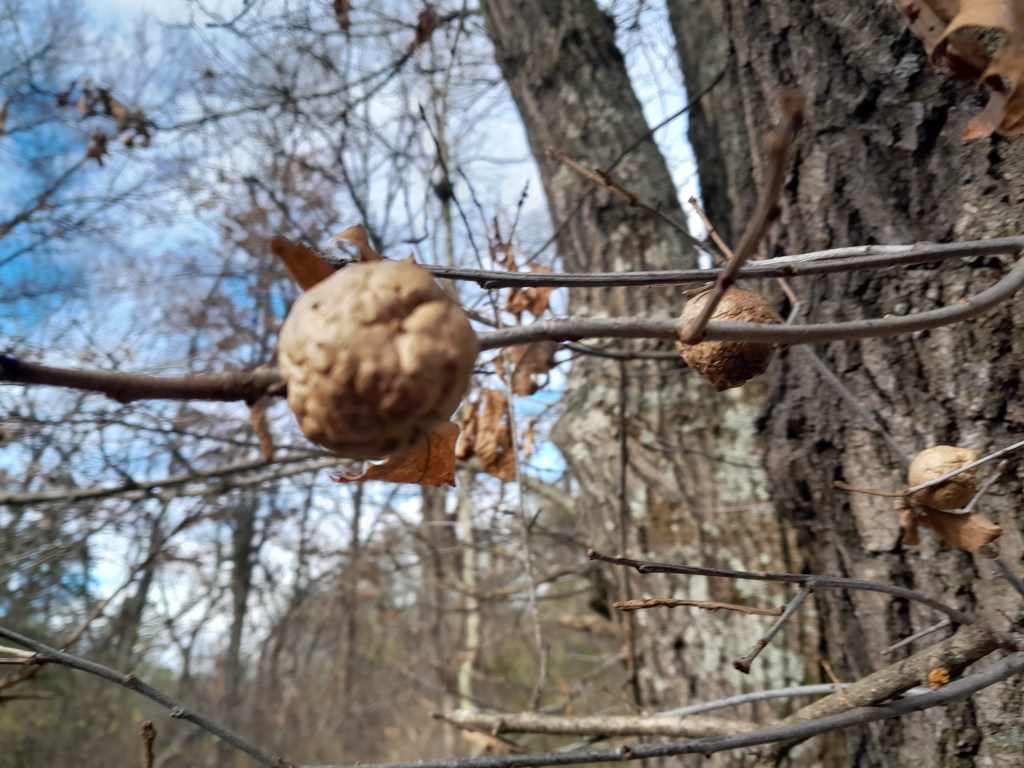
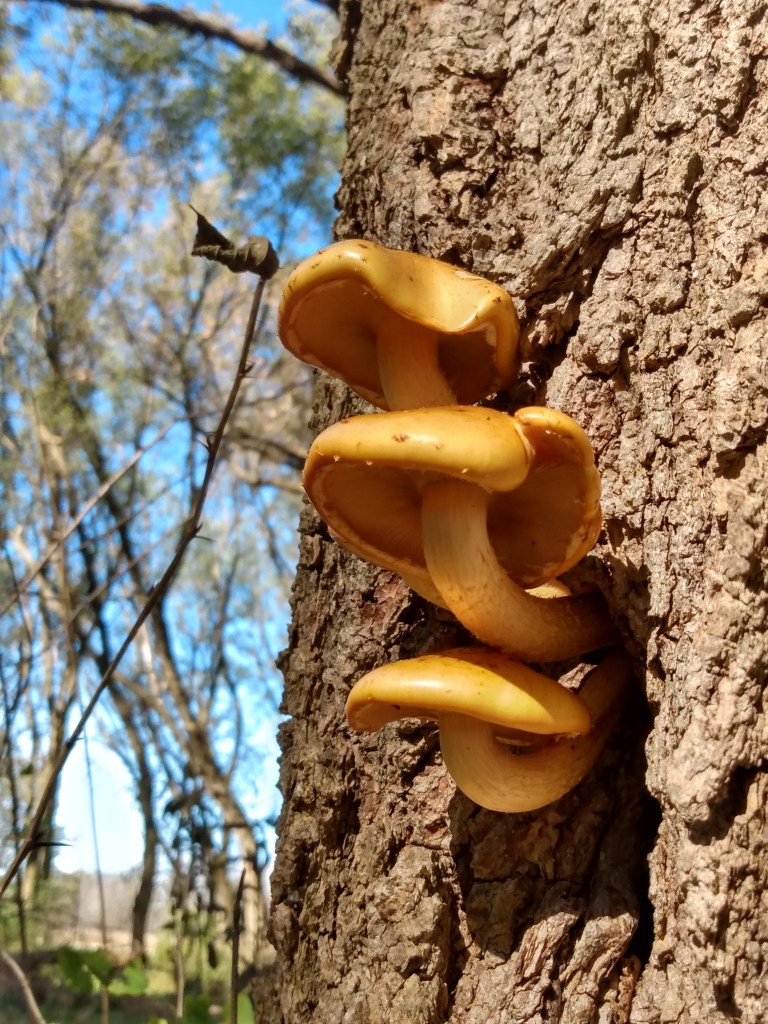
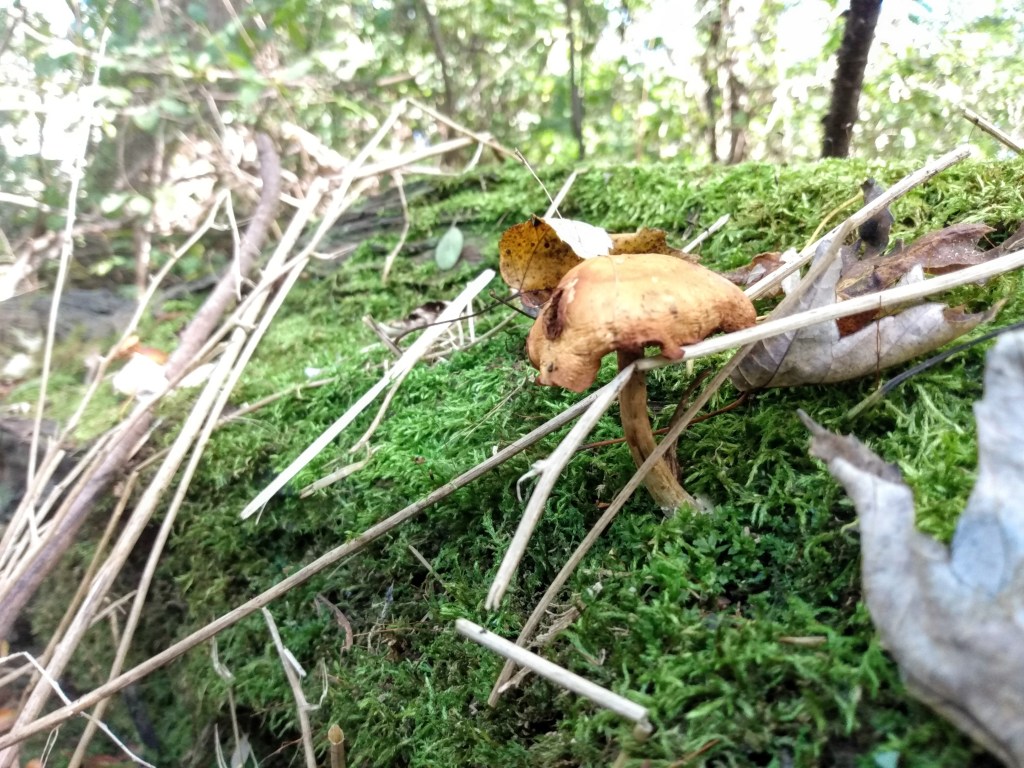
it was a gorgeous fall day, and we meandered thru the woods of maple and oak, finding some fungus and the kids forded the river. a quiet, out of the way site, whose trail i wished had led thru more of the wood.















 Jacob Riyeff