the arbor ridge segment of the ice age trail (wisconsin’s state-wide trail more or less along the terminal moraine of the wisconsin glacier) goes thru my hometown of janesville. found out a few years ago that the ‘arbor ridge’ segment runs thru land that used to belong to my wife’s great grandfather. they used to run cattle there.
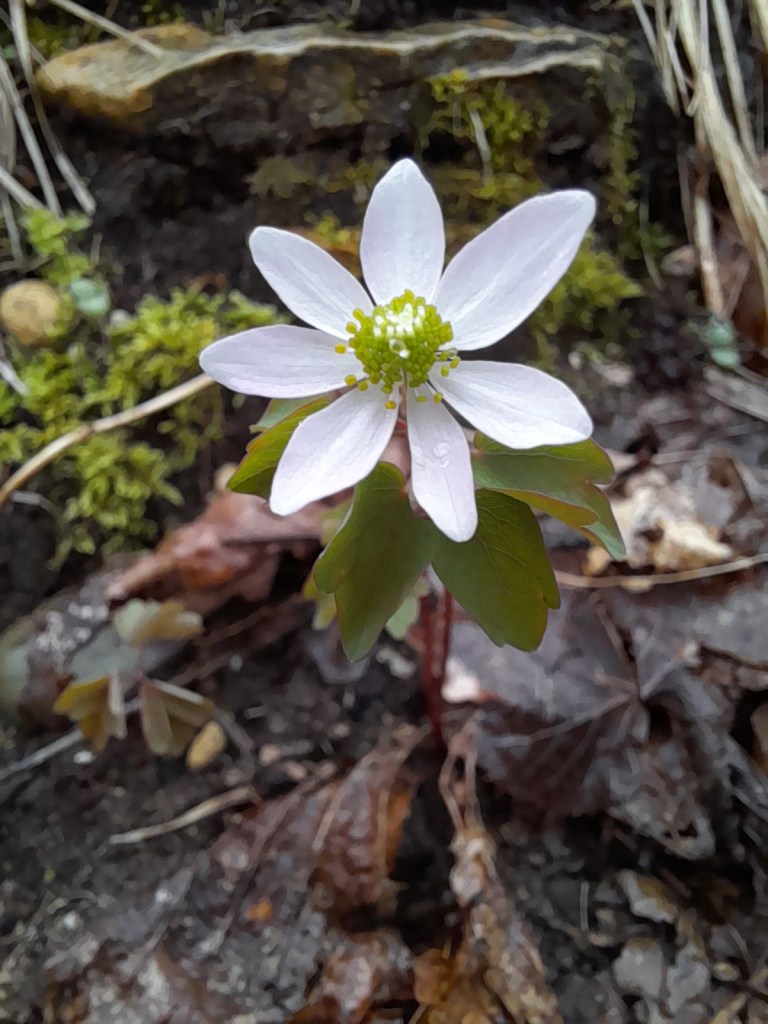
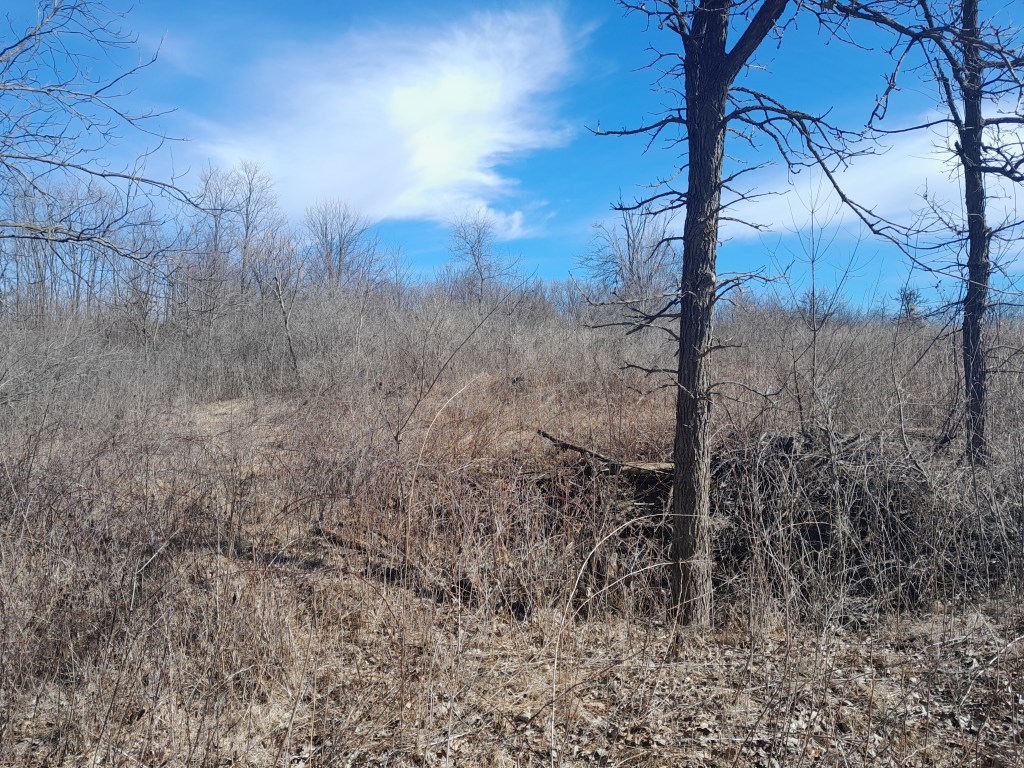
a beautiful walk on easter, tho the rain started coming down pretty good about half-way thru. can tell they didn’t plough due to the rue anemones all over–though i suppose you’d know from the steep ravine anyway. first id of carolina wren, and fun to realize that her great grandfather knew these trees (at least one massively old oak) and marsh creek.
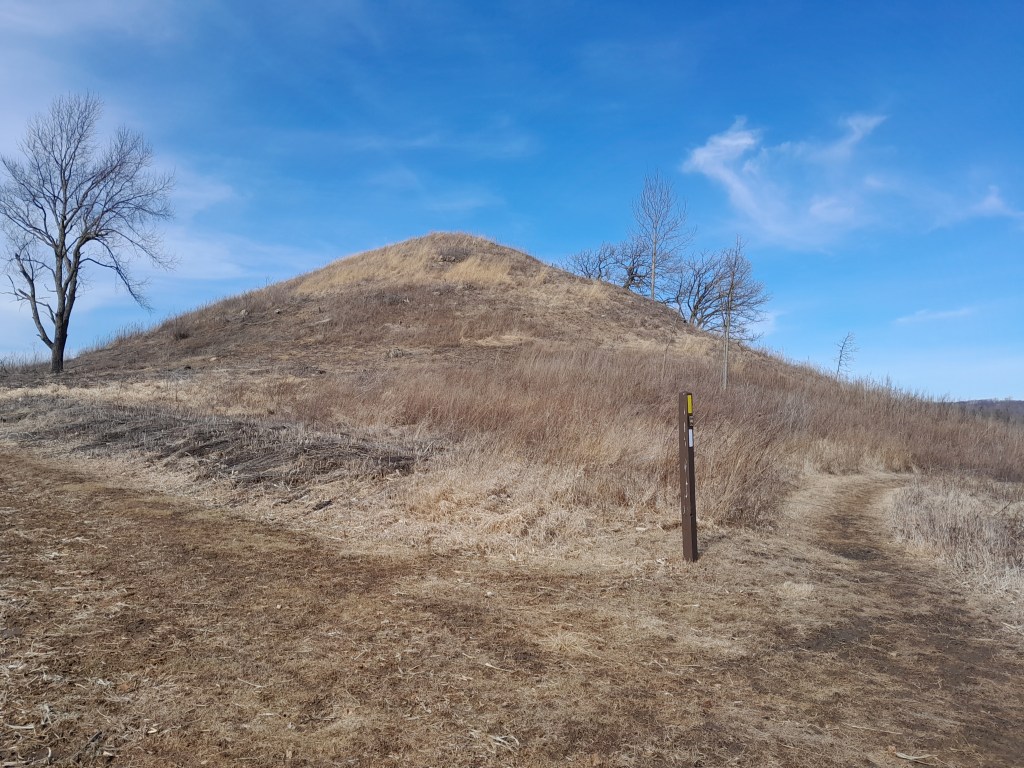
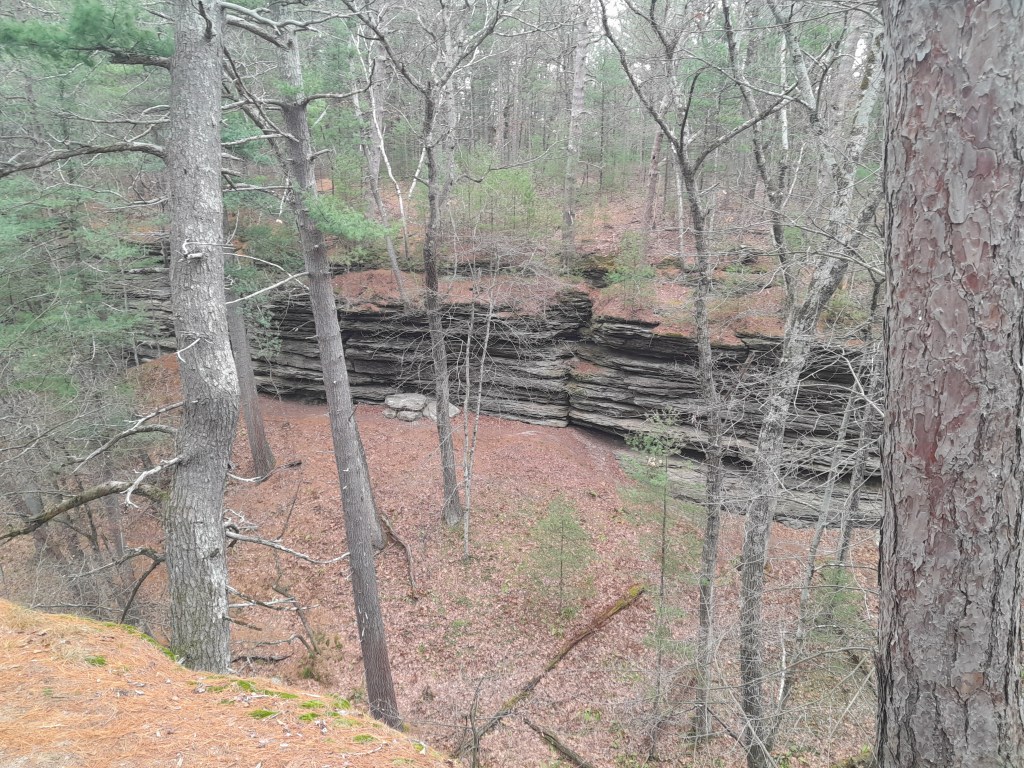
driving back from mineral point and cave of the mounds, we saw this dramatic bedrock hill that was fairly recently acquired for the wisconsin ice age trail. (would guess the bedrock is st. peter sandstone here, but couldn’t confirm.) this is just west of the johnstown moraine, where the wisconsin glacier stopped and retreated.
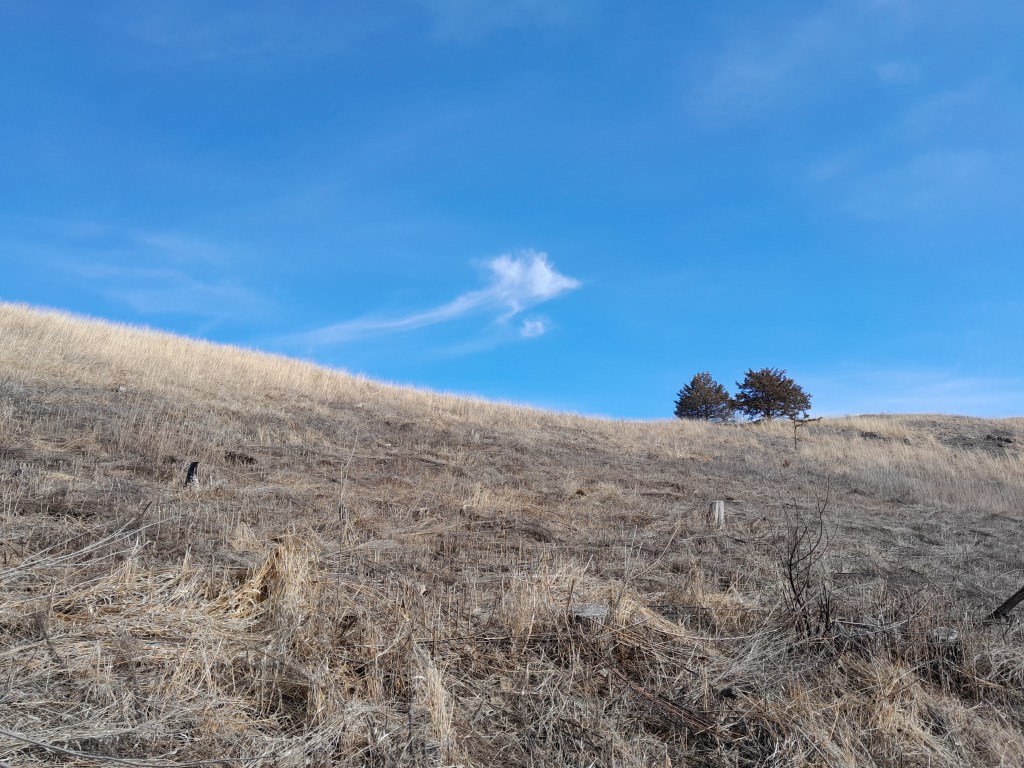
a nice and muddy circumambulation of the hill with remnant prairie on it set between farm fields. a bit of a bummer not to be able to climb up and see the surrounding terrain, but signs posted that they’re doing restoration work, so we celebrated being able to help support lots of other creatures having some space instead.
on my spring break we headed west. not too far west, but over past the johnstown moraine that marks where the last glacier stopped, into what we call round these parts the drifltess area.
lit out to mineral point and merry christmas mine, where early wisconsin settlers mined galena (a lead mineral) and dug the holes in the side of the hill to live in. this led to our nickname as “the badger state,” b/c they lived like badgers in holes in the ground, for a while at least. the depression in the picture above is an example of what’s left of them.
nice stop, lots of fun. hadn’t sat under the sun surrounded by plants (dead or alive) for a few months, so no complaints here. sandhill cranes coming back over head.
thanks to aaron lelito for the fun conversation! we talk kerouac and ginsberg, burning adolescent poems, old english as mother tongue, scholarship and art, earth and epistemology, and the artistic process.
after my second collection went to the publisher i’ve turned my eye toward finishing a couple other book projects, so not as much poetry writing of late, but the dry spell is broken momentarily as the new verse review just put out my translation of a fragmentary versification of the ‘christ and the samaritan woman’ scene from the gospels worked up in old high german verse likely in the 9th century. the general dialect (alemanic) is the same as where one of my maternal ancestral lines is from.
the meter has internal rhyme, which felt very clunky to me at first, but it’s grown on me somewhat. it was weirder when i found out about b/c my years of learning about dead germanic languages tended to assert that any rhyme in this literature was an import or quirky experiment. but plenty of old high german is written in this way, and before latin started rhyming regularly. huh.
fern dell is a 1/4 mile gorge made in upper cambrian sandstone by dell creek. lots of ferns, yes, amid a red and white pine wood all leading to a precipitous drop over mirror lake. which is in its own gorge.
after a day spent out madison-way for family business, we called in some reinforcements and headed to mirror lake state park. i’ve been going to the baraboo hills area my entire life, but never made it here for some reason or other. we’ll certainly be back. we hiked the upper unit where the creek is hardly visible this time of year and down to the lower portion where it opens out quite a bit from all the springs and seeps.
highlight was all the tiny fruiting teaberry along cliff’s edge. (first id.)
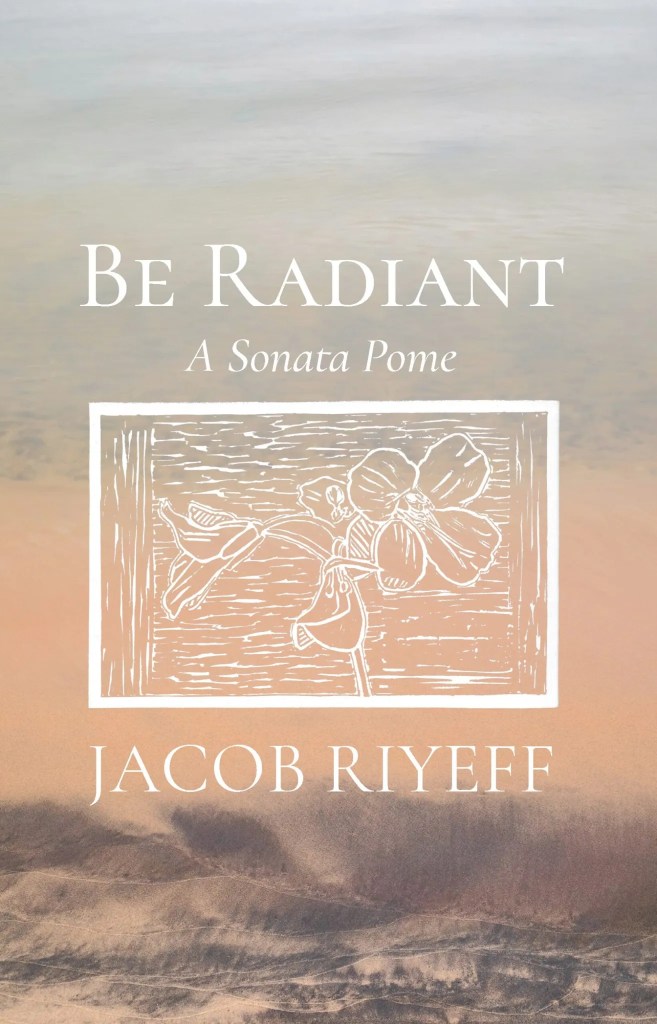
hey folks: it’s been a busy day, but i wanted to get this out before i retire for the evening. because today my second poetry collection, be radiant: a sonata pome,has been published by fernwood press!
this collection is everything from right before the pandemic to about a year ago, including some prints i’ve made for illustrations (was very pleased fernwood allowed me to get some visual work in the collection too). my copies are still en route, so i haven’t yet seen and held it, but today is the official release.
readers of this blog will see familiar material in a whole section of the collection devoted to the state natural area poems. 🙂
the blurbs (from very gracious fellow poets) are below, and you can order a copy here if you like and want to support my work. wishing everyone a peaceful night!
Faced by the specter of eco-catastrophe, what can we do to ward off anxiety and paralysis? We can contemplate and celebrate, as Jacob Riyeff does in this volume, that patch of the Earth which is our patrimony. Microscopically observed and lovingly curated, these lyrics articulate, layer by layer, a Midwestern landscape and time-scape radiant with the often-hidden beauty of life. Archaeology, geology, and botany fuse in a poetry that invites readers to unearth and reverence their own inheritance in our anything but common, Common Home.
–Laurentia Johns OSB, Stanbrook Abbey, England
Jacob Riyeff’s Be Radiant does precisely what it proclaims. Riyeff’s poetry comes in a variety of styles and forms, but each poem radiates with a sense of time and place. Riyeff, like the fungi he loves so much, is a poet rooted in place. His poems reflect this rootedness. Riyeff, as a scholar, is also rooted in the English language. He weds these two in poems like “The Ruin,” which is a translation of an Old English poem, and yet Riyeff places it before a burial mound in his home of Milwaukee. Consume these poems, and you will find yourself radiant as well.
–David Russell Mosely, poet and theologian
“Adaming creation beyond the Fall,” Jacob Riyeff-a Blakean hybrid of poet, mystic, and illuminator-brings us a new collection that visits “Paul the hermit in the desert”-but still has time to paddle his daughter out past the breakers under an afternoon sun. We see touches of earthy Kerouac, of nature-loving Wordsworth, all against a soaring, ancient spirituality. In “Spring Ephemerals,” he records, with telegraphic, haiku-like focus, intricate images of the damaged Wisconsin wilderness-dovetailing, later, with his translation of the Old English poem “The Ruin.” The sequence “Leads and Diggings” excavates his own family history through voice and narrative-and extends its core sample through the strata of geologic time. This poet is a hybrid of many pasts and worlds-in other words, an American original.
–Amit Majmudar, author of Twin A and What He Did in Solitary
I’ve been at work making early modern Benedictine nun Dame Gertrude More’s writings and spirituality more available since I taught a summer seminar on women mystics and visionaries at Marquette University back in 2017. I’d reached out to her community to see if I could edit and publish her shorter works, and her Poems and Counsels on Prayer and Contemplationcame out around the time the pandemic started. Then a couple years later, I wrote a chapter on her for A Benedictine Reader 1530-1930. I’m also at work with a colleague editing her more sustained work, a spiritual diary known as her Confessions.
And so it was with great joy that I visited the community at Stanbrook Abbey for their fourth-centenary celebration this year by offering a couple talks on Dame Gertrude’s teaching on mortification and contemplation last weekend for their community study day. All the sisters made me very welcome, and it was a pleasure getting to walk the Yorkshire gills and hear the offices chanted while getting to know them, some of their oblates, and a variety of visitors. The sandstone outcroppings in the gills were gorgeous. My heartfelt thanks to the whole community at Stanbrook!
Can’t wait to get her bigger work out; will be working on it this winter break. Stay tuned!
well, we’ve crossed the line over 150 state natural areas visited. hadn’t thought we’d get here when this began, especially when this project started slowing down after things picked up once the worst of the pandemic was behind us. but here we are. a trip to door cty last week put us across the 150 line.
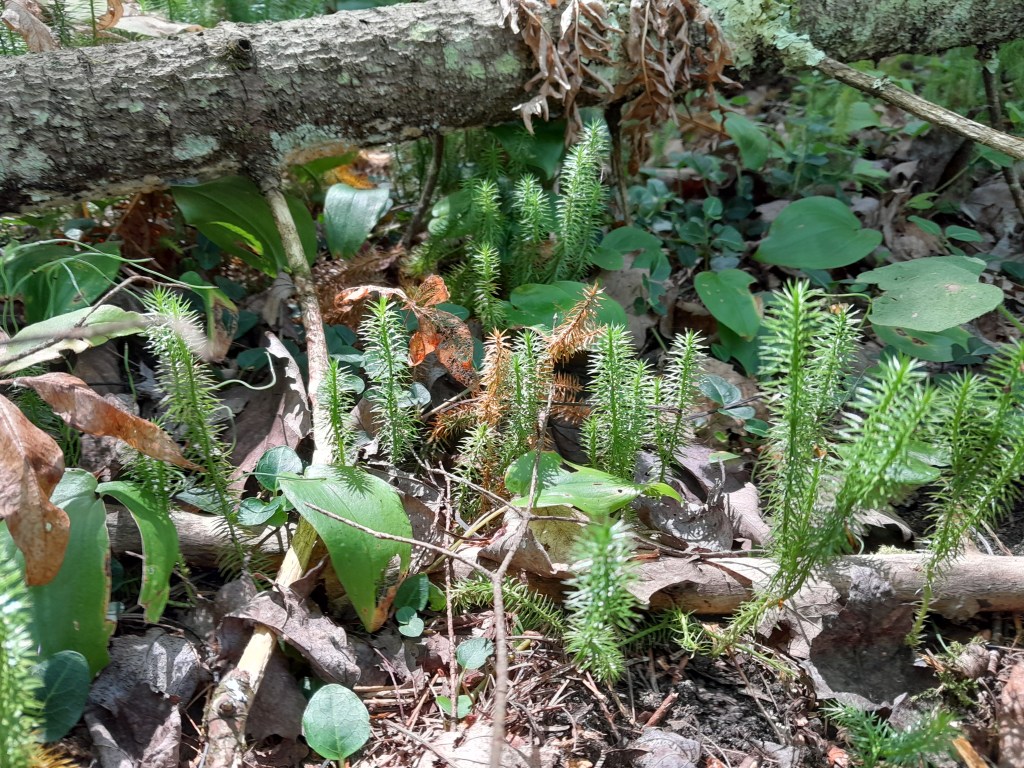
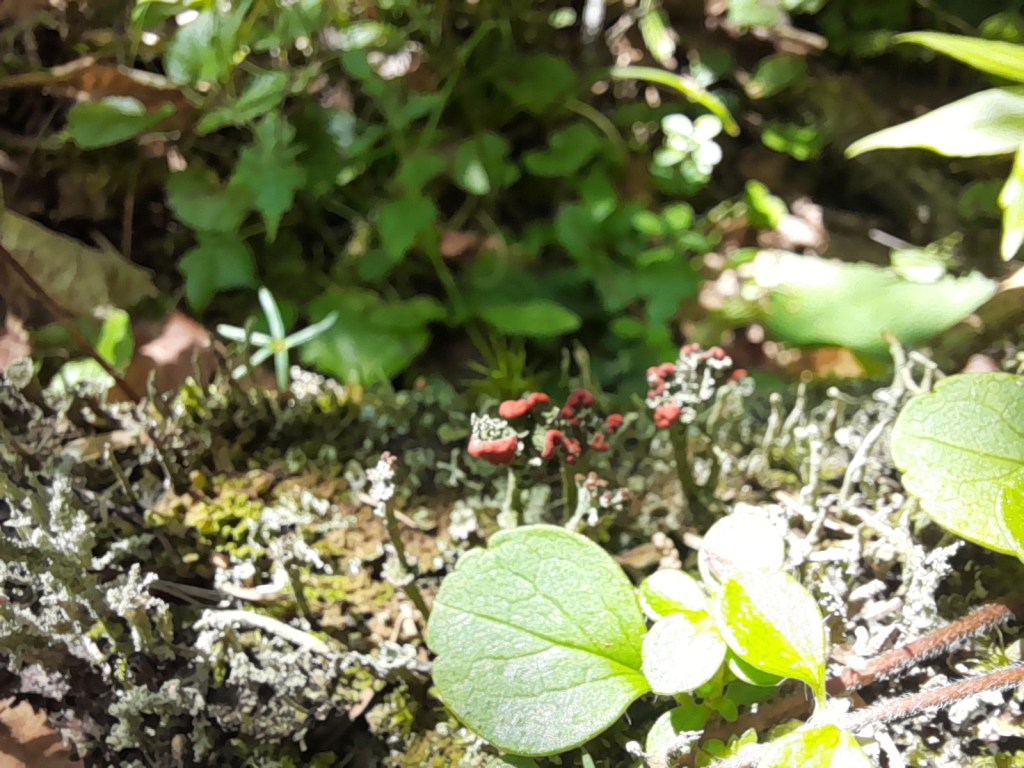
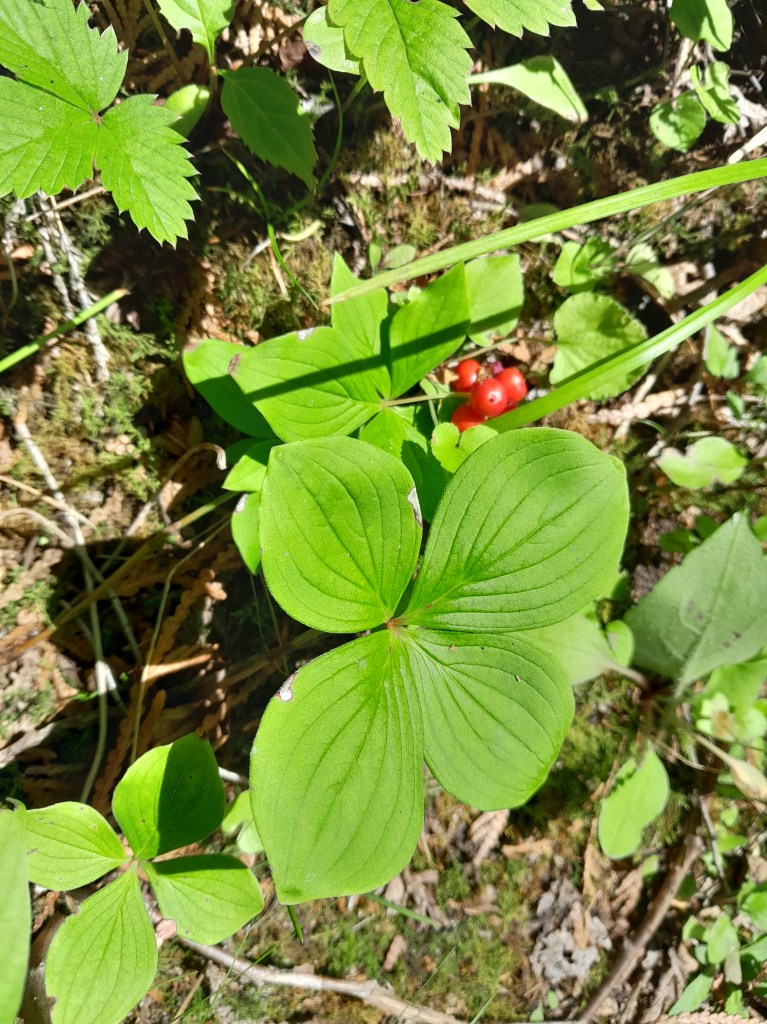
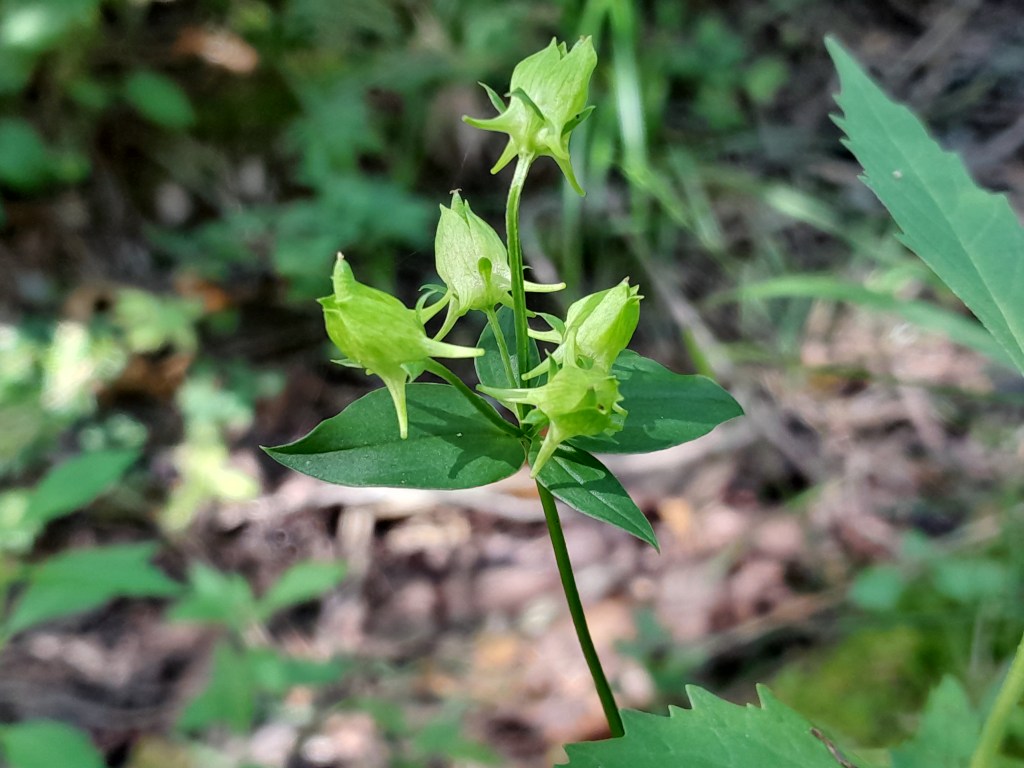
north bay sna in door cty is a varied site with undeveloped shoreline on lake michigan (rare in door cty), wetlands, springs and seeps, mesic and boreal forest. i only walked thru the coniferous woods at the beginning of the site from the dead end road, but was pleasantly surprised by the variety of plant life, club moss, et alia. got some weird vibes about a half hour in and trusted it since i was alone and turned round, but a fine afternoon jaunt nonetheless.
first id of pearly everlasting, spurred gentian, northern bugleweed, and red baneberry!
hi folks! back to short poems and close-up pictures of flowers and rocks and stuff soon, but here’s the final installment of the trilogy of essays i wrote this spring as the term wound up and we all handled the situation with chatbots in the educational space we inhabit with our students.
thanks to the plough team for getting this last salvo out into the world!















 Jacob Riyeff